

Are you curious about how solar energy can power your home even when the sun isn’t shining? You’re not alone.
Many people wonder how we can capture and store this clean energy for later use. Understanding the process is essential if you want to make the most of solar power. We’ll explore the various methods of storing solar energy, from batteries to innovative technologies.
By the end, you’ll know how to harness the sun’s energy effectively, ensuring your home runs smoothly day and night. Let’s dive in and unlock the secrets of solar energy storage together!
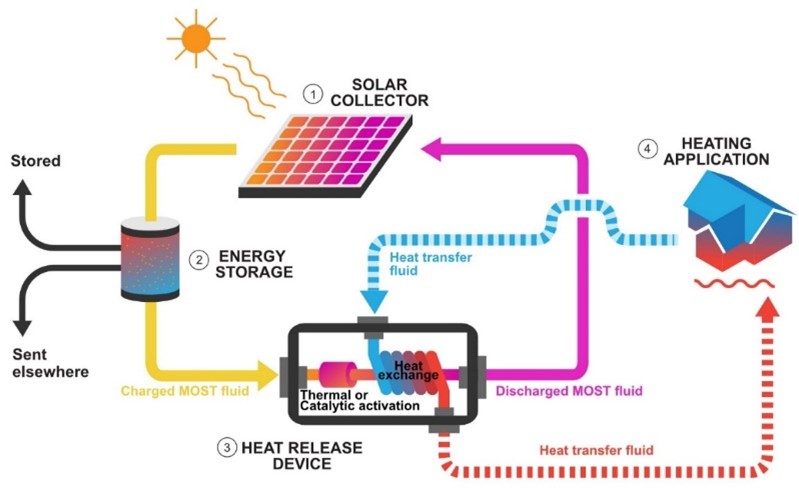
Credit: www.pbctoday.co.uk
Thermal Energy Storage
Thermal energy storage allows solar energy to be saved for later use. It captures heat from the sun during the day. This stored heat can then be used at night or during cloudy days, providing a steady energy supply.
Thermal energy storage is a vital technology that allows excess solar energy to be saved and utilized later. This process plays a key role in making solar energy more reliable, especially when the sun isn’t shining. By capturing heat, we can ensure that energy is available when you need it most.
Molten Salt Systems
Molten salt systems are one of the most effective methods of thermal energy storage. They use a mixture of sodium nitrate and potassium nitrate, which can store heat at high temperatures. These systems work by absorbing heat from solar collectors. The stored heat can then be used to generate steam, which drives turbines to produce electricity. Imagine being able to tap into that stored heat during the night or on cloudy days. This capability enhances the reliability of solar energy significantly.
Phase Change Materials
Phase change materials (PCMs) are another innovative solution for thermal energy storage. These substances can absorb and release large amounts of heat as they change from solid to liquid and back again. For example, paraffin wax is a popular PCM. It melts at a specific temperature, storing heat when it transitions to liquid. When the temperature drops, it solidifies, releasing the stored heat. This technology can be integrated into buildings, providing a natural way to manage energy use. You can enjoy a comfortable indoor environment while reducing reliance on traditional energy sources.
Underground Heat Storage
Underground heat storage utilizes the natural thermal properties of the earth. This method involves capturing heat and storing it in underground formations, such as aquifers or boreholes. This approach is highly efficient and has minimal environmental impact. The earth’s stable temperature helps maintain the heat, making it available when needed. How often do you think about the heat beneath your feet? Utilizing underground heat storage can provide a sustainable solution that many overlook. Thermal energy storage not only increases the efficiency of solar energy but also empowers you to make smarter energy choices.
Battery Storage Systems
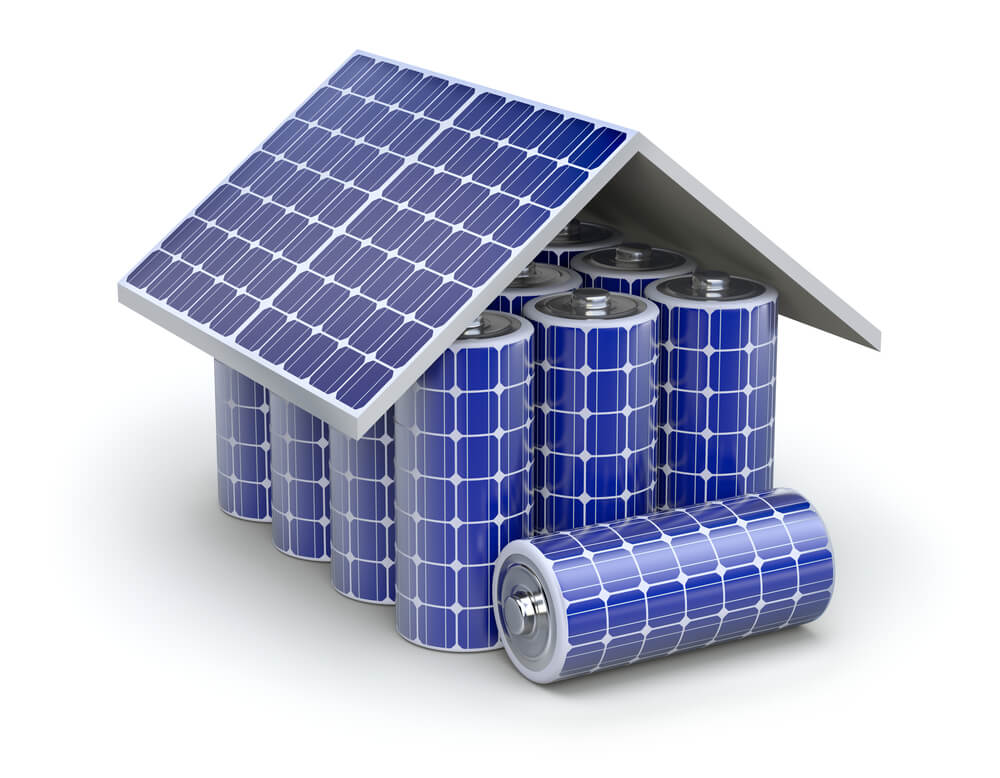
Battery storage systems allow solar energy to be saved for later use. During sunny days, excess energy is captured and stored. This stored energy can power homes and devices when sunlight is not available, ensuring a steady energy supply.
Battery storage systems play a crucial role in harnessing solar energy for later use. They allow you to store the excess energy generated during sunny days and use it during periods of low sunlight or high demand. This capability not only maximizes your solar investment but also enhances energy independence.
Lithium-ion Batteries
Lithium-ion batteries are the most popular choice for solar energy storage. They are efficient, compact, and have a long lifespan, making them ideal for residential use. Many homeowners report a significant decrease in their electricity bills after switching to these systems. These batteries can charge quickly, often reaching full capacity in just a few hours. They typically last between 10 to 15 years, depending on usage and maintenance. You might find that they also offer a higher depth of discharge, meaning you can use a larger percentage of the stored energy without damaging the battery.
Flow Batteries
Flow batteries present a unique alternative for solar energy storage. Unlike traditional batteries, they use liquid electrolytes, which allows them to store energy for longer periods. This makes them particularly useful for larger installations or commercial applications. One major advantage is their scalability. You can easily increase their capacity by adding more electrolyte tanks. This flexibility can be appealing if you anticipate growing your energy needs over time.
Lead-acid Batteries
Lead-acid batteries are a time-tested option for solar energy storage. While they are generally less efficient than lithium-ion options, they offer a lower upfront cost. Many people still choose them for off-grid systems or backup power. These batteries have a shorter lifespan and require more maintenance than other types. You will need to monitor the water levels regularly and ensure they are charged properly to avoid sulfation. For those looking for a cost-effective solution, lead-acid batteries can still serve your energy needs effectively. Choosing the right battery storage system depends on your specific energy needs and budget. What kind of energy management are you considering for your solar setup? The decision you make now will impact your energy independence for years to come.
Mechanical Storage Solutions
Mechanical storage solutions play a key role in solar energy systems. These methods store energy using physical means. They allow us to use solar energy even when the sun is not shining. Let’s explore three popular types of mechanical storage: pumped hydro, compressed air, and flywheel energy storage.
Pumped Hydro Storage
Pumped hydro storage is one of the oldest methods. It uses water to store energy. During sunny days, excess solar energy pumps water uphill. This water is stored in a reservoir. When energy is needed, the water flows back down. It turns turbines to generate electricity. This method is efficient and can store large amounts of energy.
Compressed Air Energy Storage
Compressed air energy storage uses air to store energy. During peak solar production, air is compressed and stored in underground caverns. When energy is needed, the compressed air is released. It expands and drives a turbine to produce electricity. This method is flexible and can quickly respond to energy demand.
Flywheel Energy Storage
Flywheel energy storage uses a spinning rotor to store energy. The rotor spins at high speeds. During solar energy production, excess energy charges the flywheel. When energy is needed, the spinning motion generates electricity. Flywheels can respond quickly and have a long lifespan.
Credit: www.intermtnwindandsolar.com
Hydrogen Storage
Hydrogen storage is a key method for storing solar energy. It allows us to keep energy for later use. This method is clean and effective. It can help reduce reliance on fossil fuels.
Electrolysis Process
The electrolysis process splits water into hydrogen and oxygen. It uses electricity from solar panels. This creates pure hydrogen gas. The hydrogen can be stored for later use.
Electrolysis is efficient. It helps store excess energy from sunny days. This energy can power homes and vehicles later.
Fuel Cell Integration
Fuel cells convert stored hydrogen back into electricity. They combine hydrogen and oxygen to produce power. This process is clean. It only emits water as a byproduct.
Fuel cells can power cars and buildings. They use stored hydrogen efficiently. This integration supports a sustainable energy future.
Challenges In Hydrogen Storage
Storing hydrogen has challenges. It requires special tanks due to high pressure. These tanks must be safe and durable.
Hydrogen also has a low energy density. This means large volumes are needed for storage. Finding efficient storage solutions is crucial.
Costs can be high for production and storage. Research is ongoing to improve methods. Overcoming these challenges is important for wider use.
Grid-based Storage
Grid-based storage plays an important role in solar energy systems. It helps store energy for later use. This storage method balances supply and demand. It ensures reliable power delivery. Different technologies support grid-based storage.
Distributed Energy Resources
Distributed Energy Resources (DERs) are small-scale energy systems. They generate and store energy close to the point of use. Examples include solar panels and batteries. These systems reduce energy loss during transmission. They also improve grid resilience. Users can rely on their stored energy during peak times.
Virtual Power Plants
Virtual Power Plants (VPPs) connect many DERs. They work together as a single power source. VPPs help manage energy supply effectively. They can respond quickly to changes in demand. This coordination ensures stability in the grid. VPPs allow users to sell excess energy back to the grid. This creates a more efficient energy market.
Emerging Storage Technologies
New technologies are changing how we store solar energy. These innovations make energy storage more efficient and reliable. They help us use solar power even when the sun isn’t shining.
Let’s explore some of these exciting technologies. Each has unique benefits and features.
Supercapacitors
Supercapacitors are fast and efficient. They store energy quickly and release it when needed. Unlike traditional batteries, they can charge in seconds.
These devices last a long time and need less maintenance. They are great for short bursts of energy. Supercapacitors work well in electric vehicles and renewable energy systems.
Solid-state Batteries
Solid-state batteries use a solid electrolyte instead of liquid. This design makes them safer and more stable. They store more energy in a smaller space.
These batteries have a longer lifespan than regular lithium-ion batteries. They can power devices for longer periods. Solid-state batteries are promising for electric cars and grid storage.
Thermochemical Storage
Thermochemical storage captures heat energy. It uses chemical reactions to store energy for later use. This method is very efficient.
Heat can be stored for long periods without losing energy. It can provide power during peak demand times. This technology is useful for both residential and industrial applications.

Credit: www.pbs.org
Conclusion
Storing solar energy is vital for its effective use. Batteries are common tools for this. They hold energy from the sun for later needs. Other options include thermal storage and pumped hydro. Each method has its own benefits. By understanding these storage types, you can make smarter energy choices.
Investing in solar energy helps reduce bills and supports the environment. As technology improves, storage methods will get even better. Embracing solar energy can lead to a more sustainable future. Explore your options and find what works best for you.