
Are you curious about how solar energy can power your home? You’re not alone.
Many people are turning to solar energy as a clean, renewable source of electricity. Understanding how this process works can help you make informed decisions about energy consumption and savings. You’ll discover the step-by-step process of converting sunlight into electricity.
By the end, you’ll have the knowledge to harness the power of the sun, reduce your energy bills, and contribute to a greener planet. Let’s dive in and explore how you can turn sunlight into electricity for your everyday needs.
How Solar Panels Work
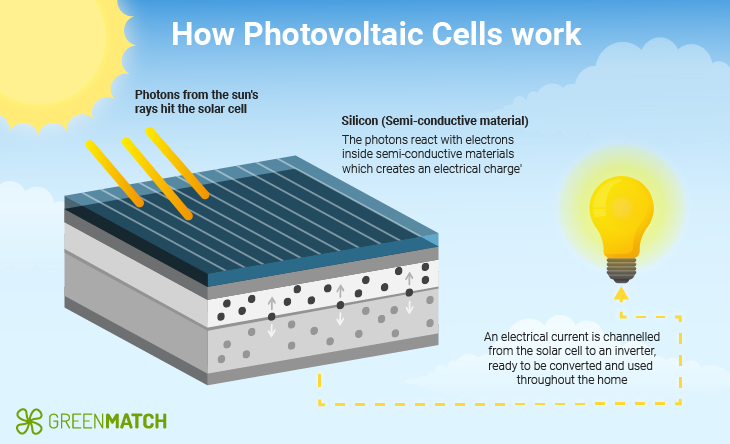
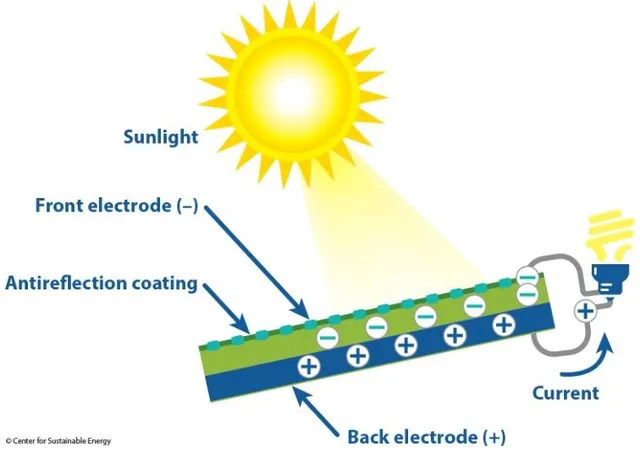
Solar panels convert sunlight into electricity through a process called the photovoltaic effect. When sunlight hits the panels, it excites electrons in the material, creating a flow of electricity. This energy can then power homes and businesses or be stored for later use.
Solar panels are an essential part of converting sunlight into usable electricity. Understanding how they work can help you appreciate their efficiency and potential in powering homes and businesses. Let’s break down the fascinating process behind solar panels, starting with the core component—photovoltaic cells.
Photovoltaic Cells Explained
Photovoltaic (PV) cells are the heart of solar panels. These cells convert sunlight directly into electricity using the photovoltaic effect. When sunlight hits a solar panel, it excites the electrons in the PV cells. This excitement generates an electric current. The more sunlight the cells receive, the more electricity they produce. You might be surprised to know that a single solar panel can generate enough electricity to power small appliances. Imagine reducing your electricity bill while contributing to a cleaner environment!
The Role Of Silicon In Energy Conversion
Silicon is a crucial element in most photovoltaic cells. It’s abundant, affordable, and an excellent conductor of electricity. Silicon atoms have four electrons in their outer shell, allowing them to bond with other silicon atoms effectively. When doped with phosphorus or boron, it creates regions of positive and negative charge. This setup is vital for generating an electric current. Your solar panel likely contains silicon wafers that are just a few millimeters thick. These wafers are responsible for absorbing sunlight and converting it into usable energy.
Understanding The Flow Of Electrons
The flow of electrons is where the magic happens. Once the electrons are excited by sunlight, they begin to move through the silicon. This movement creates a flow of electricity. The generated current is direct current (DC), which needs to be converted to alternating current (AC) for home use. An inverter takes care of this conversion, allowing your appliances to run smoothly. Have you ever thought about how many devices you could power with solar energy? From your refrigerator to your smartphone, the possibilities are endless. By understanding how solar panels work, you can make informed decisions about adopting solar technology. This knowledge empowers you to take advantage of renewable energy and possibly reduce your energy costs significantly.
Key Components Of A Solar Power System
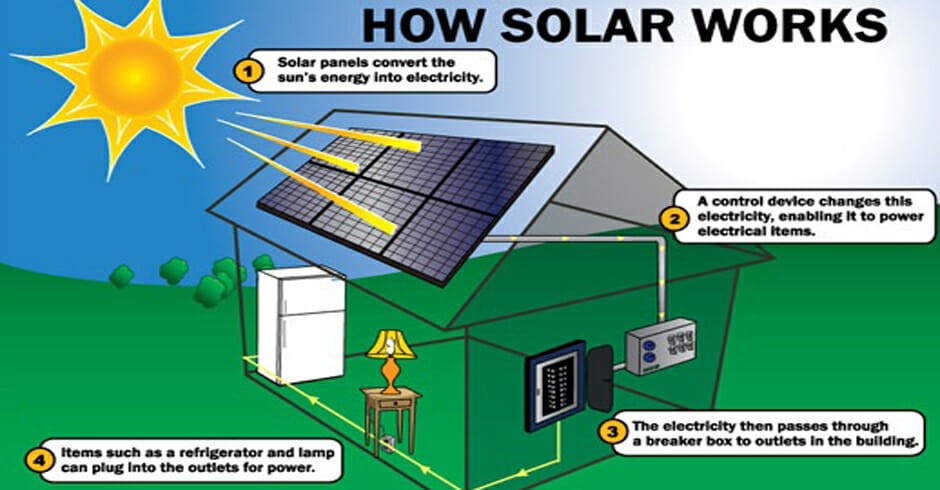
A solar power system has several important parts. Each part plays a role in turning sunlight into electricity. Understanding these components can help you see how solar energy works. Let’s break down the main parts of a solar power system.
Solar Panels
Solar panels are the heart of the system. They capture sunlight and convert it into direct current (DC) electricity. Most panels use silicon cells to achieve this. The more sunlight they receive, the more electricity they produce. Panels come in different sizes and efficiencies. Choosing the right panels can affect your energy output.
Inverters
Inverters change DC electricity into alternating current (AC) electricity. AC is what most homes use. Without an inverter, solar energy cannot power your appliances. There are different types of inverters. Some are string inverters, while others are microinverters. The right choice depends on your setup.
Mounting Systems
Mounting systems hold solar panels in place. They ensure panels are secure and at the right angle. This angle helps maximize sunlight exposure. Mounting systems can be fixed or adjustable. A good mounting system is essential for efficiency and durability.
Battery Storage
Battery storage allows you to save excess energy. During sunny days, your system may produce more electricity than you need. Batteries store this extra energy for later use. This is helpful during cloudy days or at night. Choosing the right battery can enhance your system’s effectiveness.
The Process Of Converting Solar Energy
Understanding how we convert solar energy into electricity is essential. This process involves several steps. Each step plays a key role in harnessing sunlight. Let’s break down these steps for clarity.
Capturing Sunlight
Solar panels are the starting point. They are made of photovoltaic (PV) cells. These cells absorb sunlight during the day. They convert sunlight into electrical energy. The more sunlight they capture, the more electricity they produce.
Generating Direct Current (dc) Electricity
Once sunlight hits the solar panels, they generate direct current (DC) electricity. This is a flow of electric charge. It moves in one direction. DC electricity is essential for charging batteries and running small devices.
Converting Dc To Ac Power
Most homes use alternating current (AC) electricity. This is where an inverter comes in. The inverter changes DC electricity into AC electricity. This allows your home to use the power generated by solar panels.
Storing Excess Energy
Sometimes, solar panels produce more energy than needed. This excess energy can be stored. Batteries are used for this purpose. They hold the extra energy for later use. This ensures you have power even on cloudy days or at night.
Types Of Solar Technologies
Solar technology has different types. Each type helps convert sunlight into electricity. Understanding these types can help you choose the best option for your needs.
Monocrystalline Solar Panels
Monocrystalline solar panels are made from a single crystal structure. They are known for their high efficiency. These panels can produce more power in smaller spaces.
They typically last longer than other types. This makes them a good investment. The dark color gives them a sleek look. Many homeowners prefer them for their aesthetics.
Polycrystalline Solar Panels
Polycrystalline solar panels are made from multiple crystal structures. They are usually less expensive than monocrystalline panels. Their efficiency is slightly lower, but they still perform well.
These panels have a bluish hue and a speckled look. They work well in sunny areas. Installation is straightforward, making them a popular choice.
Thin-film Solar Panels
Thin-film solar panels are lightweight and flexible. They are made from layers of photovoltaic material. These panels can be applied to various surfaces.
They perform well in low-light conditions. However, they typically have lower efficiency. Thin-film panels are often used for large installations.
Factors That Affect Solar Energy Conversion
Solar energy conversion relies on several key factors. Each factor can impact how effectively sunlight turns into electricity. Understanding these factors helps optimize solar panel performance. Here are the main elements to consider.
Sunlight Intensity
Sunlight intensity plays a crucial role in solar energy conversion. More sunlight means more energy. Clear, sunny days provide the best conditions. Overcast or cloudy days reduce sunlight intensity. This results in lower electricity production. Choose locations with high sunlight exposure for better results.
Temperature Impact
Temperature affects solar panel efficiency. Higher temperatures can lower output. Solar panels work best in cooler conditions. Extreme heat can cause overheating. This leads to decreased performance. Keeping panels cool is essential for optimal energy conversion.
Panel Orientation And Tilt
How panels are positioned matters. Proper orientation captures more sunlight. Ideally, panels should face south in the northern hemisphere. Tilt angles also influence energy absorption. Adjusting the tilt for seasonal changes can improve efficiency. Find the right setup for your location.
Shading And Obstructions
Shading can significantly reduce solar energy production. Trees, buildings, or other objects create shadows. Even partial shade affects performance. Regularly check for obstructions in the area. Keeping panels clear of shade maximizes energy capture. This simple step can enhance overall efficiency.
Credit: www.greenmatch.co.uk
Benefits Of Using Solar Energy
Solar energy offers numerous benefits that go beyond just being a renewable resource. Adopting solar power can lead to significant savings, a cleaner environment, and greater autonomy over energy consumption. Let’s break down some of the key advantages of using solar energy.
Reduction In Electricity Bills
Switching to solar energy can drastically lower your electricity bills. With solar panels installed, you generate your own power, which means less reliance on the grid.
Imagine receiving a bill that’s significantly smaller than what you’re used to. Many homeowners report reductions of 50% or more. This extra money can be redirected towards savings, vacations, or home improvements.
Furthermore, some states offer incentives and tax credits for solar installation. This can make the initial investment more manageable and speed up your return on investment.
Environmentally Friendly Power Source
Solar energy is one of the cleanest power sources available. It reduces your carbon footprint and lessens greenhouse gas emissions.
Every solar panel installed contributes to a healthier planet. You’re not only saving money but also supporting sustainable energy practices.
Transitioning to solar can inspire others in your community to consider renewable energy. When you share your positive experience, you help drive a collective shift towards a greener future.
Energy Independence
Using solar energy gives you a sense of control over your electricity supply. You’re less vulnerable to rising energy prices and power outages.
Imagine feeling secure knowing that your energy source is both renewable and local. This independence can be especially valuable during times of crisis or natural disasters.
Many solar systems come with battery storage options. This allows you to store excess energy for use during cloudy days or at night, further enhancing your energy autonomy.
Have you considered how solar energy could change your relationship with power consumption? With the right setup, you could become your own energy provider.
Challenges Of Solar Energy Conversion
Converting solar energy into electricity faces several challenges. Efficiency varies among solar panels, affecting power output. Weather conditions can also impact energy generation. Additionally, storage solutions are needed for nighttime use, complicating the process. Understanding these issues is key to improving solar energy use.
Converting solar energy into electricity is a promising solution to our energy needs. However, several challenges can hinder the efficiency and implementation of solar technology. Understanding these challenges is crucial for anyone considering solar energy as a viable option for their home or business.
Efficiency Limitations
Solar panels can only convert a portion of sunlight into usable electricity. Most residential solar panels have an efficiency rate between 15% to 22%. This means that a significant amount of sunlight goes to waste. You might wonder why this matters. If you’re relying solely on solar energy, you need to ensure your system can meet your energy demands. Choosing high-efficiency panels can make a difference, but they often come with higher costs.
High Initial Costs
The initial cost of installing solar panels can be daunting. On average, a residential solar system can cost anywhere from $15,000 to $25,000 before any tax credits or incentives. This upfront investment can deter many homeowners from making the switch. However, consider the long-term savings on electricity bills. You could save thousands over the lifetime of your solar panels, making the initial cost more manageable. Many states offer rebates or tax incentives that can significantly reduce the overall expense. Research your local programs to see how much you can save.
Weather And Seasonal Variability
Solar energy production is heavily dependent on weather conditions. Cloudy days can reduce energy output, and in winter months, shorter days mean less sunlight. If you live in an area with frequent rain or snow, you might find solar energy less reliable. Yet, advancements in technology are helping to improve energy capture even in less-than-ideal conditions. Consider a hybrid system that combines solar with another energy source. This can help ensure you have consistent power throughout the year, regardless of weather changes. Are you ready to face these challenges and harness the power of the sun? Understanding these limitations is the first step toward making informed decisions about solar energy for your home or business.
Credit: 8msolar.com
Applications Of Solar Energy
Solar energy is versatile. It can power homes, businesses, and remote areas. People use it for many purposes. Understanding its applications helps us see its value.
Residential Uses
Many homeowners install solar panels on rooftops. This setup generates electricity for daily needs. It reduces electricity bills significantly.
Solar water heaters are popular too. They provide hot water for showers and cleaning. Some homes use solar cookers for preparing meals.
Commercial And Industrial Applications
Businesses benefit from solar energy. Factories use solar power to run machines. This cuts down on energy costs.
Many stores have solar panels. They save money on electricity. Some even sell excess energy back to the grid.
Solar energy is a sustainable choice. Companies promote their green practices by using it. This attracts more eco-conscious customers.
Off-grid Solutions
In remote areas, solar energy shines. It provides power where there is no grid connection. Off-grid solar systems are popular for cabins and rural homes.
Portable solar chargers are handy for camping. They keep devices charged without traditional power sources. This makes outdoor adventures easier.
Solar energy offers independence. It helps communities become self-sufficient. Many rural areas rely on solar for lighting and heating.
Future Trends In Solar Technology
Solar energy is converted into electricity using photovoltaic cells. These cells capture sunlight and change it into electrical current. As technology advances, efficiency and storage solutions improve, making solar power more accessible and effective. Understanding these trends helps harness the sun’s energy for our future.
The future of solar technology holds exciting possibilities that can transform how we harness energy. With continuous advancements, solar energy is becoming more efficient, cost-effective, and user-friendly. As you consider solar options for your home or business, staying informed about these trends can help you make smarter choices.
Advancements In Solar Panel Efficiency
Recent innovations in solar panel design are making them more efficient than ever. Traditional silicon panels now compete with emerging technologies, such as perovskite solar cells. These new materials can absorb a broader spectrum of sunlight, which means they generate more electricity from the same amount of sunlight. Imagine being able to produce 20% more energy from your existing solar setup. That’s the kind of potential these advancements hold.
Emerging Storage Solutions
Energy storage is a crucial part of maximizing solar power. With the rise of battery technologies, homeowners can store excess energy generated during the day for use at night. Companies are developing more efficient batteries that can hold a larger charge and have a longer lifespan. This means you can rely on your solar energy even when the sun isn’t shining. Have you considered how much money you could save by using stored solar energy during peak hours?
Integration With Smart Grids
Smart grids are a game-changer for solar energy users. These advanced electrical grids can communicate with solar systems to optimize energy distribution. You can adjust your energy consumption based on real-time data, which can help reduce costs. Imagine having the ability to shift your energy usage to when solar energy is most abundant. This integration can lead to a more resilient energy system, benefiting both individual users and the community at large. Keeping up with these future trends in solar technology not only enhances your understanding but also empowers you to make informed decisions about your energy consumption. Are you ready to embrace the changes and harness the power of the sun like never before?
Credit: calteach.ucmerced.edu
Conclusion
Converting solar energy into electricity is a smart choice. It helps the environment and saves money. Solar panels capture sunlight and turn it into power. This process is simple yet effective. You can use solar energy for homes or businesses.
As technology improves, solar options grow. Every step toward solar energy is a step toward a cleaner future. Consider solar energy today. It benefits you and the planet. Make informed choices for a sustainable tomorrow. Embrace the power of the sun.