
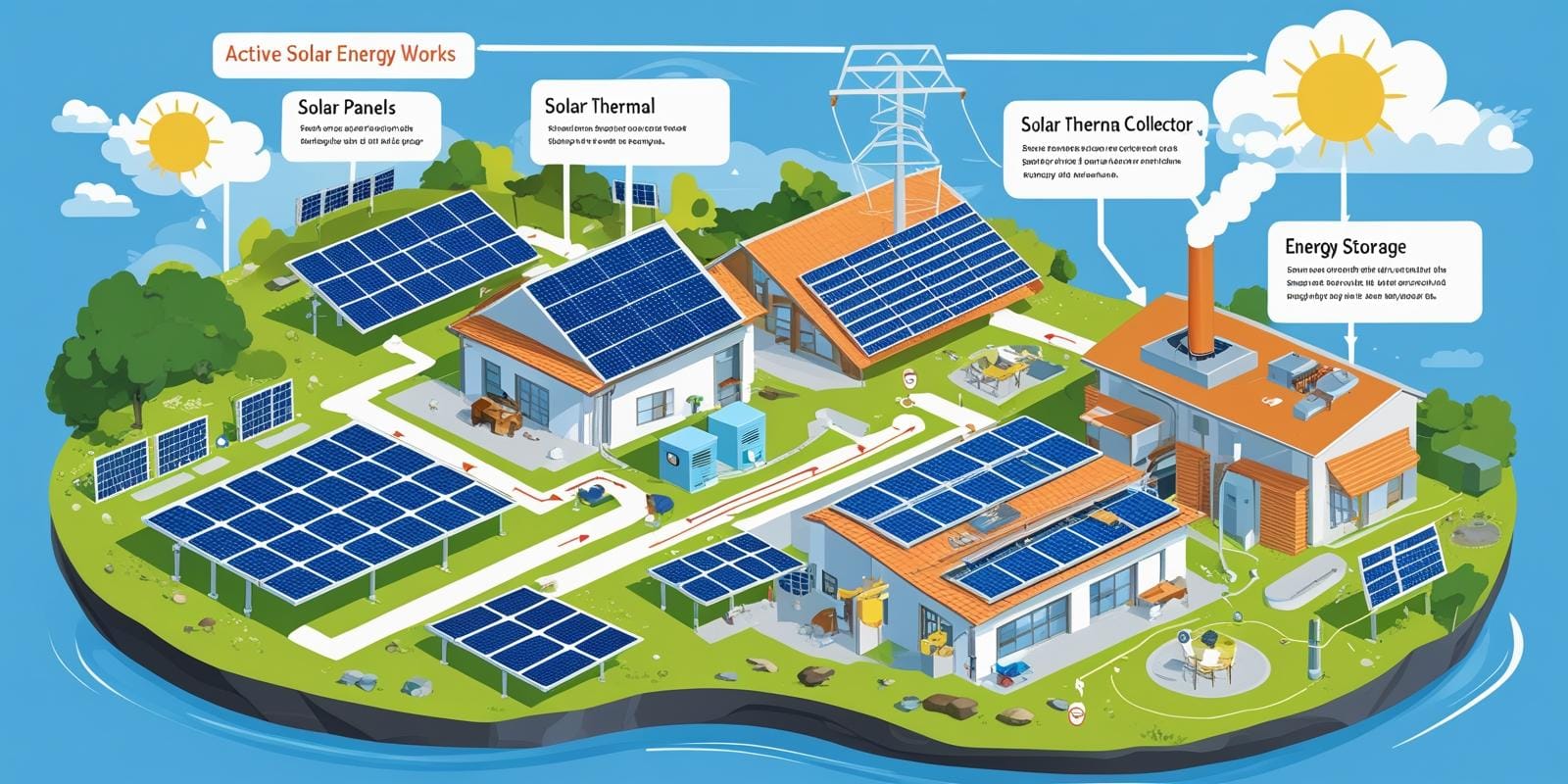
Are you curious about how active solar energy can transform your home and save you money? You’re not alone.
Many people are discovering the benefits of harnessing the sun’s power. Active solar energy systems are designed to collect sunlight and convert it into usable energy for heating, cooling, and electricity. But how exactly does this process work? We’ll break it down in simple terms, so you can understand how you can take advantage of this renewable energy source.
By the end, you’ll have a clear picture of how active solar energy can enhance your life and contribute to a sustainable future. Let’s dive in!
Key Components Of Active Solar Systems
Active solar energy systems rely on specific components to harness sunlight. These components work together to convert solar energy into usable power. Understanding each part helps to appreciate how the system functions.
Solar Panels And Collectors
Solar panels are the most visible part of active solar systems. They capture sunlight and convert it into electricity. These panels contain many solar cells made from silicon. When sunlight hits these cells, it creates an electric current.
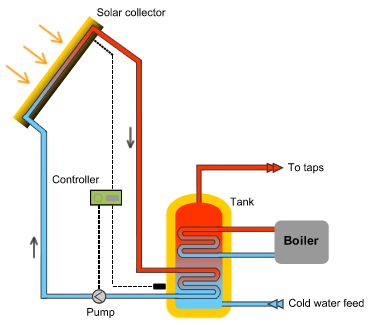
Solar collectors also play an important role. They capture sunlight to heat water or air. These collectors come in different types, such as flat-plate or evacuated tube collectors. Each type has unique benefits for heating needs.
Inverters And Converters
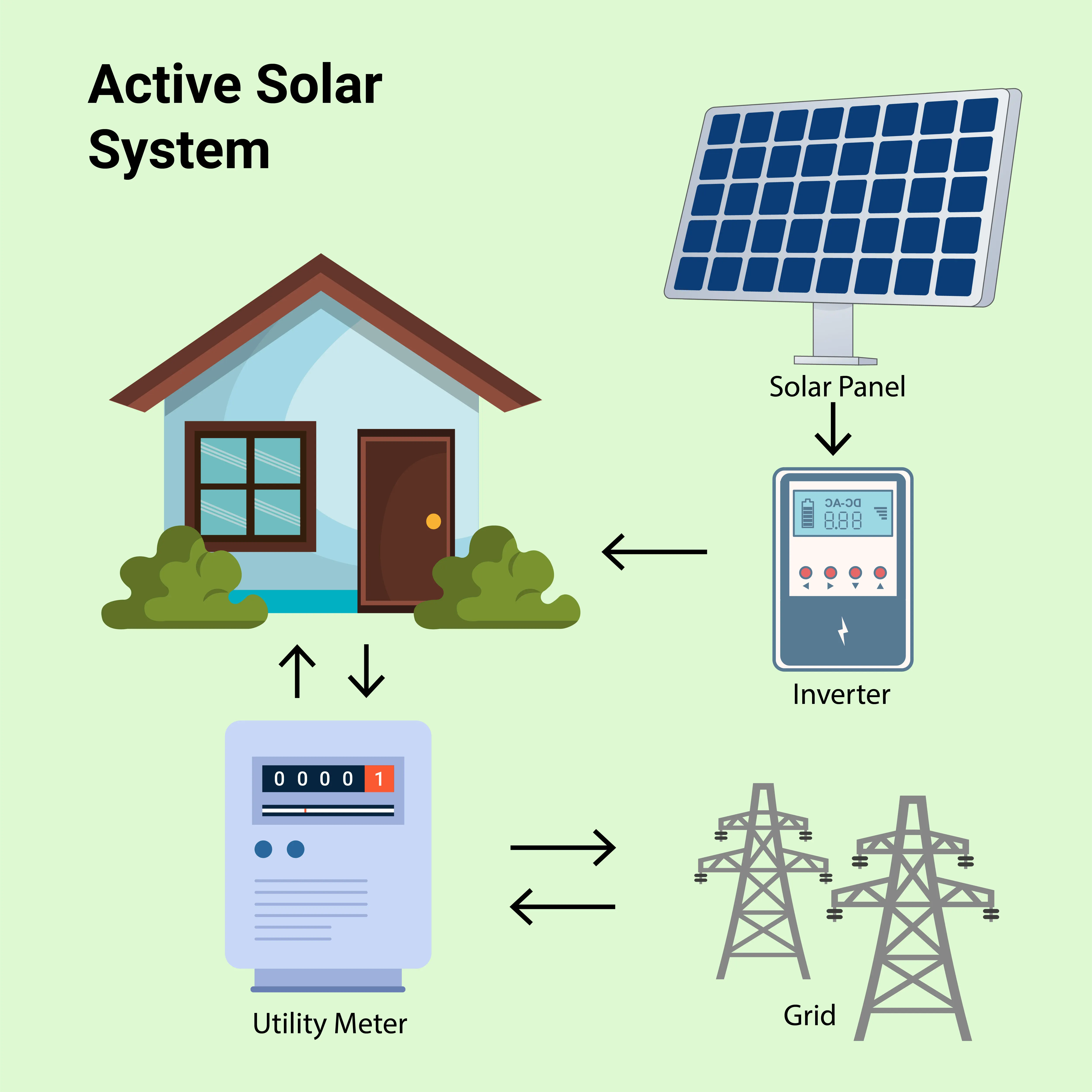
Inverters are crucial for converting electricity. They change direct current (DC) from solar panels into alternating current (AC). AC is the type of electricity used in homes and businesses. Without inverters, you cannot use the energy generated by the solar panels.
Converters are also important in the process. They help manage energy flow. They ensure that the system operates efficiently. This optimizes the use of solar energy.
Storage Systems
Storage systems hold excess energy generated by solar panels. Batteries are the most common type of storage. They store energy for use at night or during cloudy days. This ensures a steady power supply.
Some systems use other methods to store energy. Thermal storage can keep hot water for later use. This helps maintain energy availability when sunlight is not present.
Credit: ecogenenergyandbuild.ca
Energy Conversion Process
Active solar energy uses sunlight to produce heat or electricity. Solar panels capture sunlight and convert it into usable energy. This process helps reduce electricity bills and supports a cleaner environment.
The energy conversion process in active solar energy systems is crucial for transforming sunlight into usable electricity. Understanding how this process works empowers you to make informed decisions about solar energy for your home or business. Let’s break down this process into three key components: capturing sunlight, converting light to electricity, and storing and distributing energy.
Capturing Sunlight
Active solar energy systems primarily use photovoltaic (PV) panels to capture sunlight. These panels are made of semiconductor materials, typically silicon, that absorb solar radiation. As sunlight hits the panels, it excites the electrons in the semiconductor, creating an electric field. This initial step is vital because the more efficiently your system captures sunlight, the more energy you can generate.
Converting Light To Electricity
Once sunlight is captured, the next step is converting that light into electricity. The excited electrons flow through the semiconductor, generating direct current (DC) electricity. You might wonder what happens next—this is where an inverter comes into play. The inverter transforms DC electricity into alternating current (AC) electricity, which is what most homes and businesses use. This conversion process ensures that the energy produced is compatible with your existing electrical systems.
Storing And Distributing Energy
After conversion, the electricity needs to be stored or distributed for use. Many systems include batteries for energy storage, allowing you to use solar energy even when the sun isn’t shining. When your solar panels generate more electricity than you need, this excess energy can be stored for later use. Alternatively, you can connect to the grid, allowing you to sell back excess energy and draw from it when necessary. Have you considered how energy storage could impact your utility bills? By understanding these steps, you can optimize your active solar energy system for maximum efficiency and savings. Incorporating active solar energy into your life not only promotes sustainability but can also lead to significant long-term financial benefits.
Types Of Active Solar Systems
Active solar systems use sunlight to generate energy. They often include solar panels and pumps. These systems collect solar energy, convert it into heat, and distribute it for use in homes or buildings. Understanding these types helps in choosing the right system for energy needs.
Active solar energy systems are designed to harness sunlight and convert it into usable energy. Understanding the different types of active solar systems can help you choose the one that best fits your needs. These systems primarily fall into three categories: Photovoltaic Systems, Thermal Energy Systems, and Hybrid Systems.
Photovoltaic Systems
Photovoltaic (PV) systems convert sunlight directly into electricity using solar panels. These panels are made up of many solar cells that produce electricity when exposed to light. The main advantage of PV systems is their versatility. You can install them on rooftops, in open fields, or even as part of building-integrated designs. If you want to reduce your electricity bills, PV systems could be a game-changer. They can generate energy for your home and even allow you to sell excess power back to the grid.
Thermal Energy Systems
Thermal energy systems focus on capturing heat from sunlight. These systems typically use solar collectors to absorb sunlight and convert it into heat, which is then used for heating water or air. You might find thermal systems particularly effective for water heating in residential settings. This means you can enjoy hot showers while saving on energy costs. These systems can also be used for space heating, making your home more comfortable during the colder months.
Hybrid Systems
Hybrid systems combine both photovoltaic and thermal technologies. This means they can generate electricity and provide heating simultaneously. Imagine having a single system that not only powers your lights but also keeps your home warm. This dual functionality offers efficiency and maximizes energy use. You may want to consider hybrid systems if you have diverse energy needs. They can adapt to different climates and requirements, making them a flexible choice for many homeowners. Understanding these types of active solar systems empowers you to make informed decisions. What kind of energy solutions are you considering for your home?

Credit: sunlux.com
Efficiency Factors In Solar Energy
Understanding how various factors affect the efficiency of solar energy can significantly impact your investment and energy savings. From the weather to the positioning of your solar panels, each element plays a crucial role. Let’s break down these efficiency factors so you can maximize your solar energy usage.
Weather And Climate Effects
Weather and climate have a direct impact on solar energy production. For example, cloudy or rainy days can reduce the amount of sunlight your panels receive, lowering their output. In contrast, regions with abundant sunshine can produce more energy, making them ideal for solar installations.
Temperature also plays a role. While sunny days are great, extreme heat can decrease the efficiency of solar panels. Finding the right balance in your climate is essential for optimizing performance.
Panel Orientation And Placement
The orientation and placement of your solar panels can dramatically affect how much energy they generate. Ideally, panels should face south in the Northern Hemisphere to capture maximum sunlight. Adjusting the angle of your panels can also help, as a tilt can enhance their exposure to the sun throughout the day.
Consider any obstructions, such as trees or buildings, that might cast shadows on your panels. Even small obstacles can lead to significant losses in energy production. Assess your property carefully to ensure optimal placement.
System Maintenance
Regular maintenance is crucial for keeping your solar system operating at peak efficiency. Dust, dirt, and debris can accumulate on your panels, blocking sunlight and reducing energy output. A simple wash can help restore their effectiveness.
Periodic inspections also matter. Checking for any damage, loose connections, or wear and tear can prevent costly repairs down the line. Keeping an eye on your system ensures you continue to reap the benefits of solar energy.
How often do you check your solar panels? Incorporating a maintenance schedule can protect your investment and boost your energy savings.
Applications Of Active Solar Energy
Active solar energy captures sunlight to produce heat or electricity. It uses solar panels or collectors to convert sunlight into usable energy. This technology helps power homes, businesses, and even vehicles, making it a practical choice for renewable energy.
Active solar energy is becoming increasingly popular as people seek sustainable solutions for their energy needs. This technology harnesses sunlight to generate electricity and heat, making it a versatile choice for various applications. Let’s look at how active solar energy can benefit different sectors, from homes to businesses and remote areas.
Residential Power Solutions
Active solar energy systems are a fantastic option for homeowners. Installing solar panels on your roof can significantly reduce your electricity bills. You can generate your own power and potentially sell excess energy back to the grid. Imagine waking up each day knowing that your home is powered by the sun. Additionally, many homeowners benefit from government incentives and tax credits, making the transition to solar more affordable. Have you considered how much you could save over the years?
Commercial And Industrial Use
Businesses are also tapping into active solar energy. Large commercial buildings often have ample roof space for solar panels. Using solar energy can lower operational costs and improve sustainability efforts. For instance, companies like Walmart have invested heavily in solar installations, showcasing their commitment to renewable energy. This not only enhances their brand image but also attracts environmentally conscious consumers. Can your business afford to miss out on such a cost-saving opportunity?
Off-grid And Rural Applications
Active solar energy plays a vital role in off-grid and rural settings. Remote areas often lack access to traditional power sources, making solar a practical solution. Solar energy systems can power homes, schools, and health clinics, improving the quality of life for residents. Think about the difference it makes for a rural school to have reliable electricity for lighting and computers. Furthermore, portable solar solutions, like solar chargers, can keep essential devices running even in the most isolated locations. What would it mean for your community to have access to renewable energy?
Challenges In Solar Energy Adoption
Adopting solar energy has many benefits. Yet, it faces several challenges. Understanding these challenges helps to see the bigger picture.
High Initial Costs
The first challenge is the high initial costs of solar systems. Buying solar panels and installation can be expensive. Many people hesitate due to these upfront costs. Even with long-term savings, the initial expense can be a barrier.
Government incentives can help. They lower the costs for homeowners. Still, not everyone can access these programs. This creates a gap in solar energy use.
Energy Storage Limitations
Energy storage is another hurdle. Solar energy needs to be stored for use at night. Current battery technology can be costly and has limited capacity. Many people worry about running out of stored energy.
Improving battery technology is key. This can make solar energy more reliable. Until then, energy storage remains a challenge.
Environmental And Space Constraints
Environmental factors also play a role. Some areas do not get enough sunlight. This limits the effectiveness of solar panels.
Space is another concern. Installing solar panels requires significant space. Not everyone has the roof area or land needed. Urban areas face more challenges than rural ones.
Future Of Active Solar Energy
The future of active solar energy looks bright. It promises cleaner power and sustainable living. With ongoing advancements, this energy source will play a vital role. It can meet the world’s growing energy demands. Let’s explore the key areas shaping its future.
Technological Innovations
New technologies are changing how we harness solar energy. Improved solar panels capture more sunlight. They are becoming more efficient and affordable. Innovations in storage solutions are also emerging. Better batteries store energy for use at night. These changes make solar power more reliable.
Smart grids will enhance energy distribution. They can balance supply and demand efficiently. This technology allows for the integration of more solar energy into the grid. It ensures that households and businesses can benefit from solar power anytime.
Scaling For Global Energy Needs
Active solar energy must scale to meet global needs. Many countries are adopting solar energy systems. This shift reduces reliance on fossil fuels. It also cuts greenhouse gas emissions. Communities are investing in large solar farms. These farms produce energy for thousands of homes.
Urban areas are exploring solar rooftops. This approach utilizes existing structures for energy. Schools, hospitals, and businesses can all benefit. Scaling active solar energy helps create a sustainable future.
Policies And Incentives
Government policies play a crucial role in solar energy growth. Supportive regulations encourage investment in solar technology. Tax credits and rebates make it more affordable for families. These incentives help people switch to solar energy.
Many nations are setting renewable energy targets. These goals drive the adoption of solar power. Policies that promote research and development are essential. They can lead to further advancements in solar technology.
Credit: www.pixonenergy.com
Conclusion
Active solar energy is a smart choice for many. It uses sunlight to create power. This process reduces energy bills and helps the environment. More people are choosing solar energy every year. It’s a clean, renewable source of energy. Understanding how it works can help you make informed decisions.
Embracing solar energy can lead to a brighter, sustainable future. Explore your options. Find the best solar solutions for your needs. Take a step towards energy independence today. Your home and the planet will thank you.