
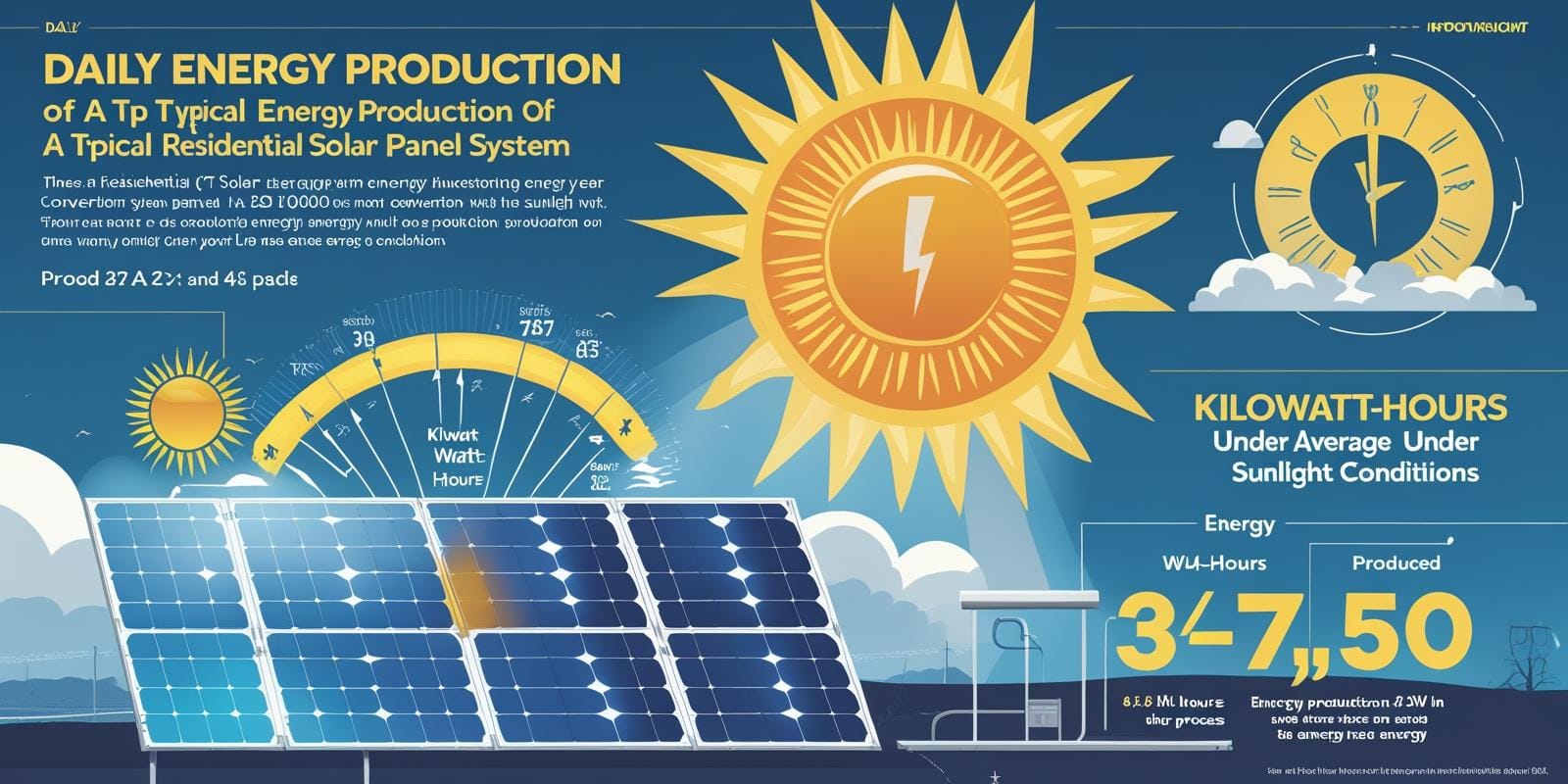
Are you curious about how much energy a solar panel can produce each day? Understanding this can help you make informed decisions about solar energy for your home or business.
Whether you’re considering solar panels for the first time or looking to optimize your existing system, knowing the daily energy output is crucial. It can affect your energy bills, your environmental impact, and even your return on investment. We’ll break down the factors that influence solar panel production and provide you with the insights you need to maximize your solar energy experience.
Let’s dive into the details that matter to you!

Credit: www.yesenergysolutions.co.uk
Factors That Affect Solar Panel Energy Output
Solar panels convert sunlight into energy. Many factors influence how much energy they produce each day. Understanding these factors can help you maximize your solar energy use. Here are the main elements that impact solar panel energy output.
Sunlight Availability
Sunlight is the primary source of energy for solar panels. More sunlight means more energy. Areas with more sunny days will see higher energy production. On cloudy days, panels produce less energy. Seasonal changes also affect sunlight availability. Longer days in summer lead to higher output.
Panel Efficiency
Each solar panel has a specific efficiency rating. This rating shows how much sunlight it can convert into electricity. Higher efficiency panels produce more energy. Different technologies, like monocrystalline or polycrystalline, have varying efficiencies. Choosing the right type can improve your energy output significantly.
Geographic Location
Your location plays a big role in energy production. Areas closer to the equator receive more direct sunlight. Regions with higher altitudes can also benefit from increased sunlight. Urban areas may have shadows from buildings. These shadows can reduce the energy output of solar panels.
Weather Conditions
Weather greatly impacts solar energy production. Rainy or snowy days can lower energy output. Dust and dirt on panels can also block sunlight. Regular cleaning helps maintain efficiency. Wind can help clear debris but may not increase energy production.
Angle And Orientation
The angle and orientation of solar panels matter. Panels should face the sun for maximum exposure. South-facing panels typically receive the most sunlight in the northern hemisphere. The tilt angle can also affect energy capture. Adjusting these factors can enhance overall energy production.

Credit: www.solar.com
Average Energy Production Of Solar Panels
Understanding how much energy solar panels produce daily is important. It helps you know what to expect from your solar system. Various factors influence energy production. These include the panel type, location, and sunlight hours. Let’s explore average energy output and what affects it.
Energy Output Per Watt
Solar panels are rated by watts. This rating shows how much energy they can produce in peak sunlight. Most panels produce between 250 to 400 watts. This means a 300-watt panel generates about 300 watts in ideal conditions. The actual output may vary based on sunlight and temperature.
Daily Production Estimates
Daily energy production depends on several factors. A typical solar panel can produce 1 to 2 kilowatt-hours (kWh) per day. This is under good sunlight conditions. If you have five hours of sunlight, a 300-watt panel might produce 1.5 kWh daily. Your location can change this number significantly.
Comparison By Panel Types
There are different types of solar panels. Each type has its own energy production capacity. Monocrystalline panels are the most efficient. They can produce more energy in less space. Polycrystalline panels are less efficient but are often cheaper. Thin-film panels are lightweight and flexible but produce less energy overall.
Choosing the right panel type matters. It affects how much energy your system can generate. Understanding these differences helps in making informed decisions.
Peak Sun Hours And Energy Calculation
Understanding how much energy a solar panel can produce daily begins with grasping the concept of peak sun hours. These hours play a crucial role in determining the efficiency and energy output of your solar panels. Knowing how to calculate energy production can help you maximize your solar investment.
What Are Peak Sun Hours?
Peak sun hours refer to the period during the day when the sun’s intensity is at its highest. This usually occurs between 10 a.m. and 4 p.m. In simpler terms, it’s the time when solar panels can absorb the most sunlight.
One peak sun hour is equivalent to one hour of full sun exposure. For instance, if your location receives 5 peak sun hours, it means your solar panels get about 5 hours of optimal sunlight each day. This duration greatly influences how much energy your system can generate.
Calculating Energy Output
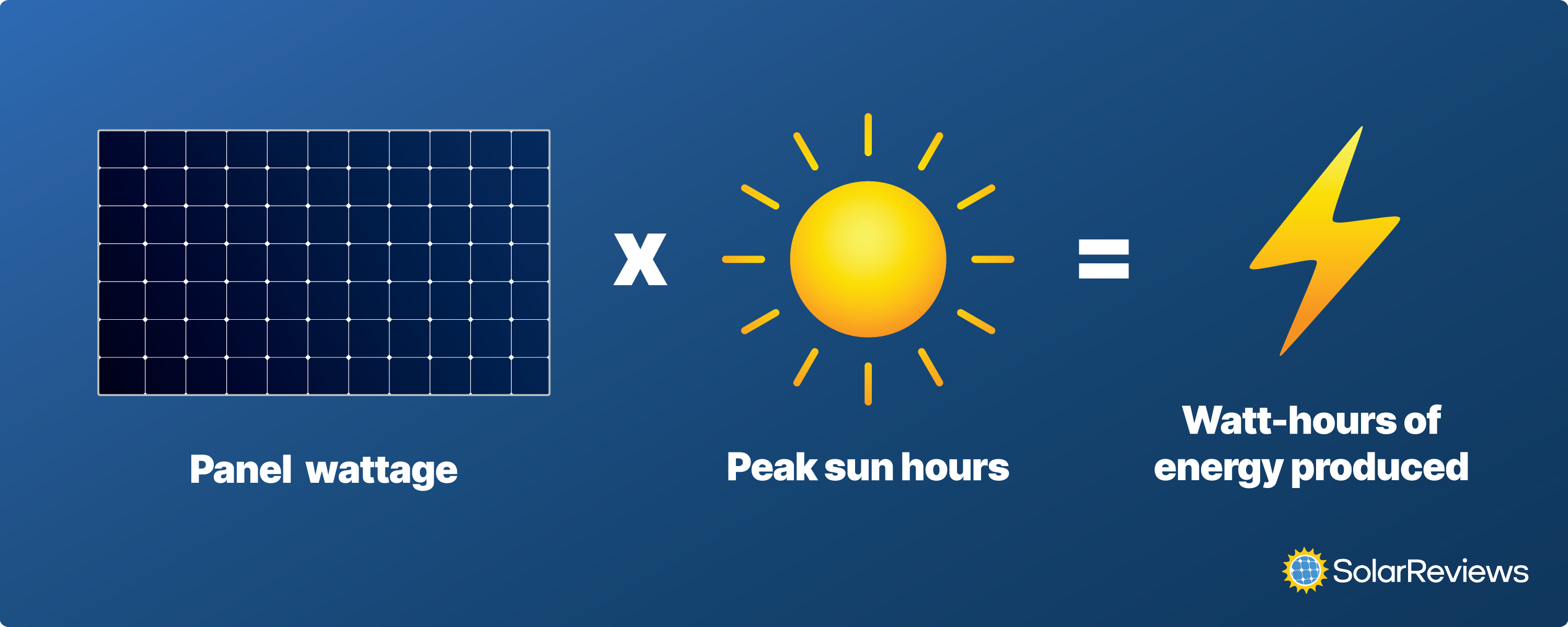
To calculate the energy output of your solar panels, you’ll need three key factors: the panel’s wattage, the number of peak sun hours, and the efficiency of the system. The basic formula is:
Energy (in kWh) = Wattage of Solar Panel × Peak Sun Hours ÷ 1000
For example, if you have a 300-watt solar panel and live in an area with 5 peak sun hours, your calculation would look like this:
Energy = 300W × 5h ÷ 1000 = 1.5 kWh
This means your panel can produce about 1.5 kilowatt-hours of energy per day. You can use this formula for multiple panels by simply multiplying the number of panels in your system.
Examples Of Daily Energy Production
Let’s say you have a solar panel system with four 250-watt panels in a region that enjoys 6 peak sun hours.
Your calculation would be:
Energy = 250W × 6h × 4 panels ÷ 1000 = 6 kWh
This system would produce approximately 6 kilowatt-hours of energy each day. If your electricity consumption is around 30 kWh per day, this production could cover a significant portion of your needs.
Consider your own energy requirements. How many solar panels would you need to meet your daily consumption? By understanding peak sun hours and energy calculations, you can make informed decisions about your solar investment.
Impact Of Seasons On Energy Output
Seasons affect how much energy solar panels produce each day. In summer, panels generate more energy due to longer sunlight hours. Winter can lower energy output because of shorter days and less sunlight. Understanding these changes helps in planning solar energy use effectively.
Understanding how the seasons affect solar panel energy output is crucial for anyone considering solar energy. Each season brings unique weather patterns that can significantly influence how much energy your solar panels produce. By knowing these seasonal impacts, you can better plan your energy needs and make informed decisions about your solar investment.
Energy Production In Summer
Summer is typically the peak season for solar energy production. Longer days and increased sunlight mean your solar panels can generate more electricity. – Average Production: Many panels can produce up to 20-30% more energy in summer than in winter. – Sunlight Hours: In summer, you can expect around 14-15 hours of sunlight, maximizing your energy harvest. This is the time when your solar system works hardest. You might even generate excess energy, which can be stored or sold back to the grid. Have you noticed higher energy bills in summer? With solar, you can turn that around!
Energy Production In Winter
Winter brings shorter days and more cloud cover, which can reduce energy production. However, solar panels can still be effective. – Average Production: Energy output can drop by 25-50% during the winter months. – Snow Benefits: Surprisingly, snow can reflect sunlight, enhancing panel efficiency if it’s cleared off. Your solar system might not produce as much energy, but it can still contribute. Have you thought about how much energy your panels could save during these colder months?
Seasonal Adjustments For Efficiency
To maximize your solar panel efficiency throughout the year, consider some seasonal adjustments. – Angle Adjustments: Adjusting the tilt of your solar panels can capture more sunlight, especially in winter when the sun is lower in the sky. – Regular Maintenance: Keep your panels clean and free of debris to ensure optimal performance in all seasons. Think about how you can adapt your energy usage according to seasonal changes. Can you shift your energy-intensive tasks to summer when you have more production? Understanding these seasonal impacts can help you optimize your solar energy system for the best results.
Improving Solar Panel Energy Production
Boosting solar panel energy production is vital. Small changes can lead to big improvements. Regular checks and updates help you get the most from your system.
Regular Maintenance
Maintaining your solar panels is crucial. Dirt, dust, and leaves can block sunlight. Clean panels produce more energy. Schedule regular cleaning, at least twice a year.
Inspect the panels for any damage. Look for cracks or loose wires. Fixing these issues early keeps your system running well.
Optimal Placement Strategies
The placement of your solar panels matters. Install them in a spot with maximum sunlight. Avoid shaded areas from trees or buildings.
Consider the angle of the panels. A proper tilt can capture more sunlight. South-facing panels often perform best.
Upgrading To High-efficiency Panels
High-efficiency panels can produce more energy. They convert sunlight into electricity better than standard models. Upgrading may seem costly, but it pays off in the long run.
Evaluate your current panels. If they are old, consider replacing them. New technology offers better performance and durability.
Credit: www.solarreviews.com
Comparing Energy Production Across Regions
Solar panels produce different amounts of energy based on their location. Factors like sunlight, weather, and panel quality all play a role. On average, a solar panel can generate around 1 to 2 kilowatt-hours per day. This varies widely across regions due to differing conditions.
Comparing energy production across regions highlights how local climate and geography influence the efficiency of solar panels. Understanding these differences can help you make informed decisions about solar energy investments. Whether you live in a sun-drenched desert or a cloudy coastal area, knowing what to expect in terms of energy output is crucial.
High-sunlight Regions
High-sunlight regions are ideal for solar energy production. Places like Arizona and California receive abundant sunshine year-round, leading to impressive energy outputs. – Daily Production: A typical solar panel can generate 6 to 8 kilowatt-hours (kWh) per day in these areas. – Efficiency Rates: Panels in high-sunlight regions operate at higher efficiency rates, often exceeding 20%. Living in such an area means you can harness the sun’s power effectively. Your solar investment may pay off quickly, with lower energy bills and a reduced carbon footprint.
Low-sunlight Regions
Low-sunlight regions face unique challenges for solar energy production. States like Washington and Alaska experience longer periods of cloud cover and shorter days, which can significantly affect energy output. – Daily Production: In these areas, solar panels may only produce 2 to 4 kWh per day. – Seasonal Variations: Energy output can vary dramatically between summer and winter, impacting overall efficiency. Yet, every cloud has a silver lining. Even in low-sunlight regions, solar technology continues to improve, allowing for better performance under less-than-ideal conditions.
Case Studies Of Energy Output
Case studies illustrate the real-world impact of location on solar energy production. – California: A residential setup in Los Angeles generated 10 kWh daily, showcasing how optimal conditions drive performance. – Washington: In Seattle, a similar system produced only 3 kWh daily, emphasizing the challenges posed by weather. Consider your local climate and how it affects your solar panel’s performance. Would investing in solar energy still make sense for you in a low-sunlight region? Understanding these nuances can guide your solar journey and help you maximize your investment.
Using Solar Panel Energy Data
Understanding how much energy your solar panels produce daily is key to maximizing their benefits. Using solar panel energy data helps you monitor performance and make informed decisions about your energy usage. Let’s break down how you can effectively use this data.
Tracking Daily Production
Daily production data shows how much energy your solar panels generate. You can easily track this using a monitoring system connected to your solar panels. Many systems provide real-time data, allowing you to see how weather conditions affect production.
Using mobile apps or web dashboards, you can check your daily energy output. Some setups even allow you to compare your production with previous days. This information can motivate you to adjust your habits for better energy savings.
Analyzing Long-term Trends
Looking at long-term trends helps you understand seasonal variations in solar production. For example, during winter months, your panels may produce less energy due to shorter days and cloudier skies. By analyzing data over several months, you can identify patterns.
Consider creating a simple spreadsheet to log your daily production. This can help you visualize trends and predict future performance. Are there specific months when your energy output is consistently low? Knowing this can help you plan for energy usage during those times.
Optimizing Home Energy Use
Using your solar energy data, you can optimize your home’s energy usage. Start by identifying peak production hours when your panels generate the most energy. Schedule high-energy tasks, like running your dishwasher or washing machine, during these times.
You might also consider investing in energy storage solutions. Batteries can store excess energy produced during the day for use at night. This strategy not only reduces reliance on the grid but also enhances your energy independence.
How well do you know your solar panel’s daily output? Tracking, analyzing, and optimizing can lead to significant savings and a more sustainable lifestyle. Don’t miss the opportunity to maximize your solar investment!
Conclusion
Solar panels can produce a lot of energy each day. The amount depends on factors like sunlight, location, and panel type. Understanding these factors helps you estimate energy output. This knowledge can guide your decisions about solar energy. You can save money and reduce your carbon footprint.
Choosing solar energy is a smart step toward a sustainable future. With the right information, you can make the best choice for your needs. Embracing solar energy today can lead to a brighter tomorrow.