

When planning your next RV adventure, one of the most important decisions you’ll face is how to keep your air conditioning running smoothly. You want to stay cool and comfortable, but the right generator is crucial.
Choosing the right size can feel overwhelming, especially with so many options available. How big of a generator do you really need to power your RV AC? Understanding your specific needs can save you from costly mistakes and ensure you enjoy your travels.
We’ll break down the essentials, making it easy for you to find the perfect generator that fits your lifestyle. Stay with us as we explore the factors that determine generator size, the power requirements of your AC unit, and tips to maximize your energy efficiency. Let’s make sure your next trip is as enjoyable as possible!
Factors Affecting Generator Size
Choosing the right generator size for your RV air conditioner depends on several factors. Consider the AC unit’s wattage, the RV’s total power needs, and how many devices you will run at once. Understanding these aspects will help you select the best generator for your travels.
Understanding the factors that affect generator size is crucial for RV owners, especially if you want to run your air conditioning unit effectively. Choosing the right generator ensures that you stay comfortable during your travels. Several elements come into play when determining the appropriate generator size for your RV AC, including power requirements, additional appliances, and the climate you’ll be in.
Power Requirements Of Rv Ac
The first step in selecting a generator is knowing the power requirements of your RV’s air conditioning unit. Most RV AC units require between 1,500 to 3,000 watts to start and run smoothly. Check the specifications on your AC unit. It often lists both the starting (surge) wattage and the running (continuous) wattage. If your unit needs 2,000 watts to run but 3,000 watts to start, you’ll need a generator that can handle that surge.
Additional Appliances And Devices
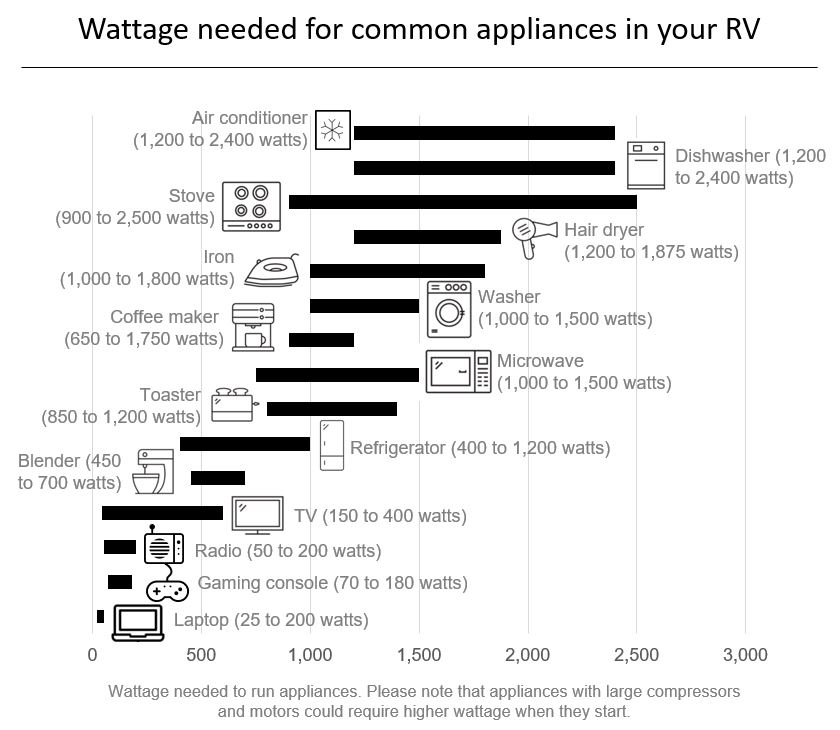
Consider what other appliances or devices you plan to use alongside your RV AC. Each device adds to your total wattage needs. If you want to run a microwave, refrigerator, or even charge your devices, you must account for their power consumption. Make a list of all the appliances you plan to use and their wattage requirements. Example list: – Microwave: 1,000 watts – Refrigerator: 600 watts – TV: 200 watts – Phone chargers: 50 watts each Add these numbers to the wattage needed for your AC. This will give you a clearer picture of the generator size you need.
Climate And Environmental Conditions
The climate you’ll be in significantly impacts your generator requirements. Hotter weather means your AC will work harder, which may increase its wattage needs. If you’re camping in a hot desert, you might want to opt for a generator with a higher capacity to handle the extra strain on your AC. Conversely, in milder climates, your generator might not need to be as powerful. Think about where you plan to travel and the typical weather conditions there. This consideration will help you make a more informed decision about your generator size. By evaluating these factors, you can choose a generator that meets your needs and ensures a comfortable RV experience. Are you ready to hit the road with the right power source?
Credit: www.etrailer.com
Calculating Wattage Needs
Choosing the right generator for your RV AC involves calculating wattage needs. Start by checking the AC unit’s wattage rating. This ensures you select a generator that provides enough power for a comfortable experience while camping.
Calculating wattage needs is essential for running your RV’s air conditioning efficiently. Knowing the right generator size ensures you have enough power without overloading the system. Let’s break down how to determine what you need.
Starting Watts Vs Running Watts
Understanding the difference between starting watts and running watts is crucial. Starting watts are the initial surge of power required to start your AC unit. This can be significantly higher than the running watts, which is the energy needed to keep it operating. For instance, a typical RV air conditioner may require 3,000 starting watts but only 1,500 running watts. Make sure to check the specifications on your AC unit. This information will help you select a generator that meets both needs.
Estimating Total Power Consumption
Start by making a list of all the appliances you plan to run alongside your AC. Write down their wattage requirements. Here’s a simple way to estimate your total power consumption: – Air Conditioner: 1,500 running watts (3,000 starting watts) – Refrigerator: 600 running watts – Microwave: 1,000 running watts – Lights: 100 running watts Add these numbers together. In this case, your total running wattage would be 3,200 watts. When planning your power needs, always round up to be safe. This extra cushion ensures you won’t experience outages during peak usage.
Accounting For Surge Power
Surge power refers to the extra wattage needed for a brief moment when starting appliances. This can affect your generator choice significantly. If your air conditioner requires 3,000 starting watts, your generator should exceed that to handle the surge. Consider a generator with at least 4,000 starting watts if you plan to use multiple appliances. This way, you can run everything smoothly without risk of tripping a breaker. Ask yourself, do you have enough wattage for unexpected power needs? It’s always better to have a little extra than to find yourself in a tight spot.
Types Of Generators For Rvs
Choosing the right generator for your RV is crucial. Different types serve various needs. Understanding each type helps you make the best choice. Let’s explore three main types of generators for RVs.
Portable Generators
Portable generators are popular among RV owners. They are easy to move and store. These generators provide a good amount of power. Most can run your RV air conditioner and other appliances.
They typically run on gasoline or propane. Their fuel type affects how long they run. Some models are quiet, making them great for camping. Look for a model with enough wattage for your needs.
Inverter Generators
Inverter generators are known for their efficiency. They produce clean power, which is safe for sensitive electronics. These generators are quieter than portable ones. Many RVers prefer them for this reason.
Inverter generators are lightweight and easy to carry. They can be more expensive, but they save fuel. Their technology allows them to adjust power output as needed. This feature helps extend run time.
Built-in Generators
Built-in generators offer convenience for RVers. These generators are installed directly into the RV. They provide a steady power supply without needing to set up. This makes them ideal for long trips.
They often run on propane or diesel. Built-in generators may require more maintenance. Ensure you check the generator’s wattage to match your air conditioning needs.

Credit: www.jackery.com
Choosing The Right Generator Size
Choosing the right generator size is crucial for running an RV air conditioner. A generator must provide enough power to start and run the AC efficiently. Consider the AC’s wattage requirements and add a buffer for other devices. This ensures a smooth camping experience without power issues.
Choosing the right generator size for your RV can make or break your camping experience. It’s essential to ensure that your generator can handle the power requirements of your air conditioning unit. A generator that’s too small will leave you sweating, while one that’s too large can be an unnecessary drain on your budget.
Matching Generator Capacity With Ac Needs
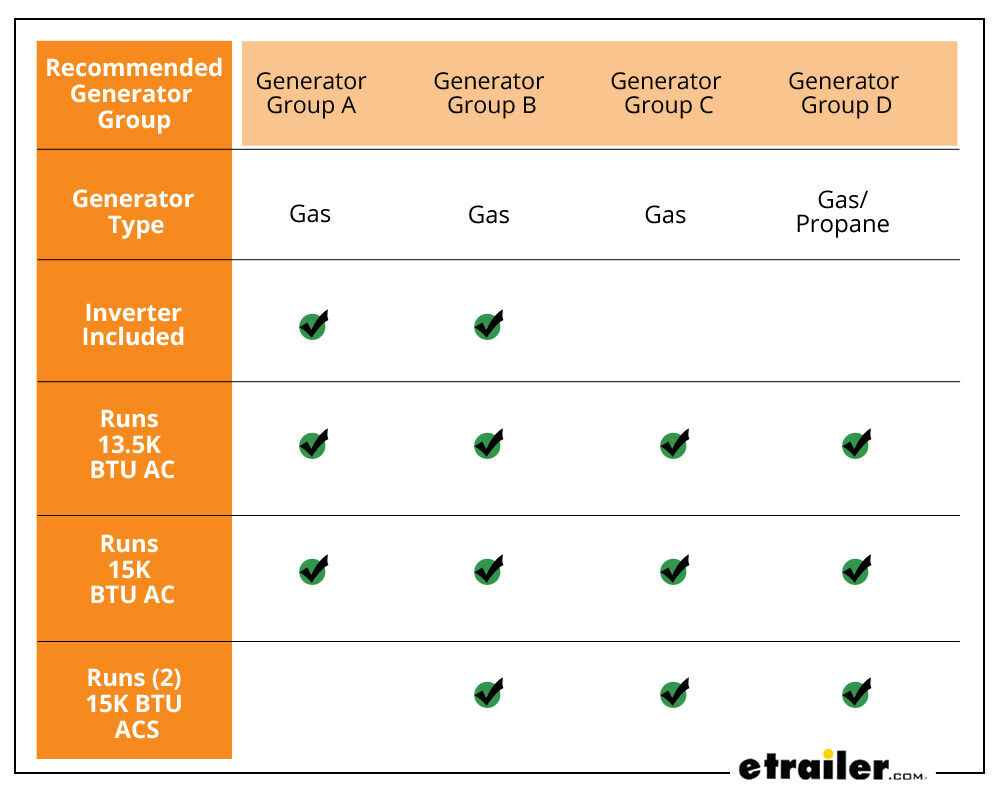
Understanding the power requirements of your RV’s AC unit is crucial. Most RV air conditioners need between 1,000 to 3,000 watts to operate efficiently. Start by checking the manufacturer’s specifications for your AC unit. You can often find this information on a label located inside the unit. If you’re considering a generator, look for one that exceeds your AC’s starting wattage. Starting wattage is typically higher than running wattage. For instance, a 13,500 BTU AC might need around 2,200 watts to start but only 1,500 watts to run. This means you should aim for a generator that provides at least 2,500 watts to ensure smooth operation.
Considerations For Dual Ac Units
If your RV has dual AC units, your power needs multiply. Each unit may require anywhere from 1,500 to 3,000 watts to start. Calculating the total wattage is essential. For example, if both units need 2,200 watts to start, you’ll require a generator that can provide at least 4,500 watts. Don’t forget to factor in other appliances you might want to run. This includes your fridge, microwave, and any additional electronics. A little extra wattage can help avoid overload and ensure everything runs smoothly.
Future-proofing With Larger Generators
Investing in a larger generator can pay off in the long run. You may not have plans for a second AC unit now, but what about in a few years? A generator with a higher capacity gives you the flexibility to upgrade your RV or add more appliances without worrying about power limitations. Think about your lifestyle and future adventures. Will you be boondocking more often? Larger generators are ideal for extended trips. They can provide you with the peace of mind that comes with knowing you have enough power, no matter where your travels take you. Does your current generator meet your needs, or is it time for an upgrade?
Fuel Types And Efficiency
Choosing the right generator for your RV’s air conditioning is crucial. Fuel types and efficiency impact performance. Understanding these factors helps you select a generator that meets your needs while ensuring comfort on the road.
Fuel Types and Efficiency Choosing the right fuel type for your generator can make a significant difference in efficiency and overall performance. Each fuel type has its pros and cons, which can impact your RV experience. Understanding these differences helps you make an informed decision that suits your needs.
Gasoline Generators
Gasoline generators are among the most common options available. They are easy to find and typically more affordable upfront. However, they often have shorter run times compared to other fuel types. – Pros: – Widely available – Lower initial cost – Good power output – Cons: – Less fuel-efficient – Shorter lifespan – Requires regular maintenance If you’ve ever filled up your generator at a gas station, you know it can be convenient. But consider the frequency of refueling on longer trips. How often do you want to stop for gas just to keep your AC running?
Propane Generators
Propane generators offer a cleaner alternative. They burn more efficiently than gasoline, which can mean fewer emissions and quieter operation. This can enhance your camping experience, especially in serene locations. – Pros: – Cleaner burning – Longer shelf life – Quieter operation – Cons: – Less power output – Limited availability in some areas – Higher initial cost Using propane can lead to fewer trips to the fuel source. You might even enjoy the peace of mind knowing that propane stays fresh longer than gasoline. What could you do with that extra time and energy saved?
Diesel Generators
Diesel generators are known for their durability and efficiency. They tend to have longer run times and can provide a steady power supply. While the initial investment may be higher, they often pay off in the long run. – Pros: – Longer run time – More fuel-efficient – Generally more durable – Cons: – Higher initial cost – Heavier and bulkier – Diesel fuel may be harder to find in some locations If you’ve ever traveled in an RV with a diesel generator, you might appreciate the reliability it offers. It can be a game changer during hot summer days when your AC is working overtime. Are you ready to enjoy uninterrupted comfort on your adventures? Understanding the fuel types available for your generator is crucial for maximizing efficiency. Each option brings unique benefits and drawbacks. Choosing wisely can enhance your RV experience while keeping your AC running smoothly.
Noise Levels And Rv Compatibility
Noise levels are important for RV owners. Campgrounds often have quiet hours. Loud generators can disturb your neighbors. A generator that runs quietly is a good choice. It keeps the peace and enhances your camping experience.
Quiet Generators For Campgrounds
Many campgrounds require quiet generators. These generators operate at lower decibel levels. They are designed to blend into the background. Look for models labeled as “quiet” or “silent.” They are perfect for late nights and early mornings.
Impact Of Decibel Ratings
Decibel ratings indicate how loud a generator is. A rating below 60 dB is usually quiet. For reference, normal conversation is about 60 dB. A generator above 70 dB is quite loud. This level can disturb the peace in campgrounds.
Rv-ready Features To Look For
Choose generators with RV-ready features. Look for a 30-amp outlet for easy connection. Some models offer parallel capability. This allows you to connect two generators for extra power. Lightweight designs are easier to transport. Check for built-in wheels for added convenience.
Portable Vs Permanent Generators
Choosing between portable and permanent generators for your RV AC can be tough. Each type has its own benefits. Understanding these can help you make the right choice.
Advantages Of Portable Units
Portable generators offer flexibility. You can move them anywhere. They are great for camping or tailgating.
Many models are lightweight and easy to transport. Some are quiet, which is perfect for peaceful settings.
They usually cost less than permanent units. This makes them a good choice for budget-conscious RV owners.
Benefits Of Built-in Systems
Built-in generators provide convenience. They start automatically when needed. This means no manual setup is required.
They offer more power for larger AC units. This makes them ideal for full-time RV living.
These systems often run quieter than portable ones. They also save space in your RV.
Cost And Installation Considerations
Portable generators have lower upfront costs. Installation is simple and often not needed.
Built-in generators require a higher investment. Installation can take time and may need professional help.
Consider fuel types too. Some are more expensive than others. Think about your long-term needs before deciding.
Generator Maintenance Tips
Proper maintenance keeps your generator running smoothly. Regular checks and care extend its life. These tips will help you keep your generator in top shape. Follow these steps for routine care, storage, and troubleshooting.
Routine Maintenance Practices
Check oil levels regularly. Change the oil every 50 hours of use. Clean or replace air filters as needed. Inspect spark plugs and replace them if worn. Keep the fuel system clean. Use fresh fuel to avoid problems. Run the generator monthly to keep it active.
Listen for unusual sounds. These may signal a problem. Inspect cables and connections for wear. Tighten loose components to prevent issues. Clean the exterior to avoid dirt buildup.
Storage And Longevity
Store your generator in a dry place. Protect it from moisture and extreme temperatures. Use a cover to keep dust away. Empty the fuel tank if storing for a long time. This prevents stale fuel from clogging the system.
Check the battery regularly. Keep it charged and clean. Use a trickle charger if needed. Ensure the generator is clean before storage.
Troubleshooting Common Issues
Start with checking the fuel supply. Ensure the tank is full and fuel is fresh. If it won’t start, check the battery connections. Replace the spark plug if it looks worn. Listen for abnormal sounds while running.
Inspect the circuit breaker if it trips. Reset it and check for overload. If the generator runs rough, examine the air filter. A clogged filter can cause this issue.
Always refer to the manual for specific problems. Following these steps can save you time and money.
Safety Considerations
Safety is crucial when using a generator to run your RV’s AC. Choose a generator with the right power output. Always operate it outdoors to avoid carbon monoxide buildup. Keep it away from windows and vents for added safety. Regular maintenance ensures safe and efficient operation.
Safety considerations are crucial when using a generator to power your RV air conditioning. A generator provides the necessary energy but can also pose risks if not handled properly. Keeping safety at the forefront ensures a worry-free camping experience.
Proper Ventilation And Carbon Monoxide Risks
Generators emit carbon monoxide, a colorless and odorless gas that can be deadly. Always operate your generator in an open area, away from your RV and any living spaces. Consider using a generator with a built-in carbon monoxide detection system. This feature can alert you if levels become dangerous. It’s wise to invest in a portable carbon monoxide detector for your RV. Regularly check its functionality to ensure your safety.
Safe Fuel Handling
Fueling your generator requires caution. Always turn off the generator before refueling to prevent spills and potential fires. Store fuel in approved containers and keep it away from heat sources. Never smoke while handling fuel, as this can ignite flammable vapors. Have a fire extinguisher on hand. It’s a small investment that can save lives in case of an emergency.
Emergency Shut-off Features
Look for generators with emergency shut-off features. These can quickly halt operation in case of overheating or other malfunctions. Practicing how to use these features can make a difference in an emergency. Familiarize yourself with your generator’s manual and procedures for quick action. Do you know where the shut-off switch is located? Knowing this can save valuable seconds when they count. Taking these safety considerations seriously will enhance your RV adventures. You can enjoy the great outdoors without the worry of potential hazards.
Top Generator Recommendations
Choosing the right generator for your RV AC is crucial. The generator must provide enough power for your needs. Different setups require different solutions. Here are some top recommendations for various situations.
Best Generators For Single Ac Units
Single AC units are common in many RVs. They usually need about 2,000 to 3,000 watts. Here are some great options:
- Honda EU2200i:This generator is quiet and reliable. It provides 2,200 watts. Perfect for a single AC unit.
- Yamaha EF2000iSv2:This model is lightweight and efficient. It offers 2,000 watts. Great for easy transport.
- Champion 2000-Watt:This generator is affordable and user-friendly. It provides 2,000 watts. Ideal for RV trips.
Best Options For Dual Ac Units
For RVs with dual AC units, more power is essential. Look for generators that provide 4,000 to 5,500 watts. Consider these top choices:
- Generac GP5500:This generator delivers 5,500 watts. It is robust and easy to use.
- Westinghouse WGen7500:With 7,500 watts, this model is powerful. It is also portable.
- DuroMax XP4400E:This generator provides 4,400 watts. It has a dual fuel option, offering flexibility.
Budget-friendly Picks
You don’t need to spend a lot to get a good generator. Here are some budget-friendly options:
- WEN 56200i:This model provides 2,000 watts. It is quiet and affordable.
- Champion 3500-Watt:This generator costs less and delivers 3,500 watts. A solid choice for RVs.
- Pulsar G2319N:With 2,300 watts, this generator is budget-friendly. It also has a compact design.
Credit: www.cummins.com
Frequently Asked Questions
What Size Generator Do I Need For My Rv Ac?
To determine the right generator size for your RV AC, consider the unit’s wattage. Most RV air conditioners require between 1,200 to 2,400 watts. A generator rated for at least 3,000 watts is often recommended to accommodate startup surges. Always check your specific AC unit’s requirements for accuracy.
Can I Run My Rv Ac On A Small Generator?
Running an RV AC on a small generator is generally not advisable. Most small generators lack the necessary wattage to support the startup and running needs of an air conditioner. Using an undersized generator can lead to overheating and damage.
Always choose a generator that meets your AC’s wattage requirements.
What Factors Affect Generator Size For Rv Ac?
Several factors affect the generator size needed for your RV AC. These include the air conditioner’s wattage, ambient temperature, and additional appliances in use. Consider peak and running wattage for accurate calculations. Always account for extra power needs to ensure reliable operation and avoid overload.
How Do I Calculate My Rv Ac Wattage Needs?
To calculate your RV AC wattage needs, check the manufacturer’s specifications. Look for the running and starting wattage listed on the unit. Add any additional wattage from other appliances you plan to use simultaneously. This will give you a complete picture of your power requirements.
Conclusion
Choosing the right generator for your RV AC is crucial. Consider your AC’s wattage needs carefully. A generator with enough power ensures comfort during your travels. Remember to factor in starting and running watts. This makes sure you can run your AC without issues.
Always check the generator’s specifications before buying. With the right generator, you can enjoy cool air anywhere. Stay cool and travel comfortably, knowing you made the best choice for your RV.