
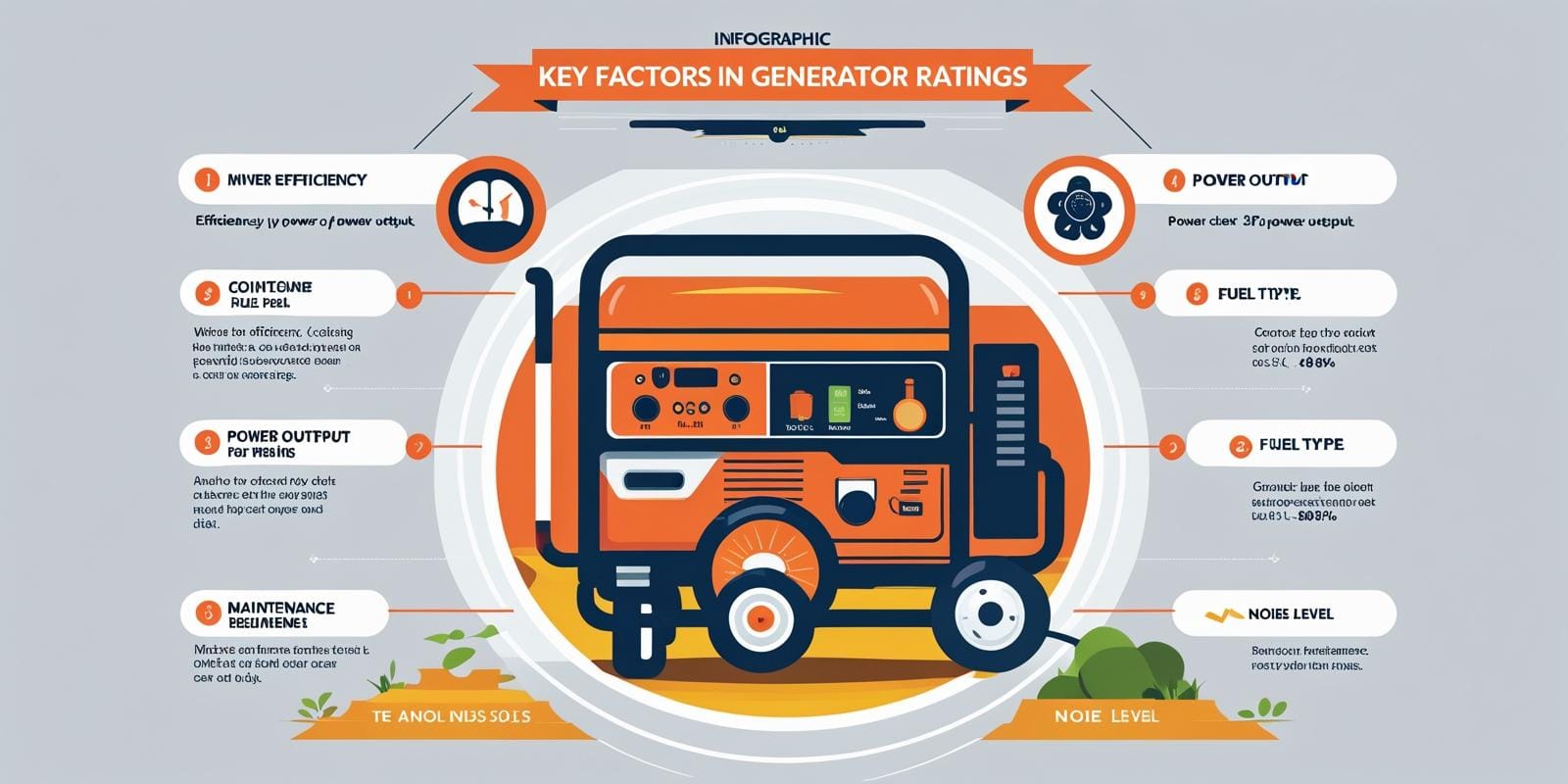
When it comes to choosing a generator, understanding how they are rated is crucial. You want to ensure that the generator you pick meets your specific needs, whether for home backup, outdoor activities, or job sites.
But what do those ratings really mean? We’ll break down the key factors that determine generator ratings, making it simple for you to make an informed decision. From wattage to fuel efficiency, knowing these details can save you time, money, and frustration.
By the end, you’ll feel confident in your ability to select the perfect generator for your situation. Let’s dive in and uncover the ratings that can power your life!
Generator Rating Basics
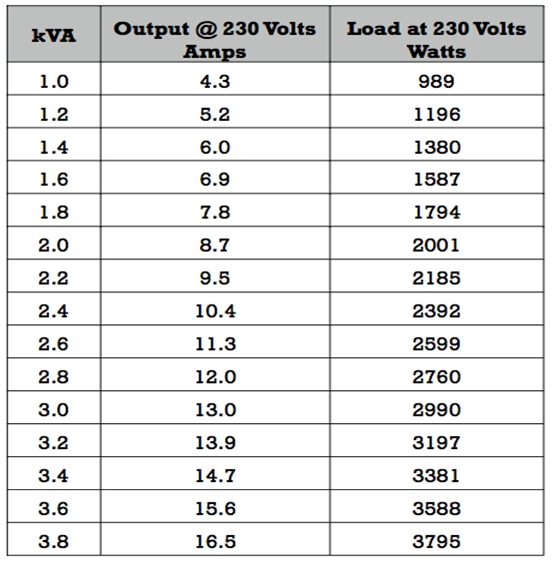
Generators are rated based on their power output and efficiency. Ratings often include kilowatts (kW) or kilovolt-amperes (kVA). Understanding these ratings helps users choose the right generator for their needs.
Understanding the basics of generator ratings is essential for selecting the right power source for your needs. Whether you’re preparing for an outage, planning a camping trip, or powering tools on a job site, knowing how generators are rated can save you time, money, and frustration.
What Generator Ratings Mean
Generator ratings indicate how much power a generator can produce. This power is usually measured in watts, which is crucial for determining whether a generator can handle your specific requirements. You might encounter terms like “starting watts” and “running watts.” Starting watts refer to the extra power needed to start appliances, while running watts is the continuous power your devices need. It’s vital to choose a generator that provides both. Consider a situation where you want to run a refrigerator and a few lights during an outage. If your refrigerator needs 1200 starting watts and 800 running watts, your generator should exceed these numbers to ensure everything functions smoothly.
Key Units Of Measurement
Generators are rated using several key units of measurement: – Watts (W): This is the primary measure of power. It’s important to understand both starting and running wattage. – Kilowatts (kW): One kilowatt equals 1,000 watts. This unit is often used for larger generators. – Amperes (A): This measures the flow of electric current. The relationship between watts, volts, and amperes is crucial. For example, if your generator produces 3000 watts and operates on 120 volts, it will provide about 25 amps. – Volts (V): Voltage indicates the electrical force that drives current through a circuit. Knowing the voltage requirements of your appliances helps in selecting the right generator. Understanding these units empowers you to make informed choices. You wouldn’t want to end up with a generator that can’t handle your essential devices, right? Take a moment to consider your power needs and the devices you plan to connect. This will guide you in choosing a generator that meets your specific requirements.
Power Output Categories
Generators are rated based on their power output. This rating helps users choose the right generator for their needs. Understanding these categories is essential for making informed decisions.
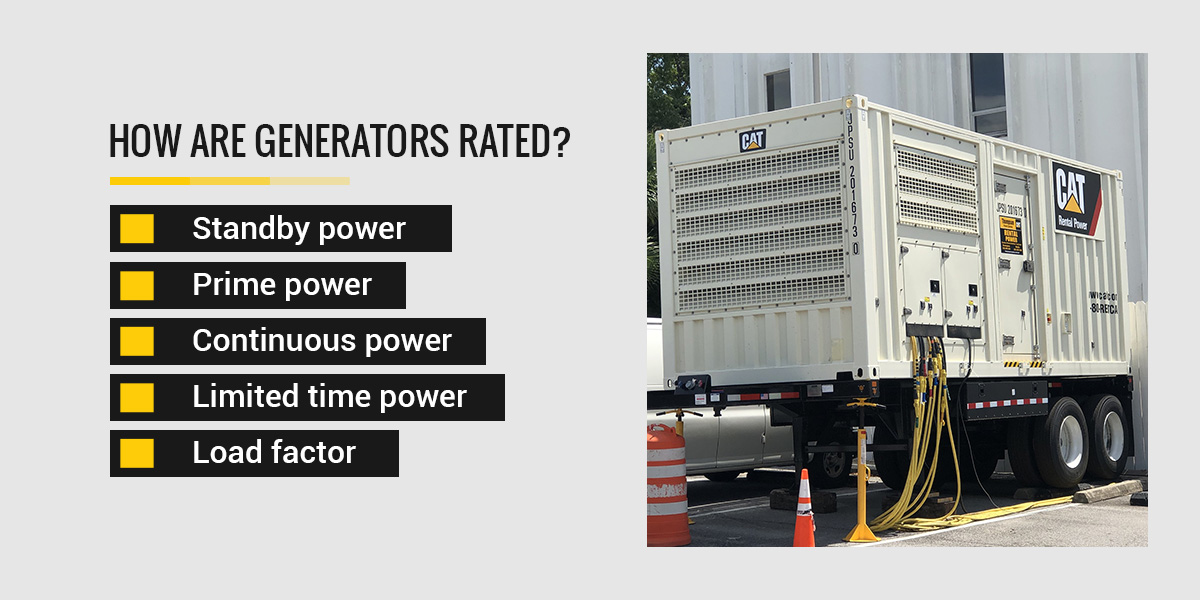
The three main power output categories are Continuous Power, Prime Power, and Standby Power. Each category serves a different purpose. Let’s explore each one.
Continuous Power
Continuous power rating refers to the output a generator can provide continuously. This rating is for applications needing a steady power supply. It is suitable for 24/7 operations.
Generators with a continuous power rating are designed for long-term use. They can handle varying loads without any issues. This rating indicates reliability over extended periods.
Prime Power
Prime power is used for applications with variable loads. This rating allows for a limited number of hours per year. It is ideal for remote locations where grid power is unavailable.
Generators rated for prime power can run for hours, but not continuously. They can handle peaks in demand effectively. This makes them suitable for construction sites and agricultural uses.
Standby Power
Standby power is the output a generator can provide during an outage. This rating is meant for backup purposes only. It is used when the main power source fails.
Generators with standby power ratings are not for continuous use. They are designed to kick in automatically. This ensures a smooth transition during power interruptions.
Fuel Type And Its Impact
Understanding how generators are rated is crucial for making the right choice for your needs. One significant factor is the fuel type used. The type of fuel can greatly affect performance, efficiency, and overall cost, influencing your decision on which generator to buy.
Diesel Generators
Diesel generators are known for their durability and longevity. They typically have a higher fuel efficiency compared to other options. This means you can get more power out of less fuel, making them a cost-effective choice in the long run.
However, consider the noise levels. Diesel generators can be quite loud, which might be an issue if you’re using one in a residential area. Maintenance is another factor; diesel engines require regular upkeep to ensure they run efficiently.
Gas Generators
Gas generators are popular for their convenience and lower initial costs. They are generally quieter than diesel generators and can be easier to start. If you’re looking for something portable, gas generators often weigh less and are easier to transport.
But keep in mind the fuel availability. Depending on your location, gas may not always be easy to find during emergencies. You also need to consider the efficiency; gas generators typically use more fuel for the same output compared to diesel generators.
Alternative Fuel Options
Alternative fuel options like propane and natural gas are becoming more common. These fuels tend to burn cleaner, producing fewer emissions, which is better for the environment. If you are eco-conscious, this could be a significant factor in your choice.
On the downside, alternative fuels might not provide the same power output as diesel or gas. Additionally, the infrastructure for refueling can be limited in some areas. Always assess your local resources before deciding on an alternative fuel generator.
What type of fuel will best meet your needs? Think about where and how you’ll use the generator. Your choice can greatly influence not just power availability, but also costs and environmental impact.

Credit: www.researchgate.net
Voltage And Frequency Standards
Generators are rated based on voltage and frequency standards. These ratings help determine how much power a generator can produce. Understanding these standards is essential for selecting the right generator for specific needs.
Understanding voltage and frequency standards is crucial when choosing a generator. These standards determine how well your generator performs and whether it’s suitable for your needs. Let’s dive into the specifics of voltage and frequency, and how they impact generator performance.
Single-phase Vs. Three-phase
Generators can be categorized into single-phase and three-phase systems. – Single-phase generators are commonly used in residential settings. They deliver power through a single alternating current (AC) waveform. – Three-phase generators are typically used in commercial and industrial applications. They provide power through three separate AC waveforms, which improves efficiency and performance. Choosing between single-phase and three-phase depends on your power needs. If you’re powering a small home, a single-phase generator is usually sufficient. However, for heavy machinery or larger buildings, three-phase is the way to go.
Global Frequency Differences
Frequency standards vary significantly around the world. In the United States, the standard frequency is 60 Hz, while in many parts of Europe, it is 50 Hz. This difference can affect the performance of your appliances and devices. For instance, a device designed for 60 Hz may not work properly or could even be damaged if plugged into a 50 Hz system. Are you aware of what frequency your devices require? Always check the specifications before connecting them to a generator. Understanding these standards can save you from costly mistakes and ensure your equipment runs smoothly.
Load Capacities And Limits
Generators are rated based on their load capacities and limits. This rating shows how much power they can provide safely. Understanding these ratings helps users choose the right generator for their needs.
Understanding the load capacities and limits of generators is crucial for ensuring they operate efficiently and safely. Knowing these parameters can prevent costly damages and downtime. Let’s dive into the specifics.
Understanding Load Types
Generators come with different load capacities, which can be classified into three main types: resistive, inductive, and capacitive. – Resistive loads include appliances like heaters and incandescent lights. They draw a steady amount of power. – Inductive loads are found in devices such as refrigerators and air conditioners. These require extra power to start, known as starting watts. – Capacitive loads are less common but can include certain types of electronic equipment. They may draw power differently compared to resistive and inductive loads. Understanding these types helps you choose the right generator. Have you ever considered what type of load your appliances represent? This knowledge can guide you in selecting a generator that meets your specific needs.
Overloading Risks
Overloading your generator can lead to serious risks. Exceeding its rated capacity can cause overheating and potential failure of the unit. This not only damages the generator but can also create safety hazards. It’s essential to calculate the total wattage of all devices you plan to connect. For instance, if your generator is rated for 5,000 watts, ensure the combined wattage of your appliances stays well below that limit. Create a simple checklist of devices with their wattage. Keep it handy when operating your generator. This practice can save you from unpleasant surprises and help maintain your generator’s longevity. Have you ever pushed your generator to its limits? Consider the potential consequences and think twice before doing so again. Always prioritize safety and efficiency for the best results.
Efficiency And Power Factor
Generators are essential for providing power. Understanding their efficiency and power factor is important. These factors determine how well a generator performs. A generator’s rating reflects its ability to convert fuel into usable energy. Knowing these concepts helps in choosing the right generator.
What Is Power Factor?
Power factor measures how effectively a generator uses electricity. It is the ratio of real power to apparent power. Real power does useful work, while apparent power is the total power supplied. A power factor of 1 means all power is used efficiently.
When the power factor is low, energy waste occurs. This situation can lead to higher costs. Generators with higher power factors are more efficient. They provide more useful power with less input.
Improving Generator Efficiency
Improving efficiency saves fuel and reduces costs. Regular maintenance is key to keeping generators running well. Clean air filters and oil changes enhance performance.
Choosing the right size generator matters. An oversized generator can waste energy. A properly sized generator operates at optimal efficiency.
Using quality fuel also boosts performance. Clean fuel ensures better combustion. This practice helps in maximizing power output.
Finally, consider load management. Balancing the load can improve the generator’s efficiency. Avoid overloading the generator to maintain its power factor.
Environmental Considerations
Generators are rated based on their efficiency and environmental impact. Factors like fuel type and emissions play a big role. Understanding these ratings helps users choose the right generator for their needs.
Environmental considerations are crucial when assessing how generators are rated. Understanding these aspects not only helps you choose the right generator but also ensures that you are making an environmentally responsible decision. Let’s dive into two key areas: noise levels and emissions standards.
Noise Levels
Noise pollution can be a significant concern with generators. If you’ve ever spent a weekend camping, you know how a loud generator can disrupt the tranquility of nature. Most portable generators operate at around 60 to 70 decibels, which is comparable to the sound of a normal conversation. When selecting a generator, look for models that emphasize quiet operation. Some manufacturers even provide decibel ratings. Opting for a generator with a lower noise level can enhance your experience, whether you’re using it for work or leisure. Do you want to enjoy a peaceful environment while staying powered up?
Emissions Standards
Generators release emissions that can harm the environment. Regulations like the EPA’s emissions standards help keep these pollutants in check. When choosing a generator, consider its fuel type. Diesel generators, while powerful, often emit more pollutants compared to their gasoline or propane counterparts. Look for generators that are certified as low-emission. These models usually have cleaner combustion engines and can significantly reduce your carbon footprint. Have you ever thought about the long-term impact your generator choice might have on air quality? By being mindful of both noise levels and emissions standards, you can select a generator that not only meets your power needs but also respects the environment.
Credit: thompsonpowersystems.com
Testing And Certification
Testing and certification are important for generators. They ensure safety and performance. Each generator must meet specific standards. These standards help users choose reliable machines.
Manufacturers carry out tests in factories. They check how well generators work. Third-party organizations also test generators. They confirm the results and give certifications. This process builds trust and transparency.
Factory Testing
Factory testing is the first step in the process. Manufacturers test generators before they leave the factory. They check power output, fuel efficiency, and noise levels. Each generator undergoes a series of tests. These tests ensure it meets the company’s quality standards.
Technicians look for defects or issues. They run the generator under different loads. This process helps identify any potential problems. It ensures the generator will perform well in real-world conditions.
Third-party Certification
Third-party certification adds another layer of trust. Independent organizations test generators for safety and performance. They follow strict guidelines to assess the equipment. This helps ensure the generator meets national and international standards.
Choosing The Right Generator
Choosing the right generator is important for your needs. A good generator provides power when you need it. It can be confusing with many options available. Understanding how to choose the right one helps you make a smart decision.
Sizing The Generator
Generator size matters. A generator too small won’t power your devices. A generator too large can waste fuel and money. Start by listing the devices you want to power. Add up their wattage to find the total. Consider extra wattage for starting appliances.
Generators are rated in watts. You will see two numbers: running watts and starting watts. Running watts power devices continuously. Starting watts are needed for devices that need a boost to start. Choose a generator that meets both needs.
Matching Application Needs
Every situation is different. Your generator should match your specific needs. Think about where you will use it. Will you use it at home or on a job site? Will you need it for camping or for an emergency?
Look for features that fit your needs. Some generators are portable. Others are stationary. Some run on gasoline, while others use propane or diesel. Choose based on convenience and availability of fuel.
Check the noise level too. Some generators are quieter than others. If you need it for camping, a quieter model is better. For home use, noise may not matter as much. Make a choice that fits your lifestyle.
Credit: engineering.electrical-equipment.org
Frequently Asked Questions
How Is Generator Power Measured?
Generator power is typically measured in watts or kilowatts. This measurement indicates the maximum power output the generator can provide. Understanding this rating helps users select the right generator for their needs. Always consider both starting and running wattage when evaluating generator capacity.
What Do Generator Ratings Mean?
Generator ratings refer to the generator’s capacity to produce electricity. Common ratings include continuous and surge power. Continuous power is the amount the generator can maintain consistently. Surge power represents the extra power needed for short periods, essential for starting heavy appliances.
How Do I Choose The Right Generator Rating?
Choosing the right generator rating involves assessing your power needs. Calculate the total wattage of devices you want to run. Consider both starting and running wattage for accurate selection. It’s crucial to choose a generator that exceeds your calculated requirements for optimal performance.
What Is The Difference Between Starting And Running Watts?
Starting watts refer to the initial power needed to start an appliance. Running watts, on the other hand, is the continuous power required to keep it operating. Generators have different ratings for both, and understanding this difference is essential for selecting the correct generator.
Conclusion
Understanding how generators are rated is important for choosing the right one. Ratings help you know the power output and efficiency. Always check the wattage and fuel type. Consider your needs for home or work. This knowledge ensures you select a generator that fits well.
A good choice provides reliability and peace of mind. Take your time to compare options before buying. A well-rated generator can make a big difference in your daily life. Stay informed, and make decisions that suit your needs best.