
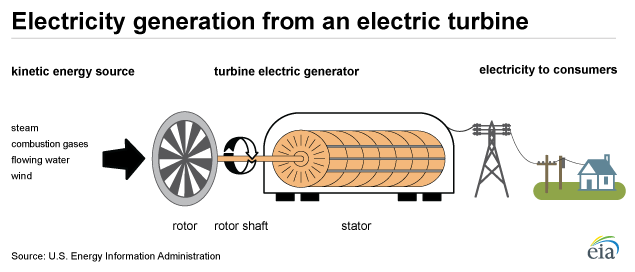
Have you ever wondered how generators produce electricity? It’s a fascinating process that powers our homes, businesses, and even our adventures.
Whether you rely on a generator during a power outage or use one for camping, understanding how they work can deepen your appreciation for this essential technology. We’ll break down the steps involved in electricity generation, making it easy for you to grasp the concepts.
By the end, you’ll not only know how generators function but also feel more confident in choosing the right one for your needs. Curious about the mechanics behind it all? Let’s dive in!

Credit: www.gz-supplies.com
How Generators Work
Generators produce electricity by converting mechanical energy into electrical energy. They use fuel to create motion, usually through an engine. This motion spins a rotor inside a magnetic field, generating an electric current that powers devices and appliances. Understanding this process helps explain how we get electricity from generators.
Understanding how generators work can be fascinating. They transform mechanical energy into electrical energy, which powers our homes and businesses. Let’s break down the process into digestible parts.The Role Of Mechanical Energy
Mechanical energy is the driving force behind generators. This energy often comes from various sources, like wind, water, or engines. When you turn the handle of a portable generator, you’re creating mechanical energy. This energy is crucial, as it sets the whole process in motion. You might have noticed how a bicycle dynamo works while pedaling. Your pedaling provides the mechanical energy needed to generate electricity for the bike’s lights.Conversion To Electrical Energy
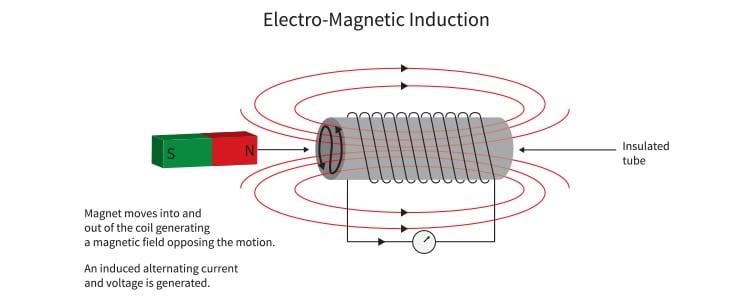
Once mechanical energy is produced, the next step is conversion. Generators use electromagnetic induction to change mechanical energy into electrical energy. This process involves rotating a coil of wire within a magnetic field. The movement induces an electric current, which is then directed to where it’s needed. Have you ever seen a wind turbine? The blades spin, turning a generator inside that converts wind energy into usable electricity. It’s an impressive sight when you realize how nature’s force can be harnessed.Key Components Involved
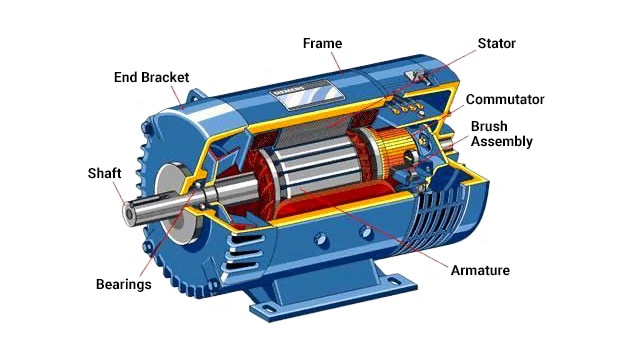
Several key components make up a generator, each playing a vital role in electricity production: – Rotor: This is the rotating part of the generator. It spins within the magnetic field, creating the electric current. – Stator: The stationary part that houses the coils of wire. It captures the current generated by the rotor. – Magnet: Essential for creating the magnetic field. It can be a permanent magnet or an electromagnet. – Engine: Provides the mechanical energy needed to turn the rotor. Understanding these components helps you appreciate the complexity of generators. Have you ever thought about what goes into powering your home? Knowing how these parts work together can deepen your appreciation for the energy you use every day.Types Of Generators
Generators produce electricity by converting mechanical energy into electrical energy. Different types of generators, such as portable, inverter, and diesel generators, use various fuel sources. Each type functions by using a rotating magnet or coil to create an electric current.
Understanding the different types of generators is crucial when you’re looking to produce electricity effectively. Each type serves a unique purpose, whether you’re powering your home during an outage or using a generator on a job site. Knowing these differences can help you make an informed decision that meets your specific needs.Ac Generators
AC generators, also known as alternators, produce alternating current. This type of generator is widely used in power plants to supply electricity to homes and businesses. They work by rotating a coil within a magnetic field, generating an electric current as the coil cuts through the magnetic lines. Many appliances in your home run on AC power, making these generators essential for everyday use.Dc Generators
DC generators produce direct current, which flows in one direction. They are often used in applications where stable voltage is crucial, such as in battery charging systems. These generators operate by using a commutator to convert the alternating current produced into direct current. If you’ve ever used a battery-powered device, chances are a DC generator played a role in charging that battery.Portable Vs. Standby Generators
Portable generators are versatile and can be moved easily, making them perfect for camping trips or temporary power needs. They usually run on gasoline and provide enough electricity to power essential appliances. Standby generators, on the other hand, are permanently installed and kick in automatically during a power outage. They run on natural gas or propane, providing a seamless power supply to your home. Have you ever faced a power outage? Understanding the differences between these generators can help you decide which one is right for your situation. Choosing the right generator can enhance your comfort and security. What will you power with your generator?Key Parts Of A Generator
Generators are complex machines that convert mechanical energy into electrical energy. Understanding their key parts helps us see how they work. Each component plays a vital role in producing electricity efficiently.
Rotor And Stator
The rotor and stator are essential parts of a generator. The rotor is the rotating part. It spins inside the generator. The stator is the stationary part. It surrounds the rotor.
As the rotor spins, it creates a magnetic field. This magnetic field interacts with the stator. This interaction generates electricity. The design and materials of both parts affect efficiency.
Fuel System
The fuel system powers the generator. It supplies the energy needed for the rotor to spin. Different generators use various fuels. Common options include gasoline, diesel, and natural gas.
The fuel system includes a fuel tank, pump, and filter. The tank stores the fuel. The pump moves fuel to the engine. The filter cleans the fuel before it enters the engine. This ensures smooth operation and longevity.
Voltage Regulator
The voltage regulator controls the electricity output. It ensures that the generator produces a stable voltage. This is important for protecting electrical devices.
The regulator monitors the output voltage. It adjusts the generator’s operation as needed. This keeps the power supply consistent and safe.
The Principle Of Electromagnetic Induction
Electromagnetic induction is the process where a changing magnetic field creates electricity. Generators use this principle to convert mechanical energy into electrical energy. As magnets move past coils of wire, they produce an electric current, powering homes and devices.
The Principle of Electromagnetic Induction is the cornerstone of how generators produce electricity. This fascinating principle explains how a change in magnetic fields can create electrical energy. Understanding this concept can significantly enhance your appreciation of the technology powering your home and devices.Faraday’s Law In Action
Faraday’s Law states that a change in magnetic flux through a circuit induces an electromotive force (EMF). Think of it as a dance between electricity and magnetism. When a conductor, such as a copper wire, moves through a magnetic field, electrons in the wire begin to move, generating electricity. Imagine holding a wire and moving it through a strong magnet. You can feel a slight push; that’s the electromagnetic induction at work. This simple action is the foundation of how generators operate.The Role Of Magnetic Fields
Magnetic fields play a crucial role in generating electricity. They provide the environment needed for the movement of electrons. In generators, magnets are either permanent or electromagnets. As the generator spins, the magnetic field around the coils of wire changes. This constant change is what keeps the electrons flowing. If you’ve ever felt the thrill of seeing a light bulb illuminate with just a flick of a switch, you’ve witnessed electromagnetic induction in action. Wouldn’t it be interesting to consider how this principle impacts your daily life? Every time you turn on your devices, remember the unseen forces at work, transforming mechanical energy into electrical energy right before your eyes.Energy Sources For Generators
Generators produce electricity by converting energy from various sources. Common energy sources include gasoline, diesel, natural gas, and renewable options like solar or wind. The generator uses this energy to create mechanical power, which then generates electrical power for your needs.
Understanding how generators produce electricity starts with recognizing the various energy sources that power them. Each source has its strengths and weaknesses, influencing efficiency, cost, and environmental impact. Let’s dive into the different energy sources for generators.Fossil Fuels
Fossil fuels remain the most common energy source for generators. These include coal, natural gas, and oil. They are widely used because they are readily available and can produce a large amount of energy quickly. Using fossil fuels, generators convert chemical energy into mechanical energy. This process typically involves combustion, where fuel is burned to create steam that drives a turbine. While effective, reliance on fossil fuels raises important questions about sustainability. Have you considered how using these fuels affects the environment?Renewable Sources
Renewable energy sources are gaining popularity as sustainable alternatives. Solar, wind, hydroelectric, and biomass are key players in this category. They offer a cleaner way to generate electricity. Solar panels convert sunlight directly into electricity, making them a popular choice for residential use. Wind turbines harness the power of the wind, efficiently generating energy in open areas. Using renewable sources can reduce your carbon footprint. Are you ready to explore how these options could benefit your energy needs?Hybrid Systems
Hybrid systems combine multiple energy sources to enhance efficiency and reliability. For instance, a generator might use both solar power and fossil fuels. This approach allows for flexibility and can help reduce operational costs. By integrating different sources, hybrid systems ensure a more stable energy supply. They can switch between sources based on availability and demand. Have you thought about how hybrid systems could meet your energy needs more effectively? This combination might just be the future of power generation.Common Uses Of Generators
Generators are useful devices. They produce electricity for many situations. Understanding their common uses helps you see their importance. Let’s explore the main ways generators are used.
Home Backup Power
Many households use generators for backup power. They provide electricity during outages. This ensures that your lights stay on. It keeps your refrigerator running. It also powers essential devices.
Home generators come in different sizes. Some are small and portable. Others are larger and can power the whole house. Families can choose based on their needs.
Industrial Applications
Generators play a key role in industries. They support operations in factories and construction sites. Reliable power is crucial for machinery and equipment.
Industries often need electricity for long hours. Generators ensure that production does not stop. They can run on diesel, gas, or propane. This flexibility helps meet energy demands.
Emergency And Disaster Recovery
Generators are vital in emergencies. They provide power after natural disasters. When the grid fails, generators help communities recover.
Rescue teams use them in the field. They supply electricity for medical equipment and shelters. Generators help keep people safe and comfortable during crises.
Maintenance And Efficiency
Generators need regular care to run well. Good maintenance helps them work better and last longer. Proper upkeep can save fuel. It also reduces the chance of breakdowns. Understanding how to maintain a generator is key for users.
Regular Servicing
Regular servicing is vital for your generator. Schedule checks every few months. A qualified technician can inspect the engine, fuel system, and electrical parts. They can spot problems before they grow. This helps keep your generator in top shape.
Changing the oil is important too. Dirty oil can harm the engine. Replace the oil and oil filter as per the manual. Clean air filters improve airflow. This helps your generator run efficiently.
Improving Fuel Efficiency
Fuel efficiency matters for cost and the environment. Keep the generator clean to enhance performance. Dust and dirt can cause it to use more fuel. Use high-quality fuel that meets the generator’s requirements. This can improve efficiency.
Avoid overloading the generator. Running it at full capacity can waste fuel. Find the right size generator for your needs. This will help maintain better fuel efficiency.
Troubleshooting Common Issues
Generators can face issues. Knowing how to troubleshoot helps. Start by checking the fuel level. Low fuel can stop the generator from starting. Inspect the battery too. A weak battery may need charging or replacement.
Listen for strange noises. They can indicate problems. Check for leaks around the fuel lines. Fixing these issues early can prevent bigger problems. Regular checks can save time and money in the long run.
Credit: www.electricgeneratorsdirect.com
Credit: www.electricgeneratorsdirect.com
Frequently Asked Questions
How Do Generators Create Electricity?
Generators create electricity by converting mechanical energy into electrical energy. This process usually involves rotating a coil within a magnetic field. As the coil spins, electrons are pushed through the wire, creating an electric current. This principle is based on electromagnetic induction, discovered by Michael Faraday.
What Are The Main Types Of Generators?
The main types of generators include portable, standby, and inverter generators. Portable generators are designed for temporary use, while standby generators provide backup power for homes. Inverter generators deliver clean energy suitable for sensitive electronics. Each type serves specific needs based on power requirements and usage.
What Fuels Do Generators Use?
Generators can run on various fuels, including gasoline, diesel, natural gas, and propane. The choice of fuel affects efficiency and running time. Gasoline generators are popular for portability, while diesel generators are preferred for heavy-duty applications. Natural gas generators are often used for stationary power needs.
How Efficient Are Generators?
Generator efficiency varies by type and fuel source. Typically, most generators operate between 60% to 90% efficiency. Factors like load, maintenance, and age also influence performance. Regular maintenance ensures optimal efficiency, maximizing the generator’s power output and extending its lifespan.
Conclusion
Generators play a vital role in our daily lives. They convert mechanical energy into electrical energy. Understanding how they work helps us appreciate this technology. From small portable units to large industrial machines, generators serve many purposes. They provide power during outages and support various industries.
Knowing the basics can help you choose the right generator for your needs. Whether for home use or business, generators ensure a reliable power supply. Explore your options and make an informed decision. Keep learning about electricity and its generation methods.
This knowledge empowers you to use energy wisely.