

Are you ready to power up your life? Starting a generator can seem daunting if you’ve never done it before.
But don’t worry! This guide will walk you through the process step-by-step. You’ll learn everything you need to know, from preparing your generator to firing it up safely. Imagine having reliable backup power whenever you need it. That peace of mind is just a few minutes away.
Stick with us, and you’ll feel confident and empowered to start your generator like a pro. Let’s get started!
Choosing The Right Location
Finding the right place for your generator is very important. The location affects safety, performance, and convenience. A good spot can make using your generator easy and safe.
Safety Considerations
Safety should always come first. Place your generator outside. It needs fresh air to run properly. Keep it at least 20 feet away from your home. This distance helps prevent carbon monoxide from entering your house.
Avoid placing the generator near windows or vents. This keeps harmful fumes away. Check the area for dry leaves or flammable materials. These can catch fire easily.
Accessibility Factors
Choose a spot that is easy to reach. You may need to refuel or check it often. Clear paths make this easier. Avoid muddy or uneven ground that makes access difficult.
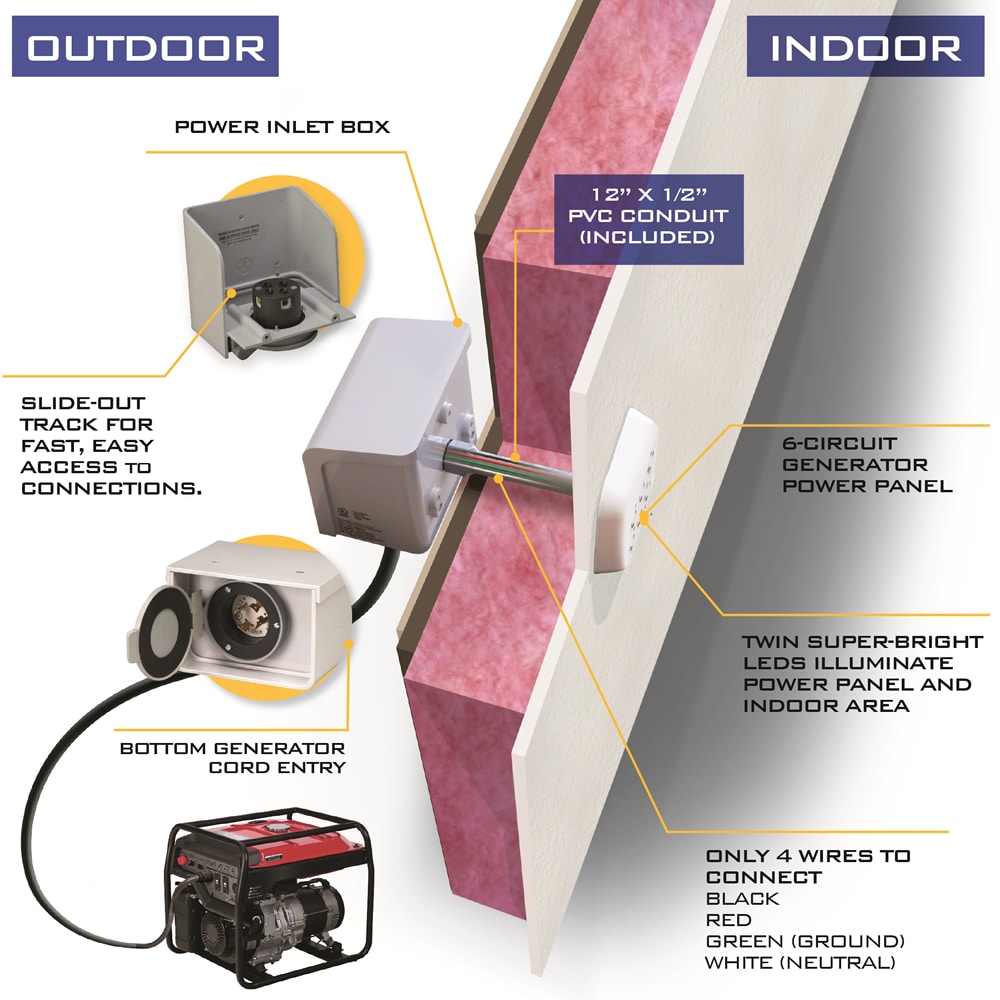
Consider where the power will go. It should connect easily to your home’s power system. Think about your extension cords too. They need to reach the generator without strain.
Credit: www.electricgeneratorsdirect.com
Inspecting Your Generator
Before starting your generator, inspection is key. A quick check can prevent problems. Make sure everything is in good shape. This ensures safe and efficient operation.
Checking Fuel Levels
Start by checking the fuel level. Open the fuel cap and look inside. If the tank is low, refill it with the right fuel. Avoid mixing different types of fuel. This can cause engine issues.
Use fresh fuel for best results. Old fuel can create problems. If the fuel smells stale, replace it. Always keep the fuel cap secure to prevent spills.
Examining Electrical Connections
Next, examine the electrical connections. Look for loose or damaged wires. Tighten any connections that seem loose. Check for signs of corrosion on terminals.
Corroded connections can cause power loss. Clean any corrosion carefully with a wire brush. Ensure all plugs and sockets are dry and secure.
Doing these checks helps ensure your generator runs smoothly.
Preparing For Startup
Starting a generator requires careful preparation. Proper steps ensure smooth operation. Follow these guidelines to avoid issues.
Understanding Control Panel Settings
The control panel is the brain of the generator. Familiarize yourself with its buttons and displays. Check the power settings before starting.
Look for indicators like voltage and frequency. Make sure they are within safe limits. Adjust settings according to your needs.
Read the manual for specific instructions. Each generator model may differ slightly. Knowing your panel helps in effective operation.
Using Proper Startup Sequence
Follow the correct startup sequence. This ensures the generator starts without problems. First, turn on the fuel supply. Then, check the oil levels.
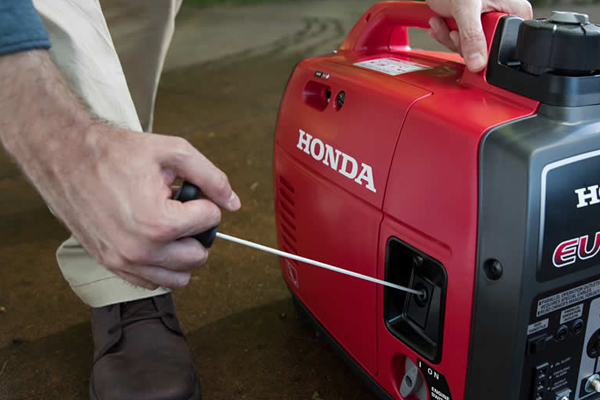
Next, set the control panel to the correct mode. Some generators have a start button. Others may require a manual pull.
Wait for the preheat cycle, if necessary. Once ready, engage the start button. Monitor the generator as it powers up.
Ensure all systems are functioning correctly. Listen for unusual noises or vibrations. Address any issues before use.
Maintaining Optimal Performance
Maintaining optimal performance of your generator is crucial for reliability and efficiency. Regular attention can extend its lifespan and ensure it runs smoothly when you need it most. Let’s dive into some practical tips that can make a significant difference.
Regular Maintenance Tips
Start with a routine check-up. Make it a habit to inspect your generator every month. Look for signs of wear and tear, and ensure all connections are secure.
- Change the oil:Regular oil changes help keep the engine clean and lubricated.
- Check the air filter:A clean air filter improves performance. Replace it if it’s dirty.
- Inspect the spark plugs:Worn or fouled spark plugs can lead to starting issues. Replace them as needed.
- Run it regularly:Start your generator at least once a month. This helps keep the parts moving and prevents fuel from going stale.
Have you ever faced a situation where your generator wouldn’t start during a power outage? Regular maintenance can help prevent those frustrating moments. Stay proactive to avoid surprises.
Troubleshooting Common Issues
Even with the best maintenance, issues can still arise. Knowing how to troubleshoot can save you time and frustration.
- Generator won’t start:Check the fuel level and ensure there’s no blockage in the fuel line.
- Power flickers:This could indicate overload. Reduce the load to see if it stabilizes.
- Excessive noise:Unusual sounds may signal a mechanical problem. Turn it off and inspect the components.
Have you noticed any strange noises or performance drops? Addressing these issues quickly can prevent bigger problems down the line. Keep your generator ready for action at all times.
Safety Guidelines
Starting a generator safely is essential. First, check the fuel and oil levels. Then, ensure the area is well-ventilated. Follow the manufacturer’s instructions closely for proper starting procedures. Always keep the generator away from flammable materials. Wear protective gear to avoid accidents.
Lastly, inspect for any issues before use.
Safety is paramount when operating a generator. Proper safety guidelines can protect you from accidents and ensure smooth operation. Here are some crucial safety tips to keep in mind.Handling Emergencies
In an emergency, knowing how to quickly and safely handle your generator can make all the difference. Always keep a fire extinguisher nearby. If you smell gas or notice a leak, turn off the generator immediately and ventilate the area. Stay calm and assess the situation. If you need to move the generator, make sure it’s cool to the touch before handling it. Remember, your safety comes first. Familiarize yourself with the generator’s manual. It often contains emergency procedures specific to your model. This knowledge can help you react quickly and effectively during a crisis.Avoiding Overloads
Overloading your generator can lead to serious damage and safety hazards. Always check the wattage requirements of your appliances before connecting them. Make a list of what you need to power and ensure it doesn’t exceed the generator’s capacity. Using a wattage meter can be helpful. It gives you real-time feedback on how much power you’re using. This simple tool can prevent accidents and prolong the life of your generator. Try to connect only essential appliances during a power outage. Items like refrigerators, lights, and medical equipment should take priority. This approach not only avoids overload but also ensures you have what you need most during an emergency. Are you prepared to handle emergencies with your generator? Understanding these safety guidelines will help you operate confidently and responsibly.
Credit: www.youtube.com
Credit: generatorstore.com.au
Frequently Asked Questions
How Do I Start My Generator Safely?
To start your generator safely, first ensure it’s outdoors and away from flammable materials. Check the fuel level and ensure all connections are secure. Turn on the fuel valve, set the choke to the correct position, and pull the starter cord.
Always follow the manufacturer’s instructions.
What Fuel Do I Need For My Generator?
Most portable generators run on gasoline. Some models may use propane or diesel. Always refer to the owner’s manual for the recommended fuel type. Using the wrong fuel can damage the engine and void the warranty. Ensure the fuel is fresh for optimal performance.
How Often Should I Run My Generator?
You should run your generator at least once a month. This helps keep the engine lubricated and ensures it functions correctly. Running it periodically also allows you to check for any issues. Always run the generator under load to keep it in good working condition.
What Maintenance Does A Generator Need?
Routine maintenance includes checking the oil level, cleaning or replacing the air filter, and inspecting the spark plug. Also, ensure the fuel system is clean. Regularly test the generator by running it to identify any potential problems. Refer to the manual for specific maintenance schedules.
Conclusion
Starting a generator is simple with the right steps. Follow the instructions carefully. Check fuel and oil levels before turning it on. Always make sure the area is safe. Keep children and pets away. Start with the choke on, then switch it to run.
After starting, monitor for any issues. Knowing how to start your generator helps during power outages. You can provide comfort and light when needed. Use this guide anytime you need to start your generator. Stay safe and prepared.