
When you think about wind turbines, what comes to mind? Perhaps the towering blades spinning gracefully in the breeze or the clean energy they produce.
But have you ever wondered what type of generator powers these remarkable structures? Understanding the generator used in wind turbines is essential for grasping how they convert wind energy into electricity. This knowledge not only enhances your appreciation of renewable energy but also empowers you to make informed choices about sustainable practices.
You’ll discover the different types of generators used in wind turbines, how they work, and why they matter. Let’s dive in and unlock the secrets behind the technology that harnesses the power of the wind!
Types Of Generators In Wind Turbines
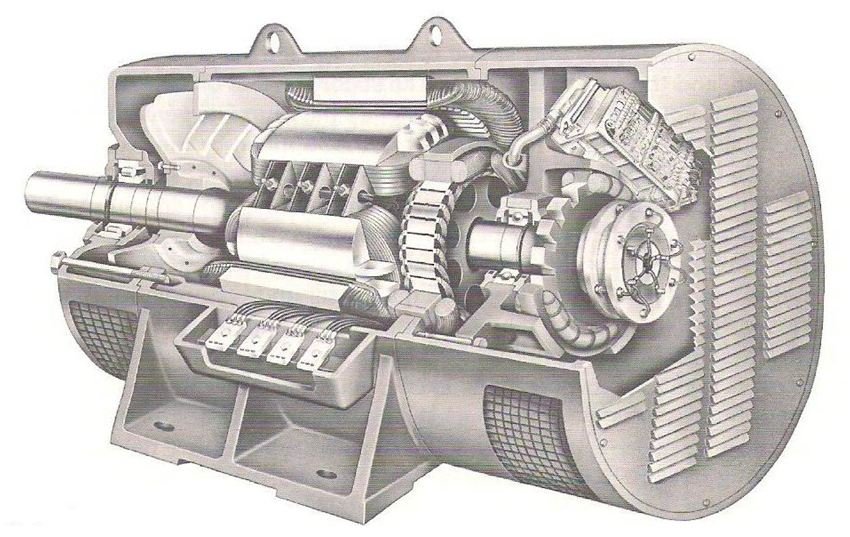
Wind turbines use different types of generators to convert wind energy into electricity. The most common are synchronous and asynchronous generators. Each type has its own advantages, impacting efficiency and performance in various wind conditions.
Understanding the types of generators used in wind turbines is key to grasping how these machines convert wind energy into electricity. Each generator type has distinct characteristics that affect efficiency, cost, and maintenance. Let’s take a closer look at the two main types of generators found in wind turbines: synchronous generators and asynchronous generators.Synchronous Generators
Synchronous generators operate at a constant speed. They are designed to produce electricity in synchrony with the grid frequency. This means they deliver a steady output, which is crucial for maintaining grid stability. These generators are typically more efficient than their counterparts. They can be connected directly to the grid, making them a popular choice for large wind farms. However, they require more complex control systems and can be more expensive to install and maintain. If you’re considering a wind turbine investment, think about the long-term benefits of using a synchronous generator. The initial costs may be higher, but the efficiency gains can lead to better returns over time.Asynchronous Generators
Asynchronous generators, also known as induction generators, are a different story. They operate at varying speeds, which allows them to adjust to changing wind conditions. This adaptability can be an advantage in regions with inconsistent wind patterns. These generators are generally simpler and less expensive. They don’t require complex control systems and can be easier to maintain. However, their efficiency may not match that of synchronous generators, especially at lower wind speeds. Have you ever considered how the choice of generator affects your energy production? Understanding the nuances can help you make informed decisions about which technology suits your needs best. Ultimately, the generator type you choose will depend on various factors, including location, budget, and energy goals. Each option has its strengths and weaknesses, so weigh them carefully to find the best fit for your wind energy project.
Credit: www.intechopen.com
Permanent Magnet Generators
Permanent magnet generators are often used in wind turbines. They convert wind energy into electricity efficiently. These generators are known for their reliability and low maintenance needs, making them a popular choice in renewable energy systems.
Permanent Magnet Generators (PMGs) are an essential component in modern wind turbines. They harness wind energy efficiently, converting it into electrical power with minimal losses. Their design enables them to perform well in varying wind conditions, making them a popular choice in the renewable energy sector.Advantages Of Permanent Magnets
One of the main benefits of PMGs is their high efficiency. They have fewer moving parts compared to traditional generators, which means less wear and tear. – Low Maintenance: With fewer components, maintenance needs are significantly reduced. This saves time and money. – Compact Size: PMGs are smaller and lighter than other types of generators. This allows for easier installation on wind turbines without compromising structural integrity. – Improved Performance: They provide consistent power output, even at low wind speeds. This reliability is crucial for maximizing energy capture. These advantages make PMGs an attractive choice for wind turbine manufacturers and operators.Applications In Modern Turbines
You’ll find PMGs in a variety of modern wind turbine designs. They are especially favored in small to medium-sized turbines, where space and efficiency are paramount. – Offshore Wind Farms: PMGs are increasingly used in offshore installations. Their durability and efficiency in harsh marine environments are unmatched. – Urban Wind Turbines: In cities, where space is limited, PMGs fit perfectly. They allow for the installation of turbines in smaller areas without sacrificing performance. – Hybrid Systems: Many renewable energy systems combine wind and solar. PMGs work well in these setups, ensuring a steady power supply regardless of conditions. As you consider the future of renewable energy, think about how PMGs can enhance your energy strategy. Would incorporating this technology into your plans make sense for your energy needs?Doubly-fed Induction Generators
Doubly-Fed Induction Generators (DFIG) play a key role in wind energy. They allow wind turbines to convert wind energy into electricity. This technology is efficient and widely used in modern wind farms.
The main feature of DFIG is its ability to operate at varying speeds. This flexibility helps maximize energy capture from changing wind conditions. It is an important aspect of harnessing wind power effectively.
How They Work
DFIGs consist of a rotor and a stator. The rotor spins at a variable speed. The stator remains connected to the power grid. This design allows for efficient energy transfer.
DFIGs connect to the grid through a power converter. The converter adjusts the power output. It enables the generator to maintain stable frequency and voltage.
The rotor receives power from both the grid and the wind. This dual source enhances performance. It allows the generator to respond quickly to wind speed changes.
Benefits In Wind Power Systems
DFIGs offer several advantages in wind power systems. They improve energy efficiency. This means more power generated from the same wind conditions.
They allow for better control of energy output. This feature helps in grid stability. Wind farms can operate smoothly even during variable wind conditions.
DFIGs have lower operational costs. They require less maintenance than other types of generators. This makes them a cost-effective choice for wind energy producers.
Lastly, DFIGs contribute to lower emissions. They enable cleaner energy production. This supports global efforts for sustainable energy solutions.
Direct Drive Generators
Direct drive generators play a key role in wind turbines. They convert wind energy into electricity without the need for a gearbox. This design simplifies the system and enhances reliability. These generators are becoming popular in modern wind power systems.
Gearbox-free Design
One major advantage of direct drive generators is the gearbox-free design. Traditional turbines use gearboxes to increase rotation speed. This can lead to wear and tear over time. In direct drive systems, the generator connects directly to the rotor. This reduces mechanical parts and minimizes failure points.
The absence of a gearbox lowers maintenance needs. It also improves the overall lifespan of the turbine. Direct drive designs can operate efficiently in various wind conditions. They provide steady power output with less noise.
Efficiency And Maintenance
Direct drive generators offer high efficiency. They can convert more wind energy into usable electricity. Fewer moving parts lead to less friction. This increases overall energy output.
Maintenance is easier with direct drive systems. Technicians can access components quickly. This saves time and reduces costs. Overall, direct drive generators are a smart choice for wind energy.
Comparison Of Generator Types
Understanding the various types of generators used in wind turbines can significantly impact your decisions about renewable energy. Each generator type has its own strengths and weaknesses, influencing cost, performance, and adaptability to varying wind conditions. This comparison will help you determine which generator best suits your needs.
Cost And Performance
Cost is a crucial factor when selecting a generator for wind turbines. The two most common types are synchronous and asynchronous (or induction) generators. Generally, asynchronous generators are less expensive upfront, making them attractive for budget-conscious projects.
However, performance varies. Synchronous generators typically offer better efficiency at higher wind speeds. They can convert more energy into electricity, which is essential for maximizing output and reducing long-term operational costs.
- Synchronous Generators:Higher efficiency, suitable for larger projects, better performance at high wind speeds.
- Asynchronous Generators:Lower initial cost, easier maintenance, good for smaller installations.
Consider your specific needs. Are you planning a large installation or a smaller one? Your choice can significantly affect your return on investment.
Suitability For Different Wind Speeds
Wind speed variability plays a vital role in generator selection. Synchronous generators excel in high-wind scenarios, enabling them to harness more energy effectively. In contrast, asynchronous generators perform well in moderate winds but may struggle in low or high-speed conditions.
Imagine setting up a wind farm in a region known for erratic wind patterns. An asynchronous generator might serve you well if most of your wind speeds are moderate. However, if you’re in a high-wind area, a synchronous generator can maximize energy capture.
Evaluate the wind profile of your location. Understanding your environment will guide you in selecting the right generator type. You want to ensure that your investment works efficiently in the conditions you face.

Credit: www.researchgate.net
Factors Influencing Generator Choice
Choosing the right generator for a wind turbine is crucial. Several factors come into play. Each factor affects efficiency, performance, and costs. Understanding these factors can help in making a smart choice.
Turbine Size And Capacity
The size of the wind turbine matters. Larger turbines need generators that can handle more power. Smaller turbines can use less powerful generators. Capacity impacts how much energy is produced. A mismatch can lead to poor performance.
Grid Connection Requirements
Grid connection needs influence generator choice. Different regions have different standards. Some areas require specific voltage levels. Others need certain frequencies. The generator must meet these requirements to connect to the grid.
Environmental Conditions
Environmental factors play a big role. Wind speed and direction affect generator selection. Areas with strong winds may need robust generators. Turbines in harsh climates need durable designs. Weather conditions impact maintenance and lifespan.
Future Trends In Wind Turbine Generators
The future of wind turbine generators holds exciting possibilities. Technology is evolving rapidly. New designs and materials are emerging. These changes aim to improve performance and efficiency. Wind energy will play a vital role in sustainable power. Understanding these trends helps in grasping the future of energy.
Technological Innovations
Innovations in technology are shaping wind turbine generators. New types of generators are being developed. Direct drive generators eliminate the need for gears. This design reduces maintenance costs and increases reliability.
Advanced materials are also being used. Lighter and stronger materials improve turbine efficiency. These materials can withstand harsh weather conditions. This leads to longer-lasting turbines with better output.
Smart technology is another trend. Sensors and data analytics enhance performance monitoring. Real-time data helps in predicting maintenance needs. This ensures turbines run smoothly and efficiently.
Sustainability And Efficiency Goals
Sustainability is at the forefront of wind turbine development. The goal is to reduce carbon footprints. New designs focus on using recyclable materials. This minimizes waste and environmental impact.
Efficiency goals are also important. Manufacturers aim for higher energy conversion rates. This means more electricity from less wind. Increased efficiency benefits both the environment and energy costs.
Governments and companies are investing in research. They seek ways to improve wind turbine performance. The future looks bright for wind energy and sustainability.
Credit: www.alternative-energy-tutorials.com
Frequently Asked Questions
What Type Of Generator Is Used In Wind Turbines?
Wind turbines commonly use synchronous and asynchronous generators. Synchronous generators maintain a constant speed and are suitable for large turbines. Asynchronous generators, also known as induction generators, are more widely used in smaller turbines due to their simplicity and cost-effectiveness.
Both types effectively convert wind energy into electricity.
How Does A Wind Turbine Generator Work?
A wind turbine generator converts kinetic energy from wind into electrical energy. As wind turns the turbine blades, the rotor spins the generator. This rotation induces electrical current in the generator’s coils. The generated electricity is then transmitted to the power grid or stored for later use, depending on the system design.
Why Are Synchronous Generators Used In Wind Energy?
Synchronous generators are favored for large wind farms due to their efficiency. They can provide stable voltage and frequency, essential for grid compatibility. Additionally, they allow for better control over power output. This makes them suitable for large-scale energy production in renewable energy systems.
What Are The Benefits Of Using Induction Generators?
Induction generators are popular for their simplicity and cost-effectiveness. They have fewer moving parts, leading to lower maintenance costs. Induction generators can easily connect to the grid without complex control systems. This makes them ideal for smaller wind turbines and distributed energy generation.
Conclusion
Wind turbines rely on specific generators to produce electricity. The most common types are synchronous and asynchronous generators. Each type has its own advantages. Synchronous generators offer better efficiency, while asynchronous generators are simpler and cheaper. Understanding these options helps in choosing the right turbine.
This choice affects energy output and costs. Wind energy is vital for a cleaner future. By knowing which generator is best, we can make smarter decisions. Embracing wind power leads to sustainable energy solutions for everyone.