
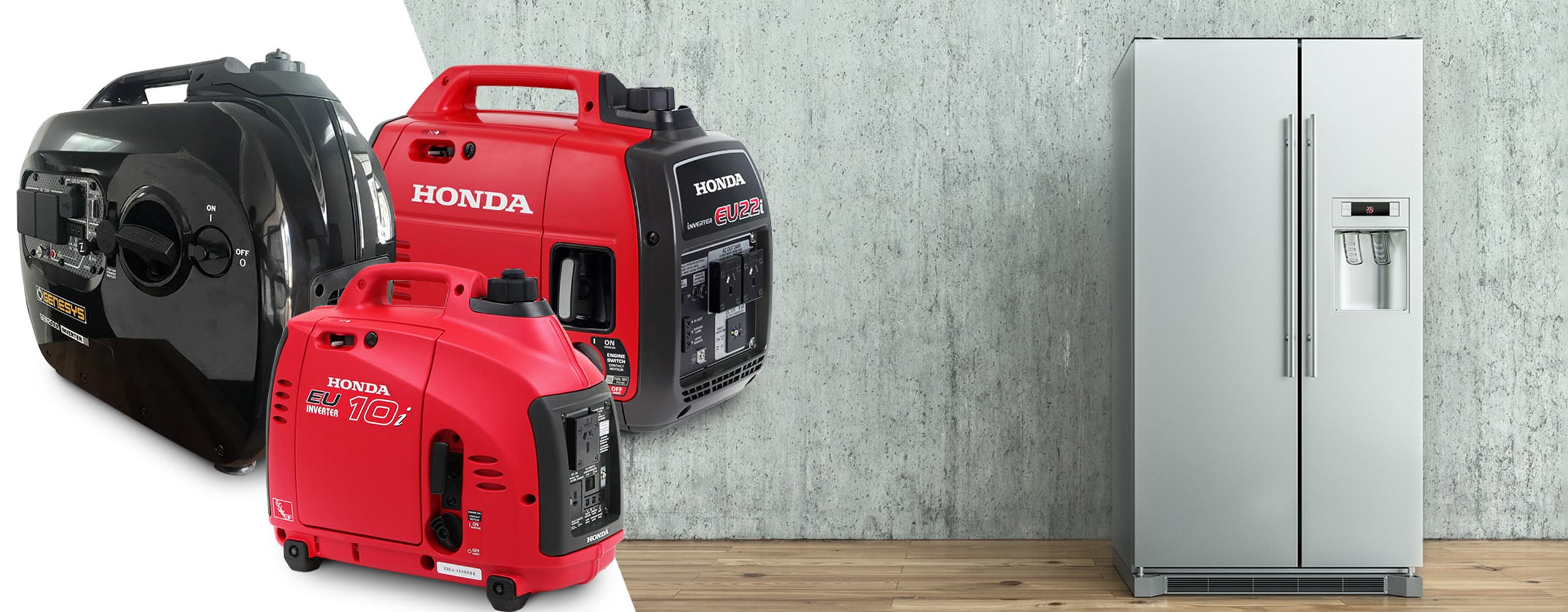
When the power goes out, one of your biggest concerns is likely keeping your refrigerator running. You might wonder, “How many generator watts do I need to power my fridge?”
It’s a crucial question that affects your food safety and comfort. Understanding the wattage requirements of your refrigerator can save you from costly food spoilage and ensure that you have a reliable backup during outages. We’ll break down everything you need to know about generator watts, helping you make informed decisions that keep your food fresh and your home running smoothly.
Let’s dive in!
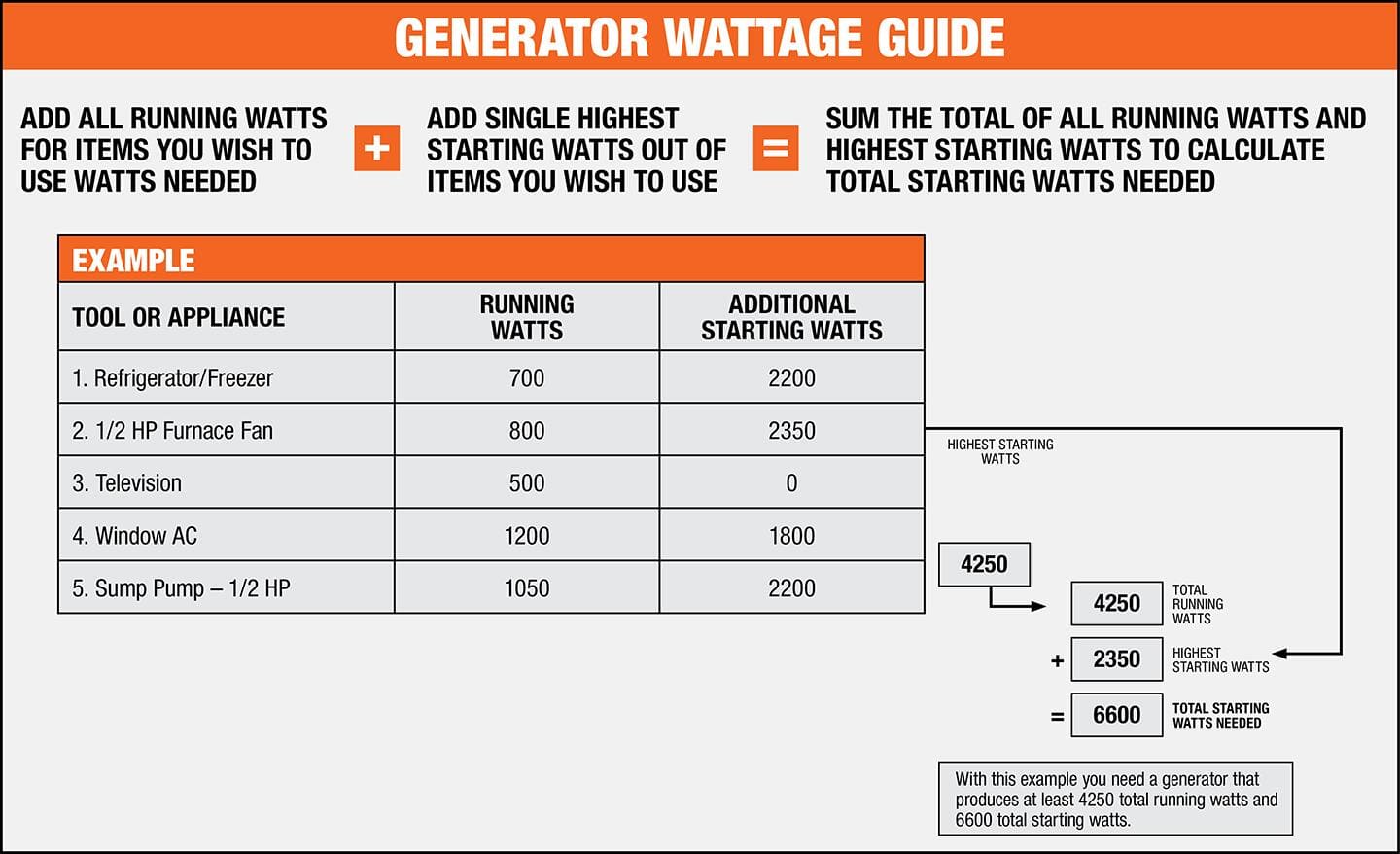
Credit: www.homedepot.com
Understanding Generator Wattage
Understanding generator wattage is crucial for making sure your refrigerator runs smoothly during a power outage. You need to know how much power your fridge requires and how much your generator can provide. This knowledge helps you avoid frustrating situations where your food spoils or your generator struggles to keep up.
What Is Generator Wattage?
Generator wattage refers to the amount of power a generator can produce. It is measured in watts and is divided into two categories: starting (or surge) wattage and running (or continuous) wattage. Understanding both is essential for ensuring your refrigerator operates efficiently.
Starting Vs. Running Wattage
Starting wattage is the power needed to start your refrigerator, while running wattage keeps it operating. Refrigerators typically require more power to start than to run. For instance, a fridge might need 1200 watts to start but only 300-800 watts to keep running.
Calculating Your Refrigerator’s Wattage Needs
Check the manufacturer’s label on your refrigerator for its wattage requirements. If the label is missing, you can find this information online or in the user manual. Knowing the wattage helps you choose the right generator.
Select a generator with enough starting wattage to handle your refrigerator. Add the starting wattage of your fridge to any other appliances you may want to run simultaneously. This ensures your generator can handle the load without overloading.
Practical Tips For Generator Use
- Always start your generator before plugging in your refrigerator.
- Keep your generator in a well-ventilated area to prevent carbon monoxide buildup.
- Consider investing in a generator with an automatic transfer switch for safety.
Have you ever experienced a power outage and wished you were better prepared? Understanding generator wattage and your refrigerator’s needs can make a significant difference. Take the time to assess your power requirements and choose your generator wisely.

Credit: www.bigrentz.com
Key Factors Affecting Wattage Needs
Understanding how many generator watts are needed for a refrigerator is important. Several factors determine the total wattage required. These include the refrigerator’s size and type, its startup and running watts, and its energy efficiency ratings. Each factor plays a role in how much power your generator must provide.
Refrigerator Size And Type
The size of your refrigerator matters. Larger models need more power than smaller ones. Standard models usually require between 100 to 800 watts. Compact refrigerators typically need less, around 50 to 100 watts. Specialized units, like side-by-side or French door designs, can demand higher wattage. Always check the specifications before buying a generator.
Startup Vs Running Watts
Startup watts are different from running watts. Appliances draw more power when starting. Refrigerators can need up to three times their running watts to start. For example, a fridge using 200 running watts may need 600 startup watts. This difference is crucial for selecting the right generator. Ensure your generator can handle the higher startup wattage.
Energy Efficiency Ratings
Energy efficiency ratings impact wattage needs. More efficient models use less power. Look for Energy Star ratings for the best options. These refrigerators consume less energy during operation. They can help reduce the generator’s load. Choosing an energy-efficient model can save you money in the long run.
Calculating Generator Watts For A Refrigerator
Choosing the right generator for your refrigerator is important. Generators have different wattage levels. Knowing how many watts your fridge needs helps you avoid problems. Let’s break down the steps.
Measuring Refrigerator Power Usage
First, check your refrigerator’s power usage. This information is often on a label inside the fridge. Look for the wattage or amperage rating. If you see amps, use this formula: watts = amps x volts. Most refrigerators use 120 volts.
For example, if your fridge uses 5 amps, it needs 600 watts. Some fridges need more power when starting. This is called “starting wattage.” It’s usually 2 to 3 times the running wattage. Always check both numbers.
Adding A Safety Margin
Next, add a safety margin to your calculations. A safety margin helps prevent overloading your generator. It’s good practice to add 20% more watts to your total. This extra power keeps everything running smoothly.
For instance, if your fridge needs 600 watts, add 120 watts. This means you need a generator that can supply at least 720 watts. This extra cushion protects your fridge and generator.
Accounting For Other Appliances
Finally, consider any other appliances you may use. Each device also needs power. List all appliances you plan to run with the generator. Add their wattage to the refrigerator’s wattage. This gives you the total wattage needed.
For example, if your fridge needs 720 watts and a light bulb needs 60 watts, you need 780 watts. This ensures your generator can handle everything at once.
Credit: www.renogy.com
Choosing The Right Generator
Picking the right generator for your refrigerator is important. Generators come in different types and sizes. Each type has its own features. Understanding these features helps you find the best fit.
Portable Vs Standby Generators
Portable generators are easy to move. They are great for temporary power needs. You can take them to different locations. They usually cost less and are easier to store.
Standby generators are fixed in one place. They automatically turn on during a power outage. These generators are more powerful. They provide continuous power for your refrigerator and other appliances.
Inverter Generators For Sensitive Devices
Inverter generators produce clean power. This is important for sensitive devices like refrigerators. They adjust power output based on demand. This makes them quieter and more fuel-efficient.
Using an inverter generator helps protect your fridge. It prevents damage from power surges. Look for one with enough wattage to cover your needs.
Fuel Type Considerations
Generators can run on different fuels. Common options include gasoline, propane, and diesel. Each fuel type has its pros and cons.
Gasoline is easily available. It’s good for portable generators. Propane burns cleaner and is safer to store. Diesel generators are durable and efficient but can be noisy.
Consider your needs and availability. This will help you choose the best fuel type.
Practical Tips For Using Generators
Understanding how many watts a generator needs to run a refrigerator is essential for effective use. Most standard refrigerators require between 600 to 800 watts. Knowing this helps in choosing the right generator size for your needs.
Using a generator can be a lifesaver, especially during power outages. However, to get the most out of your generator while running essential appliances like your refrigerator, understanding some practical tips is crucial. Here’s how to ensure you use your generator effectively and safely.Proper Setup And Placement
Setting up your generator correctly is vital for both efficiency and safety. – Choose a dry, well-ventilated area. This prevents carbon monoxide buildup, which can be deadly. – Keep it away from windows and doors. Even slight winds can carry harmful fumes indoors. Position your generator on a flat surface to avoid spills. If you have a portable generator, consider using heavy-duty extension cords rated for outdoor use. This will help you connect to your refrigerator without risking damage or overload.Maintaining Consistent Power Supply
To keep your refrigerator running smoothly, ensure your generator provides a steady power supply. – Know your refrigerator’s wattage requirements. Most standard refrigerators require between 600 to 800 watts to start and around 200 to 400 watts to run. – Use a generator that exceeds these requirements. A generator rated at least 1,000 watts will offer a buffer to handle any surges. If you find your generator struggling, it might be time to reduce the load. Unplug non-essential appliances to give your fridge the power it needs.Regular Maintenance And Safety Checks
Regular maintenance of your generator is key to its longevity and performance. – Check the oil level and change it regularly. This keeps your generator running smoothly and extends its life. – Inspect fuel lines and filters. Ensure there are no leaks or blockages. Establish a routine to check your generator, especially before you anticipate needing it. This proactive approach can prevent unexpected breakdowns when you need it most. Have you ever had your refrigerator stop working during a power outage? Keeping your generator in top shape can help you avoid that stressful situation. Take the time to set it up properly, ensure it runs consistently, and maintain it regularly for peace of mind.Common Mistakes To Avoid
Choosing the right generator wattage for your refrigerator is crucial. Many people underestimate the starting watts needed, which can lead to power issues. Avoiding this mistake ensures your fridge runs smoothly without interruptions.
Understanding the common mistakes to avoid when calculating how many generator watts are needed to run your refrigerator can save you time, money, and frustration. Many people overlook critical factors that can lead to inefficient power usage or even damage to their equipment. Here are some key pitfalls to steer clear of.Overloading The Generator
One of the most frequent mistakes is overloading the generator. Many users underestimate the total wattage their refrigerator requires, especially during startup. Refrigerators often need extra power during startup, which can be two to three times their running wattage. If your generator can’t handle this surge, it may shut down or sustain damage. Be sure to check your refrigerator’s specifications and choose a generator that exceeds this requirement.Ignoring Power Surge Requirements
Ignoring the power surge requirements can lead to serious issues. You might assume that if your generator runs your refrigerator smoothly, it can handle any situation. However, most refrigerators have a starting wattage that is significantly higher than the running wattage. Always account for this when choosing a generator. Consider a generator with a starting wattage that is at least 25% higher than the refrigerator’s startup needs. This extra cushion ensures that your appliance operates smoothly, especially in fluctuating conditions.Skipping Regular Testing
Skipping regular testing of your generator can be a costly mistake. Just because your generator worked last time doesn’t mean it will work this time. Perform routine checks to ensure everything is functioning properly. Run your generator under load periodically to mimic real conditions. This practice helps identify any issues before they arise, ensuring your refrigerator will have the power it needs when you need it most. Have you ever faced a power outage and realized too late that your generator wasn’t up to the task? Regular testing can help you avoid that panic. By being proactive, you save yourself from unexpected headaches down the line.Frequently Asked Questions
How Many Watts Does A Refrigerator Use?
Most refrigerators use between 100 to 800 watts. The exact wattage depends on the model and size. Energy-efficient models typically consume less power. It’s essential to check the manufacturer’s specifications for accurate wattage information. This helps you choose the right generator for your needs.
What Size Generator Do I Need For A Refrigerator?
To run a refrigerator, choose a generator with at least 1,000 watts. This ensures it can handle the initial surge when starting. A generator with a higher wattage offers more flexibility for additional appliances. Always consider the combined wattage of all devices you plan to use.
Can A 2000 Watt Generator Run A Refrigerator?
Yes, a 2000 watt generator can run most refrigerators. It provides sufficient power for the appliance’s running and starting needs. However, check the specific wattage of your refrigerator model. This ensures you have enough capacity for any other devices you might connect.
What Appliances Can A Generator Power With A Refrigerator?
A generator can power a refrigerator along with small appliances. Common examples include lights, fans, and TVs. Ensure the total wattage of all devices does not exceed the generator’s capacity. This allows for safe and efficient use of your generator during outages.
Conclusion
Choosing the right generator for your refrigerator is important. Understand your fridge’s wattage needs first. Consider starting and running wattage. A generator with 2000 to 3000 watts often works well. Always check your refrigerator’s manual for specific details. This helps ensure you get the right power.
A good generator keeps your food safe during outages. Make informed decisions for better results. Stay prepared, and you’ll avoid surprises when you need power the most. Remember, knowledge is key.