

Are you ready to unlock the full potential of your generator? Whether you rely on it for emergency power or outdoor adventures, knowing how to maximize its efficiency can make a huge difference.
You might be surprised at how simple tips and tricks can help you get the most out of your generator, saving you time, money, and hassle. We’ll share practical advice to boost performance, enhance safety, and extend the life of your unit.
Don’t miss out on these essential insights—your generator’s best performance is just a few tips away!
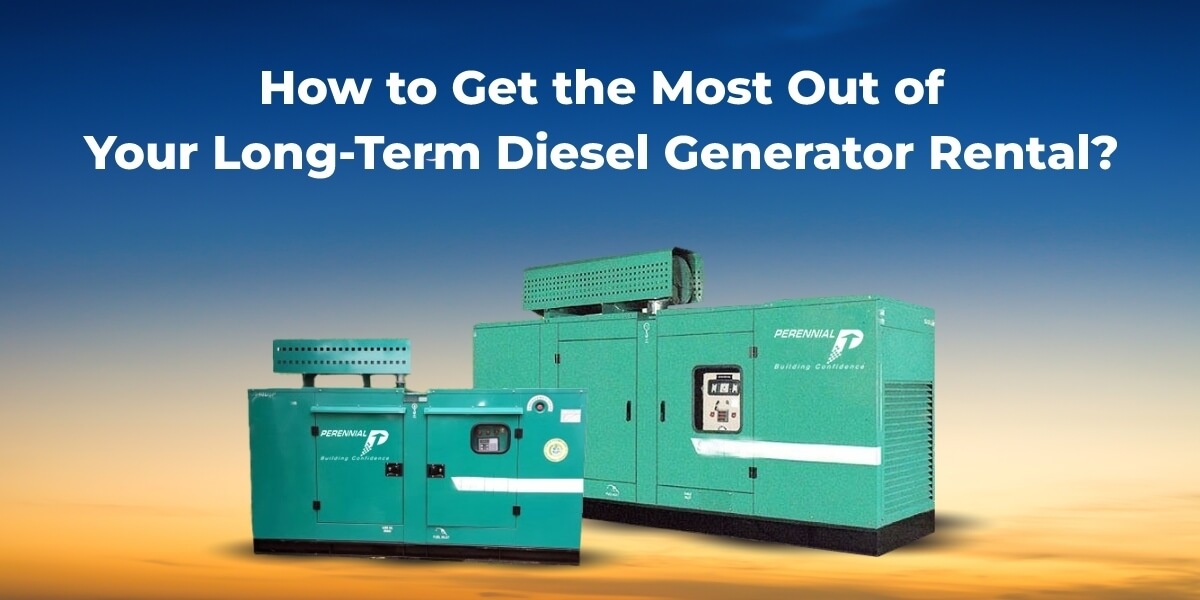
Credit: powerrental.co.in
Choosing The Right Generator
Choosing the right generator enhances your experience. Understand your power needs first. Regular maintenance ensures efficiency. Use the generator wisely for longer life. Store it properly when not in use.
Choosing the right generator is crucial for ensuring you have reliable power when you need it most. Whether you’re preparing for a power outage, planning a camping trip, or powering tools for a DIY project, understanding your options can make all the difference.Portable Vs. Standby Models
Portable generators offer flexibility. You can move them around your property or take them on the go. They are ideal for short-term use, like camping or during brief power outages. Standby generators, on the other hand, provide a permanent solution. They are wired directly to your home and kick in automatically during a power outage. If you live in an area prone to long outages, a standby model might be the better choice. Consider your lifestyle. Are you often on the move or do you prefer a steady power source at home? This will guide your decision.Key Features To Look For
When selecting a generator, focus on key features that matter most to you. – Power Output: Check the wattage capacity to ensure it meets your needs. – Fuel Type: Generators can run on gasoline, propane, or diesel. Choose one that fits your availability and convenience. – Noise Level: Some models can be quite loud. If noise is a concern, look for quieter options. – Portability: If you need to move your generator, consider its weight and design. Wheels and handles can make a big difference. Think about what features will make your life easier. Will you be using it in your backyard, or do you need to transport it frequently?Sizing Your Generator Correctly
Getting the right size generator is essential. A generator that is too small won’t power your devices, while an oversized model can waste fuel and money. Start by listing the appliances you plan to power. Add up their wattage requirements. This will give you a clear picture of the capacity you need. For example, a refrigerator typically requires 600-800 watts, while a microwave can need up to 1,200 watts. Knowing these figures helps you avoid surprises during an outage. Consider a generator that provides a little extra capacity. This can accommodate additional devices that may come up unexpectedly. Are you ready to make a choice that will keep your home powered and comfortable? Understanding your needs will lead you to the right generator.Proper Installation Practices
Installing your generator correctly is crucial. Proper installation ensures safety and efficiency. It can also extend the life of your generator. Follow these guidelines to set up your generator safely.
Location And Safety Guidelines
Choose a well-ventilated area for your generator. Avoid indoor spaces. Generators produce carbon monoxide, which is harmful. Keep the generator at least 20 feet away from your home. This distance reduces the risk of fumes entering your living space.
Check local regulations for generator placement. Some areas have specific rules. Make sure the ground is level and stable. This prevents tipping or rolling during use. Avoid placing your generator near flammable materials.
Professional Vs. Diy Installation
Decide between professional installation and DIY. Hiring a professional offers peace of mind. They ensure everything meets safety codes. They handle complex connections and set up properly.
If you choose DIY, follow the manufacturer’s instructions. Use proper tools and safety gear. Double-check all connections. Mistakes can lead to serious problems. Ensure you understand electrical systems before attempting.
Connecting To Your Home Safely
Connecting your generator to your home requires care. Use a transfer switch for safety. This device prevents backfeed into the grid. Backfeed can harm utility workers and damage your generator.
Follow the guidelines provided by your generator manufacturer. Make sure all connections are secure. Test the setup before an emergency arises. Regular maintenance checks will help keep everything running smoothly.
Fuel Types And Efficiency
Choosing the right fuel for your generator is key. Different fuels affect performance and efficiency. Understanding each option helps you make the best choice. This guide covers gasoline, diesel, and propane. It also discusses fuel storage and maintenance. You will learn how to maximize fuel efficiency.
Gasoline
Gasoline is the most common fuel type for generators. It is easy to find and store. Most small generators run on gasoline. This fuel type provides a good balance of power and cost. However, gasoline can be less efficient over long periods.
Gasoline generators may also require more maintenance. They often need oil changes and air filter replacements. Keep the fuel fresh to avoid problems. Use fuel stabilizers if storing for a long time.
Diesel
Diesel fuel offers better efficiency than gasoline. Diesel generators tend to have a longer lifespan. They are ideal for heavy-duty use. Diesel engines run cooler and use less fuel over time.
However, diesel fuel can be harder to find. It also requires specific storage solutions. Diesel generators may have higher upfront costs. But the long-term savings can be significant.
Propane Options
Propane is a clean-burning fuel option. It produces fewer emissions than gasoline or diesel. Propane generators are quieter, making them ideal for residential areas.
Storing propane is simple. It comes in tanks that are easy to transport. However, propane can be less powerful than gasoline or diesel. Always check the generator’s specifications.
Fuel Storage And Maintenance
Proper fuel storage is crucial for efficiency. Store fuel in a cool, dry place. Use approved containers to avoid spills. Keep fuel away from direct sunlight and heat sources.
Check fuel regularly for contamination. Old or dirty fuel can damage your generator. Always label your fuel containers with the date. Rotate your fuel supply to keep it fresh.
Maximizing Fuel Efficiency
To maximize fuel efficiency, keep your generator clean. Regularly change oil and filters as needed. Proper maintenance ensures your generator runs smoothly.
Use the right size generator for your needs. An oversized generator wastes fuel. Load management is important. Avoid running multiple heavy appliances at once.
Consider using fuel additives. These can improve combustion and efficiency. Always follow the manufacturer’s recommendations.
Regular Maintenance Checklist
A regular maintenance checklist helps keep your generator running smoothly. Checking oil levels, cleaning filters, and inspecting connections are key tasks. Following these steps ensures your generator works when you need it most.
Maintaining your generator is crucial to ensure it runs smoothly when you need it most. A regular maintenance checklist keeps your generator in top shape and can save you from unexpected breakdowns. Neglecting maintenance can lead to costly repairs or worse, leaving you without power during critical moments.Inspecting Parts And Connections
Start by checking all visible parts and connections of your generator. Look for signs of wear, rust, or loose connections. – Frame: Inspect for any cracks or damage. – Cables: Ensure that all wires are securely connected and not frayed. Make it a habit to perform these inspections monthly. You wouldn’t ignore a flat tire on your car, would you?Oil Changes And Fluid Levels
Oil is the lifeblood of your generator. Regular oil changes keep the engine running smoothly and efficiently. – Change the oil every 50 hours of use or at least once a year. – Check fluid levels for gasoline and coolant regularly. I remember the first time I neglected an oil change. My generator sputtered to a halt during a storm, leaving me in the dark. It was a lesson learned the hard way.Replacing Filters And Spark Plugs
Dirty filters can restrict airflow, leading to inefficient performance. – Replace the air filter every six months or after 100 hours of use. – Change spark plugs annually to ensure a reliable start. Keep a maintenance log to track when you last changed filters or plugs. This small step can prevent major issues down the line. Taking care of your generator may seem tedious, but the peace of mind it brings is worth the effort. Are you ready to tackle your maintenance checklist today?Operating Tips For Longevity
Generators are essential for backup power. To keep them running well, follow some simple tips. These tips help your generator last longer. They also ensure it runs safely and effectively.
Avoiding Overloading
Overloading a generator can cause damage. Check the power rating before connecting devices. Use only the wattage your generator can handle. Running too many appliances can strain the unit. This can lead to overheating. Always prioritize essential appliances first.
Running Your Generator Periodically
Generators need regular use. Run your generator at least once a month. This keeps the engine lubricated and in good shape. It also helps the battery stay charged. When you run it, let it run for about 30 minutes. This routine helps prevent fuel issues.
Protecting Against Weather Conditions
Weather can affect your generator’s performance. Always keep it in a dry place. Use a cover to protect it from rain and snow. Avoid placing it near windows or doors. This reduces the risk of exhaust fumes entering your home. If possible, use a generator shed for extra protection.
Safety Measures And Best Practices
Safe use of your generator starts with understanding its limits. Always follow the manufacturer’s instructions. Regular maintenance and proper fuel storage are key. Keep it in a dry, well-ventilated area. Use extension cords rated for your generator’s power. These steps ensure efficiency and safety while you power your home.
Safety is paramount when using a generator. Understanding how to protect yourself and your loved ones is essential for making the most of this powerful tool. Implementing safety measures and best practices not only safeguards your well-being but also enhances the efficiency of your generator. Let’s dive into some key areas you should focus on.Carbon Monoxide Prevention
Carbon monoxide (CO) is a silent killer. Generators emit this dangerous gas, which can lead to severe health issues or even death if not managed properly. – Always operate your generator outdoors, away from windows and doors. – Use a CO detector to alert you of dangerous levels. – Never run a generator in an enclosed space, such as garages or basements. Have you considered how close your generator is to your living area? Keeping it at a safe distance can make a significant difference.Proper Ventilation Techniques
Good ventilation can prevent harmful gas buildup. Ensure that the area where your generator runs is well-ventilated. – Set up your generator in an open space. – Avoid placing it in areas with little airflow. – Regularly check for obstructions around the exhaust. I learned this the hard way. One windy day, I set my generator too close to a wall, and the fumes started creeping back. It’s a reminder to always prioritize airflow.Emergency Shutdown Procedures
Knowing how to quickly shut down your generator can save lives. In case of an emergency, you need to act fast. – Familiarize yourself with the generator’s shutdown process. – Keep the user manual accessible for reference. – Practice shutting it down during a non-emergency to build confidence. Ask yourself: Do you know how to turn off your generator quickly? A little preparation can help you respond effectively in a crisis. Implement these safety measures and best practices to ensure a safe and effective experience with your generator. Your safety and that of your loved ones is worth it.Extending Your Generator’s Lifespan
Generators are essential tools. They provide power during outages. To keep them running well, proper care is key. Simple steps can extend their lifespan. Let’s explore how to do this effectively.
Storing Your Generator Properly
Proper storage is crucial. Keep your generator in a dry place. Moisture can cause rust and damage. Cover it with a tarp to protect it from dust.
Ensure it is stored away from direct sunlight. Sunlight can fade and weaken the materials. Make sure to keep it in a cool area. High temperatures can harm the engine.
Using Quality Accessories
Using good accessories matters. Cheap parts may wear out faster. Invest in high-quality oil and filters. This helps maintain engine performance.
Choose the right fuel type. Using the wrong fuel can lead to problems. Make sure to use stabilizers for fuel. This prevents degradation over time.
Upgrading Components When Needed
Regular checks can save you money. Look for worn-out parts. Replace them before they fail. This keeps your generator in top shape.
Consider upgrading to better components. Improved parts can enhance performance. Stay informed about the best options. Research can guide your choices.

Credit: www.linkedin.com

Credit: firmanpowerequipment.com
Frequently Asked Questions
How Often Should I Run My Generator?
Running your generator regularly is essential for maintenance. It is recommended to run it every month for about 30 minutes. This practice helps ensure that the engine remains lubricated and functional. Regular use also allows you to identify any potential issues before they become serious problems.
What Size Generator Do I Need For My Home?
The size of the generator you need depends on your power requirements. Calculate the wattage of essential appliances you want to run. A generator with a capacity of 5,000 to 7,500 watts usually suffices for most homes. Always choose a generator that exceeds your total wattage needs for safety.
Can I Use My Generator Indoors?
No, you should never use your generator indoors. Generators emit carbon monoxide, which is highly toxic. Running one inside can lead to serious health risks or even death. Always use your generator outdoors in a well-ventilated area, away from doors and windows.
How Do I Maintain My Generator?
Regular maintenance is crucial for your generator’s longevity. Change the oil and filters as recommended by the manufacturer. Inspect fuel lines and batteries frequently for wear or damage. Additionally, clean the air filter and check spark plugs to ensure optimal performance.
Conclusion
Using your generator wisely makes a big difference. Follow these tips to keep it running well. Regular maintenance is key. Always check fuel and oil levels. Store it safely and use it correctly. This helps you avoid problems. A well-cared-for generator lasts longer.
You will enjoy reliable power when you need it. Simple steps lead to great results. Take the time to understand your generator. This knowledge ensures you get the most out of it. Keep these points in mind for a better experience.