
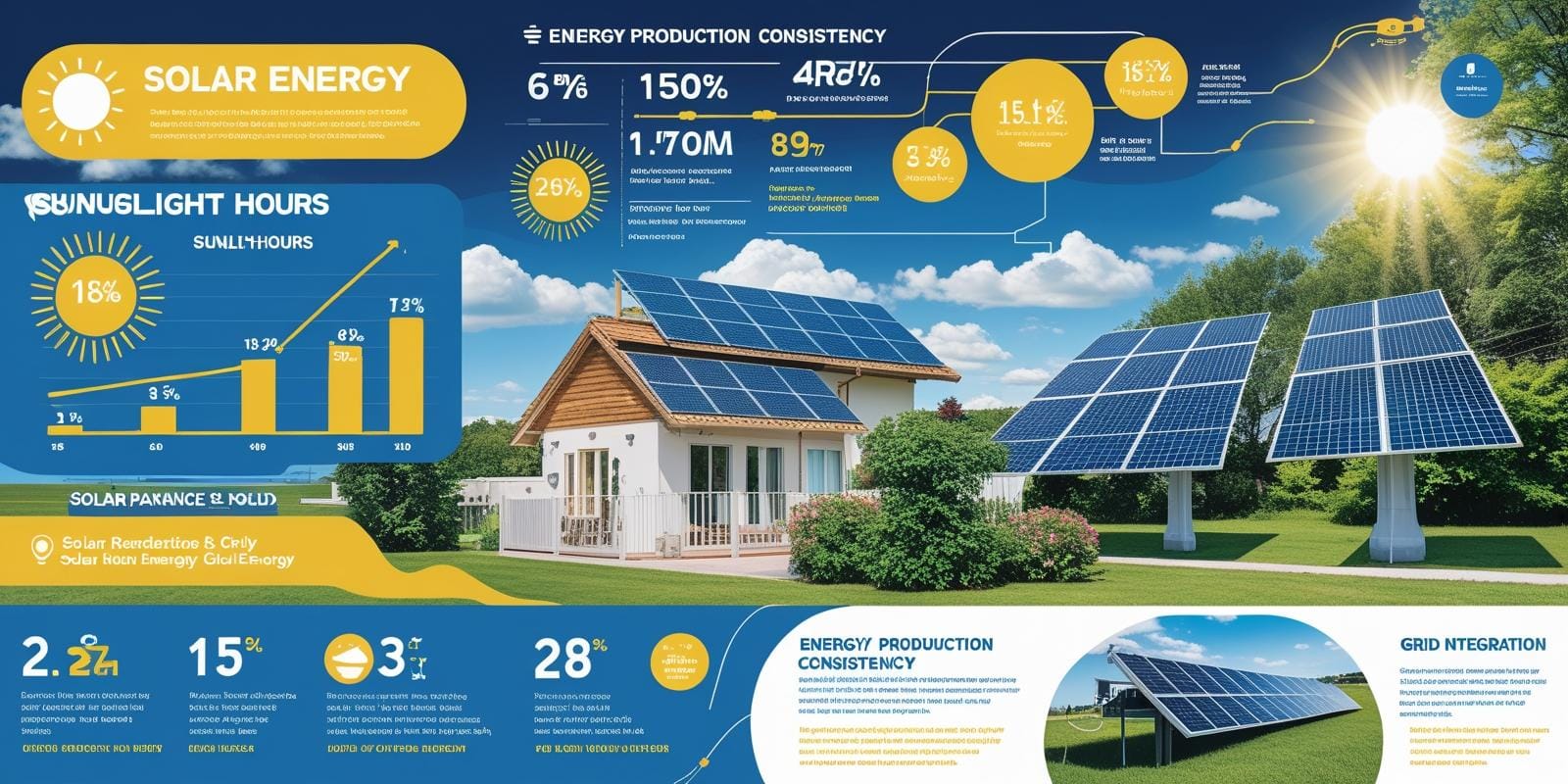
Are you considering solar energy for your home or business? You’re not alone.
Many people are turning to this renewable source of power, but you might wonder: how reliable is solar energy, really? With so many options out there, it’s essential to understand what you’re getting into. We’ll break down the key factors that influence the reliability of solar energy.
From weather conditions to technology advancements, you’ll learn what to expect and how to make informed decisions. By the end, you’ll have a clear picture of whether solar energy is the right choice for you. Let’s dive in!
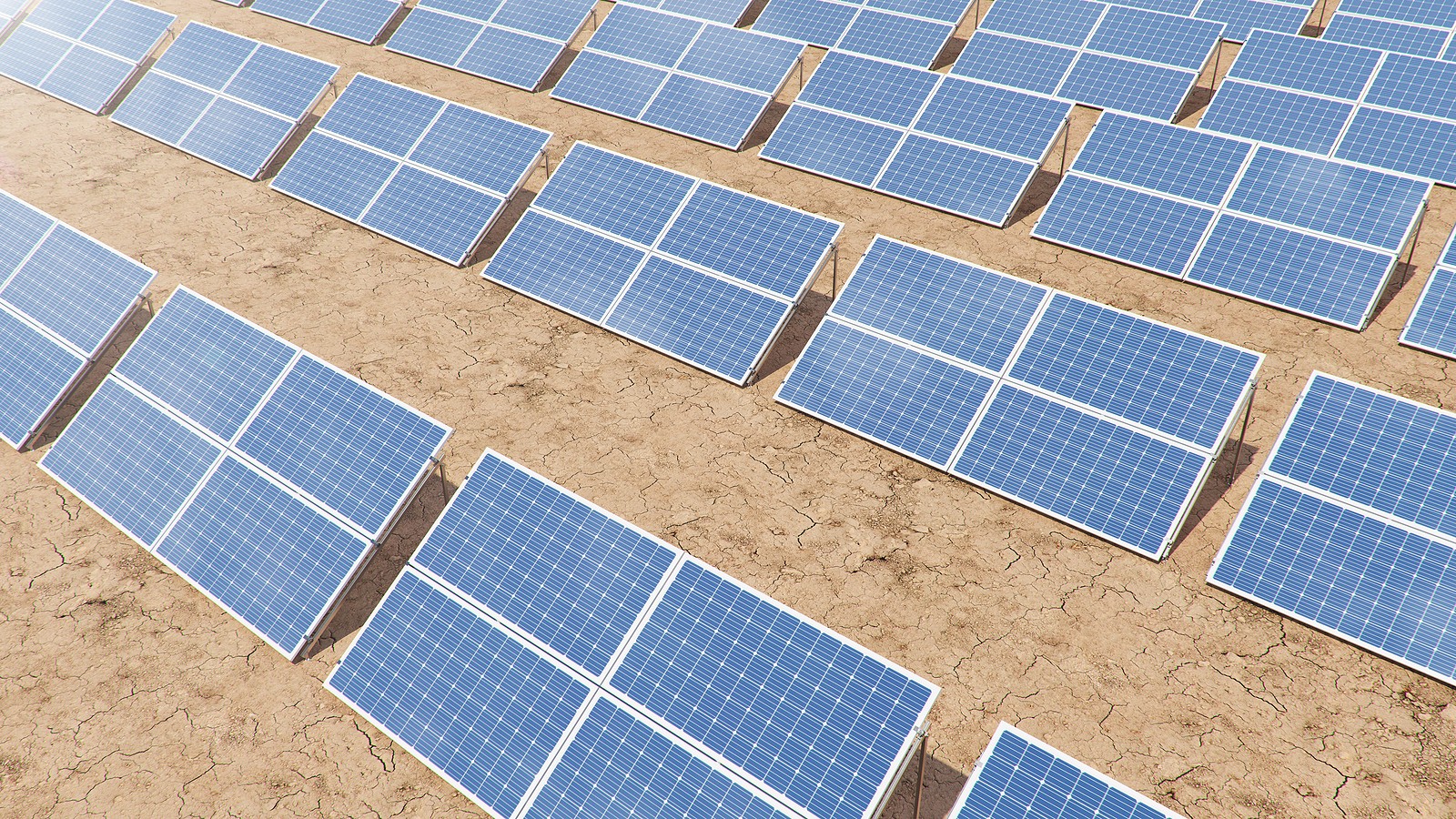
Credit: coldwellsolar.com
Benefits Of Solar Energy
Solar energy presents a range of benefits that can enhance both your daily life and the environment. It’s not just a trend; it’s a practical solution with lasting advantages. Understanding these benefits can help you make informed decisions about adopting solar energy for your home or business.
Cost Savings For Homes And Businesses
Switching to solar energy can lead to significant cost savings. Many homeowners see a reduction in their electricity bills, sometimes up to 50% or more.
Businesses can also benefit financially. By investing in solar panels, companies reduce operational costs and improve their bottom line. The initial investment may seem high, but government incentives and long-term savings make solar an appealing option.
- Lower utility bills
- Tax incentives and rebates
- Increased property value
Have you considered how much you could save? Every dollar counts, especially in today’s economy.
Reducing Carbon Emissions
Solar energy is a clean alternative to fossil fuels. By using solar panels, you contribute to a reduction in greenhouse gas emissions.
This shift is crucial for combating climate change. Each solar installation helps to lessen your carbon footprint, fostering a healthier planet for future generations.
Are you ready to make an impact? Transitioning to solar not only benefits you but also helps the environment.
Energy Independence
Solar energy promotes energy independence. By generating your own electricity, you rely less on external energy sources.
This independence can be empowering. You can avoid fluctuating energy prices and reduce your vulnerability to power outages.
What would it feel like to not worry about rising energy costs? With solar, you take control of your energy future.
Incorporating solar energy into your life offers numerous benefits that go beyond just savings. It’s an investment in your financial future, a step toward environmental responsibility, and a pathway to energy independence.
Credit: www.azteksolar.ca
Factors Affecting Solar Reliability
Understanding the reliability of solar energy requires examining various factors that can influence its performance. From environmental conditions to technology limitations, these elements play a crucial role in determining how effectively solar panels generate power. Let’s break down the key factors affecting solar reliability.
Weather And Climate Conditions
Your solar system’s performance can vary significantly based on weather and climate. Regions with frequent cloud cover or heavy rainfall may see reduced solar energy production.
For instance, if you live in a place where it rains often, your panels might not generate as much energy during those months. However, solar energy systems can still work efficiently on cloudy days, producing about 10-20% of their capacity.
Consider the seasons too. In winter, shorter days mean less sunlight. How does your local climate affect your solar energy expectations?
Energy Storage Challenges
Energy storage is essential for using solar energy effectively. Without a reliable battery system, you might struggle to access power when the sun isn’t shining.
Investing in high-quality batteries can be costly, but they ensure you have energy during nighttime or cloudy periods. The choice of storage technology can impact overall efficiency, so it’s worth researching options.
Have you thought about how much energy you need to store for those non-sunny days? Understanding your energy usage will help you choose the right storage solutions.
Panel Efficiency And Maintenance
The efficiency of your solar panels plays a vital role in reliability. Higher efficiency panels convert more sunlight into electricity, maximizing your energy output.
Regular maintenance is equally important. Dust, debris, or snow can block sunlight and reduce efficiency. Scheduling periodic cleanings and inspections can keep your system running smoothly.
What steps are you taking to maintain your solar panels? A little effort can go a long way in ensuring they perform optimally.
Technological Advances In Solar Energy
Solar energy technology is improving rapidly. New designs and methods are making solar power more reliable. These changes help people use solar energy more efficiently. Let’s explore some key advancements in this field.
Improvements In Solar Panel Design
Solar panels have come a long way. New materials are being used to make them more efficient. Thin-film technology is lighter and cheaper. Bifacial panels capture sunlight from both sides. These designs increase energy production.
Better coatings reduce dirt and dust buildup. This means panels stay cleaner for longer. Cleaner panels generate more energy. Improved durability helps panels last longer. Longer-lasting panels provide better value over time.
Breakthroughs In Battery Storage
Battery technology is essential for solar energy. New batteries store more energy for later use. Lithium-ion batteries are common. They charge quickly and last a long time.
Solid-state batteries are emerging. They offer higher energy density. This means smaller, lighter batteries. Better battery systems reduce energy loss. They help people use solar power even at night.
Smart Grid Integration
Smart grids connect solar energy to homes and businesses. They balance energy supply and demand. Smart meters track energy use in real time.
This technology allows for better energy management. It helps reduce waste and costs. Smart grids also support renewable energy sources. They make solar energy more accessible for everyone.
Comparing Solar With Other Energy Sources
Solar energy is often compared to other energy sources to gauge its reliability. Understanding how solar stacks up against fossil fuels, nuclear power, and wind energy can help you make informed decisions about energy use. Each source has its strengths and weaknesses, and knowing them can clarify the role solar energy plays in a sustainable future.
Reliability Of Fossil Fuels Vs Solar
Fossil fuels have long been the backbone of global energy supply. They offer a consistent and predictable output, making them reliable for many industries. However, they come with significant downsides, such as environmental pollution and finite resources.
In contrast, solar energy is renewable and increasingly efficient. While it relies on sunlight availability, advancements in technology have improved energy storage solutions. With batteries and grid management, you can store excess energy generated during sunny days for use when the sun isn’t shining.
Have you considered how often the sun shines in your area? If you live in a sunny region, solar can be a viable option. However, cloudy days can impact production, which is why a diverse energy mix is essential.
Nuclear Power Vs Solar Energy
Nuclear power offers a stable and dense energy source, producing large amounts of electricity with low emissions. Yet, it comes with risks, including the potential for catastrophic failures and challenges in waste disposal. This can make some people hesitant about its reliability.
Solar energy, on the other hand, is decentralized and inherently safer. It can be harnessed at various scales, from small rooftop systems to large solar farms. You can even generate your own electricity, reducing dependence on centralized power grids.
What would you prefer—localized energy generation with solar or the centralized nature of nuclear? The answer may hinge on personal values surrounding safety and sustainability.
Wind Energy And Solar Synergy
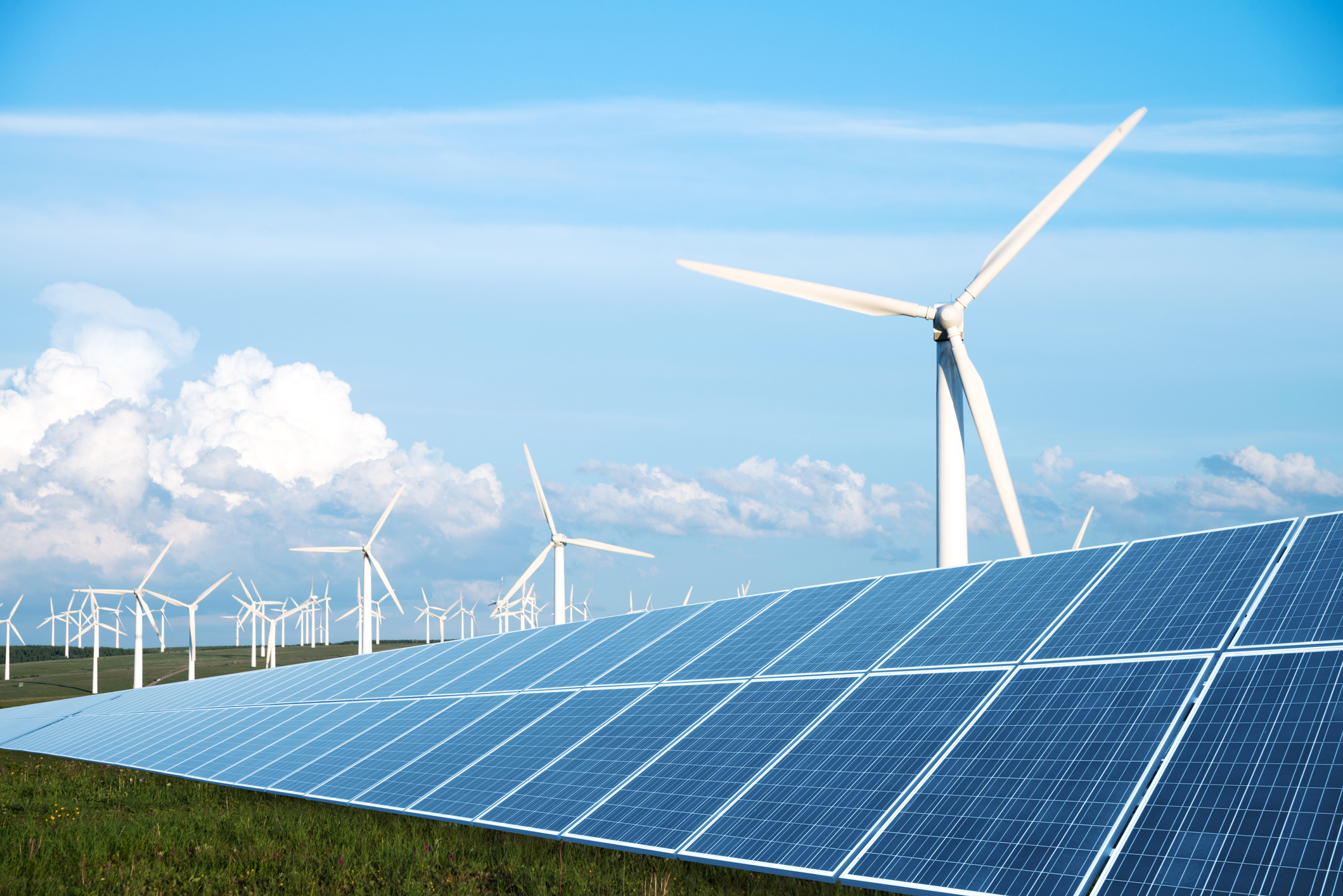
Wind energy and solar energy can complement each other well. Wind tends to be stronger at night or during different seasons than solar energy, leading to a more balanced energy supply. This synergy can enhance the overall reliability of renewable energy systems.
Many areas are now implementing hybrid systems that combine both sources. By doing so, they can ensure a more stable energy supply and reduce reliance on fossil fuels. You might find that living in a region that utilizes both solar and wind energy not only supports sustainability but also lowers energy costs.
Have you thought about how integrating multiple energy sources can affect your energy bills? The combination may offer a way to harness nature’s power more effectively.
Debunking Myths About Solar Energy
Solar energy is often seen as unreliable, but this is a myth. With advancements in technology, solar panels work effectively in various weather. They can produce energy even on cloudy days, making them a dependable choice for clean energy.
Debunking myths about solar energy is essential in understanding its true potential. Many people hold misconceptions that prevent them from embracing this renewable resource. Let’s set the record straight and clarify these common myths about solar energy.
Solar Panels Don’t Work In Winter
One popular belief is that solar panels are ineffective during the winter months. This couldn’t be further from the truth. Solar panels actually generate energy from sunlight, not temperature. While it’s true that shorter days and cloudier skies may reduce energy production, solar panels can still function well. In fact, the reflection of sunlight off snow can enhance energy capture. If you live in a snowy area, consider how much sunlight your panels might still receive. Isn’t it fascinating to think that even in winter, your solar system can contribute to your energy needs?
Solar Is Too Expensive For Most People
Another common myth is that solar energy is prohibitively expensive. Many people don’t realize that the cost of solar panels has dropped significantly in recent years. Financing options and government incentives can make solar energy accessible to a broader audience. Some homeowners report savings on their electricity bills within just a few months of installation. Think about this: Would you rather pay a utility company each month or invest in a system that pays you back over time?
Solar Can’t Power An Entire Home
Many believe that solar energy systems can’t fully power a home. This myth often stems from outdated information. Modern solar systems can be tailored to meet your specific energy needs. With the right setup, you can generate enough power to cover all your household consumption. Consider how your energy habits influence your solar system’s design. Are there ways you could reduce your overall consumption to increase efficiency? Understanding these myths can empower you to make informed decisions about solar energy. It’s time to look beyond misconceptions and see the true benefits of harnessing the sun’s power.
Credit: cleanchoiceenergy.com
Future Of Solar Energy
The future of solar energy looks bright and promising. As technology advances and awareness grows, more individuals and businesses are turning to this renewable source. But how reliable is solar energy, and what does the future hold? Let’s explore key aspects that will shape the solar landscape.
Scaling Solar Adoption Worldwide
Solar energy is not just a trend; it’s becoming a necessity. Countries around the globe are ramping up their solar installations. Nations like Germany and China are leading the charge, setting ambitious targets to increase solar capacity.
Are you considering solar for your home? You’re not alone. The global market is expanding rapidly, making solar panels more affordable than ever. This is a significant shift as more people recognize the long-term savings and environmental benefits.
Innovations In Solar Infrastructure
Innovation is driving the solar energy sector forward. New technologies are improving efficiency and reducing costs. For instance, the development of solar shingles is making it easier for homeowners to integrate solar energy into their roofs.
Battery storage systems are another exciting advancement. They allow you to store excess energy generated during the day for use at night. Imagine having a reliable power source even when the sun isn’t shining.
The Role Of Policy And Incentives
Government policies play a crucial role in the adoption of solar energy. Tax credits and rebates make solar installations more accessible. These incentives can significantly reduce your upfront costs.
Staying informed about local and federal policies can help you take advantage of these benefits. Are you aware of the incentives available in your area? Understanding these can lead to substantial savings on your solar investment.
The future of solar energy is not just about technology; it’s about community and commitment. Your choices today can help shape a sustainable tomorrow.
Conclusion
Solar energy proves to be a reliable option for many. It offers clean power and reduces energy bills. Technology continues to improve, making solar systems more efficient. Many countries support solar energy with incentives. Homeowners find it easier to install solar panels now.
A small investment today can lead to savings tomorrow. As awareness grows, more people trust solar energy. This clean energy choice benefits both the planet and your wallet. Choosing solar means embracing a sustainable future. The journey to reliable energy starts with the sun.