
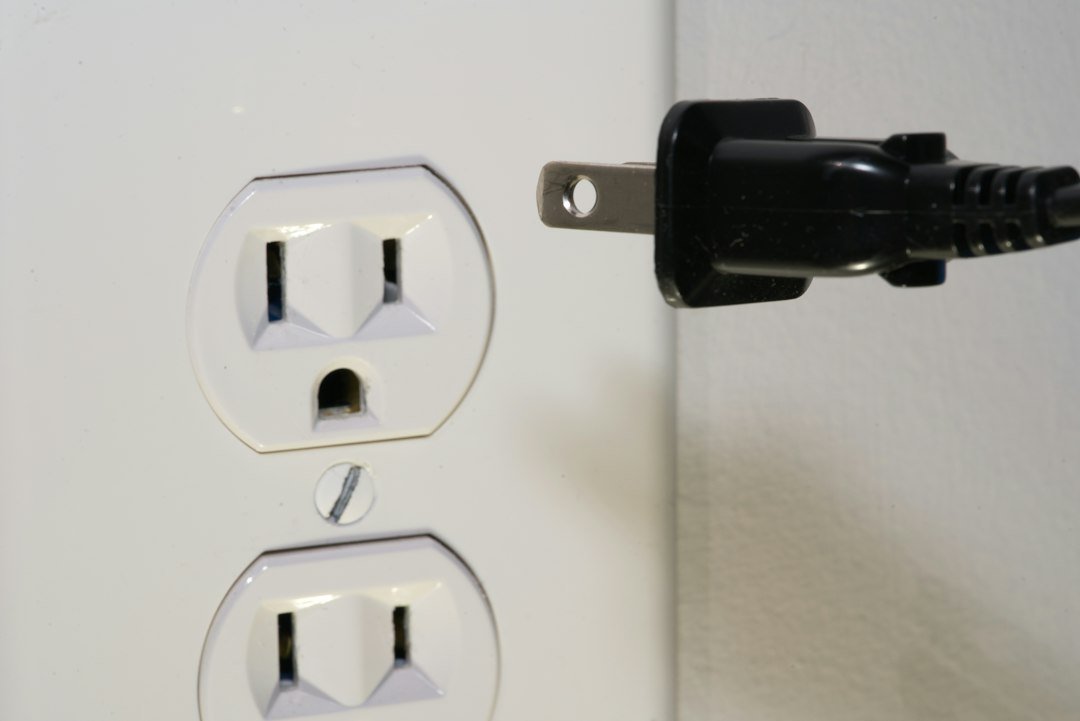
To fix a generator socket plug, inspect for loose wires, clean corroded contacts, or replace the damaged socket entirely.
Having spent years maintaining backup power systems for residential and commercial properties, I have seen my fair share of flickering lights and faulty connections caused by a simple loose generator socket plug. Dealing with electricity can be intimidating, but understanding how to fix a generator socket plug is a fundamental skill that saves you from expensive repair bills and ensures your appliances remain powered during an outage. In this guide, I will share my professional experience, walk you through the troubleshooting process, and help you restore your generator’s functionality with confidence.

Source: youtube.com
Signs That Your Generator Socket Needs Repair
Before you start dismantling components, you need to identify if the issue truly lies with the generator socket plug. Most users ignore early warning signs, only to find themselves in the dark when they need power the most. I always look for visible signs of thermal damage, such as discoloration or a distinct smell of burnt plastic near the outlet.
Another common symptom is an intermittent power supply. If you notice your connected devices cutting out when you move the extension cord, the internal contacts inside the socket are likely loose or worn. A wobbling plug that does not sit firmly in the socket is a clear indicator that the spring tension inside the receptacle has weakened, requiring either an adjustment or a total replacement of the generator socket plug.

Source: youtube.com
Safety Precautions Before You Begin
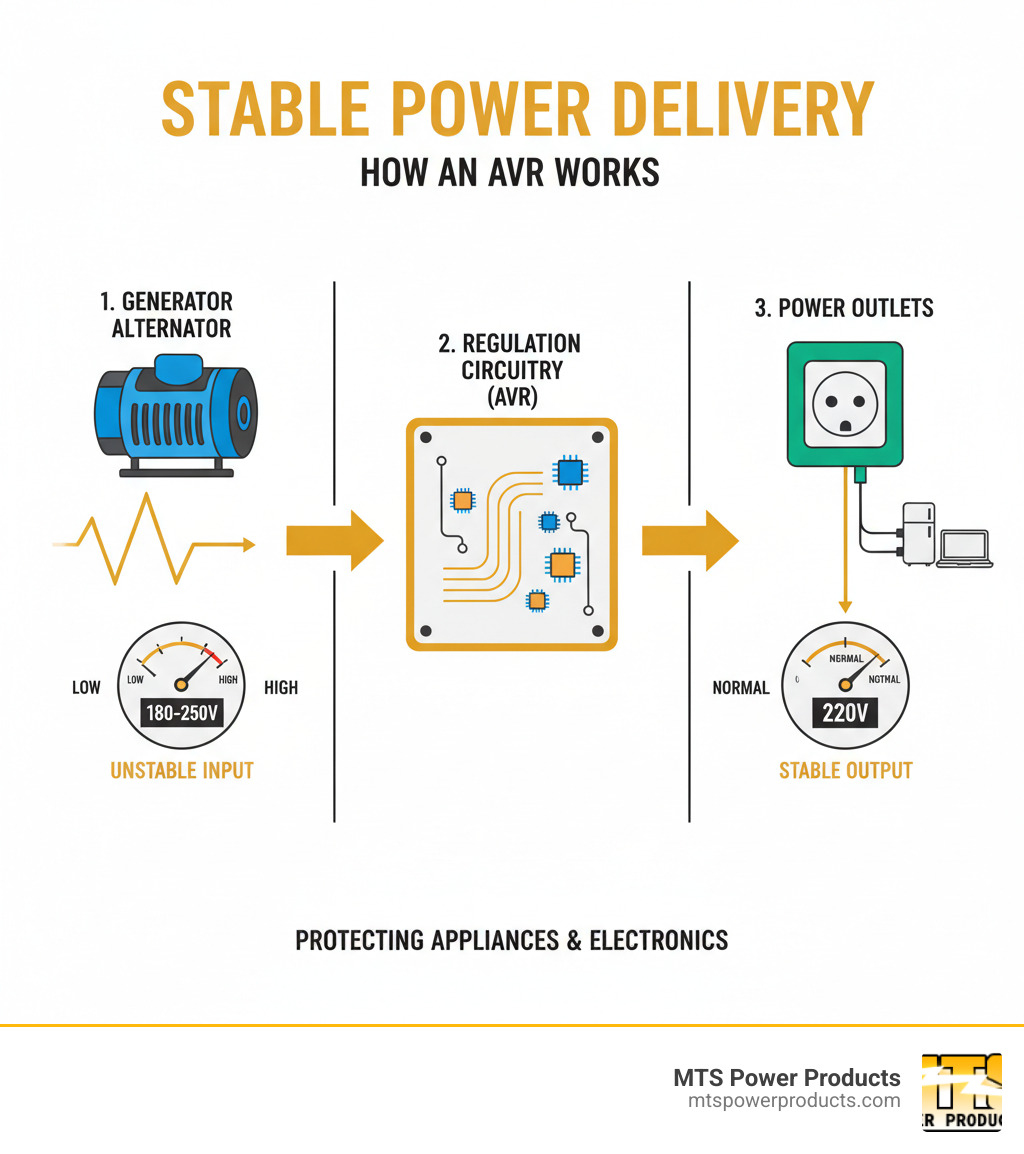
Working with generators demands absolute caution. You must ensure the generator is completely turned off and disconnected from any fuel source or battery bank before you touch the internal wiring. I always make it a habit to use a non-contact voltage tester to verify there is zero residual electricity in the lines.
Never attempt to fix a generator socket plug while the unit is running or even while it is plugged into a wall outlet for charging. Wear rubber-soled shoes and keep your workspace dry to prevent any accidental grounding. If you are ever unsure about the wiring configuration, take a photo of the original setup before removing any wires to ensure you can replicate the connections accurately later.
Source: mtspowerproducts.com
Step by Step Guide to Fixing the Connection
Once you have confirmed safety, start by removing the faceplate or the housing cover of the generator. Most units hold the socket in place with a few standard screws. Carefully pull the socket out to expose the wires. If the wires look scorched, trim off the damaged portion and strip back the insulation to reveal fresh, clean copper.
To fix the generator socket plug, inspect the screw terminals. Loose connections are the primary culprit behind sparking and overheating. Tighten these screws firmly, ensuring that no stray wire strands are touching other terminals, which could cause a short circuit. If the metal contact plates inside the socket appear bent or oxidized, use a fine file or contact cleaner to restore a solid surface for the plug to grip.
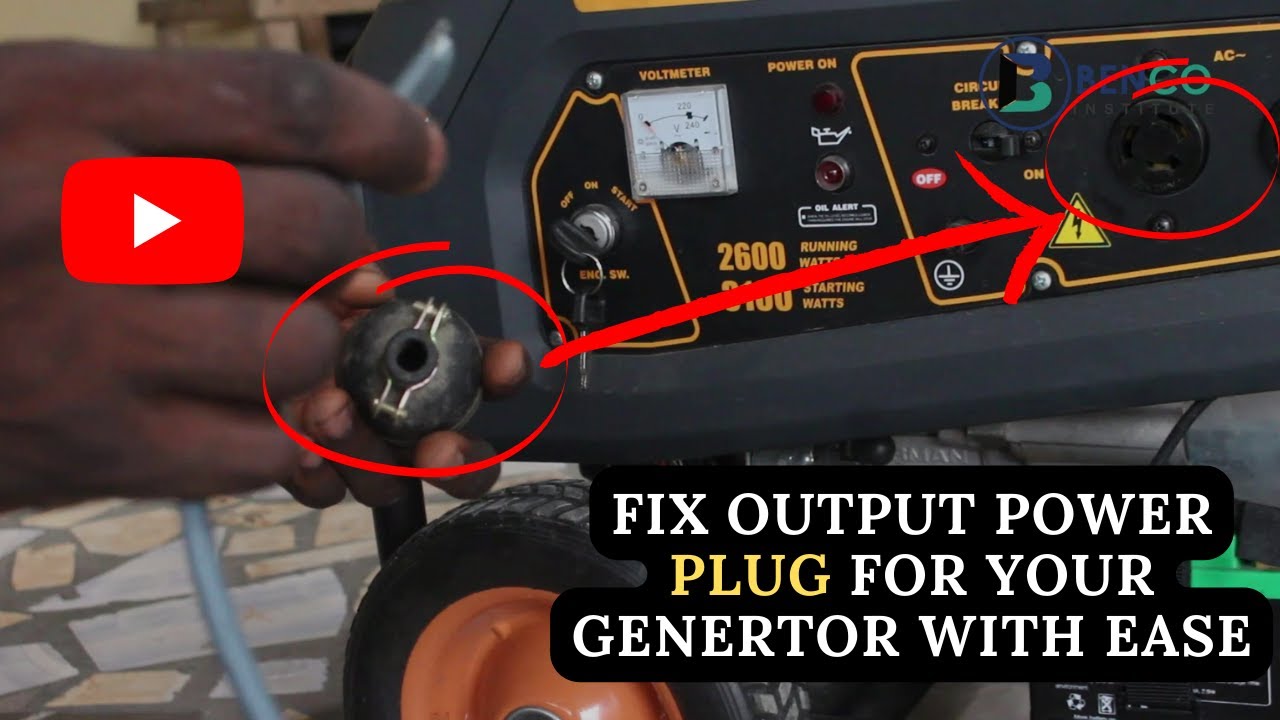
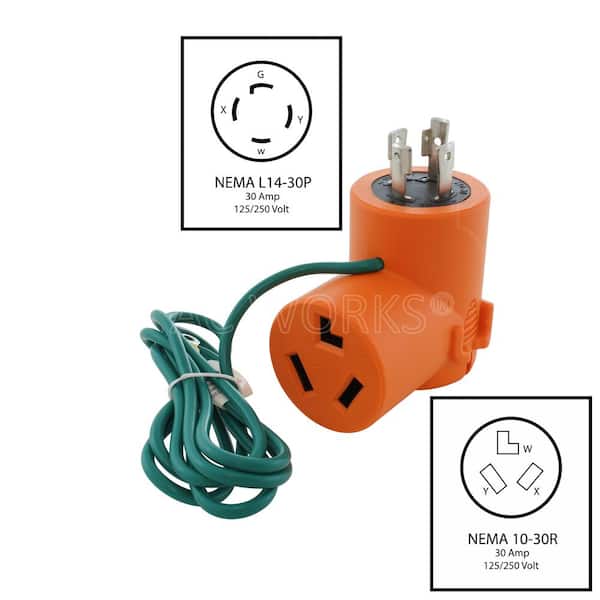
If the internal mechanism is broken, you must replace the entire component. When shopping for a new generator socket plug, always match the voltage and amperage rating specified on the original part. Installing a component with a lower rating is a major fire hazard, so prioritize quality and compatibility over cost.
Source: youtube.com
Maintenance Tips to Prevent Future Issues
Prevention is the best way to avoid repeating the repair process. I suggest applying a small amount of electrical contact grease to the socket terminals once a year. This keeps moisture out and prevents the corrosion that often leads to a failing generator socket plug in humid environments.
Store your generator in a dry, covered area to protect the electrical components from the elements. Regularly inspect your extension cords as well, because a heavy, damaged cord can put undue physical stress on the generator socket plug, eventually causing the mounting points to crack or loosen over time. Treat your equipment with care, and it will serve you reliably when the grid fails.
Source: homedepot.com
Frequently Asked Questions of How to Fix Generator Socket Plug
Is it safe to repair a generator socket plug myself?
Yes, it is safe if you follow strict safety protocols like disconnecting the power and using the correct tools. If you are uncomfortable with electrical wiring, it is best to hire a certified technician.
What should I do if the socket smells like burning plastic?
Stop using the generator immediately as this indicates a dangerous short circuit or extreme overheating. You should inspect the wiring and replace the damaged generator socket plug before attempting to draw power again.
How do I know if I need to replace the entire socket?
If the internal metal contacts are permanently deformed or the plastic housing is melted, repair is no longer an option. A replacement is necessary to prevent electrical fires and ensure a stable connection.
Can a loose socket cause damage to my appliances?
Yes, a loose connection creates voltage fluctuations that can harm sensitive electronics. Fixing the generator socket plug ensures a consistent flow of power, which protects your equipment from surges or brownouts.
What tools do I need for this repair?
You will need a set of insulated screwdrivers, a wire stripper, a non-contact voltage tester, and possibly a multimeter. Always ensure your tools are rated for the voltage of your generator system.
Conclusion
Restoring a faulty generator socket plug is a rewarding task that enhances your home’s emergency preparedness. By identifying the root cause, prioritizing safety, and ensuring solid connections, you can keep your power supply stable and reliable. Do not let a minor electrical inconvenience leave you stranded during an outage. Take the time to inspect your equipment today, and if you encounter a stubborn issue, do not hesitate to reach out to a professional. If you found this guide helpful, feel free to share it with fellow generator owners or leave a comment below with your own repair experiences.