
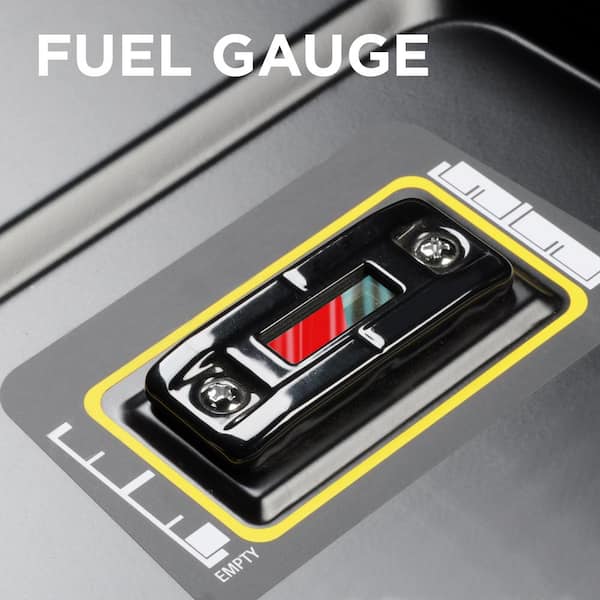
Drain gas by running until empty, draining the carburetor bowl, and siphoning fuel into an approved container.
I’ve worked on portable power for years and have drained and serviced many dual‑fuel Westinghouse units, including the 7500DF. This guide explains exactly how to drain gas from Westinghouse 7500DF generator step by step, why you should do it, what tools you need, and the common pitfalls I’ve seen. Read on for a clear, safe process that protects the engine and keeps your generator ready when you need it.

Why and when to drain gas from Westinghouse 7500DF generator
Draining fuel prevents varnish, gum, and clogged jets from ethanol‑blended gas. Long storage, shipping, or winterizing are common reasons to drain the tank and carburetor. Running fuel for months can cause hard starts and failed carburetor components.
Common situations to drain fuel:
- Preparing the generator for long-term storage.
- Switching from gasoline to propane or shipping the unit.
- Repairing carburetor or fuel-line components.
- Preventing ethanol damage during extended periods of inactivity.
Draining regularly when you know the unit will sit idle is cheaper than rebuilding a carburetor. My experience: a simple drain saved me a carb rebuild after a generator sat unused for nine months.
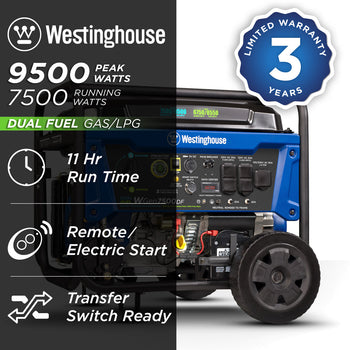
Safety first: tools, PPE, and prep
Safety is the top priority when you drain gas from Westinghouse 7500DF generator. Fuel is flammable and toxic. Take a few minutes to prepare before you start.
Tools and supplies you will need:
- Approved fuel container with sealable cap.
- Small siphon pump or fuel transfer pump.
- Flat screwdriver and socket set (for carburetor drain or manifold).
- Clean rags and a drain pan.
- Nitrile gloves and safety glasses.
- Spark plug wrench and insulated boot (for disabling ignition).
- Carburetor cleaner and small brush (optional).
Safety steps before you drain:
- Work outside or in a well‑ventilated area.
- Let the generator cool fully—hot parts can ignite fuel.
- Turn the engine off and move the fuel valve to OFF.
- Disconnect spark plug to prevent accidental starts.
- Remove all open flames and sparks from the area.
Following these steps reduces risk and makes the process smooth.
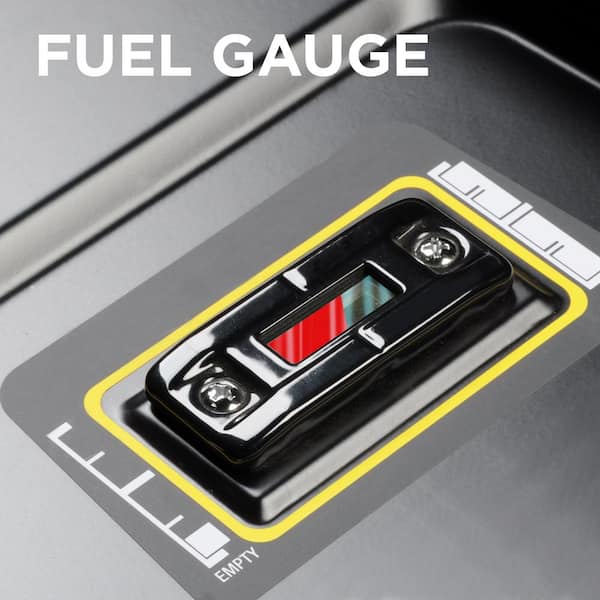
Step-by-step: how to drain gas from Westinghouse 7500DF generator
This procedure covers draining the fuel tank and the carburetor, the two places that matter most when you drain gas from Westinghouse 7500DF generator. Keep steps short and follow safety tips.
- Prepare and cool the unit
- Park the generator on a level surface outside.
- Allow the engine to cool for at least 30 minutes.
- Remove the key and disconnect the spark plug.
- Turn off fuel and remove fuel cap
- Move the fuel valve to the OFF position.
- Open the fuel cap slowly to relieve pressure.
- Place an approved container nearby.
- Siphon fuel from the tank
- Use a hand siphon pump to transfer fuel into the container.
- Avoid mouth siphoning. Use a pump only.
- Tilt the generator slightly if needed to reach remaining fuel.
- Drain the carburetor float bowl
- Locate the carburetor under the air box. Remove the air filter cover to see the carb.
- Find the float bowl drain screw or petcock on the carburetor base.
- Place a drip pan under the carb. Loosen the drain screw and let fuel drain until clear.
- Tighten the drain screw securely after draining.
- Remove inline fuel filter and fuel line (if needed)
- If fuel remains in the line, clamp the line and remove it from the carburetor.
- Drain remaining fuel into your container. Replace cracked hoses.
- Clean and finish
- Wipe spills, reinstall the air filter and panels.
- Reconnect the spark plug.
- Dispose of old fuel safely at a recycling center.
I once used only a siphon and didn’t drain the bowl. The carb still gummed up. Draining the float bowl is the key step many skip.

Draining the carburetor and fuel lines in detail
The carburetor holds the most trouble‑making fuel. When you drain gas from Westinghouse 7500DF generator, focus here.
- Locate the carbuletor under the air cleaner. Remove the air filter and housing.
- Identify the float bowl plug or drain screw. It’s a small screw on the carburetor’s bottom.
- Use a small wrench and a catch pan. Open the screw until fuel stops running.
- If the carb has no drain screw, disconnect the lower fuel line and allow the bowl to empty into the pan.
- Inspect the fuel filter. Replace if dark, clogged, or brittle.
- Spray carburetor cleaner into the bowl and jets if varnish is present.
Pro tip: after draining, run the engine briefly on the remaining fuel (if minimal) until it dies. Then drain the bowl to remove any residue.
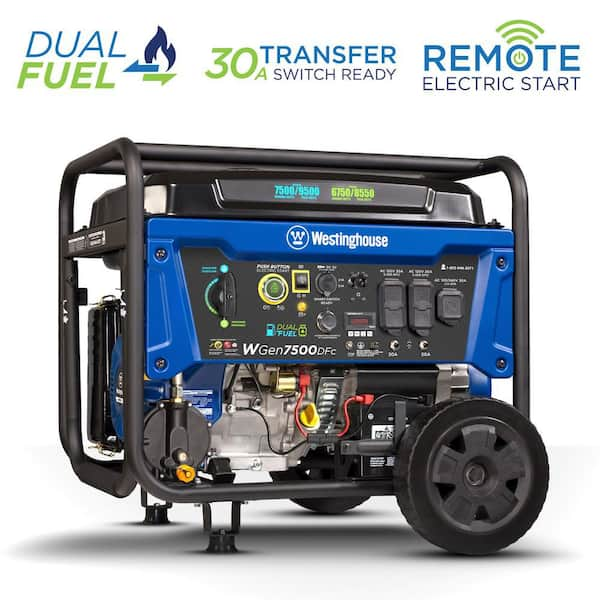
After draining: cleaning, maintenance, and storage
A clean generator stores better and starts reliably.
What to do next:
- Add a fuel stabilizer to fresh fuel if you plan to store with fuel. Stabilizer prevents varnish for several months.
- Replace the fuel filter annually or when contaminated.
- Run the engine briefly after adding fresh fuel and stabilizer to circulate it.
- Store the generator in a dry, covered spot and lift it off the ground if possible.
- Consider fogging the engine if storing long‑term to protect internal parts.
Limitations and notes:
- Draining avoids varnish but won’t fix a severely gummed carburetor. That needs a rebuild.
- Ethanol blends are more likely to cause deposit issues. Use ethanol-free fuel when possible.
Troubleshooting and common mistakes
Avoid these common errors when you drain gas from Westinghouse 7500DF generator.
Common mistakes:
- Not disconnecting the spark plug: risk of accidental start.
- Forgetting to drain the carburetor: leads to clogged jets despite empty tank.
- Using an unapproved container: legal and safety risk.
- Leaving the fuel valve open while storing: small leaks can cause varnish.
Troubleshooting tips:
- If the generator won’t start after draining and refilling, check the spark plug and fuel filter.
- If you smell fuel after reassembly, tighten fittings and check hoses for cracks.
- If the carb still sticks after cleaning, a rebuild kit may be needed.
Personal experience and lessons learned
I drained a Westinghouse 7500DF before winter one year and skipped the carburetor drain. Months later it wouldn’t start. I learned to always drain the bowl and replace the filter. Small steps save time and money.
Lessons I share:
- Always carry a small siphon pump in your tool kit.
- Label hoses if you disconnect them for easier reassembly.
- Keep a service log for dates you drained fuel and what you replaced.
These habits reduced my downtime and made maintenance predictable.
Quick PAA-style questions
Q: Can I drain gas without tools?
- You can siphon with a pump, but you still need an approved container and basic tools to access the carburetor safely.
Q: How long can gasoline sit in a Westinghouse 7500DF?
- Without stabilizer, gasoline can start degrading in 30–90 days. Add stabilizer to extend life for months.
Q: Do I need to drain propane?
- No. If using propane only, you don’t drain liquid fuel. Disconnect the tank and relieve pressure.
Frequently Asked Questions of how to drain gas from westinghouse 7500df generator
How long does it take to drain the fuel tank?
Draining the tank with a siphon pump usually takes 5–15 minutes depending on remaining fuel. Removing the carburetor bowl adds another 10 minutes.
Can I use mouth suction to siphon fuel?
No. Mouth siphoning is unsafe and exposes you to toxic fumes and fuel ingestion. Use a hand or electric siphon pump.
Will draining the tank damage seals or gaskets?
No. Proper draining does not harm seals. Prolonged exposure to degraded fuel can damage seals, so draining helps preserve them.
Do I need to run the generator until empty before draining?
You can siphon fuel without running it dry. Running it until it dies helps drain the line, but you must still drain the carburetor bowl.
How should I dispose of old gasoline?
Store old gasoline in an approved container and take it to a local hazardous waste or recycling facility. Never pour it on the ground or into drains.
Conclusion
Draining fuel is a simple, high‑impact task that keeps your Westinghouse 7500DF generator healthy and reliable. Follow the steps above—cool the engine, siphon the tank, drain the carburetor bowl, replace any bad hoses or filters, and store the unit correctly. A few careful minutes now can prevent a carburetor rebuild later.
Take action today: gather the tools, schedule a quick maintenance session, and add this drain procedure to your generator care checklist. If this guide helped, leave a comment or subscribe for more hands‑on generator tips.