Hybrid generators pair an engine and a battery system to balance fuel use, emissions, and backup power.
I have worked with backup systems and renewable setups for years, and I’ll explain how do hybrid generators work in clear, practical terms. This guide breaks down components, power flows, real-world uses, and maintenance tips so you can decide if a hybrid generator fits your needs. You’ll get simple diagrams in words, hands-on lessons, and actionable steps to install or choose one with confidence.
How do hybrid generators work: core components
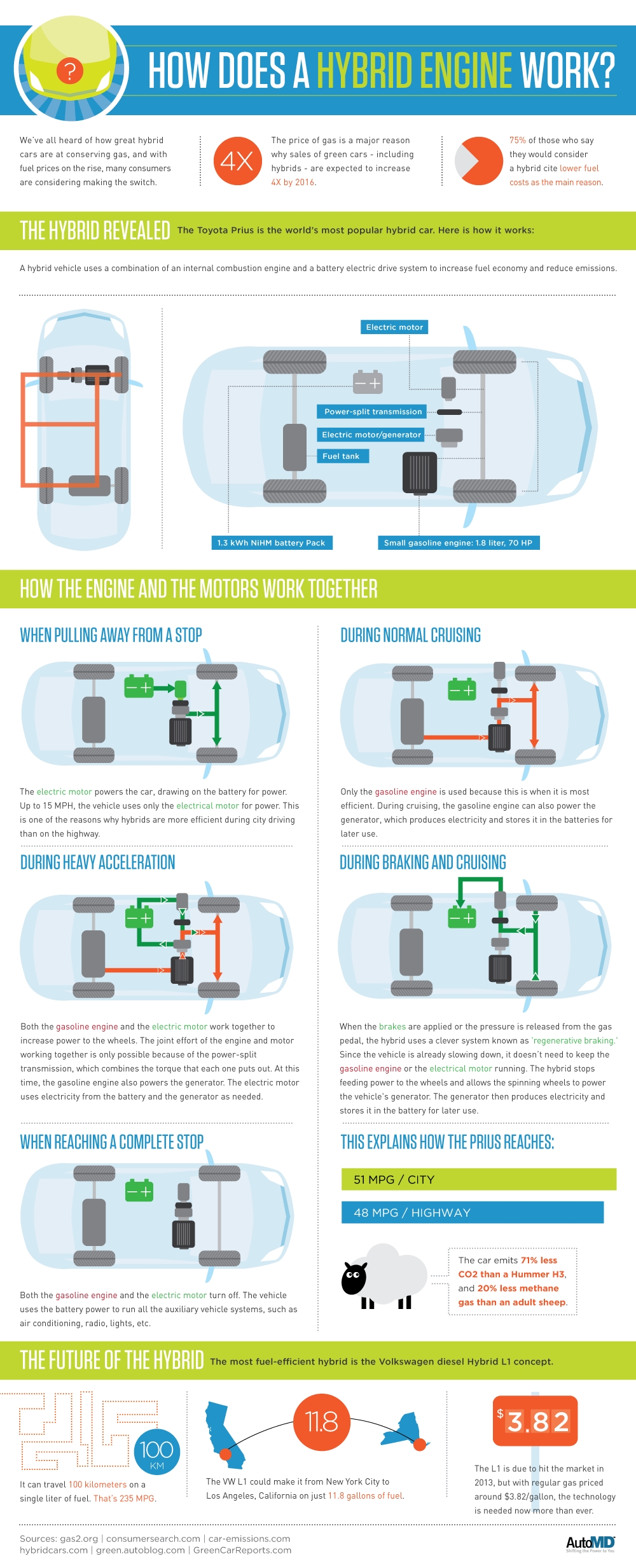
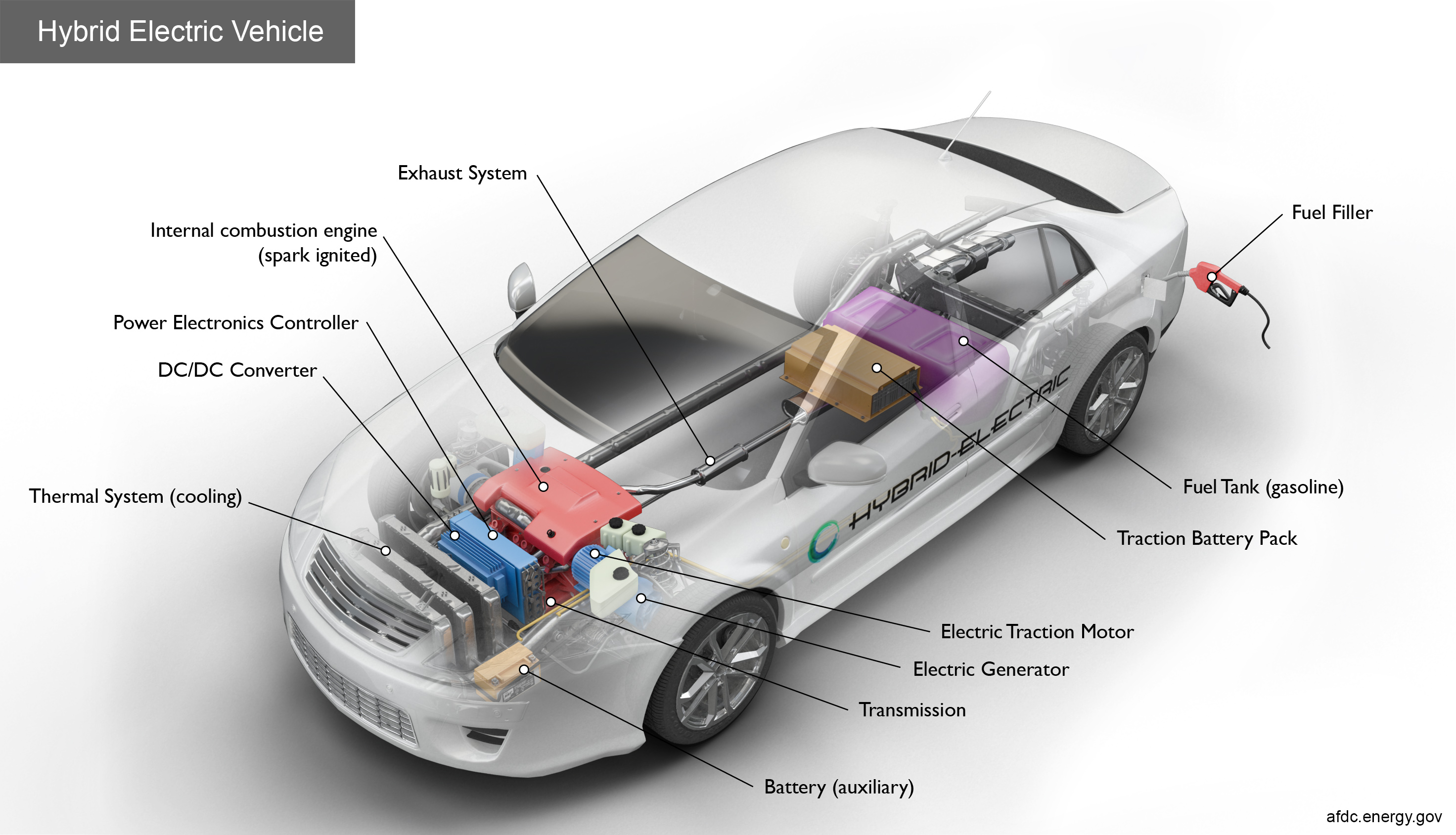
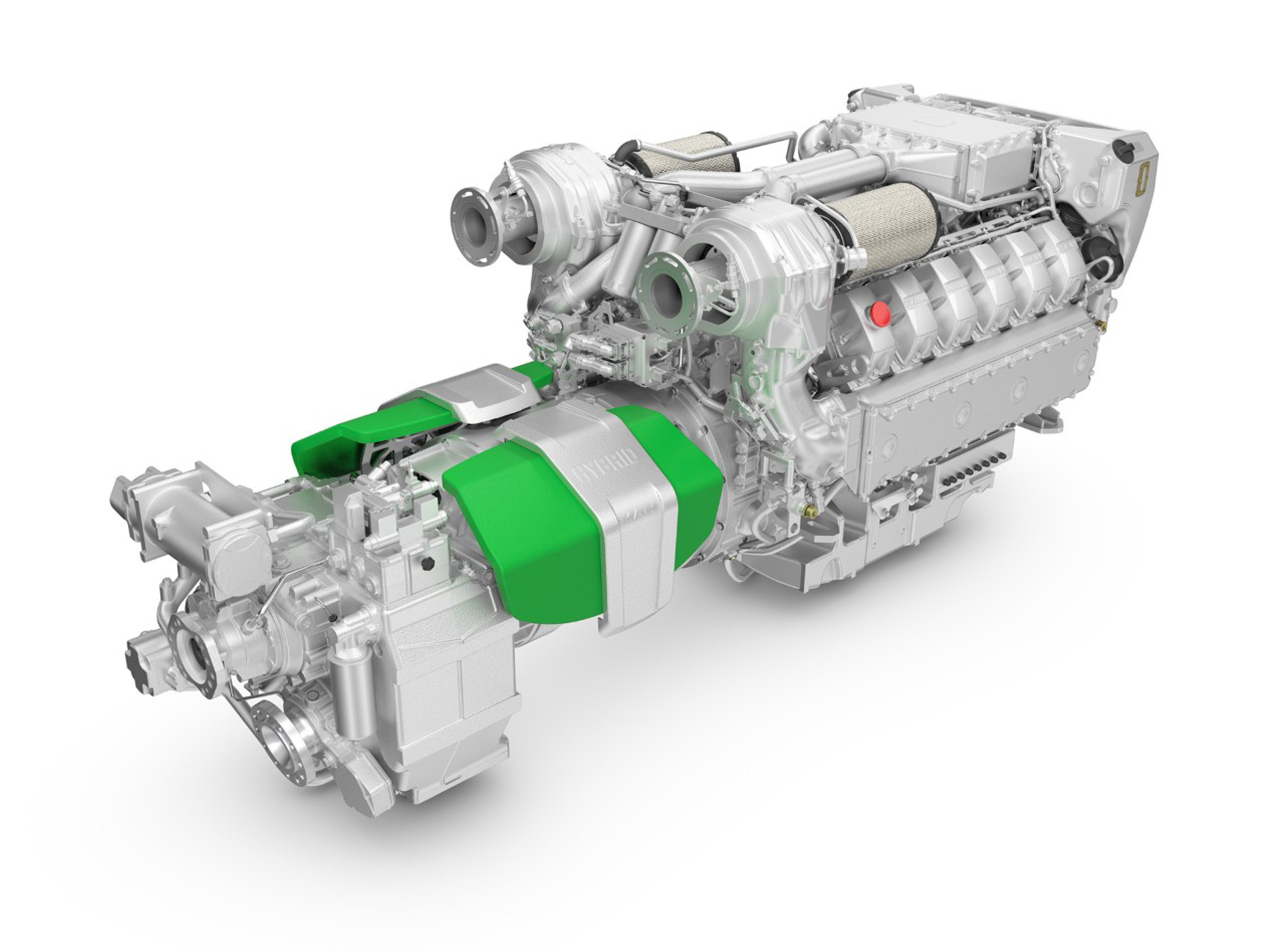
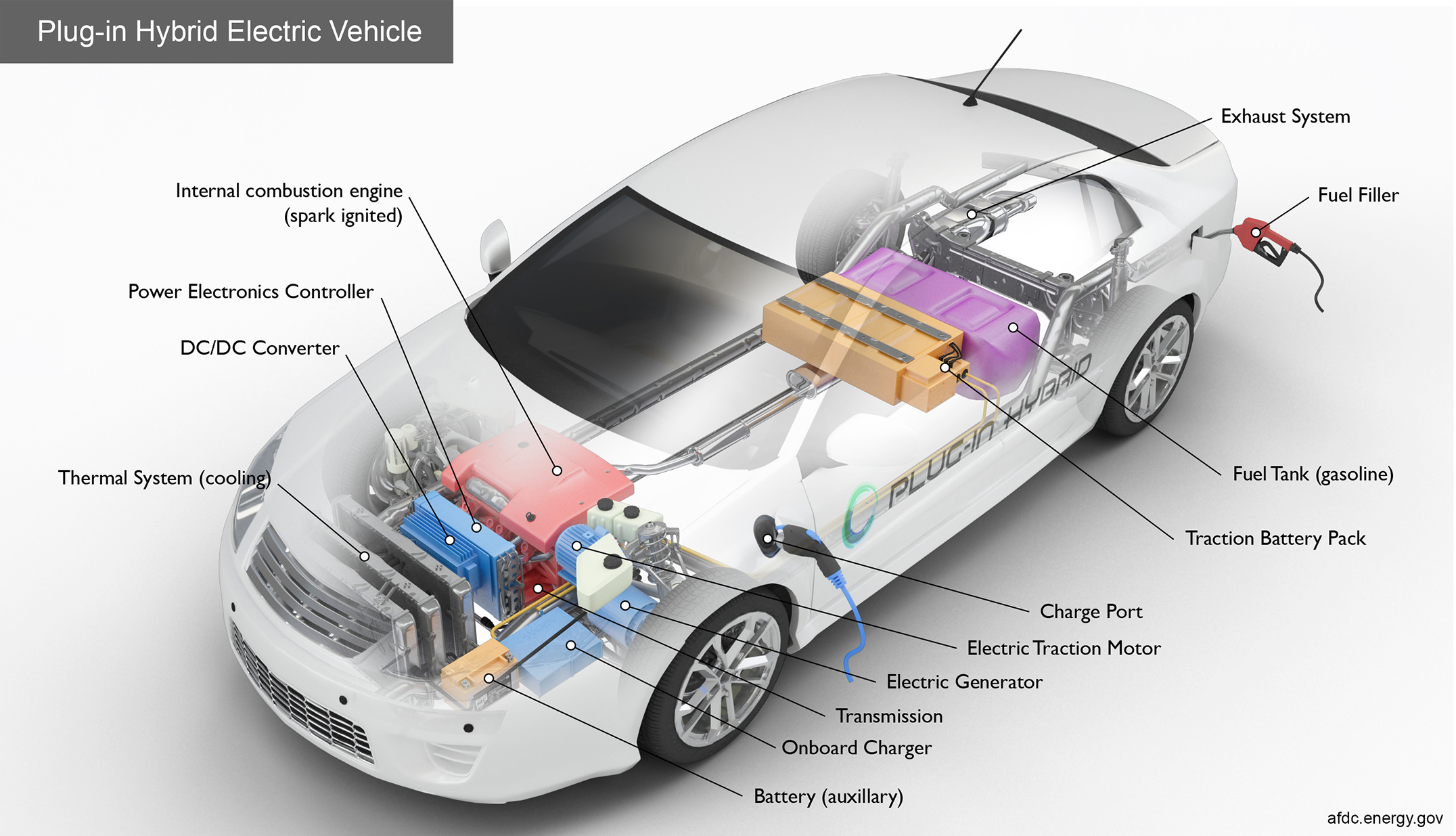
A hybrid generator mixes a conventional generator (usually diesel, natural gas, or propane) with an energy storage system, typically a battery. The control system decides when to run the engine, when to draw from the battery, or when to charge the battery. Hybrid setups often include an inverter, a transfer switch, and a smart energy management unit. These parts work together to give steady power while saving fuel and cutting emissions.
- Generator engine: provides sustained power when loads are high or batteries are low.
- Battery bank: supplies instant power and stores excess energy for later use.
- Inverter/charger: converts DC battery power to AC for household or commercial loads and charges batteries from the generator.
- Energy manager: software and hardware that optimize when each source runs based on demand, fuel cost, and battery state.
How do hybrid generators work in everyday terms? The battery handles short bursts and small loads. The engine starts only for extended or heavy demand. This keeps run time low and reduces fuel use.
Power flow and control systems
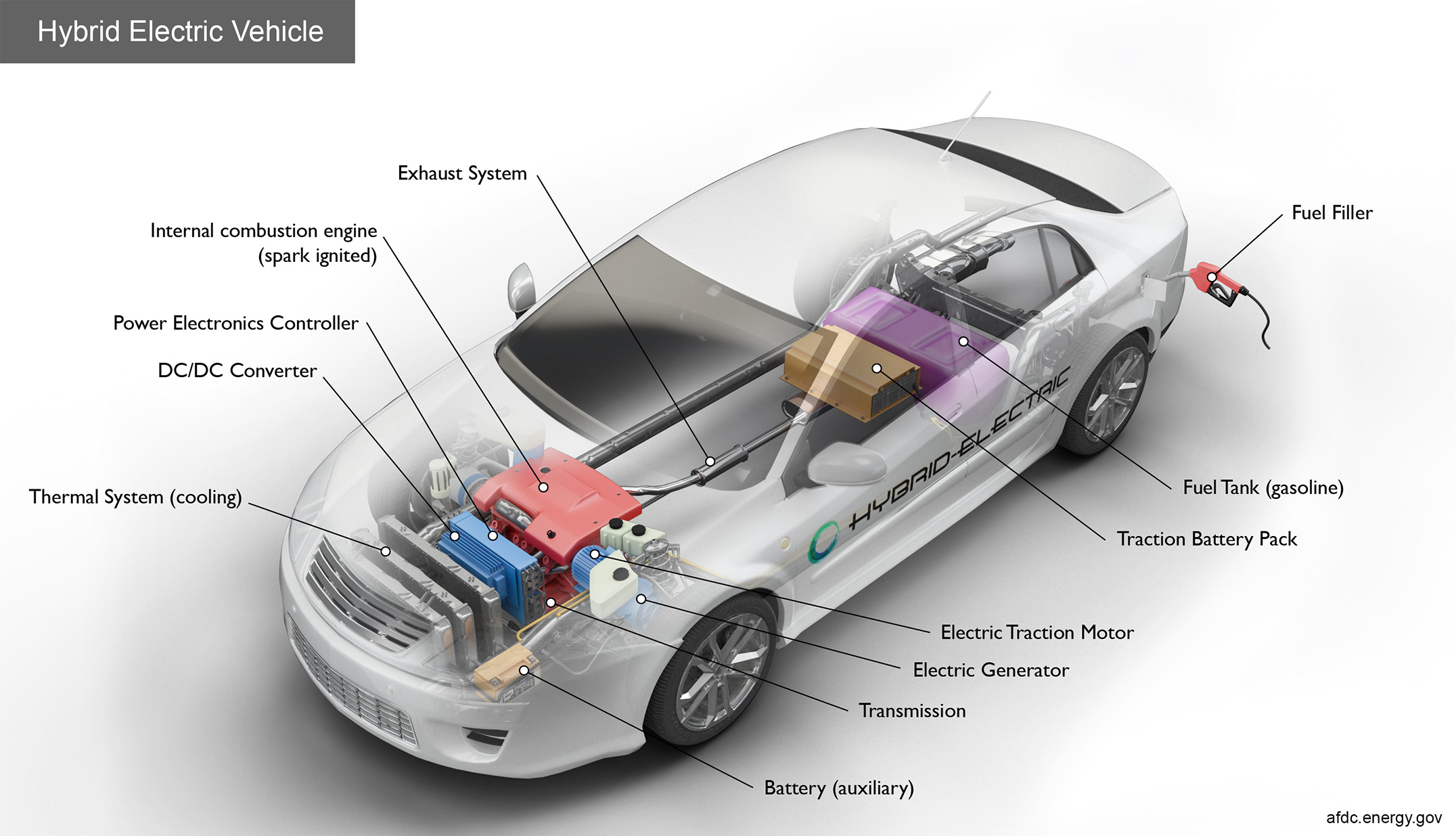
Power flow in a hybrid system follows simple rules: use the battery first for quick or low loads, run the engine when needed to recharge or meet high demand, and switch sources seamlessly for continuous power. The transfer switch isolates utility power, generator power, and inverter output safely. Modern controllers use algorithms to predict load trends and choose the most efficient mix.
- Peak shaving: batteries supply short peaks so the engine stays off.
- Load following: the engine modulates output based on demand while batteries smooth variations.
- Grid-interactive mode: some hybrids feed surplus energy back to the grid or draw from it when economical.
I’ve seen a hybrid controller extend generator life by reducing frequent startups. Proper tuning of the controller is key. Testing and firmware updates improve performance over time.

Types and configurations
Hybrid systems come in a few common layouts. Each layout affects complexity, cost, and performance.
- Standalone hybrid: generator plus battery and controller for off-grid or backup-only use.
- Grid-tied hybrid: connects to the grid and can sell or buy power.
- Microgrid/hybrid cluster: multiple generators and storage units manage community or commercial loads.
Depending on design, batteries can be lead-acid, lithium-ion, or flow batteries. The inverter can be single large unit or multiple modular units for redundancy. Choosing the right configuration depends on load profile, budget, and desired autonomy.
Benefits and limitations
Hybrid generators bring clear benefits but also trade-offs.
- Benefits:
- Lower fuel consumption because batteries handle short or low loads.
- Reduced emissions due to less engine runtime.
- Faster response to load changes and smoother power quality.
- Potential cost savings with smart grid or time-of-use pricing.
- Limitations:
- Higher upfront cost than a simple generator.
- Batteries have finite life and require replacement.
- System complexity requires skilled installation and tuning.
- Charging infrastructure and battery disposal create environmental and logistical concerns.
From my hands-on work, the biggest mistake owners make is undersizing the battery bank. Undersized batteries force the engine to run more, erasing efficiency gains. Plan for realistic daily cycles and some headroom.
Installation, sizing, and maintenance
Sizing a hybrid system starts with load analysis. List continuous loads, startup surges, and desired backup hours. That builds battery capacity and generator sizing.
- Steps to size and install:
- Calculate peak and average loads.
- Decide backup duration and grid interaction.
- Select battery chemistry and generator size with margin.
- Hire certified electricians and follow local codes for transfer switches and emissions.
- Maintenance tips:
- Exercise the generator per schedule and perform oil, filter, and coolant checks.
- Monitor battery health and balance cells when required.
- Keep firmware updated and test automatic transfers regularly.
I once retrofitted a remote clinic with a hybrid setup. We reduced weekly fuel deliveries by more than half. Regular training for the staff on testing procedures kept the system reliable.
Real-world examples and practical tips
Practical deployments show how do hybrid generators work under different conditions. In rural homes, hybrids cut fuel trips and solved noisy run issues. In commercial buildings, hybrids handle demand peaks to avoid expensive utility charges.
Practical tips from experience:
- Start small with a pilot system before scaling to a full microgrid.
- Use lithium battery systems if space and cycle life matter.
- Ensure ventilation and safety for battery rooms and generator enclosures.
- Monitor data daily for trends; a small problem early avoids big failures later.
Treat the controller like the brain of the system. I once misconfigured a charge threshold and the batteries cycled unnecessarily. Fixing the settings saved months of premature battery wear.

Frequently Asked Questions of how do hybrid generators work
How do hybrid generators work when the grid is available?
When the grid is available, a hybrid system can draw power from the grid, charge batteries, or sell excess energy back. The energy manager chooses the cheapest or most efficient source.
Can hybrid generators run entirely on batteries?
Yes, for short periods or low loads, a hybrid generator can run entirely on batteries until they reach a set discharge limit. The engine will start automatically when batteries get low or when load exceeds battery capacity.
How do hybrid generators work to save fuel?
They save fuel by using batteries for short peaks and idle times, reducing engine runtime and avoiding inefficient partial-load operation. Fewer starts and smarter run times cut fuel use.
Are hybrid generators more expensive to maintain?
Maintenance can be more involved because you care for both the engine and the battery system. However, reduced engine runtime often lowers engine maintenance costs, balancing the total expense.
How long do batteries last in hybrid generators?
Battery life depends on chemistry, depth of discharge, and cycle frequency. Lithium batteries commonly last 5–15 years, while lead-acid types often last 3–7 years under normal cycling.
Do hybrid systems work during blackouts?
Yes. Hybrid systems isolate from the grid during blackouts and supply power from batteries and the generator. They provide smoother transition and often seamless backup power.
Conclusion
Hybrid generators blend engines and batteries to deliver efficient, cleaner, and more flexible power. Understanding how do hybrid generators work helps you choose the right design, avoid common mistakes, and get the most value from the system. Start by mapping your loads, talk to certified installers, and consider a small pilot system to learn real-world behavior. Try one change this month: track your peak loads for a week and use that data to plan a hybrid setup or a smarter generator schedule. Share your results, ask questions, or subscribe to follow updates and real case studies.
1 thought on “How Do Hybrid Generators Work: Complete Guide”