
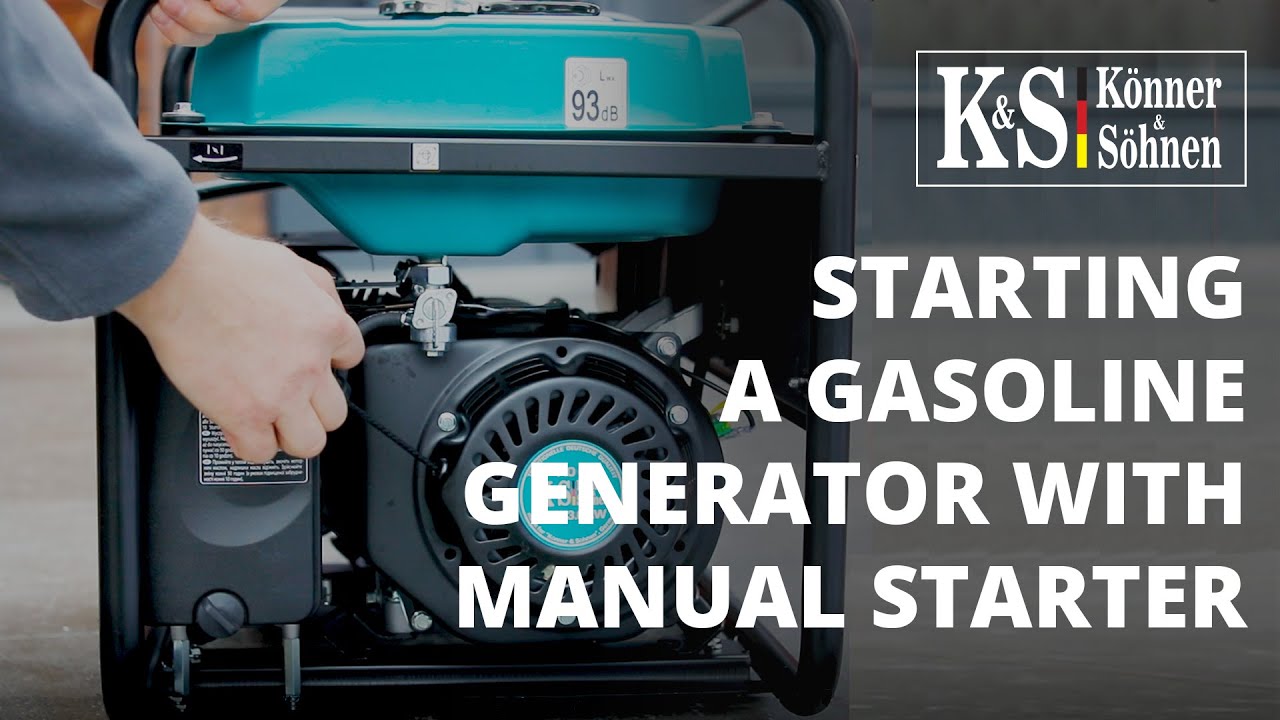
When the power goes out, knowing how to start your generator manually can save the day. Imagine being in the dark, relying on candles and flashlights while your neighbors enjoy the comfort of their homes.
You don’t have to be left in the cold. With the right steps, you can quickly get your generator up and running, ensuring your family stays safe and comfortable. You’ll learn everything you need to know about starting your generator manually.
We’ll break it down into simple steps, so you can feel confident and prepared for any power outage. Don’t miss out on this essential skill that can make a big difference when you need it the most. Let’s dive in!
Credit: powercontinuity.co.uk
Safety Precautions
Starting a generator manually requires careful attention to safety. Proper precautions can prevent accidents and injuries. Follow these steps to ensure a safe process.
Read The Manual
Always start by reading the generator’s manual. It provides important safety guidelines. Understanding the equipment helps you use it correctly.
Wear Protective Gear
Put on safety glasses and gloves. These protect you from flying debris. Also, wear sturdy shoes to prevent foot injuries.
Check The Area
Inspect the area around the generator. Make sure it’s clear of flammable materials. Remove any obstacles that could cause accidents.
Ensure Ventilation
Generators produce carbon monoxide. Start the generator in a well-ventilated space. Avoid enclosed areas to reduce the risk of poisoning.
Use Fuel Safely
Handle fuel carefully. Store it in approved containers. Avoid spills and never refuel while the generator is running.
Keep Children And Pets Away
Always keep children and pets at a safe distance. They can be unaware of dangers. Create a safe zone to prevent accidents.
Check For Leaks
Before starting, look for fuel or oil leaks. Any leaks can lead to fires. Fix leaks before you attempt to start the generator.
Be Cautious With Electrical Connections
Ensure all electrical connections are secure. Loose wires can cause shocks or fires. Use insulated tools to avoid risks.
Tools And Materials Needed
Starting a generator manually requires some basic tools. You need the right materials to ensure safety and efficiency. Here’s what you need for the task.
Safety Gear
Wear safety gloves. They protect your hands from sharp edges. Safety goggles prevent dirt and debris from getting in your eyes. A sturdy pair of boots keeps your feet safe.
Fuel
Ensure you have enough fuel. Check the fuel type for your generator. Gasoline or propane is common. Use fresh fuel for better performance.
Starting Tools
A manual starter rope is essential. It helps you start the generator easily. Some models may need a wrench for adjustments. Have it ready.
Extension Cord
Use a heavy-duty extension cord. It connects your generator to appliances. Choose the right length for your needs.
Maintenance Tools
Keep a screwdriver and pliers handy. These tools help with basic maintenance. Check for loose screws or connections.
Flashlight
A flashlight is important for low-light conditions. It helps you see what you are doing. A headlamp can also work well.
Manual Or Guide
Have the user manual nearby. It contains helpful instructions. Refer to it for troubleshooting tips.
Locating The Generator
Finding the right spot for your generator is important. Look for a flat, dry area away from buildings and flammable materials. Ensure there’s enough space around it for ventilation and easy access when starting it manually. Safety and convenience should always come first.
Locating your generator is the first step to starting it manually. Whether you’re preparing for an emergency or planning a camping trip, knowing where to find your generator is crucial. A proper location ensures easy access and operation when you need it the most.Understanding The Generator’s Placement
Take a moment to assess where your generator is stored. Is it in a garage, shed, or outside? Choose a location that is dry and well-ventilated. Generators produce exhaust fumes, so avoid placing them near windows or doorways. Consider accessibility, too. You should be able to reach the generator quickly, especially in emergencies.Checking For Obstacles
Before you start, check for any obstacles around the generator. Remove any debris, branches, or other items that could hinder access. A clear path will save you time and frustration later. Imagine trying to maneuver through a cluttered space during a storm. It’s not a pleasant thought, is it?Ensuring Safety First
Safety should always come first. Locate your generator at least 20 feet away from your home to prevent carbon monoxide buildup. Check your local regulations for specific guidelines. Have you ever considered how close your generator is to your living space? A little distance can make a significant difference in safety.Keeping It Ready For Use
Regular maintenance ensures your generator is always ready to go. If you can, choose a location that allows for easy access to fuel and maintenance tools. Establish a routine to check oil levels and clean filters. What could be more reassuring than knowing your generator is in top shape when you need it most? Locating your generator properly sets the stage for a smooth manual start. Always prioritize safety, accessibility, and maintenance. This approach will not only prepare you for emergencies but also enhance your overall experience with your generator.Checking Fuel Levels
Checking fuel levels is a crucial step in starting your generator manually. Without adequate fuel, your generator won’t run, leaving you in the dark during a power outage. Understanding how to check fuel levels can save you time and frustration when you need your generator the most.
Why Fuel Levels Matter
Running out of fuel is one of the most common reasons for generator failure. If your generator has insufficient fuel, it won’t start, and you’ll be left without power. Regularly checking fuel levels ensures you’re prepared when unexpected outages occur.
How To Check Fuel Levels
Here’s how you can quickly assess your generator’s fuel levels:
- Locate the fuel gauge. Most generators have a built-in gauge.
- If there’s no gauge, open the fuel tank cap and visually inspect the fuel level.
- Use a dipstick, if available, to check the fuel level accurately.
Types Of Fuel Used
Generators typically run on gasoline, diesel, or propane. Knowing the type of fuel your generator uses is key. Each type has different storage and maintenance needs.
Signs Of Low Fuel
Watch for these signs that indicate low fuel:
- Your generator runs erratically or sputters.
- You hear unusual noises from the engine.
- The fuel gauge shows a low reading.
Maintaining Fuel Levels
To avoid running low, keep your tank at least half full. This practice also prevents condensation, which can affect fuel quality. Regularly refuel your generator, especially before storm seasons.
Have you ever been in a situation where your generator wouldn’t start due to low fuel? It’s frustrating and often avoidable with a little planning. By making fuel checks a routine part of your generator maintenance, you can ensure reliable performance when you need it most.
Inspecting Oil Levels
Checking oil levels is crucial before starting a generator manually. Low oil can damage the engine. Always ensure the oil is at the proper level for safe operation.
Inspecting oil levels is a crucial step in starting your generator manually. It ensures that your generator runs smoothly and efficiently, preventing potential damage. Neglecting this step can lead to costly repairs or even a complete breakdown when you need the generator the most.Understanding Oil Importance
Oil lubricates the engine components, reducing friction and wear. It also helps in cooling the engine, which is vital for performance. Without sufficient oil, your generator may overheat or seize up.Checking The Oil Level
Start by locating the oil dipstick on your generator. – Turn off the generator and allow it to cool down. – Remove the dipstick and wipe it clean with a cloth. – Reinsert the dipstick fully, then remove it again to check the oil level. The oil should be within the marked range on the dipstick. If it’s low, you need to add oil immediately.Adding Oil Safely
Choosing the right oil is essential. Refer to your generator’s manual for the recommended oil type. – Use a funnel to pour oil into the fill opening. – Add oil gradually, checking the level frequently to avoid overfilling. Overfilling can be as harmful as having too little oil.Regular Maintenance Tips
Make it a habit to check oil levels regularly. – Inspect weekly if you use your generator often. – Check before each use if it’s for emergencies. Staying proactive can save you from unexpected failures. Taking a moment to inspect oil levels can make a significant difference in your generator’s performance. Have you ever had a generator fail on you due to neglecting this simple step? It’s a reminder that a little attention can go a long way in ensuring reliability.Verifying Battery Connections
Verifying battery connections is essential for starting a generator manually. Check that the cables are tight and free from corrosion. This ensures a strong power flow, helping the generator start smoothly.
Verifying battery connections is a critical step when starting a generator manually. A well-connected battery ensures that your generator receives the power it needs to start efficiently. This simple task can save you time and frustration when you need your generator the most.Check For Corrosion
Corrosion can impede electrical flow, preventing your generator from starting. Inspect the battery terminals and cables for any signs of rust or white powdery residue. – If you notice corrosion, clean it off using a mixture of baking soda and water. – Use a toothbrush or a wire brush to scrub away the buildup. – Rinse with clean water and dry thoroughly. Taking a few minutes to eliminate corrosion can make a significant difference in your generator’s performance.Ensure Tight Connections
Loose connections are a common culprit for generator startup issues. After cleaning, double-check that all battery cables are securely attached. – Use a wrench to tighten the bolts on the terminals. – Give each cable a gentle tug to ensure they are firm. Have you ever experienced a generator that wouldn’t start simply because a cable was loose? It’s a common scenario, but one that is easily avoidable with regular checks.Inspect Battery Voltage
A battery that is low on voltage can lead to starting problems. Use a multimeter to measure the battery’s voltage. – A healthy battery typically reads between 12.6 to 12.8 volts. – If your reading is below 12.4 volts, consider charging the battery or replacing it. Understanding your battery’s health is essential. It’s like checking your car’s fuel gauge before a long trip.Look For Physical Damage
Physical damage to the battery can also affect its performance. Examine the battery casing for any cracks or leaks. – If you find any damage, it might be time for a replacement. – A damaged battery can be dangerous and should not be used. Maintaining a functional battery is crucial for the reliability of your generator. Would you risk a power outage with a faulty battery? Verifying your battery connections is straightforward yet vital. Regular checks can prevent unexpected failures and ensure your generator operates smoothly when you need it most.Setting The Control Panel
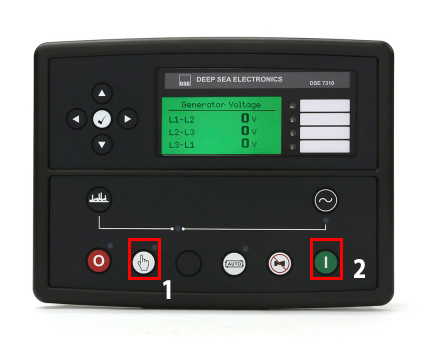
Setting the control panel is essential for starting a generator manually. Begin by checking the fuel level and ensuring connections are secure. Next, locate the start switch and turn it to the ‘on’ position before pulling the recoil starter gently.
Setting the control panel on your generator is a critical step in ensuring it starts smoothly and runs efficiently. This is where you will find the essential controls and indicators that help you manage the generator’s performance. Knowing how to navigate this panel can save you time and frustration, especially during an emergency.Familiarize Yourself With The Controls
Before starting your generator, take a moment to understand the control panel. Look for the main switches, which typically include the power switch and the start button. You might also see indicators for fuel level, battery status, and oil pressure. Knowing what each control does will help you make informed decisions when operating your generator.Check The Fuel And Oil Levels
Always start by checking the fuel level. Ensure there’s enough fuel in the tank to avoid running out mid-operation. Next, inspect the oil level. This is crucial for the engine’s health. If the oil is low, add the appropriate type of oil as specified in the user manual.Connect The Battery
If your generator has a battery, ensure it’s connected properly. A loose connection can prevent the generator from starting. Look for the battery terminals and tighten them if necessary. A little maintenance here can go a long way in ensuring a hassle-free start.Set The Voltage Output
Most generators allow you to adjust the voltage output. This is important if you plan to power sensitive electronics. Check the specifications of your devices and set the generator to the recommended voltage. This simple adjustment can protect your equipment from damage.Turn On The Fuel Valve
Before you start the generator, don’t forget to turn on the fuel valve. This allows fuel to flow from the tank to the engine. If you skip this step, your generator won’t start. It’s a small detail, but it can easily be overlooked in a hurry.Start The Generator
Now that everything is set, it’s time to start the generator. Flip the power switch to the “on” position and press the start button. Listen for the engine to turn over. If it doesn’t start on the first try, wait a moment and try again. Patience is key; don’t force it. Setting the control panel correctly is vital for a successful generator start. Taking these simple steps can ensure that your generator is ready to provide power when you need it most. Have you ever faced issues starting your generator? What tips do you have for others?Priming The Generator
Priming the generator is a key step before starting it manually. This process helps ensure the engine runs smoothly. It prepares the fuel system to deliver fuel efficiently. Skipping this step can lead to starting issues. Follow these steps to prime your generator correctly.
Locate The Primer Bulb
First, find the primer bulb on your generator. This bulb is often near the fuel tank. It usually looks like a small round button. Make sure it is clean and free of dirt. A dirty bulb can prevent proper priming.
Press The Primer Bulb
Next, press the primer bulb several times. Typically, three to five presses are enough. Each press moves fuel into the carburetor. You may feel resistance when the bulb is full. This means it is working properly.
Check Fuel Levels
Ensure the fuel tank has enough gasoline. Low fuel can cause starting problems. Use fresh fuel for the best results. Stale fuel can lead to clogged lines and poor performance.
Inspect For Leaks
Before starting, check for fuel leaks. Look around the fuel lines and connections. Any leaks should be fixed immediately. Safety is crucial when working with fuel.
Ready To Start
Once you have primed the generator, you are ready to start it. Follow the manufacturer’s instructions for the next steps. Proper priming makes starting easier and more reliable.
Starting The Generator
Starting a generator manually is simple. First, ensure fuel and oil levels are adequate. Then, locate the manual start cord and pull it firmly. The generator should start, providing power when needed. Always check safety features before use.
Starting the generator can seem daunting, but it’s a straightforward process once you know the steps. Whether you’re preparing for a camping trip or facing a power outage, being able to manually start your generator is essential. Here’s a simple guide to help you get started.Check Fuel And Oil Levels
Before you attempt to start the generator, ensure it has enough fuel and oil. – Fuel: Use fresh gasoline or diesel as needed. – Oil: Check the oil level using the dipstick, and add oil if it’s low. Running a generator with insufficient fuel or oil can cause serious damage. Always prioritize this step.Inspect The Generator
Take a moment to visually inspect your generator. – Look for any signs of wear or damage. – Ensure the air filter is clean. – Check the battery connections, if applicable. A quick inspection can save you from potential issues later. You don’t want to be left in the dark because of a minor oversight.Locate The Start Switch Or Pull Cord
Different models may have various starting mechanisms. Familiarize yourself with your generator’s start switch or pull cord location. – Electric Start: Look for the start button or switch. – Manual Start: Find the pull cord and ensure it’s not tangled. Knowing where to start can save you time during an emergency. Have you practiced locating these components? Now you’re ready to start your generator. Here’s how to do it based on the type of start mechanism: Electric Start: 1. Turn the fuel valve to the “On” position. 2. Set the choke to the “Closed” position. 3. Press the start button or switch. Manual Start: 1. Turn the fuel valve to “On.” 2. Set the choke to “Closed.” 3. Pull the cord firmly but smoothly until the engine starts. If it doesn’t start right away, don’t panic. Wait a moment and try again. Consistent practice will build your confidence.Adjust The Choke
After starting the generator, adjust the choke. – If you started with the choke closed, switch it to the “Open” position once the engine runs smoothly. This helps the engine operate efficiently. Are you monitoring the sound of the engine? It can provide valuable feedback on its performance.Connect Your Appliances
Once the generator is running, you can start connecting your appliances. – Use heavy-duty extension cords for safety. – Avoid overloading the generator by checking the wattage of your devices. Take a moment to plan what you need to power. Think about what you can’t live without during an outage. Starting your generator manually doesn’t have to be a stressful experience. With these steps, you’ll be prepared and ready to handle any situation that comes your way.Monitoring Performance
Monitoring performance is key when starting a generator manually. Ensure the fuel level is adequate and check the battery condition. Follow the steps carefully for a smooth start and safe operation. Regular checks help maintain efficiency and prevent issues.
Monitoring the performance of your generator is crucial for ensuring it operates efficiently and safely. Regular checks can help you catch potential issues before they become significant problems. Understanding how to monitor your generator will save you time, money, and stress in the long run.Check The Fuel Level
Always start by checking the fuel level. An empty tank can lead to unnecessary frustration and downtime. – Look for leaks. Inspect for any signs of fuel leaks around the tank and lines. – Use the right fuel. Ensure you’re using the recommended fuel type for your generator. Keeping an eye on your fuel will prevent unexpected interruptions during use.Inspect The Oil Level
Oil is essential for smooth operation. Regularly checking the oil level can extend your generator’s lifespan. – Check oil regularly. Make it a habit to inspect the oil level before each use. – Change oil as needed. Follow the manufacturer’s guidelines for oil change intervals. A well-lubricated engine runs cooler and performs better.Monitor Load Capacity
Understanding your generator’s load capacity is vital. Overloading can cause damage and reduce performance. – Know your limits. Check the specifications for your generator’s maximum wattage. – Balance the load. Distribute your devices evenly to avoid putting too much strain on one circuit. Keeping your load within limits ensures reliability.Listen For Unusual Sounds
Your generator will often give you audio clues about its condition. Pay attention to any unusual noises. – Rattling or grinding. These sounds could indicate loose parts or mechanical issues. – Consistent humming. A steady sound usually means the generator is running smoothly. If you hear something out of the ordinary, investigate immediately.Examine The Exhaust
The exhaust can reveal a lot about your generator’s health. Check for smoke or unusual smells. – Black smoke. This could indicate an overloaded engine or too much fuel. – Blue smoke. This suggests oil is burning, which may require immediate attention. Monitoring exhaust emissions helps you catch problems early.Perform Regular Maintenance
Routine maintenance is key to optimal performance. Establish a maintenance schedule that works for you. – Clean filters. Dust and debris can clog air filters, reducing efficiency. – Inspect spark plugs. Replace them as necessary to ensure reliable ignition. Regular upkeep keeps your generator in top shape and ready to go. Maintaining a keen eye on these aspects will help you monitor your generator effectively. Are you ready to take charge of your generator’s performance? The benefits of proactive monitoring are undeniable.Shutting Down Safely
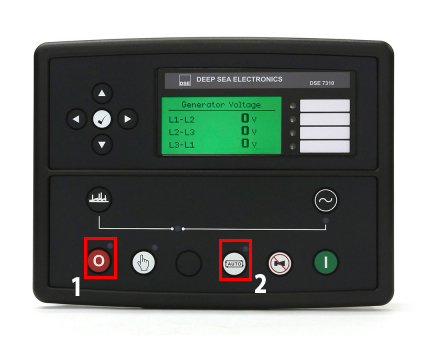
Starting a generator manually is a simple process. First, ensure the generator is on a flat surface. Next, check the fuel and oil levels. Pull the starter cord firmly until the engine starts. Follow safety steps to keep everything secure.
Always refer to the user manual for specific instructions.
Shutting down your generator safely is just as important as starting it. A hasty shutdown can lead to damage or even accidents. By following the right steps, you can ensure that your generator is turned off properly and efficiently.Turn Off The Load
Before shutting down your generator, always turn off any devices connected to it. This reduces the risk of an electrical surge. 1. Unplug appliances. 2. Switch off any lights or equipment. 3. Wait until everything is off before proceeding. Taking this step ensures that your generator doesn’t have to deal with sudden changes in power demand.Allow For Cool Down
Generators generate a lot of heat during operation. Giving it time to cool down is crucial for its longevity. – Allow the generator to run for about 5-10 minutes without load. – This helps dissipate heat and stabilize engine temperature. Cooling down prevents damage to internal components and helps maintain performance for future use.Turn Off The Fuel Valve
After the cool-down period, it’s time to turn off the fuel valve. This step is vital for safety. 1. Locate the fuel valve on your generator. 2. Turn it to the off position. Shutting off the fuel prevents leaks and reduces the risk of fire hazards.Disconnect The Battery
If your generator is equipped with a battery, disconnect it to protect the electrical system. – Remove the negative terminal first, followed by the positive. – This prevents any accidental short circuits. Taking this precaution can save you costly repairs down the road.Store Properly
After shutdown, proper storage of your generator is essential. – Keep it in a dry, cool place away from flammable materials. – Cover it to prevent dust accumulation. Proper storage extends the life of your generator and ensures it’s ready for your next power need. You might think shutting down is straightforward, but each step plays a role in maintaining your generator’s health. Have you considered how neglecting these steps could affect your equipment? Prioritizing safety and maintenance not only protects your generator but also your home and family.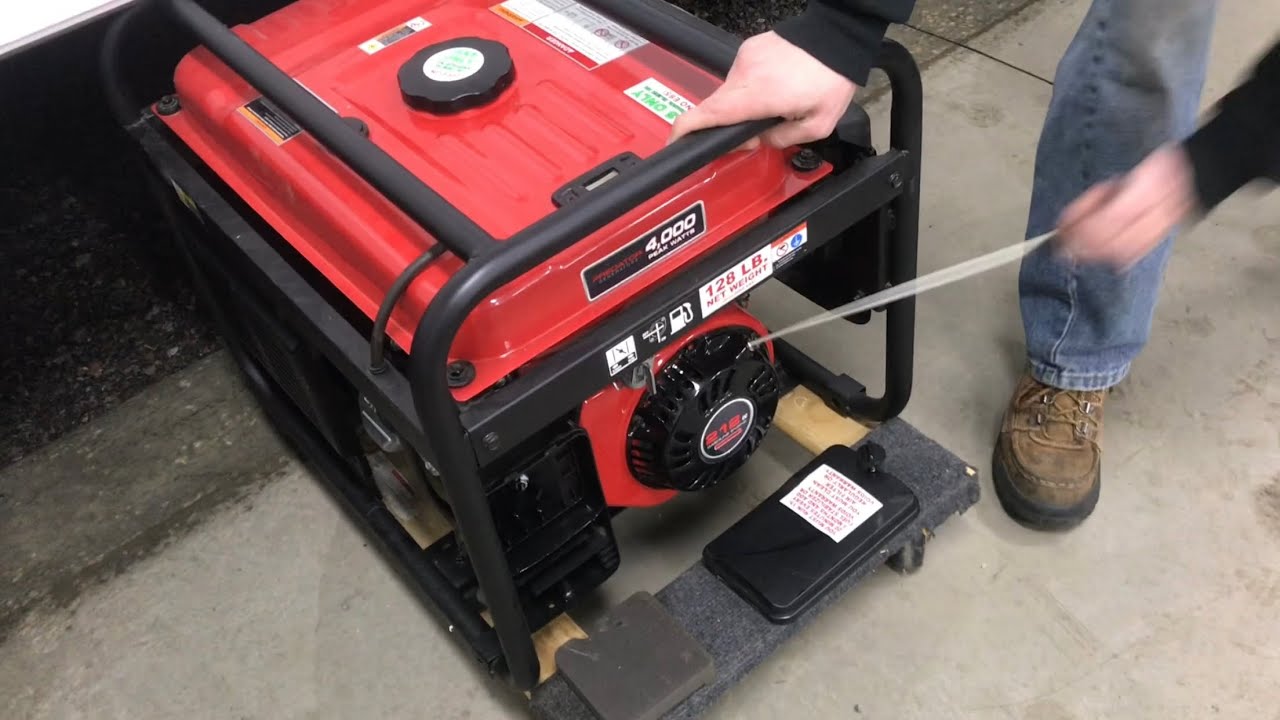
Credit: www.youtube.com
Credit: powercontinuity.co.uk
Frequently Asked Questions
How Do I Start A Generator Manually?
To start a generator manually, first ensure it’s fueled and oil levels are sufficient. Locate the manual start mechanism, usually a recoil starter or a switch. Pull the starter cord firmly or flip the switch to engage the engine. Allow the generator to stabilize before connecting any devices.
What Safety Measures Should I Take?
Before starting a generator, prioritize safety. Always operate it outdoors to avoid carbon monoxide buildup. Wear protective gear, such as gloves and goggles. Ensure proper ventilation and keep flammable materials away from the generator while in use.
Can I Use A Generator During A Power Outage?
Yes, generators are ideal during power outages. They provide backup power to essential devices and appliances. Be sure to follow proper guidelines for connecting the generator. Avoid overloading the generator to ensure safe and efficient operation.
How Do I Maintain My Generator?
Regular maintenance is crucial for generator longevity. Check the oil level, air filter, and spark plug frequently. Clean the fuel system and inspect for leaks. Schedule professional servicing annually to ensure optimal performance and safety.
Conclusion
Starting a generator manually is a useful skill. It ensures you have power when needed. Always follow safety guidelines for a smooth process. Check the fuel and oil levels before starting. Knowing the steps helps you feel confident. Practice this skill to handle emergencies better.
With time, it becomes easier. Don’t hesitate to refer back to this guide. Being prepared makes a big difference. Stay safe and power up effectively.