
Are you prepared for unexpected power outages? Knowing what generator can power a house can make all the difference in keeping your home safe and comfortable.
You want to ensure that your family has electricity for essential appliances, heating, and cooling. But with so many options available, how do you choose the right one? This guide will help you navigate the world of generators. You’ll discover the types of generators available, their power capacities, and what you need to consider before making a purchase.
By the end, you’ll be equipped with the knowledge to choose a generator that meets your needs and keeps your home running smoothly. Let’s get started!
Types Of Generators
Generators come in different types. Each type serves unique needs. Understanding these types helps you choose the right one for your home.
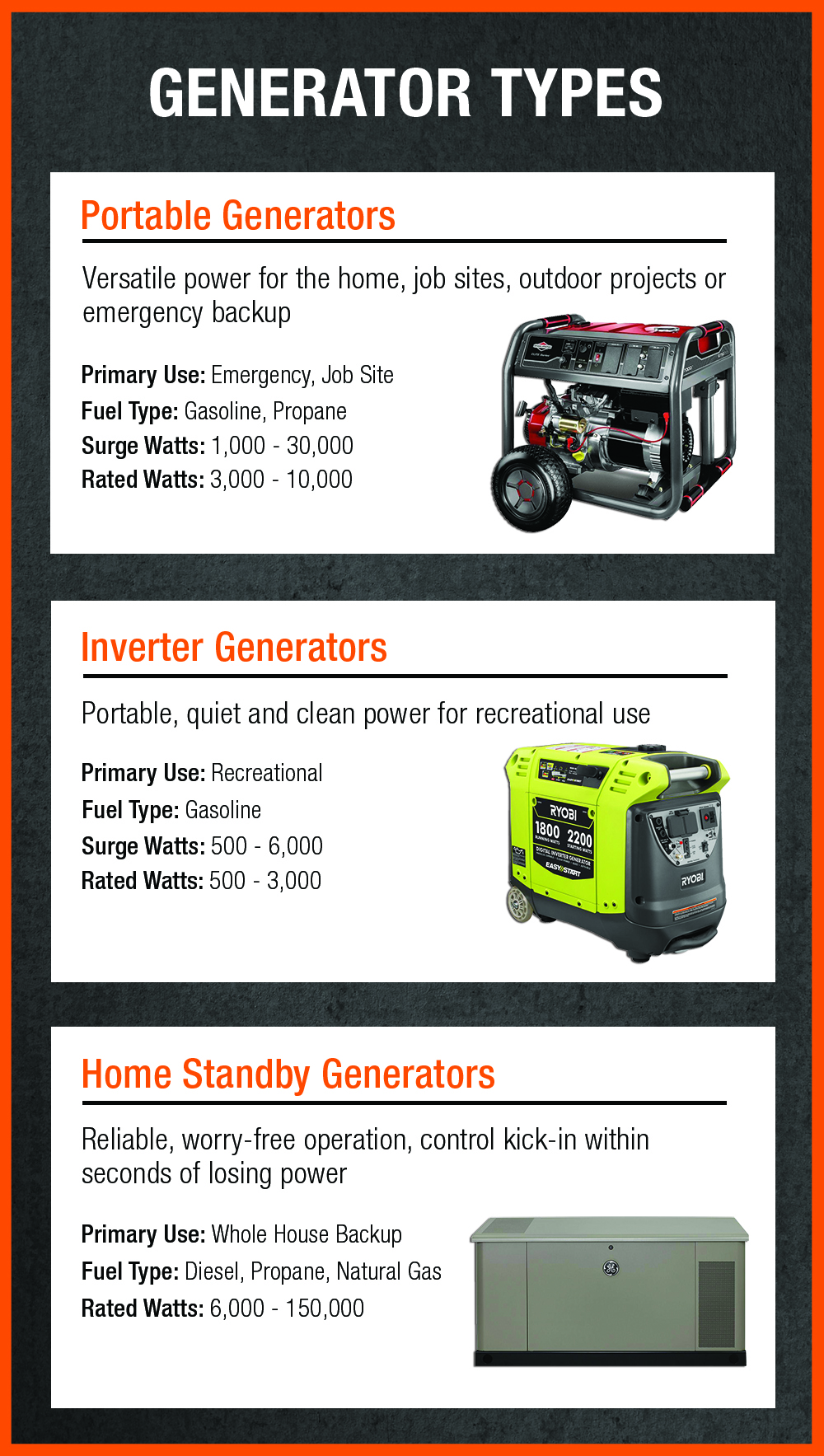
Portable Generators
Portable generators are versatile and easy to move. They provide temporary power during outages. These generators run on gasoline or propane.
They are ideal for camping or outdoor events. Many can power essential appliances. They usually have lower wattage compared to other types.
Standby Generators
Standby generators offer permanent power solutions. They connect directly to your home’s electrical system. These generators automatically turn on during outages.
They run on natural gas or propane. Standby generators can power your entire home. They are more expensive but provide peace of mind.
Inverter Generators
Inverter generators are compact and lightweight. They produce clean power for sensitive devices. These generators adjust their output based on demand.
They are quieter than traditional generators. Inverter generators are great for home use and travel. They offer efficiency and portability in one package.
Credit: corporate.homedepot.com
Power Requirements
Understanding power requirements is key. It helps you choose the right generator. Knowing how much power you need can prevent problems later.
Every home has different needs. Some homes use more energy than others. Identifying these needs is vital for a smooth operation.
Calculating Wattage Needs
Calculating wattage needs is simple. Start by listing all your appliances. Write down how much power each one uses.
Look for the wattage on the label. Some appliances may need extra power to start. This is known as surge or starting wattage.
Add the running wattage and the starting wattage. This gives you the total wattage needed. Knowing this helps you pick the right generator size.
Essential Appliances To Consider
Focus on essential appliances first. These include refrigerators, heaters, and lights. You may also need to power your devices like phones and laptops.
List these appliances and their wattage. Prioritize them based on importance. Some items can be unplugged if necessary.
Don’t forget about heating and cooling systems. They often require a lot of power. Make sure to include them in your calculations.
Handling Peak Power Demands
Peak power demands can be tricky. This is when multiple appliances run at the same time. A generator must handle this demand.
Consider using a generator with extra wattage. This gives you a safety buffer. It prevents overloading the generator.
Using a transfer switch is a smart choice. It helps manage power distribution. This can prevent damage to your appliances and generator.
Fuel Options
Generators can run on different types of fuel. Common options include gasoline, propane, and diesel. Each fuel type affects how long and how efficiently the generator can power your home. Understanding these options helps in choosing the right generator for your needs.
Fuel options play a crucial role in determining what generator can power your house. Each type of generator uses a different fuel source, influencing not just efficiency but also convenience and cost. Understanding these options helps you make an informed decision that suits your needs and lifestyle.Gasoline Generators
Gasoline generators are popular due to their availability and ease of use. You can find them at most gas stations, which makes refueling straightforward. However, they have downsides. They can be noisy and may not run for long periods without needing a refill. If you’re powering your home during an extended outage, keeping enough gasoline on hand can be a challenge. Consider the storage and safety aspects. Gasoline is flammable and requires careful handling and storage. Have you thought about your local regulations regarding gasoline storage?Propane Generators
Propane generators offer a cleaner alternative to gasoline. They burn more efficiently and produce fewer emissions, making them an environmentally friendly choice. Propane tanks are easy to store and can be refilled without the hassle of frequent trips to the gas station. Many people find they can run longer on propane than on gasoline, which is a big plus during long outages. Think about your usage patterns. Will you need a backup generator regularly, or just occasionally? This can affect whether propane is the right choice for you.Diesel Generators
Diesel generators are known for their durability and fuel efficiency. They can run for long periods, making them ideal for larger homes or businesses that require consistent power. While diesel fuel is generally more expensive than gasoline, it provides a more stable power source. Diesel engines tend to last longer and require less maintenance, which can save you money in the long run. However, consider the noise level. Diesel generators can be louder than their gasoline or propane counterparts. Will the noise be a concern for you or your neighbors?Solar-powered Generators
Solar-powered generators are becoming increasingly popular as people seek sustainable energy solutions. They harness the power of the sun, which means you can generate electricity without ongoing fuel costs. These generators are quiet and have minimal environmental impact. However, their effectiveness can depend on your location and weather conditions. You might need a backup power source for cloudy days or during winter months. Are you prepared for those times when solar energy might not be sufficient? Choosing the right fuel option for your generator comes down to your specific needs, preferences, and lifestyle. Each type has its benefits and drawbacks, so weigh them carefully to find the best fit for your home.Sizing The Generator
Choosing the right generator for your home requires understanding power needs. Calculate the wattage of essential appliances. This helps ensure you select a generator that can meet your household’s energy demands effectively.
Sizing the generator is crucial for ensuring that your home stays powered during outages. Choosing the right generator involves understanding your power needs and selecting a unit that can handle them efficiently. Let’s break down the options available based on the scale of your requirements.Small Generators For Basic Needs
Small generators are perfect for powering essential appliances like refrigerators, lights, and a few electronics. Typically, these generators provide between 1,000 to 3,000 watts. If you only need to keep the lights on and your fridge running, a small generator might be all you need. You can easily plug in a few items and enjoy a comfortable environment during a blackout. Imagine a stormy night when the power goes out. With a small generator, you can still heat up some food and keep your family safe without breaking the bank.- Lightweight and portable
- Lower fuel consumption
- Ideal for camping or small emergencies
Medium Generators For Moderate Usage
Medium generators cater to those who want to power more than just the essentials. These units typically range from 3,000 to 7,000 watts. This size allows you to run multiple appliances at once, like your HVAC system, a few lights, and kitchen appliances. Have you ever found yourself needing to charge devices while cooking during an outage? A medium generator can help you manage these needs comfortably. Consider these features: – Enough power for a few major appliances – More fuel-efficient than larger models – Suitable for homes in areas with frequent outagesLarge Generators For Full Home Power
Large generators are designed to power your entire home. With outputs exceeding 7,000 watts, these units can handle everything from HVAC systems to multiple refrigerators and more. If you live in an area prone to long outages, investing in a large generator could be a game-changer. It ensures that you and your family can maintain a normal lifestyle despite power interruptions. Think about a time when you had guests over and the power suddenly went out. A large generator would keep the air conditioning running, the lights on, and the food fresh, allowing everyone to enjoy the evening. Key benefits include: – Comprehensive power for all appliances – Can run for extended periods – Often equipped with automatic transfer switches for convenience Choosing the right size generator boils down to your specific needs. What appliances are critical for your comfort? Understanding your power requirements will help you make the best choice for your home.Key Features To Look For
Choosing the right generator for a house involves several important features. Look for power output, fuel type, and runtime. Portability and noise level also matter. These factors help ensure you select a generator that meets your home’s needs effectively.
Choosing the right generator to power your house means considering several key features. Each feature plays a crucial role in ensuring you have a reliable and efficient energy source during outages. Here’s what to look for to make an informed decision.Automatic Transfer Switch
An automatic transfer switch (ATS) is essential for seamless power transitions. It detects when your main power supply fails and automatically switches to the generator. This feature saves you from the hassle of manual intervention and ensures your home remains powered without interruption. Having an ATS can be a game-changer during storms or unexpected outages. You won’t have to rush outside in bad weather to start your generator. Your home stays safe and comfortable, even when the lights go out.Noise Levels
Noise can be a significant factor when choosing a generator. Some models are surprisingly quiet, allowing you to use them without disturbing your neighbors. Look for generators with low decibel ratings—typically around 60 dB or less. Consider your lifestyle. If you enjoy peaceful evenings on your porch or have close neighbors, a quieter generator will enhance your experience. Always check user reviews about noise levels before making a purchase.Portability And Design
Portability matters, especially if you plan to use your generator in various locations. Lightweight designs with sturdy wheels make transportation easier. Look for handles that provide a secure grip for effortless movement. Think about your storage options. A compact design that fits neatly in your garage or shed can save space. Assess your needs to determine whether you want a stationary or portable generator.Durability And Build Quality
Durability is a must for any generator. You want a unit that can withstand various weather conditions and heavy use. Check for materials like steel frames and high-quality engines that promise longevity. Investing in a durable generator means fewer repairs and replacements down the line. It’s worth it to pay a bit more for a model that will last. Read reviews to gauge the experiences of other users regarding build quality and reliability. Finding the right generator involves more than just looking at wattage. Focus on these key features to make sure you choose a unit that meets your needs and keeps your home powered when it matters most. What features do you think are non-negotiable in your search?Installation Considerations
Installing a generator for your home requires careful thought. Choosing the right generator is just the first step. Consideration of installation factors is essential for safety and efficiency.
Professional Installation Vs Diy
Deciding between professional installation and DIY is crucial. Professional installers have the right skills and tools. They ensure that the generator meets local codes. This helps avoid future problems.
DIY installation can save money. However, it requires knowledge of electrical systems. Mistakes can lead to safety hazards. Assess your comfort level before choosing this route.
Location And Placement
Choosing the right location for your generator is vital. Place it in a well-ventilated area. Generators produce harmful fumes. Avoid placing it near windows or doors.
Consider the noise level too. Some generators are louder than others. Check local noise ordinances. This helps maintain peace in your neighborhood.
Safety Measures
Safety should be your top priority. Install carbon monoxide detectors inside your home. These devices can alert you to dangerous fumes.
Keep the generator dry and protected. Use a weatherproof cover if needed. Always follow the manufacturer’s guidelines for safe operation.
Regular maintenance is key. Check fuel levels and change oil as needed. This ensures your generator runs smoothly.
Cost And Budgeting
Buying a generator is a big decision. You need to think about the costs. This includes the initial purchase price. You should also plan for ongoing expenses. Understanding these costs helps you budget better. Let’s break down the main costs.
Initial Purchase Cost
The first cost is the price of the generator. Generators vary in price. A small portable generator may cost around $400. A larger whole-house generator can cost over $5,000. Your choice depends on your power needs. Make sure to research different brands and models.
Operating Expenses
After buying a generator, you will have operating costs. Fuel is a major expense. Generators can run on gasoline, propane, or diesel. Prices for fuel change often. You must budget for regular refueling. Electricity use also adds to your costs. Calculate your average energy consumption to estimate expenses.
Maintenance Costs
Generators need regular maintenance. This keeps them running smoothly. Maintenance includes oil changes and filter replacements. These services typically cost between $100 and $300 per year. Neglecting maintenance can lead to bigger problems. Set aside funds for upkeep to avoid costly repairs later.
Top Brands And Models
Choosing the right generator can be tough. Many brands offer great options. Each type of generator serves different needs. Here, we explore the best brands and models in three categories. These include portable, standby, and inverter generators. Understanding these choices helps you make the best decision.
Best Portable Generators
Portable generators are great for quick power needs. They are easy to move. One top brand is Honda. Their EU2200i model is popular. It is quiet and fuel-efficient. Another reliable brand is Champion. The Champion 200961 offers great value and performance.
For heavier tasks, consider the Westinghouse WGen7500. It provides plenty of power. Finally, the Generac GP2200i is compact and lightweight. It is perfect for camping or tailgating.
Best Standby Generators
Standby generators are fixed units. They provide power during outages. Generac is a leader in this area. The Generac Guardian Series offers reliable backup power. Sizes range from 10 kW to 26 kW.
Another strong option is the Kohler 20RESCL. It is known for durability and efficiency. Cummins also makes great standby generators. Their Quiet Connect Series is popular for its low noise.
Best Inverter Generators
Inverter generators are known for quiet operation. They produce clean power for sensitive devices. Honda’s EU3000iS is a top pick. It is quiet and portable. Yamaha’s EF2000iSv2 is another excellent choice. It is lightweight and easy to use.
For a more budget-friendly option, consider the WEN 56200i. It is compact and effective. These inverter models are perfect for camping and home use.
Maintenance Tips
Keeping your generator in good shape is essential. Regular maintenance helps ensure it works well. Follow these tips to keep your generator ready for use.
Routine Checks
Check your generator regularly. Look for signs of wear or damage. Inspect the fuel lines and connections. Make sure there are no leaks.
Clean the air filter often. A clean filter helps the engine run better. Check the oil level and change it as needed. Regular oil changes keep the engine healthy.
Fuel Storage Guidelines
Store fuel in a cool, dry place. Use approved containers for safety. Keep the fuel away from heat sources and flames.
Label your fuel containers clearly. This helps avoid confusion. Rotate your fuel supply regularly. Use older fuel first to keep it fresh.
Troubleshooting Common Issues
If your generator won’t start, check the battery first. Ensure it is charged and connected properly. If it sputters, check the fuel supply.
Listen for unusual noises. They can indicate a problem. If you smell gas, turn off the generator immediately. Check for leaks before using it again.

Credit: blog.norwall.com
Eco-friendly Options
Eco-friendly generators provide clean energy solutions for homes. Solar and wind-powered options are popular choices. They help reduce carbon footprints while still powering essential appliances. Using these generators supports a sustainable lifestyle and protects the environment. Finding the right one ensures comfort without harming nature.
Eco-friendly options for powering your home not only help the environment but can also save you money in the long run. With the right generator, you can reduce your carbon footprint while ensuring that your household runs smoothly. Let’s look at some of the best eco-friendly generators available today.Renewable Energy Generators
Renewable energy generators harness natural resources to produce electricity. Solar panels are a popular choice. They convert sunlight into energy, which can power your home or charge batteries for later use. Wind turbines are another option. If you live in a windy area, a small wind turbine can significantly reduce your reliance on fossil fuels. Consider combining both solar and wind energy. This dual approach can provide a steady power supply, even on cloudy or calm days.Low-emission Models
Low-emission generators are designed to minimize pollutants while still delivering reliable power. Look for models that use propane or natural gas instead of diesel. These fuels burn cleaner and produce fewer harmful emissions. Some manufacturers now offer hybrid generators. These models combine traditional fuel sources with batteries or renewable energy. They provide flexibility and reduce overall emissions. Imagine cutting down your household emissions while still enjoying the comforts of modern living. It’s possible with the right low-emission generator.Energy Efficiency Features
Energy-efficient generators can help you save money and reduce waste. Many modern generators come with features like automatic shut-off or eco-mode settings. These options optimize fuel consumption based on your power needs. Smart technology is becoming common. Some generators can connect to your smartphone, allowing you to monitor usage and performance from anywhere. Think about your energy habits. Are you using more power than necessary? Investing in an energy-efficient generator can help you make smarter choices and lower your bills.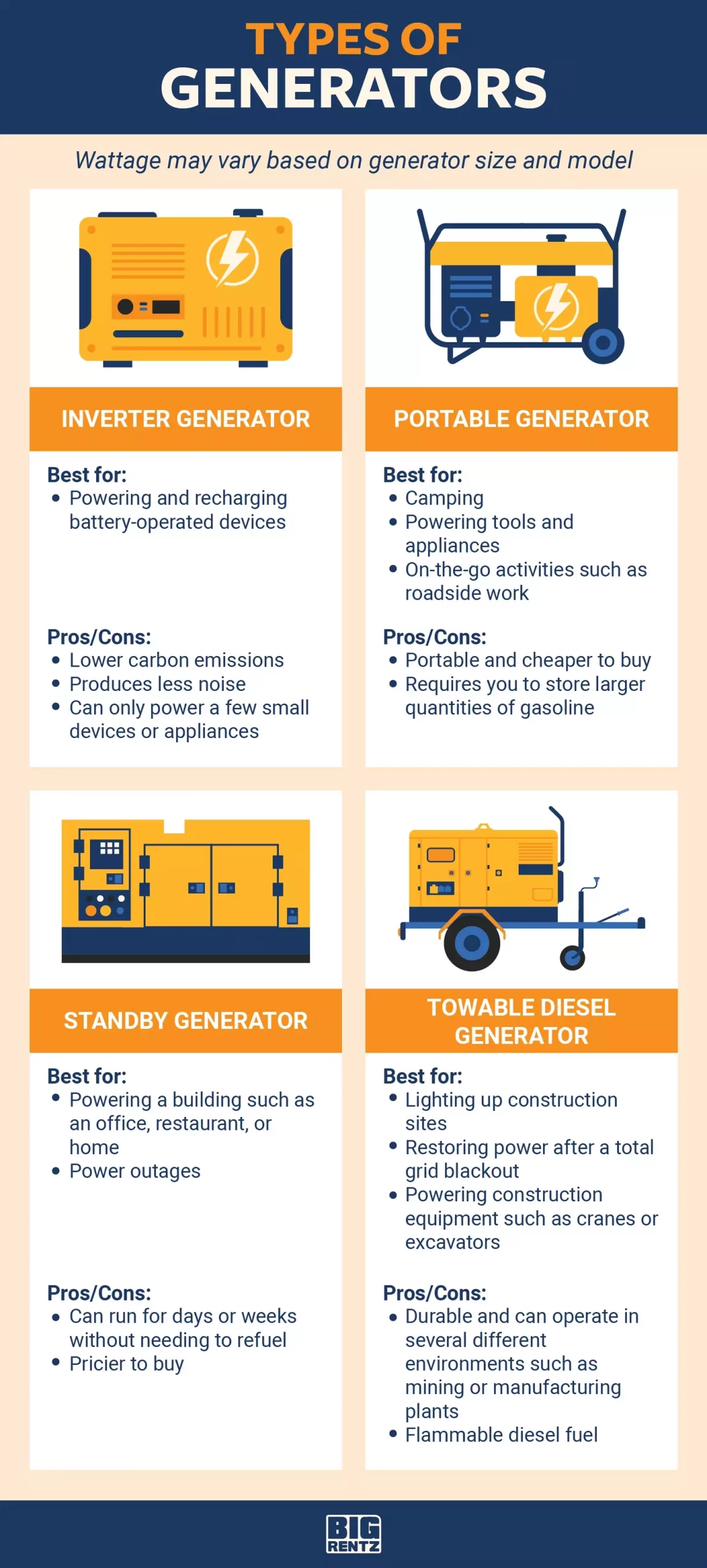
Credit: www.bigrentz.com
Frequently Asked Questions
What Size Generator Do I Need For My House?
To determine the right size generator, calculate your home’s wattage needs. List essential appliances and their wattage requirements. A typical home may need between 5,000 to 7,500 watts for essential functions. Consider a generator with a capacity slightly higher than your total wattage for efficiency.
Can A Generator Power An Entire House?
Yes, a generator can power an entire house if it has sufficient capacity. Whole-house generators typically range from 10,000 to 20,000 watts. Ensure the generator can handle peak loads and essential appliances. It’s crucial to assess your specific power requirements before making a purchase.
How Long Can A Generator Run Continuously?
Most portable generators can run for 8 to 12 hours on a full tank. However, standby generators can operate indefinitely with a fuel supply. Regular maintenance is essential for longevity. Always follow manufacturer recommendations for safe operation and refueling.
What Type Of Fuel Do Generators Use?
Generators primarily use gasoline, diesel, propane, or natural gas. Each fuel type has its advantages and disadvantages. Gasoline is readily available but may not last long-term. Propane and natural gas offer cleaner options and longer storage but may require additional equipment.
Conclusion
Choosing the right generator for your home is essential. Think about your power needs. Consider the size and type of generator. A portable generator works for smaller tasks. A standby generator is best for whole-house needs. Always check the fuel options and efficiency.
Safety features are important too. With the right information, you can make a smart choice. A reliable generator keeps your home powered during outages. Take your time to research. Your comfort and safety depend on it. Make a decision that fits your lifestyle and budget.