

When your generator won’t start, it can feel like a nightmare. Whether you’re preparing for a power outage or need backup for a project, a malfunctioning generator can throw a wrench in your plans.
You might be left wondering what went wrong and how to fix it quickly. Don’t panic! We’ll guide you through the essential steps to troubleshoot your generator and get it running again. You’ll discover practical tips and tricks that can save you time, money, and frustration.
Keep reading to ensure you’re never left in the dark when you need power the most!

Credit: www.youtube.com
Common Causes Of Generator Issues
Understanding the common causes of generator issues can save you time, frustration, and money. Many people face generator startup problems, often without realizing the underlying reasons. Let’s break down some frequent culprits that might prevent your generator from firing up.
Fuel Problems
Fuel issues are one of the leading causes of generator failure. If your generator won’t start, check the fuel level first. Running on empty is an easy mistake, but stale fuel can also be a problem.
- Check for adequate fuel. If it’s low, refill it.
- Inspect the fuel for discoloration or a foul smell—these are signs of aging.
- Replace old fuel with fresh gasoline or diesel.
Have you ever faced a situation where you thought you had enough fuel, only to discover otherwise? This simple check can often resolve your issue quickly.
Battery Issues
A dead or weak battery can prevent your generator from starting. If you notice dim lights or hear clicking sounds when you try to start it, the battery might be the problem.
- Inspect battery connections for corrosion or looseness.
- Test the battery voltage. A reading below 12.4 volts indicates it needs charging.
- Consider replacing the battery if it’s old or damaged.
Have you ever jumped a car battery? The same principle applies here. Sometimes, a simple charge is all you need to get your generator going again.
Oil Levels
Low oil levels can trigger safety features that prevent your generator from starting. Always check the oil level before attempting to start your generator.
- Look for the oil dipstick and ensure the oil is at the correct level.
- Change the oil if it appears dirty or thick.
- Use the oil type recommended by the manufacturer.
Have you ever neglected this simple task? Regular oil checks can extend the life of your generator and prevent unexpected issues.
Air Filter Blockage
A clogged air filter can restrict airflow and hinder startup. A clean air filter is essential for your generator to function effectively.
- Inspect the air filter for dirt and debris.
- Clean or replace the filter as needed.
- Ensure the filter fits securely back in place.
Have you noticed how a clean air filter can improve performance? Regular maintenance of this small component can make a significant difference.
Electrical Connections
Loose or corroded electrical connections can stop your generator from starting. A quick visual inspection can often reveal these issues.
- Check all wiring connections for tightness.
- Look for signs of corrosion on terminals.
- Replace any damaged wires immediately.
Have you ever experienced an electrical issue at the worst possible moment? A simple check of your connections can help avoid these frustrating situations.
Identifying the common causes of generator issues can empower you to troubleshoot effectively. By addressing these areas, you increase the likelihood of getting your generator up and running smoothly. What steps will you take today to ensure your generator is in top condition?

Credit: ajgenerator.com
Checking Fuel And Oil Levels
When your generator won’t start, checking fuel and oil levels is important. Low fuel or oil can stop the engine from running. This simple step can save you time and frustration.
Check The Fuel Level
Start by looking at the fuel gauge. Make sure there is enough fuel in the tank. If it is empty or low, fill it up with fresh fuel. Old or contaminated fuel can also cause problems. Always use the right type of fuel for your generator.
After refueling, try starting the generator again. It may start right up. If not, move on to the next step.
Inspect The Oil Level
Next, check the oil level. Locate the dipstick on your generator. Pull it out and wipe it clean. Then, insert it back and remove it again to check the level.
The oil should be between the minimum and maximum marks. If it is low, add the correct oil type. Using the wrong oil can damage the engine.
After adding oil, try starting the generator again. Proper oil levels help keep your engine healthy and running smoothly.
Inspecting The Spark Plug
Checking the spark plug is essential when a generator won’t start. A dirty or damaged spark plug can prevent the engine from firing up. Remove the spark plug, inspect it for wear, and clean or replace it as needed to help your generator run smoothly.
Inspecting the spark plug is a crucial step when your generator won’t start. This small yet vital component plays a significant role in the ignition process. A faulty or dirty spark plug can prevent your generator from firing up, leaving you in the dark during an outage.Identifying The Spark Plug
To get started, locate the spark plug on your generator. It’s usually found near the engine, often covered by a cap or boot. Refer to your generator’s manual for specific instructions on how to access it safely.Checking For Damage
Once you have access to the spark plug, inspect it closely. Look for any signs of wear or damage, such as cracks or corrosion. – A damaged spark plug will need to be replaced. – If you notice any buildup of carbon or oil, this can indicate a larger issue with your generator. Cleaning the spark plug can sometimes resolve minor issues.Testing The Spark Plug
Testing the spark plug is essential for understanding whether it’s the root of your starting problem. Use a spark plug tester or a multimeter. – Remove the plug and attach it to the tester. – Crank the generator while observing for a spark. No spark? It’s time to replace the spark plug.Reinstalling The Spark Plug
After inspecting or replacing the spark plug, reinstall it carefully. Ensure it fits snugly in its place. – Tighten it to the manufacturer’s specifications. – Avoid overtightening, as this can cause damage. Double-check that everything is connected properly before trying to start the generator again. You might wonder how often you should inspect or replace your spark plug. Regular maintenance can save you a lot of headaches down the line. Keep an eye on it every few months or as part of your generator’s seasonal check-up. By giving your spark plug the attention it needs, you increase the chances of a smooth start. What will you do the next time your generator won’t start?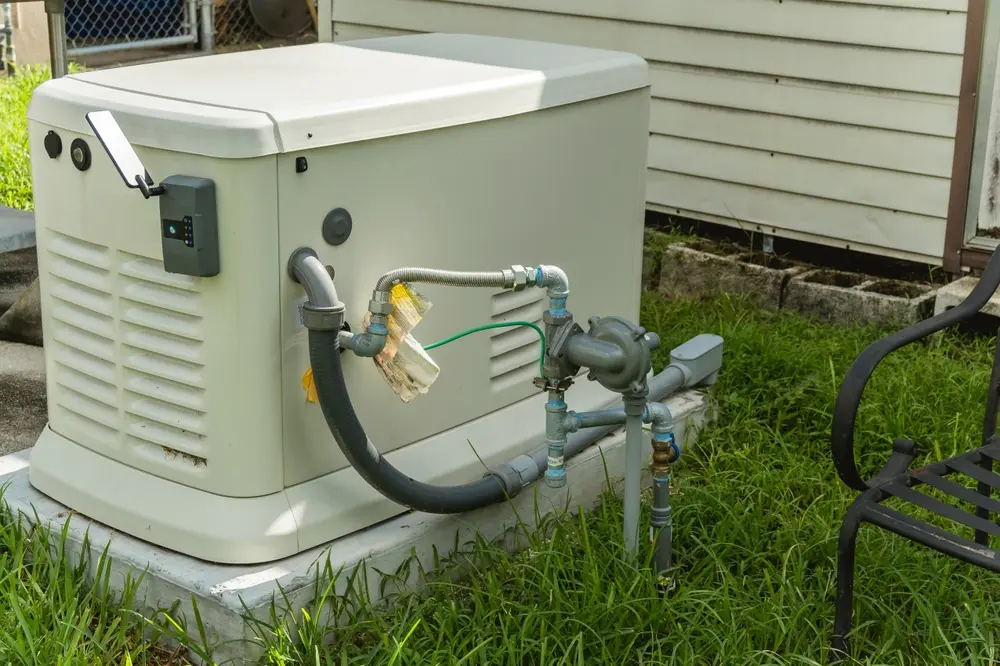
Credit: limric.com
Battery Troubleshooting
When your generator won’t start, battery issues are common. A dead or weak battery can stop the whole system. Knowing how to troubleshoot can save time and frustration.
Check The Battery Charge
First, check the battery charge level. Use a multimeter to measure voltage. A healthy battery should read around 12.6 volts. Below 12 volts means a weak battery.
Inspect Battery Connections
Next, inspect all battery connections. Look for loose or corroded terminals. Clean any corrosion with a wire brush. Tighten loose connections to ensure a solid link.
Test The Battery Health
Testing battery health is crucial. You can use a load tester. This device simulates the battery’s load. It shows if the battery can hold a charge. Replace it if it fails this test.
Look For Signs Of Damage
Check the battery for physical damage. Look for cracks or bulging. These signs indicate a failing battery. Replace damaged batteries immediately to avoid problems.
Ensure Proper Maintenance
Regular maintenance keeps batteries in good shape. Clean terminals and check fluid levels. Consider using a battery maintainer during long periods of inactivity. This helps keep the battery charged.
Examining The Air Filter
The air filter plays a key role in your generator’s performance. A dirty or clogged filter can prevent the generator from starting. Checking the air filter is a simple step that can save you time and frustration.
Locate The Air Filter
First, find the air filter on your generator. It is usually near the engine. Refer to your user manual for the exact location. Knowing where it is will help you check it quickly.
Inspect The Filter
Once located, look at the air filter closely. Check for dirt, dust, or any blockages. A clean filter should be light in color. If it appears dark or clogged, it needs cleaning or replacing.
Cleaning The Air Filter
If the filter is dirty, you can clean it. Use a soft brush or compressed air to remove dust. Be gentle to avoid damaging it. After cleaning, make sure it is completely dry.
Replacing The Air Filter
Sometimes, cleaning isn’t enough. If the filter is too dirty or damaged, replace it. Use a new filter that matches your generator’s specifications. Installing a new filter ensures proper airflow.
Reassemble The Generator
After checking or replacing the air filter, reassemble the generator. Ensure all parts fit securely. This step is crucial for safe and effective operation.
Test The Generator
Finally, try starting the generator again. A clean or new air filter often helps it start. If it still doesn’t work, further troubleshooting may be necessary.
Resetting The Circuit Breaker
Generators may not start for various reasons. Resetting the circuit breaker is a simple first step. Locate the breaker, flip it off, then back on. This quick fix might solve the problem and get your generator running again.
Resetting the circuit breaker is a crucial step when your generator won’t start. Often, this simple action can resolve unexpected power issues. Understanding how to reset the circuit breaker can save you time and frustration, especially during emergencies when you need your generator most.Identify The Circuit Breaker Panel
First, locate the circuit breaker panel on your generator. This panel is usually a small door on the side or back of the unit. Check for any tripped breakers, which may appear in the “off” position or be pushed down. Knowing where to find this panel will help you act quickly when the generator fails to start.Turn Off The Generator
Before you reset the circuit breaker, turn off your generator completely. This step ensures your safety and prevents any potential damage to the unit. Always prioritize safety first; it’s better to be cautious than sorry.Reset The Breaker
Now, push the tripped circuit breaker back to the “on” position. You should hear a click, signaling that the breaker has reset. If the breaker doesn’t stay in the “on” position, there may be a deeper issue that needs addressing.Restart The Generator
After resetting the breaker, turn your generator back on. Watch for any unusual sounds or smells during startup. If everything seems normal, your generator should run smoothly. However, if it still won’t start, consider checking other components or seeking professional help.Regular Maintenance
To avoid future problems, perform regular maintenance on your generator. Keep the circuit breaker clean and free of dust or debris. A well-maintained generator is less likely to encounter issues when you need it most. Resetting the circuit breaker is often an overlooked step that can make a big difference. Have you ever found yourself in a situation where this simple action saved the day? It’s these small actions that can help you regain power in no time.Dealing With Carburetor Issues
Carburetor problems can stop a generator from starting. Check for clogs or dirt in the carburetor. Cleaning it may help restore function. Inspect fuel lines and ensure the fuel is fresh. These simple steps can fix many starting issues.
When your generator won’t start, one of the common culprits could be the carburetor. This small component plays a vital role in mixing fuel and air for combustion. If it’s not functioning properly, your generator may fail to start. Let’s dive into how you can deal with carburetor issues effectively.Check For Clogs And Debris
A clogged carburetor can prevent fuel from reaching the engine. Start by inspecting the air filter. – Remove the air filter and check for dirt or debris. – Clean it with compressed air or replace it if necessary. Next, look at the fuel lines. Blockages in these lines can lead to starting issues. Clear any visible debris or use a carburetor cleaner to flush out stubborn clogs.Inspect The Fuel Quality
Old or contaminated fuel can wreak havoc on your carburetor. Always use fresh fuel for your generator. – Check the fuel tank for any signs of separation or sediment. – If the fuel is old, drain it and refill with fresh gas. Using fuel stabilizers can help maintain fuel quality during storage. Have you checked the fuel recently?Adjust The Carburetor Settings
Improper settings can lead to starting problems. Take a moment to review your carburetor adjustments. – Locate the adjustment screws, usually labeled as “High” and “Low.” – Start with the low-speed screw and turn it clockwise until it lightly seats. Then, turn it counterclockwise about one to two turns. Next, do the same for the high-speed screw. Fine-tune these settings while running your generator to find the sweet spot. Have you given your generator a test run after adjusting?Clean The Carburetor Thoroughly
Sometimes, a simple cleaning can make all the difference. Disassemble the carburetor carefully, noting where each part goes. – Use a carburetor cleaning solution to soak the parts. – Scrub any stubborn residue with a soft brush. Make sure to dry everything completely before reassembling. A clean carburetor can breathe new life into your generator. Taking the time to address carburetor issues can save you from frustration and costly repairs. When was the last time you checked your generator’s carburetor?Checking For Loose Connections
Loose connections can cause your generator not to start. This issue is common and often easy to fix. Checking for these connections is a good first step.
Turn Off The Generator
Safety is important. Always turn off the generator before checking connections. This prevents electric shock or damage.
Inspect The Battery Cables
Start by looking at the battery cables. Check for any loose or damaged connections. Tighten loose cables with a wrench.
Look At The Fuel Lines
Next, examine the fuel lines. Ensure they are tightly connected. Any loose connections can stop fuel from reaching the engine.
Check The Ground Connection
The ground connection is crucial. Make sure it is secure. A loose ground can lead to starting issues.
Examine All Other Wires
Finally, check all other wires and connections. Look for signs of wear or corrosion. Clean any corrosion with a wire brush.
Test The Generator
After checking all connections, try to start the generator again. If it still won’t start, further investigation may be needed.
Steps For Cold Weather Start
Cold weather can make starting your generator tough. Check the fuel level and battery charge first. Inspect the spark plug and clean it if needed. Try using a generator oil suitable for low temperatures. These steps can help your generator start smoothly in chilly conditions.
Cold weather can be tough on generators. If your generator won’t start in chilly temperatures, don’t panic. There are simple steps you can take to troubleshoot and potentially solve the problem. Here’s how to get your generator up and running when the temperature drops.Check The Fuel
Start by checking the fuel level. Cold weather can cause fuel to gel, which prevents it from flowing properly. – Use a winter-grade fuel additive to prevent gelling. – If the fuel is old, replace it with fresh fuel. Always ensure your generator has enough fuel before attempting to start it in cold conditions.Inspect The Battery
Cold temperatures can significantly reduce battery performance. If your generator has a battery, inspect it closely. – Look for corrosion on terminals. – Make sure connections are tight and clean. If your battery seems weak, consider charging it or replacing it altogether. A fully charged battery can make a world of difference.Warm Up The Engine
Just like you would warm up your car on a frigid morning, your generator needs some warmth too. – Allow the engine to sit in a warmer area if possible. – Use a heat lamp or blanket to gently warm the engine. This can help loosen any fuel that might be gelled or thickened in the cold.Check The Oil
Oil thickens in low temperatures, which can affect your generator’s performance. – Make sure you’re using the right oil for cold weather. – Check the oil level and add as needed. Using synthetic oil can be beneficial as it flows better in colder temperatures.Examine The Spark Plug
A faulty spark plug can prevent your generator from starting. – Remove the spark plug and inspect it for damage or wear. – Clean or replace it if necessary. A clean spark plug can ensure a strong spark, which is essential for starting your generator.Try A Manual Start
If your generator has an electric start, try using the manual start instead. Sometimes, cold weather can hinder the electric start mechanism. – Pull the recoil starter cord firmly and steadily. – Make sure you are using the correct starting technique. This method can bypass potential issues with the electric starting system. Being prepared for cold weather can save you from the stress of a non-starting generator. What steps have you found most helpful in getting your generator started in the cold?When To Call A Professional
A generator that won’t start can be frustrating. Signs that you need a professional include strange noises, fuel leaks, or persistent failure to start. If simple troubleshooting doesn’t work, it’s best to call an expert for help.
When your generator refuses to start, it can be incredibly frustrating. You might feel tempted to troubleshoot every little detail yourself. However, knowing when to call a professional can save you time, money, and potential safety hazards. Here’s how to discern when it’s time to reach out for expert help.Identifying Complex Issues
If you’ve gone through basic troubleshooting—checking the fuel, oil levels, and battery connections—and your generator still won’t start, it’s time to consider professional assistance. Complex problems often involve the electrical components or internal mechanisms. Trying to fix these issues without proper knowledge can lead to further damage or even safety risks.Safety Concerns
Your safety should always come first. If you smell gas or notice any unusual sounds coming from your generator, don’t ignore these signs. It’s better to call a technician rather than risk an explosion or fire. Even if it seems minor, addressing safety concerns with a professional can prevent larger problems down the line.Ongoing Problems
If your generator frequently has starting issues, this isn’t just a one-time inconvenience. You might be dealing with an underlying problem that requires a professional’s expertise. Frequent breakdowns not only disrupt your life but can also lead to costly repairs if not addressed properly.Warranty And Service Agreements
If your generator is still under warranty, tampering with it may void that coverage. Calling a professional ensures that any repairs are done correctly and that your warranty remains intact. Understanding your service agreements can also guide you in deciding when to seek help.Time Constraints
Do you need your generator up and running quickly? If you have a tight schedule or an upcoming event, waiting for DIY fixes may not be feasible. A professional can diagnose and repair issues efficiently, giving you peace of mind when time is of the essence. Before making your decision, ask yourself: Is it worth the risk and hassle to try fixing it alone? Choosing to call a professional can be the best choice for your peace of mind and safety.Frequently Asked Questions
Why Won’t My Generator Start?
There are several reasons why your generator may not start. Common issues include low fuel levels, dead batteries, or faulty spark plugs. Additionally, ensure that the generator is in a suitable environment and check for any error codes. Regular maintenance can prevent these issues from arising.
How Can I Troubleshoot A Generator?
To troubleshoot your generator, start by checking the fuel level and battery charge. Inspect the oil levels and replace any old or dirty oil. Clean or replace the air filter and spark plugs if necessary. Always refer to the manufacturer’s manual for specific troubleshooting steps.
What Should I Check First If My Generator Fails?
Begin by checking the fuel level and battery condition. Ensure the generator is properly connected to its power source. Inspect for any visible damage or loose connections. Following these initial checks can often resolve common starting issues.
Can A Generator Run Out Of Fuel Unexpectedly?
Yes, a generator can run out of fuel unexpectedly if not monitored. Ensure to regularly check the fuel gauge before use. Additionally, consider keeping a backup supply of fuel on hand for emergencies. This practice can save you from disruptions during power outages.
Conclusion
Facing a generator that won’t start can be frustrating. Simple checks can save you time and stress. Always check fuel levels first. Battery connections also need attention. Inspecting the oil can help, too. If these steps don’t work, consult a professional.
Regular maintenance keeps your generator in good shape. Remember, being prepared is key. With the right knowledge, you can handle most issues. Don’t let a stubborn generator ruin your plans. Stay calm and tackle the problem step by step.