
Have you ever wondered about the difference between a generator and a transformer? You’re not alone.
Many people use these terms interchangeably, but they serve very different purposes in the world of electricity. Understanding these differences can help you make informed decisions, whether you’re working on a project or simply curious about how electricity works. You’ll uncover the unique roles each device plays in generating and transforming electrical energy.
You’ll also find out how they impact your daily life, from the power in your home to the devices you rely on. Stick with us as we break down the concepts in simple terms, so you can feel confident in your knowledge of generators and transformers. Let’s dive in!

Credit: makpowertransformer.com
Generator Basics
A generator is a device that converts mechanical energy into electrical energy. It plays a key role in power generation. Understanding how generators work is important for anyone interested in electricity.
Generators are used in homes, industries, and for backup power. They can run on various fuels. This section will cover the purpose, types, and key components of generators.
Purpose And Function
The main purpose of a generator is to produce electricity. It supplies power when there is no access to the grid. Generators are vital in places like hospitals and schools.
They provide reliable energy for tools, appliances, and machines. Generators can also support renewable energy sources. Wind and solar setups often use generators for backup power.
Types Of Generators
Generators come in several types. The most common are portable and standby generators. Portable generators are easy to move and useful for camping.
Standby generators are larger and fixed in one place. They automatically start during power outages. Diesel, gasoline, and natural gas are common fuel types.
Some generators are designed for specific tasks. Inverter generators provide clean power for sensitive devices. They are quieter and more efficient.
Key Components
A generator has several key components that work together. The engine provides the mechanical energy. The alternator converts this energy into electricity.
Fuel tanks store the fuel needed for operation. Control panels manage the generator’s settings. Finally, the frame holds everything in place.
Understanding these parts helps in maintenance and troubleshooting. Proper care can extend the life of a generator.
Transformer Basics
Understanding transformer basics is essential for grasping how electrical systems work. Transformers play a critical role in the efficient transmission of electricity. They adjust voltage levels to ensure safe and effective power distribution.
Purpose And Function
The primary purpose of a transformer is to change voltage levels. This is crucial for both increasing (stepping up) and decreasing (stepping down) voltages in electrical circuits. By adjusting voltage, transformers help minimize energy loss during transmission and ensure devices receive the correct voltage.
Have you ever noticed how your phone charger is different from your laptop charger? That’s because each device requires a specific voltage, and transformers make that possible. They ensure your devices operate safely without risk of damage from too much voltage.
Types Of Transformers
Transformers come in various types, each designed for specific applications. Here are some common types:
- Step-Up Transformer:Increases voltage for long-distance transmission.
- Step-Down Transformer:Decreases voltage for household or commercial use.
- Isolation Transformer:Provides electrical isolation between circuits for safety.
- Auto Transformer:Uses a single winding to act as both primary and secondary.
Choosing the right type of transformer is vital for efficiency and safety. Consider your needs carefully—what voltage do you require for your project?
Key Components
Transformers consist of several key components that work together to fulfill their purpose:
- Core:Made from magnetic material, it enhances magnetic flux.
- Windings:Coils of wire that create magnetic fields when current flows through them.
- Insulation:Prevents electrical shorts and protects components.
Each part plays a crucial role in the transformer’s function. If any component fails, the entire system can be compromised. Have you ever experienced a power outage due to a faulty transformer? It’s a reminder of how vital these components are to our daily lives.
Energy Conversion Process
The energy conversion process is vital in electrical systems. It involves changing one form of energy into another. Generators and transformers play key roles in this process. Each device has its own unique function and method of energy transformation. Understanding these differences helps in grasping their importance in power systems.
Generator Energy Conversion
A generator converts mechanical energy into electrical energy. This process relies on electromagnetic induction. When a conductor moves through a magnetic field, electricity is generated. Generators can be powered by various sources. Common sources include wind, water, and fossil fuels.
The mechanical energy can come from turbines or engines. As these move, they rotate the generator’s rotor. The rotor spins within a magnetic field. This action produces alternating current (AC) or direct current (DC). The type of current depends on the generator’s design.
Transformer Energy Transfer
A transformer does not convert energy. Instead, it transfers electrical energy from one circuit to another. It changes voltage levels while keeping power constant. This process is essential for efficient energy distribution.
Transformers use electromagnetic induction like generators. They consist of two coils of wire called windings. One coil receives electrical energy from the source. The other coil delivers energy to the load. The voltage can either increase or decrease, depending on the transformer’s configuration.
This ability to adjust voltage is crucial. It ensures electricity travels long distances without significant loss. Thus, transformers are essential for power grids.
Design And Construction
Generators and transformers serve different purposes in electrical systems. A generator converts mechanical energy into electrical energy. In contrast, a transformer changes the voltage of electrical energy. Understanding these differences is key to grasping how power systems function.
Understanding the design and construction of generators and transformers can help clarify their distinct roles in electrical systems. Each device has unique features that cater to its specific function. Let’s break down these differences in detail.
Generator Design Features
Generators are built to convert mechanical energy into electrical energy. Their core components include: – Rotor and Stator: The rotor rotates within the stator. This movement induces electrical current. – Windings: Copper windings are crucial for generating electricity. They are strategically placed to maximize efficiency. – Cooling System: Generators produce heat. Effective cooling mechanisms prevent overheating and ensure longevity. The overall design focuses on durability and efficiency. This is evident in the choice of materials, like robust metals that withstand high stress. Have you ever considered how the weight of a generator impacts its portability?
Transformer Structural Characteristics
Transformers serve a different purpose: they transfer electrical energy between circuits. Their design reflects this functionality, featuring: – Core: Made of laminated silicon steel to reduce energy loss. The core’s shape influences the efficiency of energy transfer. – Windings: Like generators, transformers also have windings, but they are arranged differently. Primary and secondary windings are crucial for voltage transformation. – Insulation: High-quality insulation materials prevent electrical leakage and ensure safety. This is vital in high-voltage applications. Transformers are designed to be stationary and robust. Their structure can handle significant electrical loads without failing. Have you thought about how the transformer’s efficiency impacts your electricity bill? Both generators and transformers have unique designs tailored to their specific functions. Understanding these differences can enhance your appreciation of how electricity is generated and transformed in our daily lives.
Applications In Industries
Generators and transformers serve different roles in power systems. Generators produce electricity by converting mechanical energy, while transformers change the voltage of electricity for efficient transmission. Both are vital in various industries, ensuring smooth operation and reliable energy supply. Understanding their differences helps in choosing the right equipment.
Understanding the applications of generators and transformers in various industries can provide valuable insights into how energy systems operate. These two devices play crucial roles in ensuring that energy is generated, transmitted, and utilized efficiently. Let’s break down their applications in different sectors.
Generators In Power Generation
Generators are essential in producing electrical power from various energy sources. They convert mechanical energy into electrical energy, making them vital in power plants. – Types of Generators: Different industries use diverse types of generators, such as diesel, gas, and hydroelectric generators. Each type serves specific needs based on energy requirements and availability. – Backup Power: Many businesses rely on generators for backup power. Consider hospitals, where continuous electricity is critical for life-saving equipment. A reliable generator can mean the difference between life and death. – Remote Operations: Industries like mining or construction often operate far from the grid. Generators provide the necessary power to run tools and machinery, ensuring operations proceed smoothly without interruptions. Think about your own experiences. Have you ever relied on a generator during a power outage? It’s remarkable how quickly these machines can restore normalcy.
Transformers In Power Distribution
Transformers play a crucial role in the distribution of electrical power. They adjust voltage levels, allowing electricity to travel long distances without significant losses. – Voltage Regulation: High voltage is necessary for efficient transmission across vast networks. Transformers step down this voltage for safe use in homes and businesses. – Industrial Applications: Manufacturing plants utilize transformers to power heavy machinery. A transformer ensures that equipment receives the correct voltage, maximizing efficiency and longevity. – Renewable Energy Integration: As renewable energy sources like solar and wind become more prevalent, transformers help integrate these sources into the existing grid. They enable the smooth transfer of energy from local generation sites to the wider distribution network. Have you ever wondered how your home receives electricity from a distant power plant? Transformers are the unsung heroes that make this possible. By understanding the distinct applications of generators and transformers, you can appreciate the complexity of our energy systems. Whether it’s generating power in remote locations or distributing it safely to your home, both devices are integral to our daily lives.
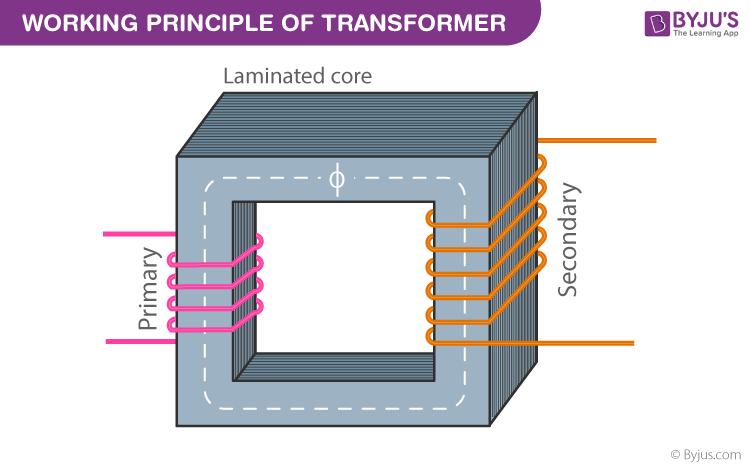
Credit: byjus.com
Efficiency And Performance
Generators and transformers serve different purposes in energy systems. Their efficiency and performance vary significantly. Understanding these differences helps in choosing the right equipment for specific needs. Let’s explore how each device performs and what affects their efficiency.
Generator Efficiency Factors
Generator efficiency depends on several key factors. Fuel type plays a major role. Diesel generators often have higher efficiency than gasoline ones.
Load capacity is another important factor. Generators operate best at their rated capacity. Operating below this can lead to wasted fuel.
Maintenance affects performance too. Regular checks and servicing keep generators running smoothly. This prevents efficiency drops over time.
Environmental conditions also impact efficiency. Higher temperatures can reduce generator performance. Cooling systems help maintain optimal operating conditions.
Transformer Losses And Efficiency
Transformers are generally more efficient than generators. They can achieve efficiency levels above 98%. However, they still face losses.
Core losses occur due to magnetic materials. These losses happen even when the transformer is not in use.
Winding losses happen during operation. Resistance in the wires causes heat, leading to energy loss.
Load conditions affect transformer efficiency. A transformer performs best at its rated load. Operating under or over this can reduce efficiency.
Regular maintenance helps minimize losses. Inspections can catch issues early, maintaining high efficiency.
Key Differences
Generators produce electricity from mechanical energy, while transformers change the voltage of electrical power. Generators create power, and transformers help distribute it efficiently. Understanding these differences is key to grasping how electrical systems work.
Understanding the key differences between generators and transformers can help you make informed decisions about energy solutions. Both play crucial roles in electrical systems but serve different purposes. Let’s break down their distinctions.
Operating Principles
Generators convert mechanical energy into electrical energy. They use motion, often from turbines or engines, to produce electricity. Transformers, on the other hand, transfer electrical energy between circuits through electromagnetic induction. They change voltage levels without altering the frequency. Have you ever experienced a power outage? Generators can kick in to provide electricity, while transformers ensure the voltage is suitable for your home appliances.
Energy Handling Capacity
Generators handle large amounts of energy and can supply power to entire grids. They often have ratings in kilowatts (kW) or megawatts (MW), reflecting their capability to produce energy. Transformers manage energy in terms of voltage and current. Their capacity is measured in kilovolt-amperes (kVA), indicating how much energy they can convert or transfer without losses. Think about your household needs. A generator can keep your lights on during an outage, while a transformer ensures your devices receive the right voltage to operate safely.
Functional Roles
Generators serve as the source of electricity. They are essential for powering homes, businesses, and industries, especially during emergencies. Transformers act as the facilitators of electricity distribution. They ensure that high-voltage electricity can be safely used by stepping down the voltage to levels that are safe for consumption. Consider how your local utility company operates. Generators produce the electricity, while transformers distribute it efficiently across the network to reach your home. Recognizing these key differences can enhance your understanding of electrical systems and help you choose the right energy solutions for your needs. Are you ready to make informed decisions about your energy consumption?

Credit: www.deviantart.com
Frequently Asked Questions
What Are The Main Functions Of A Generator?
Generators convert mechanical energy into electrical energy. They provide power for various applications, including homes and industries. In contrast, transformers transfer electrical energy between circuits. Generators are vital for electricity generation, while transformers manage voltage levels for efficient power distribution.
How Does A Generator Work?
A generator works by rotating a coil within a magnetic field. This motion induces an electric current through electromagnetic induction. Fuel sources like diesel, gas, or wind energy can power generators. The generated electricity is then available for use in homes, businesses, or power grids.
What Is The Purpose Of A Transformer?
Transformers are used to change voltage levels in electrical systems. They increase or decrease voltage for efficient power transmission. This ensures minimal energy loss and safe distribution across long distances. Transformers play a crucial role in making electricity usable for homes and industries.
Can A Transformer Generate Electricity?
No, transformers do not generate electricity. Their primary function is to transfer electrical energy between circuits. They modify voltage levels but do not create power. Generators are responsible for producing electricity, while transformers facilitate its distribution.
Conclusion
Generators and transformers serve different purposes in electricity. Generators produce electrical energy from mechanical energy. They help power homes and businesses. Transformers change voltage levels for safe distribution. They ensure electricity travels long distances efficiently. Understanding these differences helps in choosing the right equipment.
Both play vital roles in our daily lives. Knowing how they work can aid in energy management. Make informed decisions about your power needs. Embrace the knowledge of generators and transformers for better energy use.