

When you think about a ship, you might picture the vast ocean, the sails catching the wind, or the crew navigating the waters. But have you ever considered what powers all that activity?
That’s where the generator comes in. Understanding the purpose of a generator on a ship can unlock a new appreciation for how these vessels operate. It’s not just about the engines; generators play a crucial role in providing electricity for everything on board, from lights to navigation systems.
If you want to know how these machines keep your maritime adventures running smoothly, read on. You might be surprised by the essential functions a generator serves and how it impacts your experience on the water.
Role Of Generators On Ships
Generators play a vital role on ships. They provide power for many systems. From navigation to lighting, generators ensure smooth operations. Without them, ships would struggle to function properly.
Understanding the purpose of generators helps us appreciate their importance. Let’s explore the various roles they play on ships.
Power Supply For Essential Equipment
Generators supply electricity to essential equipment. They power navigation systems and communication tools. These systems are crucial for safe travel. Reliable power ensures that crew members can stay connected.
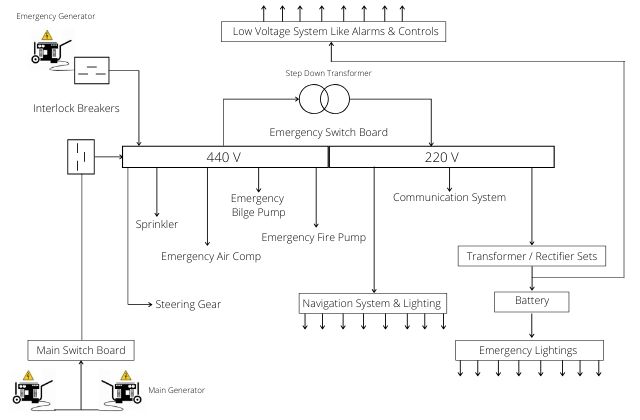
In emergencies, generators serve as backup power sources. They keep lights and alarms running. This helps crew members react quickly. Safety is always the top priority on ships.
Supporting Crew Comfort
Generators also support crew comfort. They power air conditioning and heating systems. Comfortable living conditions are important during long voyages. Crew morale improves with a good living environment.
Facilitating Cargo Operations
Generators assist in cargo operations too. They power cranes and other equipment. Efficient cargo handling is crucial for timely deliveries. This can affect the ship’s schedule and profits.
Environmental Control
Generators help maintain environmental controls. They support systems that manage waste and emissions. Proper waste management is important for ocean health. Ships must follow strict environmental regulations.
Credit: shipfever.com
Power Supply For Operations
The generator on a ship is vital for providing power. It ensures smooth operations on board. Without it, many systems would fail. This can lead to dangerous situations. Understanding its role helps in appreciating ship safety.
Lighting And Navigation Systems
Good lighting is essential on ships. It helps crew and passengers move safely. The generator powers all the lights. This includes internal lights and external deck lights. Navigation systems also rely on power. They guide the ship safely through waters. A reliable generator keeps these systems operational.
Engine And Machinery Functions
The engine is the heart of any ship. It needs a constant power supply. The generator provides energy for engine start-up. It also powers machinery like pumps and compressors. These systems are crucial for daily operations. A well-functioning generator ensures everything runs smoothly.
Communication Equipment
Clear communication is key at sea. Ships use radios and other devices for this. The generator powers all communication equipment. This allows crews to stay in touch with each other. It also helps contact land stations. Effective communication can prevent accidents and improve safety.
Emergency Backup Power
Emergency backup power is crucial for maintaining operations on a ship during unexpected outages. When the main power system fails, a reliable generator kicks in to support essential functions. This safety net not only protects equipment but also ensures the safety and well-being of everyone on board.
Critical Systems During Outages
When the main power goes down, several critical systems need immediate attention. These include navigation systems, communication tools, and safety alarms. Without backup power, a ship could drift off course or, worse, become unresponsive.
- Navigation Systems:These systems guide the ship safely through waters, especially in rough weather.
- Communication Tools:Staying in touch with other ships and coastal stations is vital for safety.
- Safety Alarms:These alerts warn the crew of dangers, ensuring everyone can respond quickly.
Think about it: if your navigation system fails while you’re in a storm, how would you manage? A generator ensures these systems remain operational, allowing you to navigate safely.
Ensuring Crew Safety
Backup power isn’t just about equipment; it’s about people. The safety of the crew heavily relies on emergency lighting and safety systems. In dark conditions, a power outage can lead to panic and confusion.
- Emergency Lighting:This helps crew members find their way and gather in designated safe areas.
- Fire Suppression Systems:These systems need power to operate effectively, preventing disasters.
Have you ever been in a situation where the lights went out? It can be disorienting, and that’s why having backup power is essential. With a generator in place, the crew can maintain order and ensure everyone’s safety.

Credit: themarineengineering360.blogspot.com
Impact On Ship Efficiency
The generator plays a key role in ship efficiency. It provides the necessary power for various operations. Without a reliable generator, ships face many challenges. These challenges can lead to delays and increased costs. A well-functioning generator enhances overall performance.
Reducing Operational Downtime
Generators help reduce operational downtime on ships. They supply power for essential systems. This includes navigation, communication, and safety equipment. When a generator fails, it can halt operations. Delays can lead to financial losses and missed schedules.
Regular maintenance of generators prevents breakdowns. Scheduled checks ensure they operate at peak performance. This helps ships stay on course and on time. Efficient generators mean less waiting and more sailing.
Supporting Advanced Technologies
Modern ships rely on advanced technologies. Generators power these technologies effectively. They support systems like automated navigation and cargo handling. This increases efficiency and safety at sea.
With reliable power, ships can implement new solutions. Smart systems reduce human error and enhance performance. A strong generator is vital for these technologies to function. It helps ships stay competitive in the industry.
Types Of Ship Generators
Generators on ships provide essential power for navigation, communication, and various onboard systems. They ensure that vital equipment operates smoothly, even when the main engine is off. Different types of generators, such as diesel and gas turbine, serve specific needs and enhance overall efficiency.
Understanding the various types of ship generators is essential for anyone involved in maritime operations. These generators play a crucial role in powering various systems on board, ensuring smooth sailing and operational efficiency. Let’s dive into the main types of ship generators you might encounter.Diesel Generators
Diesel generators are the backbone of ship power systems. They are renowned for their reliability and efficiency. Many ships use these generators to run essential machinery and equipment. You’ll find diesel generators in various sizes, catering to different ship types. They can generate significant power, making them ideal for larger vessels. Maintenance is straightforward, but you must monitor fuel consumption closely to keep costs in check. Did you know that some ships can operate with multiple diesel generators? This setup allows for redundancy, ensuring that if one generator fails, others can take over. This flexibility can be a lifesaver during long voyages.Gas Turbine Generators
Gas turbine generators are another option for ship power. They provide high power output and are often lighter than diesel generators. This makes them suitable for high-speed vessels, such as military ships or passenger ferries. These generators offer quick startup times, which is a significant advantage. However, they can be less fuel-efficient compared to diesel generators. It’s essential to balance speed and fuel economy when choosing the right system for your ship. Have you ever considered the environmental impact? Gas turbine generators produce fewer emissions, making them a cleaner alternative. This aspect is increasingly important as regulations tighten globally.Hybrid Energy Systems
Hybrid energy systems are gaining popularity in maritime operations. By combining diesel or gas turbine generators with batteries, these systems optimize energy use. They can switch between power sources based on demand, which enhances efficiency. This technology is particularly beneficial for vessels operating in sensitive environments. You can significantly reduce fuel consumption and emissions with a hybrid system. It’s a win-win for both operators and the planet. As the maritime industry evolves, hybrid systems are becoming a standard. Are you ready to embrace this change? Staying updated on technology trends can position you ahead of the competition. Understanding the types of ship generators is vital. Each type has its unique advantages and applications. Choosing the right generator can lead to improved efficiency and reduced operational costs on your vessel.
Credit: www.marineinsight.com
Maintenance And Reliability
Maintenance and reliability are crucial aspects of a ship’s generator system. A reliable generator ensures that your vessel operates smoothly, providing power for navigation, communication, and essential onboard systems. Neglecting maintenance can lead to unexpected breakdowns, costly repairs, and even safety hazards. Understanding how to maintain your generator can significantly increase its lifespan and efficiency.
Preventive Maintenance Strategies
Preventive maintenance is your best defense against generator failures. Regular inspections can help you identify potential issues before they escalate. Here are some effective strategies:
- Routine Checks:Schedule inspections every month. Look for signs of wear and tear on belts and hoses.
- Oil Changes:Change the oil and filters every 250 hours of operation. Clean oil is vital for smooth operation.
- Battery Maintenance:Inspect battery terminals for corrosion and ensure connections are tight. A weak battery can cause startup issues.
- Cooling System Care:Check coolant levels regularly. Overheating can lead to severe engine damage.
Implementing these strategies can reduce the risk of unexpected generator failures. Have you ever faced a situation where a generator failure disrupted your plans? That experience highlights the importance of being proactive.
Addressing Common Failures
Even with the best maintenance, generators can still face problems. Understanding common failures can help you address them quickly. Here are some frequent issues and their solutions:
- Fuel System Problems:Contaminated fuel can cause poor engine performance. Always use clean, quality fuel and consider adding a fuel filter.
- Electrical Failures:Faulty wiring can lead to power outages. Regularly inspect wiring for damage or fraying.
- Overloading:Running too many devices can strain the generator. Know your generator’s capacity and avoid overloading it.
- Cooling Failures:If the generator overheats, it can shut down. Ensure that the cooling system is functioning and free of blockages.
Have you ever dealt with a generator issue that left you scrambling? Understanding these common failures prepares you for quick action. Your generator’s reliability directly affects your ship’s performance. Don’t wait for a problem to arise—stay ahead with consistent maintenance.
Frequently Asked Questions
What Is The Primary Function Of A Ship’s Generator?
The primary function of a ship’s generator is to provide electrical power. This power supports various systems onboard, including lighting, navigation, and communication. Without a reliable generator, a ship cannot operate efficiently. It ensures the safety and functionality of all essential equipment.
How Does A Generator Support Ship Operations?
A generator supports ship operations by supplying electricity to critical systems. It powers engines, pumps, and other machinery necessary for navigation and safety. Continuous power supply is vital during voyages. Generators also enable the use of modern technology onboard, enhancing overall efficiency.
What Types Of Generators Are Used In Ships?
Ships commonly use two types of generators: diesel and gas turbine generators. Diesel generators are the most prevalent due to their reliability and efficiency. Gas turbine generators are used for high-power demands. Each type serves different operational needs, depending on the vessel’s requirements.
Can Ships Operate Without A Generator?
No, ships cannot operate effectively without a generator. A generator is essential for powering various onboard systems. It ensures navigational aids function properly and provides lighting. Operating without it would compromise safety and hinder the ship’s ability to reach its destination.
Conclusion
Generators on ships play a vital role. They provide essential power for navigation, communication, and safety. Without them, a ship cannot function properly. Understanding their purpose helps us appreciate their importance in maritime operations. From powering lights to running equipment, generators are crucial.
They ensure smooth sailing and safe journeys. Knowing how generators work can enhance our appreciation of marine technology. Ships rely on them daily, making them key to modern shipping. This knowledge connects us to the world of maritime travel. Recognizing the significance of generators enriches our understanding of ships.