
When the power goes out, having a generator ready can be a real lifesaver. But where exactly should you put your generator to keep your home safe and your device running smoothly?
Placing it in the wrong spot can cause dangerous carbon monoxide buildup, damage your equipment, or even break local safety codes. You want to protect your family and your investment, but the rules and best practices can feel confusing. You’ll discover clear, easy-to-follow advice on the safest and smartest places to put your generator—whether it’s a portable model or a whole-house standby system.
Keep reading to learn how to power up safely and confidently, no matter where you live.
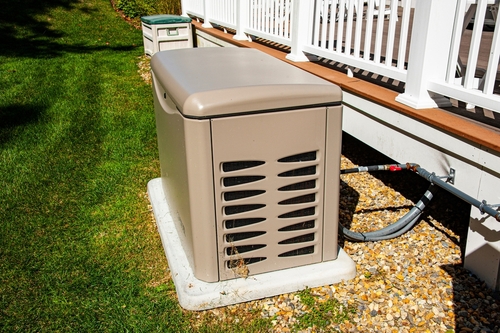
Credit: www.advancedpropaneinc.com
Choosing Outdoor Locations
Choosing the right outdoor location for your generator is crucial. It affects safety, performance, and noise levels. A well-placed generator runs smoothly and keeps your home protected during outages.
Distance From The Home
Place the generator at least 20 feet away from your house. This helps keep exhaust fumes away from doors and windows. Avoid locations near air intakes for HVAC systems. Proper distance reduces the risk of carbon monoxide entering your home.
Surface And Stability
Set the generator on a flat, solid surface like a concrete slab or patio. This prevents sinking into soft ground. A stable base ensures the generator runs efficiently and reduces vibration noise. Avoid placing it directly on grass or dirt.
Ventilation And Airflow
Choose an open area with plenty of airflow around the generator. Good ventilation helps cool the engine and disperses exhaust fumes safely. Avoid placing the generator under low overhangs, carports, or near walls that block airflow.
Protection From Weather
The generator must stay dry but still get enough air. Use a generator tent or cover designed for protection without blocking ventilation. Never operate the generator indoors or in enclosed spaces to prevent carbon monoxide buildup.

Credit: www.capecoralbreeze.com
Maintaining Safe Distances
Maintaining safe distances when placing a generator is crucial for safety and efficiency. Proper spacing helps prevent hazards like carbon monoxide poisoning and fire risks. It also ensures the generator runs smoothly without overheating or damage.
Always place the generator outdoors on a flat, stable surface. Avoid locations that block airflow or trap exhaust fumes. Keep the generator away from doors, windows, and vents to stop fumes from entering your home.
Safe Distance From The House
Keep the generator at least 20 feet away from your home. This distance reduces the risk of exhaust gases entering living spaces. It also lowers fire hazards near your walls or windows.
Clearance Around The Generator
Leave at least 3 feet of clearance on all sides of the generator. This space allows proper ventilation and cooling. It helps prevent the unit from overheating during operation.
Never run a generator inside garages, basements, or crawl spaces. These areas trap toxic fumes and pose a severe carbon monoxide risk. Always use the generator outdoors in a well-ventilated area.
Positioning Relative To Neighbors
Place the generator away from neighbors’ homes and shared spaces. This avoids disturbing others with noise and exhaust. Check local rules for minimum distance requirements from adjacent properties.
Protecting From Weather While Ensuring Ventilation
Use a generator cover or tent to shield from rain and snow. Ensure covers do not block airflow or trap exhaust gases. Proper ventilation is vital to keep the generator running safely.
Selecting Stable Surfaces
Choosing a stable surface for your generator is critical. It affects safety, performance, and longevity. A firm base prevents the generator from tipping or sinking. It also helps keep the generator dry and clean.
Stable surfaces allow proper airflow around the generator. This keeps it cool and reduces the risk of overheating. A level surface also helps with easier maintenance and refueling.
Choosing The Right Surface Material
Concrete slabs are ideal for generator placement. They offer strong, flat support that does not shift. Solid patios or reinforced decks also work well. Avoid soft ground like grass or dirt that can become muddy or uneven.
Ensuring Level Ground
Check the surface with a level tool before placing the generator. Uneven ground causes vibrations and noise. It may also damage the generator’s internal parts over time. Level ground improves stability and safety.
Protecting From Water And Debris
A raised surface helps prevent water damage during rain or floods. Avoid areas prone to pooling water. Keep the generator away from leaf piles or loose dirt. These can block air vents and cause overheating.

Credit: ajgenerator.com
Managing Exhaust Direction
Managing the exhaust direction of a generator is crucial for safety and efficiency. Exhaust fumes contain carbon monoxide, a deadly gas. Proper exhaust placement keeps these fumes away from living areas and neighbors. This helps prevent health risks and ensures the generator runs smoothly.
Direct Exhaust Away From Openings
Always point the exhaust pipe away from doors, windows, and vents. This stops fumes from entering your home. The exhaust should also avoid air intake systems for HVAC units. Positioning the exhaust correctly reduces the risk of carbon monoxide poisoning.
Keep Distance From Neighbors
Place the generator so the exhaust does not blow toward nearby homes. This respects neighbors’ safety and comfort. A good buffer zone prevents fumes from drifting to other properties. Check local rules for minimum distance requirements.
Avoid Trapping Exhaust Under Structures
Do not place the generator under overhangs or carports. These areas can trap exhaust gases and increase danger. Open spaces allow fumes to disperse quickly. Ensure the exhaust has clear airflow in all directions.
Protecting From Weather Elements
Protecting your generator from weather elements is key to keeping it safe and working well. Rain, snow, and sun can damage parts and cause malfunctions. Proper shelter helps the generator last longer and run smoothly.
Choosing the right spot and using covers or shelters ensures protection without blocking airflow. Good airflow prevents overheating and dangerous gas buildup. The generator should stay dry but also breathe well.
Choosing A Sheltered Location
Select a spot that naturally blocks wind and rain. Near a wall or under a sturdy roof overhang works well. Avoid low areas where water collects after rain or snow melts.
Using Covers And Tents
Use a generator cover or tent made for outdoor use. It should protect from rain and snow but allow air to flow. Avoid plastic sheets that trap heat and moisture.
Ensuring Proper Ventilation
Keep the generator in an open area or use a vented shelter. Air must flow to cool the engine and disperse exhaust. Do not block vents or enclose the generator tightly.
Preventing Water Damage
Elevate the generator on a platform or concrete slab. This prevents water from pooling around it. Check that the shelter’s roof directs water away from the generator.
Avoiding Enclosed Spaces
Placing a generator in an enclosed space can cause serious safety risks. Generators produce carbon monoxide, a deadly gas. This gas is colorless and odorless, making it hard to detect. Proper ventilation is critical to avoid harmful buildup. Always choose a well-ventilated outdoor area for your generator.
Avoid Garages, Basements, And Crawl Spaces
Never run a generator inside garages, basements, or crawl spaces. These areas do not allow enough fresh air to circulate. Carbon monoxide can quickly fill these spaces. Even open doors or windows will not clear the gas fast enough. Use open outdoor areas instead.
Keep Distance From Windows And Doors
Place your generator far from windows and doors. Exhaust fumes can enter your home through these openings. Keep at least 20 feet distance to prevent fumes from reaching indoor air. This reduces the risk of carbon monoxide poisoning.
Avoid Under Overhangs And Covered Areas
Do not put your generator under overhangs, carports, or covered patios. These structures can trap exhaust fumes. Trapped fumes increase the risk of dangerous gas buildup. Choose a place with clear airflow all around the generator.
Keeping Clear Of Openings
Placing a generator near openings like windows, doors, or vents risks dangerous fumes entering your home. Carbon monoxide from generator exhaust can cause serious health problems. Always keep the generator far from any openings to protect your family and pets.
Proper distance ensures fresh air inside your home and prevents exhaust buildup. Even a small gap is not enough. Generators need clear space around all openings to stay safe and effective.
Distance From Windows And Doors
Keep the generator at least 20 feet away from all windows and doors. This distance helps stop exhaust gases from drifting inside. Windows and doors often open, which can pull fumes indoors. A safe gap keeps your living areas fresh and free from harmful gases.
Avoiding Air Intake Vents
Generators must not be near HVAC air intake vents. These vents bring outdoor air into your home’s heating and cooling system. Exhaust near vents can enter your home’s air supply. Place the generator downwind or on the opposite side of your house from vents.
Keeping Clear Of Crawl Spaces And Basements
Never put a generator near basement windows or crawl space openings. These areas trap gases and allow fumes to build up inside your home. Always place the generator on ground level, away from any low openings to prevent carbon monoxide poisoning.
Using Carbon Monoxide Alarms
Carbon monoxide (CO) is a colorless, odorless gas. It can be deadly if inhaled in large amounts. Generators produce CO while running. Using carbon monoxide alarms helps keep your home safe.
Place carbon monoxide alarms on every floor. Install them near sleeping areas for early detection. These alarms alert you before CO levels become dangerous.
Where To Install Carbon Monoxide Alarms
Install alarms at knee height on walls or ceilings. Avoid placing them near windows, fans, or vents. These spots can cause false readings or delayed alerts.
Testing And Maintaining Carbon Monoxide Alarms
Test alarms monthly to ensure they work properly. Replace batteries at least once a year. Replace the entire alarm every 5 to 7 years, following the manufacturer’s instructions.
Using Carbon Monoxide Alarms With Generators
Never run a generator indoors or in enclosed spaces. Place generators outdoors, far from doors and windows. Carbon monoxide alarms provide an extra layer of safety in case exhaust enters your home.
Minimizing Noise Impact
Noise from a generator can disrupt your home and annoy neighbors. Minimizing this noise helps keep peace around your property. Proper placement and sound control reduce the generator’s noise impact effectively.
Choose A Location Away From Living Areas
Place the generator far from bedrooms and common rooms. The farther, the quieter it feels inside your home. Avoid spots near windows and doors to stop noise from entering.
Use Natural Barriers
Trees, shrubs, and fences can block and absorb sound. Position the generator behind these barriers to lower noise levels. Solid fences work best to shield sound from neighbors.
Install Sound-reducing Enclosures
Enclosures or soundproof boxes cut down noise. Make sure they allow airflow to prevent overheating. These covers reduce the generator’s loud engine sounds significantly.
Place The Generator On A Stable Surface
A firm base stops vibrations that add to noise. Concrete slabs or solid patios work well. Avoid soft ground, which can amplify sound through shaking.
Direct Exhaust Away From People
Point the exhaust away from homes and outdoor spaces. Exhaust noise can be loud and bothersome. Proper direction helps reduce noise near living areas.
Safe Refueling Practices
Safe refueling practices reduce fire risks and prevent injuries around generators. Fuel is highly flammable and must be handled carefully. Follow proper steps to keep yourself and your property safe.
Always turn off the generator and let it cool before refueling. Hot engines or exhaust can ignite fuel vapors instantly. Avoid spilling gasoline on hot surfaces or the ground.
Refuel Outdoors In A Well-ventilated Area
Refuel the generator outside only. Choose an open space with fresh air flow. Avoid enclosed or partially enclosed areas to prevent vapor build-up. This lowers the chance of fire or explosion.
Use Approved Fuel Containers
Always use containers made for gasoline. These containers have safety features to reduce spills and leaks. Never use glass or unapproved bottles for fuel storage or transport.
Keep Fuel Away From Flames And Sparks
Do not smoke or light matches near the generator or fuel. Sparks from electrical equipment or static electricity can ignite fuel vapors. Maintain a safe distance from heaters, pilot lights, or open flames.
Wipe Up Spills Immediately
Clean any spilled fuel quickly using a cloth or absorbent material. Dispose of soaked rags safely. Spilled gasoline can catch fire or damage surfaces.
Store Fuel Safely
Store fuel containers in a cool, dry place away from direct sunlight. Keep them out of reach of children and pets. Ensure the storage area is well ventilated and separate from living spaces.
Frequently Asked Questions
Where Is The Best Place To Put A Generator?
Place a generator outdoors on a level, firm surface at least 20 feet from your home. Ensure exhaust vents away from windows, doors, and vents. Avoid enclosed spaces and cover it to protect from weather without blocking airflow.
How Far Must A Generator Be From A House?
Place a generator at least 20 feet away from your house. Ensure exhaust points away from windows, doors, and vents. Keep it outdoors on a stable, level surface for safety and proper airflow. Never operate generators indoors or under overhangs to prevent carbon monoxide risks.
Can You Run A Portable Generator On Grass?
Running a portable generator on grass risks sinking and blocks airflow. Use a firm, level surface like concrete for stability and safety.
What Is The 20/20/20 Rule For Generators?
The 20/20/20 rule for generators means running the generator for 20 minutes every 20 hours with a 20% load. This maintains engine health and prevents fuel buildup.
Where Is The Safest Place To Put A Generator?
Place the generator outside on a flat, stable surface away from windows and doors.
How Far Should A Generator Be From The House?
Keep the generator at least 20 feet away to avoid carbon monoxide risks.
Can I Put A Generator In My Garage?
No, garages lack proper ventilation and can trap deadly exhaust fumes.
What Surface Is Best For Generator Placement?
Use a concrete slab or solid patio to keep the generator stable and dry.
Should Generator Exhaust Face The House Or Away?
Always direct exhaust away from the house, windows, and air intakes.
Can A Generator Be Placed Under A Porch Or Overhang?
Avoid these spots as they trap exhaust and reduce airflow, causing safety hazards.
Conclusion
Choosing the right spot for your generator matters a lot. Place it on a flat, stable surface outdoors. Keep it away from doors, windows, and vents. Direct exhaust fumes safely away from your home and neighbors. Protect it from rain but allow good airflow.
Avoid enclosed spaces to prevent dangerous gas buildup. Following these simple steps keeps you safe and your generator working well. Safety and proper placement go hand in hand for peace of mind.