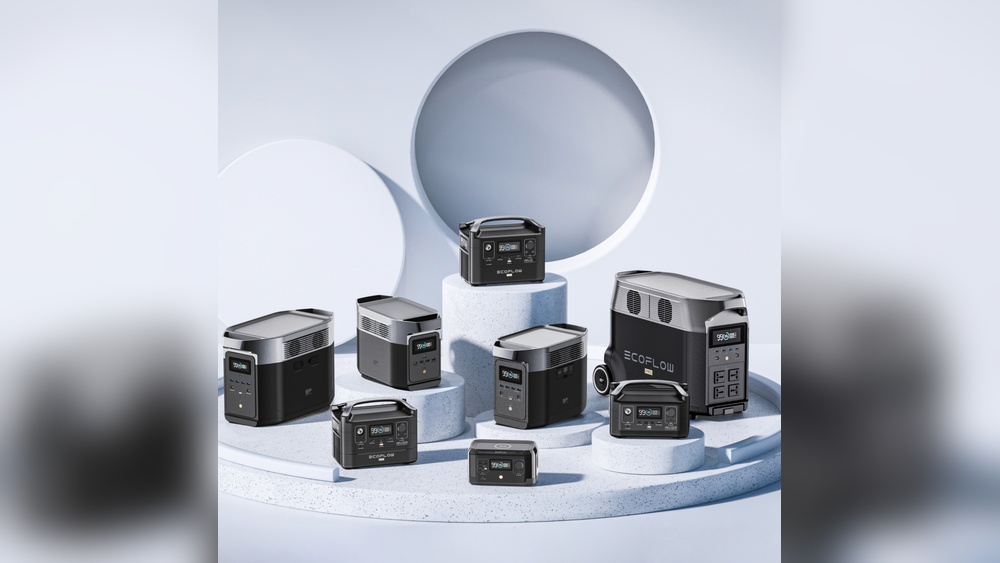
Power outages can strike without warning, leaving your home in the dark and disrupting your daily life. You might be wondering how to keep your essential appliances running without breaking the bank.
That’s where affordable home generator options come in. Whether you want to prepare for storm season or just need a reliable backup, choosing the right generator can protect your comfort and peace of mind. You’ll discover smart, budget-friendly solutions that fit your home’s needs—and your wallet.
Keep reading to find out which generators offer the best balance of price, power, and reliability, so you’re ready when the lights go out.
Generator Types
Choosing the right generator type is key for affordable home backup power. Different types suit different needs and budgets. Understanding these can help you pick the best option for your home.
Generators vary in size, fuel source, and installation. These factors affect cost, convenience, and power output.
Portable Vs Standby
Portable generators are compact and easy to move. They work well for short power outages and outdoor use. These units need manual setup and refueling.
Standby generators are fixed and connect directly to your home’s electrical system. They start automatically during outages. These cost more but offer seamless power with less effort.
Portable models cost less upfront but require more work. Standby generators offer convenience but have higher installation costs.
Fuel Options
Generators run on different fuels like gasoline, propane, or natural gas. Gasoline is common for portable units. It is easy to find but has a short shelf life.
Propane burns cleaner and stores longer. It suits both portable and standby generators. Natural gas offers continuous fuel supply but needs a gas line connection.
Choosing the right fuel depends on availability, cost, and storage space. Each fuel type has pros and cons for home use.

Credit: www.bobvila.com
Sizing Your Generator
Choosing the right size generator for your home is important. It ensures your power supply meets your needs without extra cost. A generator that is too small will not support all your appliances. Too large, and you pay more than necessary. Understanding your power needs helps pick the best affordable option.
Calculating Power Needs
Start by adding the wattage of all devices you want to run. Check the labels on appliances or their manuals for power use. Include both running watts and starting watts. Starting watts are higher and needed to start motors, like refrigerators. Add these numbers to find the total wattage your generator must handle.
Try to choose a generator with a slightly higher capacity than your total wattage. This gives a safety margin for unexpected power surges. It also helps the generator last longer by not running at full load all the time.
Essential Appliances
Focus on the appliances you must keep running during an outage. Common essentials include the refrigerator, lights, and a few outlets. Heating or cooling systems can use a lot of power, so decide if you want to include them. Medical devices or sump pumps might also be essential for your family.
By listing essential appliances first, you can prioritize your generator’s size. This helps avoid paying for power you do not need. You get reliable backup power for the most important items in your home.
Top Affordable Brands
Affordable home generators offer peace of mind during power outages without breaking the bank. Choosing the right brand ensures reliability and value for your money. Many top brands balance cost and quality, making them ideal for budget-conscious buyers. Below are some popular affordable generator brands that deliver strong performance and durability.
Budget-friendly Models
Brands like Honda, Westinghouse, and Champion lead with budget-friendly models. Honda’s smaller units provide quiet, efficient power at reasonable prices. Westinghouse offers versatile generators with good fuel efficiency and easy controls. Champion models are known for strong output and multiple power options. These brands focus on essential features to keep costs low. Their generators suit basic home backup needs without overspending.
Customer Ratings
Customer reviews highlight reliability and ease of use for these brands. Honda generators receive praise for durability and quiet operation. Westinghouse models are appreciated for good value and quick start-up. Champion generators score high in performance and customer support. Many users recommend these brands for everyday home power backup. Positive ratings confirm their status as affordable and dependable choices.
Fuel Efficiency Tips
Fuel efficiency plays a key role in choosing an affordable home generator. Saving fuel lowers running costs and extends generator life. Simple habits and storage practices help keep fuel usage low. This section shares practical tips to get the most from your generator fuel.
Optimizing Usage
Run the generator only when necessary. Avoid running it at full load all the time. Use energy-efficient appliances to reduce power demand. Turn off devices not in use. Schedule regular maintenance to keep the engine running smoothly. Clean air filters and change oil on time. Proper upkeep improves fuel burn and cuts waste.
Fuel Storage
Store fuel in clean, sealed containers away from heat. Old or contaminated fuel can harm the generator. Use fuel stabilizers to keep gasoline fresh longer. Rotate stored fuel by using the oldest first. Keep storage areas dry and ventilated. Proper storage prevents fuel breakdown and keeps your generator ready for use.
Installation Options
Choosing the right installation method for your home generator affects cost and convenience. Some prefer a hands-on approach to save money. Others want a quick, worry-free setup by experts. Both options have benefits that fit different needs and skills.
Diy Setup
Many affordable generators come with easy-to-follow instructions. Basic tools and some mechanical skills are all you need. Installing yourself cuts labor costs and speeds up the process. It also gives a sense of achievement and control over your system. Safety is key; always follow manuals and local codes.
Professional Services
Hiring licensed professionals ensures a safe and reliable installation. Experts handle wiring, permits, and inspections efficiently. This option suits those who want peace of mind and a guaranteed setup. Professionals can also advise on the best generator size for your home. Though it costs more, it reduces risks and future problems.

Credit: smart.dhgate.com
Safety Considerations
Choosing an affordable home generator means more than just cost and power. Safety is a top priority to protect your family and property. Ignoring safety can lead to serious risks like carbon monoxide poisoning or fire hazards. Understanding key safety aspects helps you use your generator confidently and securely.
Proper Ventilation
Generators produce exhaust gases that are harmful. Proper ventilation prevents buildup of carbon monoxide. Always place your generator outdoors, away from windows and doors. Never run a generator in a garage or enclosed space. Use a carbon monoxide detector near your home’s generator area. Good airflow keeps air fresh and safe for everyone.
Maintenance Practices
Regular maintenance keeps your generator running safely and efficiently. Check oil levels before every use and change oil as recommended. Clean air filters to avoid engine problems. Inspect fuel lines for leaks or cracks. Store fuel in approved containers away from heat. Follow the manufacturer’s maintenance schedule strictly to avoid accidents.
Noise Levels
Noise levels are a key factor in choosing an affordable home generator. Loud generators can disturb your family and neighbors. Quiet operation makes running a generator more comfortable, especially during storms or power outages. Many affordable models now offer quieter performance without losing power. Understanding noise levels helps you pick a generator that fits your home and lifestyle.
Quiet Models
Several budget-friendly generators run quietly. Look for models labeled as “quiet” or “low noise.” These often have sound-dampening features built-in. Inverter generators are a good choice. They adjust engine speed to save fuel and reduce noise. Brands like Honda and Champion offer quiet models under $1000. Check decibel ratings before buying. A noise level around 50-60 dB is ideal for home use. This level is similar to a normal conversation.
Soundproofing Tips
Soundproofing your generator lowers noise without extra cost. Place the generator on a soft surface like rubber mats. This reduces vibration noise. Build a small enclosure with soundproof materials around the unit. Use plywood lined with foam or mass loaded vinyl. Make sure the enclosure allows airflow to prevent overheating. Planting shrubs or bushes near the generator also helps block noise. Position the generator as far as possible from windows and bedrooms. These tips improve quietness and comfort during generator use.
Backup Power Alternatives
Backup power is essential during outages. It keeps your home running smoothly. Affordable options exist beyond traditional generators. These alternatives offer quiet, clean, and efficient power.
They often require less maintenance and can save money over time. Two popular choices are solar generators and battery systems. Both provide reliable energy without fuel noise or fumes.
Solar Generators
Solar generators use sunlight to produce electricity. They have solar panels that convert rays into power. Stored energy in built-in batteries powers your home devices.
These generators are quiet and eco-friendly. They need no gasoline or oil changes. Perfect for small appliances and emergency use. Solar generators work best with good sunlight exposure.
Battery Systems
Battery systems store electricity from the grid or solar panels. They provide power during outages instantly. These systems can power an entire home or selected circuits.
Installation may involve a larger upfront cost. But they require minimal upkeep and last many years. Battery systems run silently and produce zero emissions. They are ideal for those wanting a low-maintenance backup.
Cost Breakdown
Understanding the cost breakdown of affordable home generators helps you choose the right option. Costs vary based on size, fuel type, and installation needs. It is important to consider both upfront and ongoing expenses for a clear budget view.
Initial Investment
The initial cost includes the price of the generator unit itself. Small portable generators can cost between $300 and $1,000. Larger standby models range from $1,000 to $3,500 or more. Installation fees apply, especially for standby generators. Basic installation can add $500 to $1,500 to the total price. Some units may require permits or electrical upgrades, increasing costs.
Long-term Expenses
Fuel costs are a major part of long-term expenses. Gasoline, propane, or diesel prices fluctuate and affect running costs. Maintenance also adds to expenses. Regular oil changes, filter replacements, and inspections keep generators running smoothly. Expect to spend $100 to $300 yearly on upkeep. Repairs can raise costs if parts wear out or fail. Backup generator warranties can reduce some repair expenses.
Where To Buy
Finding the right place to buy an affordable home generator is key. It affects price, delivery, and service. Choosing the right seller can save money and time. There are two main options: online retailers and local stores. Each has its own benefits and drawbacks. Understanding these helps you pick the best spot for your needs.
Online Retailers
Online stores offer a wide range of generators at different prices. They often have detailed product descriptions and customer reviews. These help buyers make smart choices. Many online retailers provide free shipping or discounts. Shopping online is convenient and can be done anytime. Popular sites include Amazon, Home Depot, and Lowe’s. Be sure to check return policies before buying.
Local Stores
Local stores allow you to see generators in person. You can ask questions and get expert advice. Staff can help you find the right size and model. Local stores may offer installation services as well. Prices might be slightly higher than online, but you save on shipping. Home Depot, Lowe’s, and Harbor Freight are common local options. Visiting stores also helps support the local economy.

Credit: www.showplumbing.com
Frequently Asked Questions
What Size Generator Will Run A Normal House?
A typical house needs a 5,000 to 7,500-watt generator to power essential appliances and lights.
Is There An Alternative To A Whole House Generator?
A portable generator offers a flexible, cost-effective alternative to whole house generators. Solar battery systems also provide backup power without fuel.
How Much Is A Generator For A 2000 Sq Ft House?
A generator for a 2000 sq ft house typically costs between $500 and $3,500. Prices vary by power capacity and brand.
What Is The 20/20/20 Rule For Generators?
The 20/20/20 rule for generators means running the generator at 20% load for 20 minutes every 20 days. This maintains engine health and prevents fuel system issues.
What Is The Best Affordable Generator For Home Use?
A 5,000 to 7,500-watt generator suits most homes and costs under $1,000.
How Much Does A Basic Home Generator Cost?
Basic home generators range from $300 to $1,200 depending on power and brand.
Can Portable Generators Power A Whole House?
Portable generators usually power essential appliances, not an entire house.
What Fuel Types Are Common For Home Generators?
Gasoline, propane, and diesel are popular fuels for home generators.
How Long Can An Affordable Generator Run Continuously?
Most affordable generators run 8 to 12 hours on a full tank.
Are Inverter Generators Good For Home Backup Power?
Yes, inverter generators provide stable power and are fuel-efficient for homes.
Conclusion
Affordable home generators offer reliable power without high costs. Choosing the right size ensures your essential appliances keep running. Portable models provide flexibility and easy storage. Standby generators give peace of mind during long outages. Focus on quality and customer reviews before buying.
Maintaining your generator extends its life and performance. With many budget-friendly options, you can protect your home today. Power outages don’t have to disrupt your daily life. Affordable solutions make staying prepared simple and stress-free.