
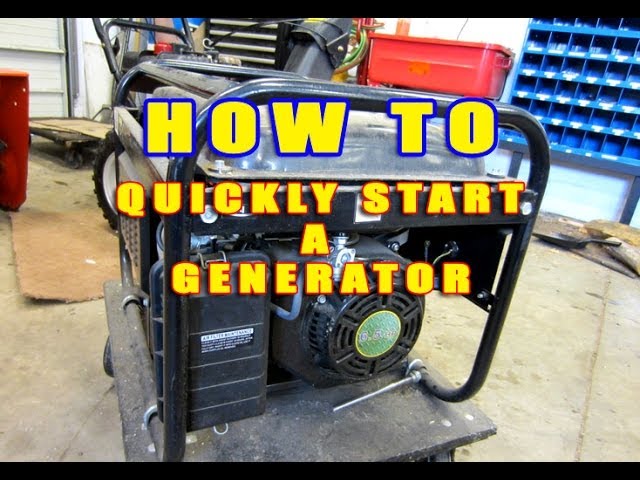
Is your generator refusing to turn over when you need it most? You’re not alone.
Many people face this frustrating issue, and it can leave you feeling helpless, especially during power outages or emergencies. Understanding why your generator won’t turn over is crucial for resolving the problem quickly and effectively. We’ll explore the common reasons behind this issue and provide you with practical solutions.
By the end, you’ll have the knowledge and confidence to troubleshoot and get your generator back up and running. Don’t let a stubborn generator ruin your day—keep reading to find out how to fix it!



Common Causes Of Generator Issues
Generators are vital for backup power. When they won’t turn over, it can be frustrating. Understanding common causes can help in troubleshooting. Here are some frequent issues that might prevent your generator from starting.
Dead Battery
A dead battery is a common reason for generator failure. Batteries can lose charge over time. Cold weather can make this worse. Check the battery connections for corrosion. Replace the battery if it’s old or damaged.
Fuel System Problems
Fuel system issues can stop a generator from turning over. Old or contaminated fuel can clog lines. Ensure the fuel tank is full and clean. Inspect the fuel filter for blockages. Always use fresh fuel for optimal performance.
Electrical Connection Faults
Loose or damaged electrical connections may cause problems. Check all wires for signs of wear. Ensure that connections are tight and secure. Look for blown fuses or tripped breakers. Fix any visible issues to restore power.
Starter Motor Failure
The starter motor is crucial for starting the generator. A faulty starter can prevent ignition. Listen for clicking sounds when you try to start it. This may indicate starter failure. Replace the starter motor if necessary.
Engine Seizure
Engine seizure is a serious problem. Lack of oil or overheating can cause this. Check the oil level regularly to avoid damage. If the engine is seized, professional help may be needed. Regular maintenance can prevent this issue.

Credit: m.youtube.com
Steps To Diagnose The Problem
Diagnosing why a generator won’t turn over involves a few key steps. First, check the fuel level. Next, inspect the battery for any issues. Look for loose connections or corroded terminals. Finally, ensure the starter motor functions properly. These steps can help identify the problem quickly.
Diagnosing why your generator won’t turn over can be frustrating. However, breaking down the problem into manageable steps can lead you to the solution faster. Here are some essential steps to identify the issue.
Inspecting The Battery
Start by checking the battery. A dead or weak battery is one of the most common reasons your generator won’t start. Look for corrosion on the terminals. If you see corrosion, clean it off with a mixture of baking soda and water. Make sure the connections are tight. You might be surprised how often a loose connection is the culprit. Consider testing the battery voltage with a multimeter. A reading below 12.6 volts indicates it’s time to recharge or replace.
Checking Fuel Levels
Next, look at the fuel levels. An empty tank may seem obvious, but sometimes you may overlook it. Ensure that you have fresh fuel. Old fuel can degrade and cause starting problems. If your generator has been sitting for a while, it’s worth draining the tank and adding new fuel. Also, check for any fuel leaks. A leak could lead to low fuel levels, preventing your generator from turning over.
Examining Electrical Components
Take a closer look at the electrical components. Inspect fuses, circuit breakers, and any visible wiring for signs of damage. A blown fuse can stop your generator from operating. If you find any burnt fuses, replace them and see if the generator starts. Wiring issues can be tricky. Look for frayed wires or loose connections that could interrupt the power flow. Sometimes, simply wiggling the wires can reveal hidden issues.
Testing The Starter Motor
The starter motor is another critical component to check. If you hear a clicking noise when trying to start your generator, it might indicate a faulty starter motor. Perform a simple test by using jumper cables to connect the starter directly to the battery. If the starter engages, the problem might lie in the ignition switch or wiring. If it doesn’t engage, you may need to replace the starter motor. Don’t ignore this step, as a functioning starter is essential for your generator to turn over.
Assessing Engine Condition
Finally, assess the engine condition. Check the oil level and quality. Low oil can prevent the engine from starting to protect it from damage. Listen for any unusual noises when you try to start the generator. Grinding or knocking sounds could indicate internal issues. Look for any signs of leaks around the engine. Leaks can signify deeper problems that may need professional attention. Taking these steps can save you time and money, guiding you towards a solution. Have you encountered any of these issues before? What did you learn from your experience?
Fixes For Battery Problems
Battery issues can prevent a generator from turning over. Check the battery connections for corrosion or looseness. Low charge or a dead battery could also be the cause. Replacing the battery or jump-starting it might solve the problem.
When your generator won’t turn over, battery issues are often the culprit. Addressing these problems quickly can save you time and frustration. Let’s dive into practical fixes that can get your generator back up and running.
Recharging The Battery
If your generator won’t start, the first step is to check the battery charge. A dead battery is a common issue, especially if the generator has been sitting idle for a while. To recharge, connect a charger to the battery, ensuring the terminals are correctly attached. Monitor the charging process, and once it’s fully charged, try starting your generator again. If you don’t have a battery charger, jump-starting with another vehicle can be a quick fix. Just make sure to follow safety protocols to avoid damage.
Replacing Old Batteries
Batteries don’t last forever. If your battery is more than three to five years old, it might be time for a replacement. Look for signs of wear, such as corrosion or leaks. If you notice these, it’s a clear indication that a new battery is needed. Choose a battery that matches your generator’s specifications for optimal performance. Investing in a quality battery can prevent future headaches.
Cleaning Battery Terminals
Dirty or corroded battery terminals can prevent your generator from starting. Regular maintenance is key to keeping your battery in good shape. Start by disconnecting the battery cables. Use a mixture of baking soda and water to clean the terminals, scrubbing gently with a brush. Once clean, rinse with water and dry thoroughly before reattaching the cables. Regular cleaning can extend the life of your battery and ensure reliable starts. Taking these steps can make a significant difference in getting your generator operational again. Have you experienced any battery issues with your generator before? What solutions worked for you?
Resolving Fuel System Issues
If your generator won’t turn over, fuel system issues could be the culprit. Addressing these problems is crucial for restoring your generator’s performance. Let’s dive into effective solutions for some common fuel system hurdles.
Clearing Blocked Fuel Lines
Blocked fuel lines can prevent fuel from reaching the engine. Start by inspecting the lines for any visible signs of blockage or damage. If you find debris or buildup, you can use compressed air to clear it out.
Sometimes, simply disconnecting the fuel line and flushing it with a solvent can do wonders. Remember to check the connections as well; loose fittings can restrict fuel flow. Have you ever faced this issue? A few minutes of maintenance can save you from a frustrating breakdown.
Replacing Contaminated Fuel
Contaminated fuel can be a hidden enemy. If your generator has been sitting for a while, old fuel may have turned stale or developed sediment. Draining the old fuel is the first step, but you’ll also need to replace it with fresh fuel.
Make sure to use the right fuel type as specified in your generator’s manual. If you’ve ever had to deal with a sputtering engine, you know how critical clean fuel is for smooth operation. Have you checked your fuel recently?
Inspecting The Carburetor
The carburetor mixes air and fuel for combustion. If it’s clogged or malfunctioning, your generator won’t start. Begin your inspection by removing the carburetor and checking for dirt or residue.
Clean any buildup using a carburetor cleaner and a soft brush. Pay attention to the gaskets; worn ones can lead to leaks. Have you ever cleaned a carburetor? It might seem daunting, but it’s often a straightforward process that can restore your generator’s functionality.
By resolving these fuel system issues, you can ensure your generator operates efficiently. Regular maintenance and timely interventions are key to avoiding larger problems down the road.
Repairing Electrical Connections
Electrical connections are vital for a generator to start. Faulty connections can stop your generator from turning over. Checking these connections is an important step in troubleshooting.
Tightening Loose Wires
Loose wires can cause poor contact. Start by inspecting all wire connections. Look for any that seem loose or disconnected. Use a wrench or pliers to tighten them. Ensure they fit snugly. This simple step can often solve the problem.
Replacing Damaged Cables
Damaged cables can disrupt the flow of electricity. Check for any frayed or broken wires. If you find any, replace them immediately. Use high-quality cables to ensure durability. Properly installed cables can prevent future issues.
Inspecting The Ignition System
The ignition system plays a key role in starting the generator. Check the ignition switch and wiring for any signs of wear. Ensure all connections are secure. A faulty ignition system can lead to starting problems. Regular checks can keep your generator running smoothly.

Credit: www.reddit.com
Starter Motor Troubleshooting
Starter motor issues can stop your generator from turning over. Understanding these problems helps you fix them quickly. Let’s explore how to troubleshoot your starter motor effectively.
Identifying Wear And Tear
Wear and tear can cause starter motor failures. Look for signs of damage. Check for frayed wires or loose connections. These problems can prevent the motor from working.
Examine the starter solenoid too. It should be clean and free of rust. A dirty solenoid can block electrical flow. This can lead to a no-start situation.
Lubricating Moving Parts
Lubrication keeps the starter motor running smoothly. Apply lubricant to moving parts. This reduces friction and wear. It helps the motor turn easily.
Use the right type of lubricant. Avoid over-lubricating. Too much lubricant can attract dirt and grime. Regular maintenance is key for longevity.
Replacing Faulty Motors
Sometimes, the starter motor needs replacement. If it shows signs of failure, act quickly. A faulty motor won’t start your generator.
Choose a compatible motor for your generator. Follow the manufacturer’s guidelines for installation. Proper installation is vital for optimal performance.
Preventing Future Generator Problems
Generators can fail for many reasons. Taking steps now can save trouble later. Regular care and smart practices help keep your generator running well.
Regular Maintenance Schedule
Set a regular maintenance schedule. This keeps your generator in top shape. Check the oil, filters, and spark plugs often. Change the oil as needed. Clean the generator to remove dirt and debris. Follow the manufacturer’s guidelines for maintenance. A small effort can prevent big problems.
Proper Storage Practices
Store your generator properly. Keep it in a dry and cool place. Avoid direct sunlight and moisture. Use a cover to protect it from dust. Remove fuel if you won’t use it for a long time. Proper storage extends its life. Safe storage means fewer issues later.
Monitoring Performance
Pay attention to how your generator runs. Listen for unusual noises. Watch for changes in performance. Check the output regularly. If something seems off, address it quickly. Early detection can prevent major failures. Keep a log of any changes you notice.
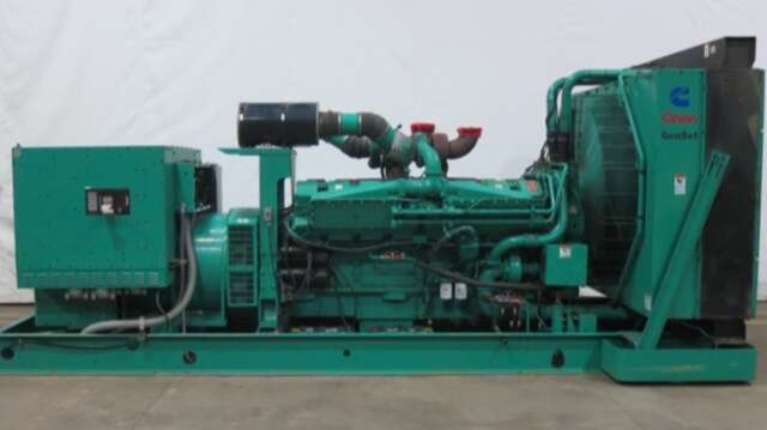
Credit: csdieselgenerators.com
Frequently Asked Questions
Why Won’t My Generator Start?
There are several reasons your generator may not start. Common issues include low fuel levels, dead batteries, or faulty spark plugs. Check the fuel gauge and battery connections first. If those are fine, inspect the spark plugs and ensure they’re clean and functional.
What Causes A Generator To Not Turn Over?
A generator may fail to turn over due to mechanical issues or electrical failures. Problems like a jammed engine, dead battery, or loose wiring can cause this. Regular maintenance can help prevent these issues. Always consult your manual for troubleshooting tips specific to your model.
How Do I Troubleshoot A Generator That Won’t Start?
Start by checking the fuel level and battery charge. Ensure that all switches are in the correct positions. Inspect for any visible damage or loose connections. If the generator still won’t start, refer to the user manual for specific troubleshooting instructions or contact a professional.
Can A Bad Battery Prevent A Generator From Starting?
Yes, a bad battery can prevent your generator from starting. If the battery is dead or weak, it won’t provide enough power. Always check the battery voltage and connections before attempting to start the generator. Replacing a faulty battery often resolves starting issues.
Conclusion
A generator that won’t turn over can be frustrating. It often means there’s a problem. Check the fuel level, battery connections, and oil levels first. Simple fixes can save you time and effort. If these don’t work, consider seeking professional help.
Regular maintenance keeps your generator running smoothly. Understanding the common issues helps you troubleshoot better. Keep your generator in good shape to avoid future problems. A little care goes a long way in ensuring reliability. With the right steps, you can get back to power in no time.