
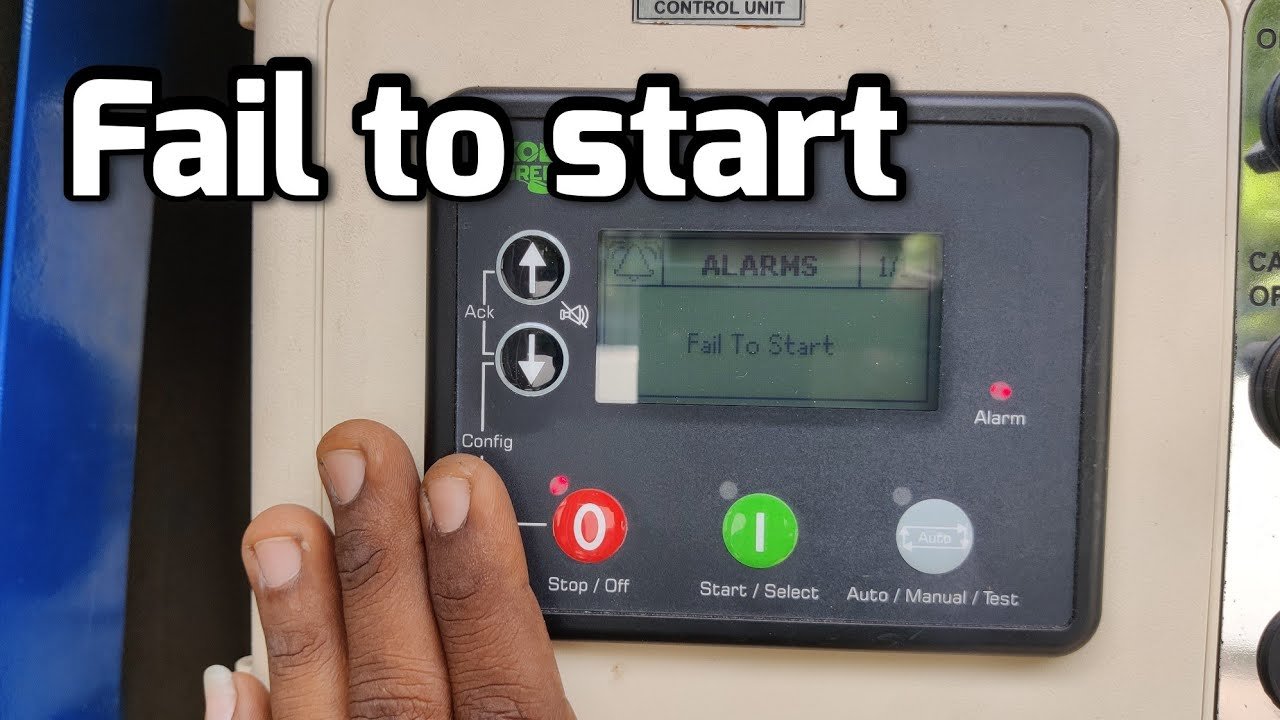
Have you ever found yourself in a situation where your generator just won’t start? It can be incredibly frustrating, especially when you rely on it for power during an outage or while camping.
Understanding why generators fail to start is crucial for any owner. You might think it’s just a minor issue, but it could lead to bigger problems down the line. We’ll explore the common reasons behind generator failures and provide you with practical tips to troubleshoot and fix these issues.
Don’t let a stubborn generator ruin your plans—read on to keep your power source running smoothly when you need it most!
Fuel System Issues
Generators rely on a well-functioning fuel system to start and run properly. Problems in this system can lead to failures. Understanding common fuel system issues can help you troubleshoot your generator effectively.
Low Or Empty Fuel Tank
One of the simplest reasons a generator won’t start is low or empty fuel. Always check the fuel level before starting your generator. Even a small amount of fuel can cause starting issues.
Keep your tank filled. A full tank helps prevent air from entering the fuel lines. Air can lead to more problems down the line.
Clogged Fuel Lines
Clogged fuel lines can block fuel flow. Dirt and debris can build up over time. This buildup restricts fuel from reaching the engine.
Regular maintenance is key. Inspect and clean the fuel lines periodically. This will help ensure a smooth flow of fuel.
Contaminated Fuel
Fuel contamination is another common issue. Old fuel can degrade and cause starting problems. Water or dirt in the fuel can also lead to engine failure.
Use fresh fuel whenever possible. Always store fuel in a clean container. This helps prevent contamination and keeps your generator running smoothly.
Battery Problems
Battery issues can prevent a generator from starting. A dead or weak battery often causes this problem. Regular maintenance and timely replacement are key to avoiding such failures.
Battery problems are among the most common reasons why generators fail to start. A generator relies heavily on its battery to provide the initial power needed to kickstart the engine. If you find yourself in a situation where your generator won’t start, checking the battery is a crucial first step. Let’s break down the battery-related issues that could be causing your generator trouble.Dead Or Weak Battery
A dead or weak battery is often the primary culprit behind a generator that won’t start. Over time, batteries lose their ability to hold a charge, especially if they aren’t used regularly. If your generator has been sitting idle for months, the battery may not have enough power to crank the engine. To troubleshoot, try jumping the battery with another power source. If it starts, consider replacing the battery soon to avoid future issues.Loose Battery Connections
Loose battery connections can prevent your generator from receiving the power it needs. Even if your battery is fully charged, a poor connection can lead to insufficient power flow. Check the terminals where the battery cables connect. They should be tight and secure. If you find them loose, simply tighten the connections. A simple fix can save you from a frustrating experience on a day when you need your generator the most.Corroded Terminals
Corroded terminals are another common issue that can hinder your generator’s performance. Corrosion appears as a white, powdery substance around the battery terminals. This buildup can block the flow of electricity, making it difficult for your generator to start. Cleaning the terminals is straightforward. Use a mixture of baking soda and water to remove corrosion. After cleaning, make sure to dry the terminals thoroughly and reconnect them securely. Regular maintenance can help prevent these problems from arising in the first place. Have you checked your generator’s battery lately? It might just save you from being left in the dark.Ignition System Faults
Generator failures can be frustrating, especially when you need reliable power. One common issue lies within the ignition system. If your generator won’t start, it could be due to faults in this critical component.
Faulty Spark Plugs
Spark plugs play a vital role in igniting the fuel-air mixture in your generator’s engine. If they are worn out or damaged, they may not create the spark needed to start the engine.
Check your spark plugs regularly. Look for signs of wear, such as cracks or heavy carbon buildup. Replacing faulty spark plugs can be a simple fix that gets your generator back up and running.
Have you ever found yourself in a situation where you thought the generator was dead, only to discover the spark plugs needed replacing? It’s a common oversight, but one that can save you time and stress.
Damaged Ignition Coil
The ignition coil is another key player in the starting process. It converts the battery’s low voltage into the high voltage needed to create a spark. A damaged ignition coil can prevent your generator from starting altogether.
Look for signs of damage, such as corrosion or frayed wires. Testing the ignition coil with a multimeter can help determine if it’s functioning properly. If it’s faulty, replacing it may be necessary.
Have you ever experienced a generator that seemed to have a mind of its own? Often, it’s the ignition coil acting up. Addressing this issue can restore your generator’s reliability.
Understanding these ignition system faults can empower you to troubleshoot effectively. Regular maintenance and quick checks can save you from unexpected power outages and costly repairs.

Credit: generator-pro.co.uk
Engine Oil Concerns
Engine oil plays a crucial role in a generator’s performance. Low or dirty oil can lead to starting issues. Regular checks and changes help prevent these problems and ensure your generator runs smoothly.
Engine oil is vital for your generator’s performance. Just like your car, the generator’s engine requires proper lubrication to run smoothly. Neglecting engine oil can lead to serious starting issues, leaving you frustrated and without power when you need it the most.Low Oil Levels
Running a generator with low oil levels can spell disaster. Oil lubricates the engine components, preventing them from grinding against each other. If you check your oil and find it’s below the recommended level, your generator may not start at all. Always keep an eye on the oil gauge. A quick dip can save you from bigger problems later on. Have you ever experienced a generator that just wouldn’t start? I had a friend who faced this during a storm. He thought he was prepared, but his generator wouldn’t budge due to low oil. A simple check could have made all the difference.Dirty Or Old Oil
Dirty or old oil is another culprit behind starting issues. Over time, oil collects dirt, debris, and sludge, which can clog the engine and hinder performance. If you haven’t changed your oil in a while, it might be time to take action. You should aim to change your generator’s oil every 50 hours of use or at least once a year. This simple maintenance task can keep your generator in top shape. Consider how often you use your generator. Are you keeping track of oil changes? Regular maintenance can save you from unexpected failures, especially when you need power the most. Taking care of your engine oil is an easy yet essential step to ensure your generator starts reliably every time.Airflow Blockages
Airflow blockages can cause generators to fail. Dirt, debris, or damaged filters often restrict airflow. Without proper ventilation, engines overheat and won’t start. Regular maintenance is key to keeping generators running smoothly.
Airflow blockages are one of the main reasons generators fail to start. When air can’t flow freely, the engine struggles to get the oxygen it needs to ignite fuel. This can lead to frustrating situations, especially during power outages when you need your generator the most.Dirty Air Filters
Dirty air filters are a common culprit behind airflow issues. Over time, dust, dirt, and debris accumulate, clogging the filter. This restricts the airflow, making it difficult for your generator to function properly. Check your air filter regularly. If it looks dirty or discolored, it’s time to clean or replace it. You can usually do this yourself in a few simple steps, saving you time and money. Have you noticed any changes in your generator’s performance? A dirty air filter could be the reason. Keeping your filter clean not only enhances performance but also extends the life of your generator.Obstructed Intake
An obstructed intake can also lead to significant airflow blockages. Leaves, dirt, or even small animals can block the intake vents, preventing necessary air from entering the engine. This can happen unexpectedly, especially if your generator is located outdoors. Regularly inspect the intake area. Make sure it’s clear of any obstructions. A little maintenance can go a long way in ensuring your generator starts reliably. If you’ve had trouble starting your generator, take a closer look at the intake. Clearing away debris may be all it takes to get it running again. Don’t let something simple keep you in the dark!
Credit: generator-pro.co.uk
Electrical Component Failures
Generators rely on various electrical components to start and run smoothly. When these components fail, the generator may not start at all. Understanding common electrical issues can help you troubleshoot problems effectively.
Identifying these failures can save time and money. Knowing the signs of electrical issues is crucial for maintaining your generator’s performance.
Faulty Starter Motor
The starter motor is essential for starting your generator. If it is faulty, the generator may not start. A worn-out starter can cause slow cranking. This issue often leads to a complete failure to start.
Check for any unusual noises from the motor. Grinding or clicking sounds may indicate a problem. Inspect the wiring for damage or corrosion. A bad connection can disrupt power flow.
Defective Control Panel
The control panel manages all functions of the generator. A defective control panel can prevent the generator from starting. Look for signs of malfunction, like flickering lights or unresponsive buttons.
Check the fuses for any blown connections. Replace any damaged fuses to restore function. Ensure all wiring is secure and undamaged. A faulty panel can lead to bigger issues down the line.
Sensor Malfunctions
Sensor malfunctions can prevent a generator from starting. Faulty sensors may fail to detect necessary conditions, leading to a shutdown. Regular maintenance helps identify and fix these issues before they cause problems.
Sensor malfunctions can be a significant reason why your generator fails to start. These sensors are crucial for monitoring various parameters, ensuring your generator operates smoothly. When they don’t work correctly, it can lead to frustrating issues, especially when you need your generator the most. Let’s dive into some of the common sensor malfunctions that can cause starting problems.Incorrect Readings
When sensors provide incorrect readings, your generator may receive false signals. This can cause it to shut down or refuse to start altogether. For instance, if the temperature sensor reads that the engine is too hot, the generator might not start, even if it’s perfectly fine. Regularly checking your sensor readings can save you time and hassle. Keep an eye on your generator’s display panel for any unusual indicators.Damaged Sensors
Physical damage to sensors is another common issue. A cracked or broken sensor can fail to provide accurate information. You might notice this if your generator struggles to maintain power or starts erratically. Inspect your sensors regularly for any signs of wear and tear. Replacing damaged sensors promptly can prevent more significant problems in the long run. Understanding these sensor-related issues can help you troubleshoot effectively. Have you checked your sensors recently? Taking a few minutes to examine them could save you from a frustrating experience when you need your generator the most.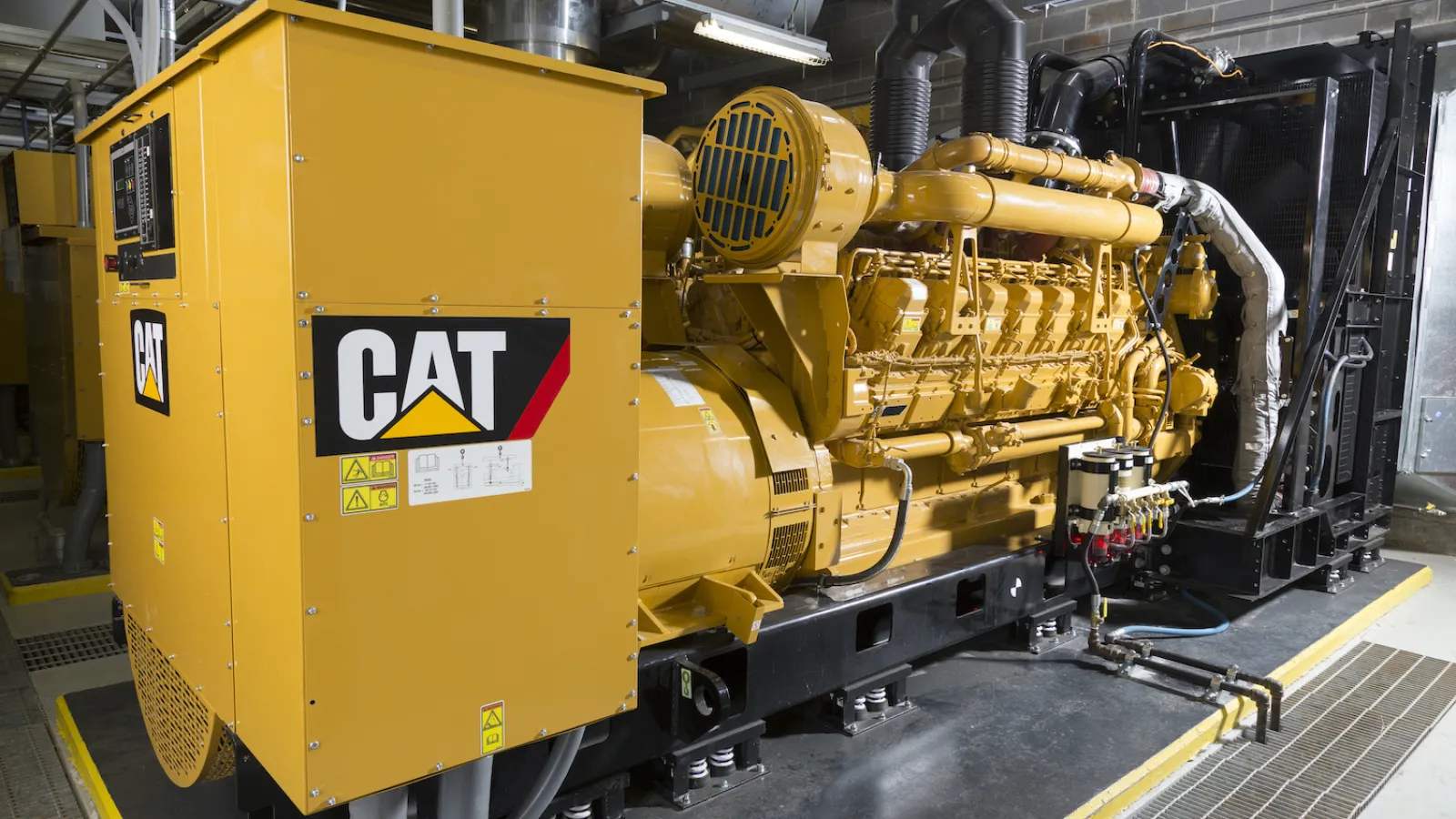
Credit: www.primepower.com
Maintenance Neglect
Many generators fail to start due to maintenance neglect. Regular care is crucial for proper functioning. Ignoring maintenance can lead to serious issues. Let’s explore two major reasons: lack of regular servicing and worn-out components.
Lack Of Regular Servicing
Generators need routine servicing to operate well. Skipping these services can cause problems. Dust and dirt can build up in the engine. This buildup can block airflow and reduce efficiency.
Fuel systems also require attention. Old fuel can create clogs. Regular checks help keep the fuel clean and flowing. Changing the oil on time is essential too. Dirty oil can damage engine parts.
Worn Out Components
All machines have parts that wear over time. Generators are no different. Spark plugs can wear out and fail to ignite fuel. Batteries can lose charge and may not start the generator.
Belts and hoses can crack or break. These worn parts can lead to bigger problems. Replacing worn components is key to keeping your generator running.
Environmental Factors
Environmental factors play a key role in generator performance. Extreme temperatures, humidity, and dust can affect starting issues. Proper maintenance and shelter can help prevent these problems.
Environmental factors can significantly impact the performance of your generator. Understanding these influences can help you troubleshoot issues before they escalate. Let’s take a closer look at how extreme weather and rodent damage can lead to generator failure.Extreme Weather Conditions
Extreme weather can wreak havoc on your generator. High winds, heavy rain, or snow can block air intake and exhaust, limiting the generator’s ability to function properly. Have you ever experienced a power outage during a storm? Your generator might struggle to start if it’s exposed to harsh conditions. For instance, ice can form on critical components, making it difficult for the machine to turn over. Tips to safeguard your generator: – Store it indoors during severe weather to protect it from the elements. – Use a weather-resistant cover if indoor storage isn’t an option. – Regularly check and maintain your generator to ensure it can withstand extreme conditions. Taking these precautions can save you from a frustrating experience when you need your generator the most.Rodent Damage
Rodents can be a surprising threat to your generator. They often seek shelter in cozy spots, including the engine compartment of your machine. A personal experience illustrates this point. I once found my generator completely unresponsive. After some investigation, I discovered a nest of mice had chewed through essential wiring. Preventive measures include: – Sealing any openings around your generator to deter rodents from entering. – Using traps or repellents to keep them at bay. – Regularly inspecting your generator for signs of rodent activity. Being proactive about rodent prevention can help keep your generator in top shape, ensuring it starts reliably when you need it. Have you checked your generator for environmental threats lately? Don’t wait for an unexpected failure to take action!Incorrect Usage
Generators can fail to start for many reasons. One major reason is incorrect usage. Users often do not follow proper guidelines. This can lead to frustration and wasted time. Understanding common mistakes helps avoid these issues.
Overloading The Generator
Overloading a generator is a common mistake. Every generator has a power limit. Exceeding this limit causes it to shut down. This may prevent the generator from starting again.
Check the wattage of your appliances. Make sure it does not exceed the generator’s capacity. Use fewer devices at once. This helps maintain power and prevents failure.
Improper Start-up Procedure
Starting a generator requires specific steps. Skipping any step can lead to problems. Always read the user manual first. Follow the instructions carefully for a successful start.
Ensure the fuel tank is full. Check the oil level before starting. Turn the fuel valve to the “on” position. Press the start button or pull the cord as directed.
Taking these steps seriously can help prevent start-up issues. Proper usage ensures the generator works when needed.
Frequently Asked Questions
Why Won’t My Generator Start?
There are several reasons your generator may not start. Common issues include a dead battery, faulty spark plug, or lack of fuel. Ensure all connections are secure and check the fuel level. Regular maintenance can also prevent starting problems in the future.
What Should I Check First If My Generator Won’t Start?
Start by checking the fuel level and battery. Make sure there is enough fuel in the tank. Next, inspect the battery connections for corrosion or looseness. If these seem fine, examine the oil level and spark plug for any signs of wear or damage.
Can Cold Weather Affect Generator Starting?
Yes, cold weather can significantly impact generator performance. Cold temperatures can thicken the oil and drain the battery faster. Additionally, fuel may gel in extremely low temperatures. It’s wise to use a winter blend fuel and keep the generator in a warmer place if possible.
How Often Should I Service My Generator?
Regular servicing is crucial for optimal performance. Aim to service your generator at least once a year or after every 100 hours of use. This includes changing the oil, checking the fuel system, and inspecting filters. Regular maintenance ensures reliable starting and efficiency.
Conclusion
Generator problems can happen to anyone. Understanding the common reasons helps. Fuel issues, dead batteries, and oil levels often cause failures. Regular maintenance prevents many of these problems. Always check your generator before use. A little care can go a long way.
Don’t ignore warning signs. Staying informed ensures your generator runs smoothly. Take action to avoid frustrating situations. Keeping your generator ready means peace of mind. Be prepared, and you can rely on your generator when you need it most.