
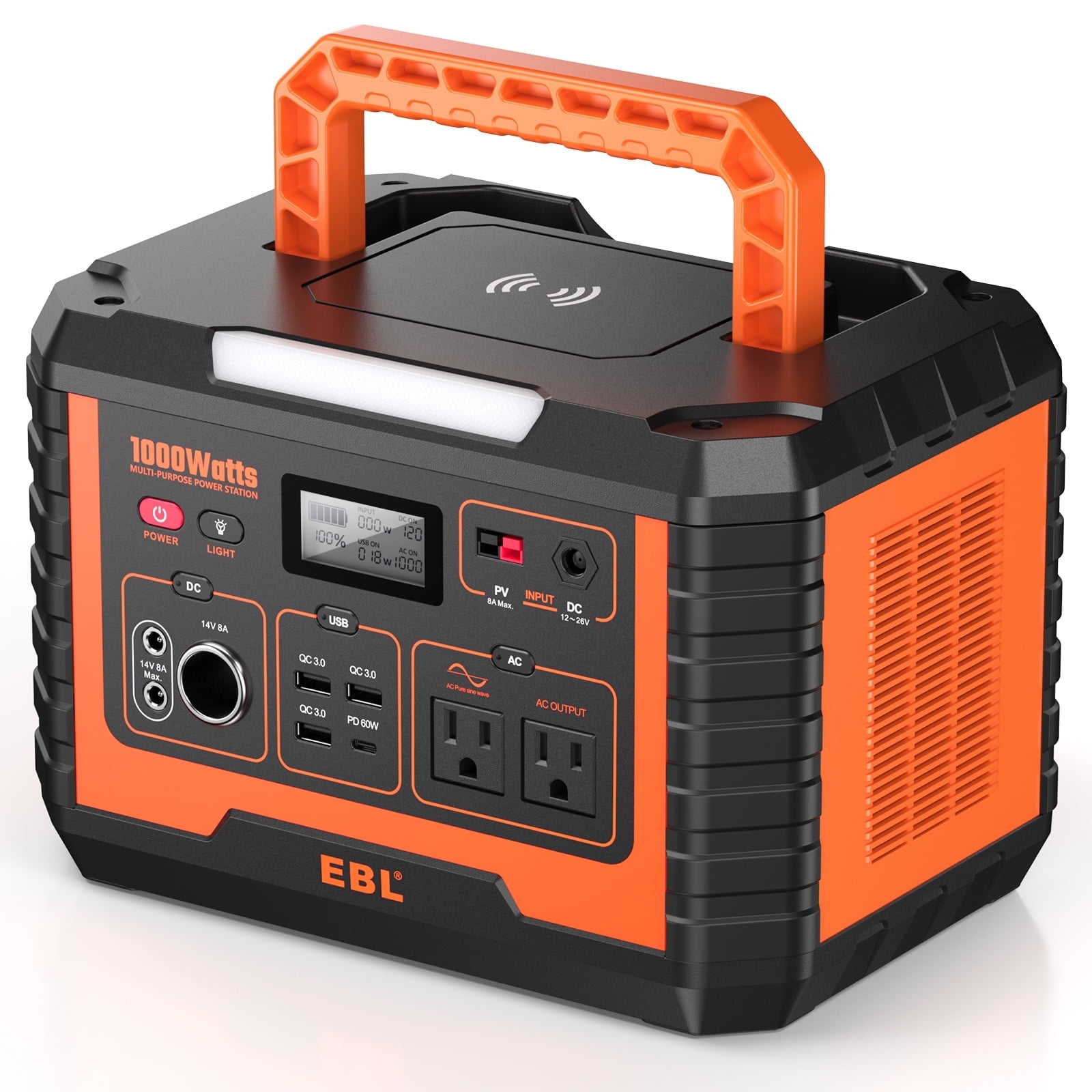
Typical 1000 Watt generator price ranges from $150 to $600 depending on features.
I have spent years testing small portable generators and advising buyers on value and use. This guide breaks down 1000 Watt Generator Price clearly. You will learn what drives cost, what a 1000 watt unit can run, and smart buying moves to save money and avoid mistakes. Read on for practical advice and real-world tips from hands-on experience.

How much does a 1000 Watt generator cost?
A new 1000 Watt generator usually sells for about $150 to $600. Basic, no-frills models sit near the low end. Inverter models or quiet units push toward the high end. Add-ons like CO sensors, parallel capability, or brand premium raise the 1000 Watt Generator Price further.

Factors that affect 1000 Watt Generator Price
Several clear factors change the 1000 Watt Generator Price. Know these to compare apples to apples.
- Fuel system and efficiency — Inverter generators cost more because they manage speed and fuel use.
- Noise level — Quieter units need better mufflers and cost more.
- Build quality — Metal frames and better engines increase price.
- Brand and warranty — Trusted brands charge more and often include longer warranties.
- Safety features — CO shutoff and low-oil protection add to cost.
- Extras and accessories — Parallel kits, covers, and wheels raise the final price.

Types and price ranges for 1000 Watt generators
Not all 1000 Watt generators are the same. Type matters for price and performance.
- Basic portable model — $150 to $300. Simple, louder, good for occasional use.
- Inverter 1000 Watt generator — $300 to $600. Cleaner power and quieter. Good for electronics.
- Refurbished or used units — $80 to $250. Lower price, but check condition and warranty.
- Branded premium models — $400 to $700. Longer warranties and better support.
When comparing, focus on rated watts versus surge watts. A 1000 Watt generator may produce higher surge power for starting motors. That affects cost and usefulness.

What a 1000 Watt generator can power
A 1000 Watt generator is compact but useful. It fits a narrow set of needs.
- Small fridge or cooler — Many compact fridges run 100 to 400 watts but need surge power to start.
- LED TV and router — These draw under 200 watts and run fine.
- Laptop and phone chargers — Low draw. Ideal for work or travel.
- Small lights and fans — Combined loads stay well under 1000 watts.
- Coffee maker or microwave — Often too high for steady use because of startup load.
Always add up running watts and consider startup surge. If you need to run multiple items, the total must stay below the rated output for safe use.

Running costs and maintenance to budget for
Price is not just purchase cost. Plan for running and upkeep.
- Fuel — Gas use depends on load. A small 1000 Watt generator burns less than larger units but still needs fuel stock.
- Oil and filters — Change oil after break-in and seasonally. This lowers repair risk.
- Load testing — Run the unit monthly for 20 minutes to keep it healthy.
- Spare parts — Spark plugs, fuel stabilizer, and air filters add small recurring costs.
- Repairs — Cheap models can cost more long-term if they fail often.
Factor yearly running costs into the total cost of ownership. A slightly pricier, efficient model can save money over time.
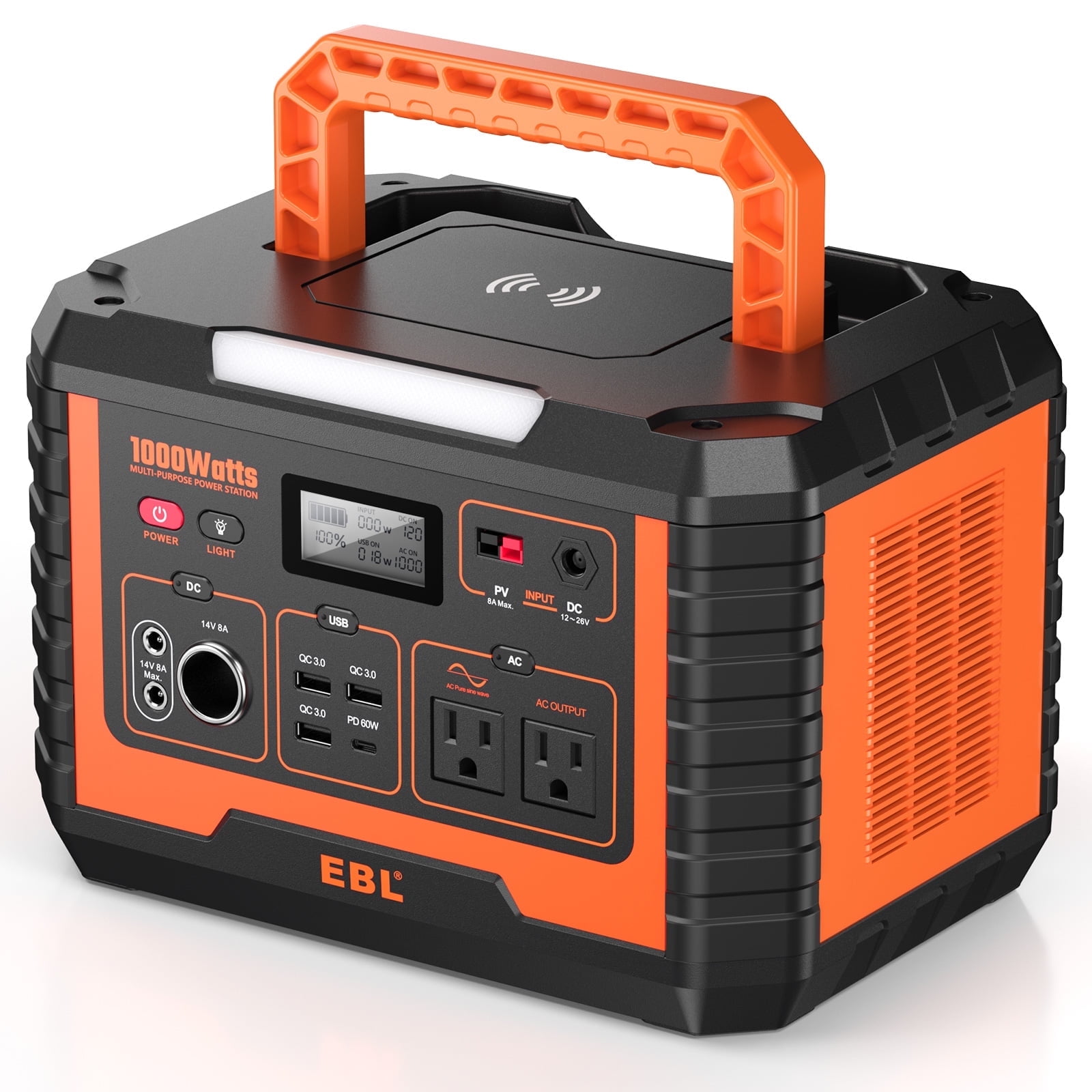
Where to buy and how to get the best 1000 Watt Generator Price
Shop smart to get the best value for your money.
- Big-box retailers — Good selection and returns. Watch seasonal sales for discounts.
- Online marketplaces — Often lower prices but check seller ratings and warranty terms.
- Authorized dealers — Pricier, but they offer service and parts support.
- Refurbished sellers — Lower price, possible warranty. Inspect photos and return policy.
- Local classifieds — Bargains possible, but test before buying.
Timing helps. Buy off-season or during holidays. Use coupons and compare shipping and tax. Remember the total cost, not just the sticker price.

Personal experience: lessons and practical tips
From tests and real use, I learned what matters.
- Don’t buy only on price — I once bought a very cheap 1000 Watt generator that needed early repairs. The repair cost nearly matched a higher-quality unit.
- Match needs to watts — I almost overloaded a 1000 Watt unit by not checking startup watts. Lesson: always total both running and surge watts.
- Run and maintain — Monthly runs and oil changes prevented carburetor gumming on my 1000 Watt inverter.
- Noise matters — A quiet unit made camping and late-night use far more pleasant. I now prioritize low dBA models for regular trips.
These real moments shaped my buying rules. Use them to avoid common mistakes and stretch your dollars.
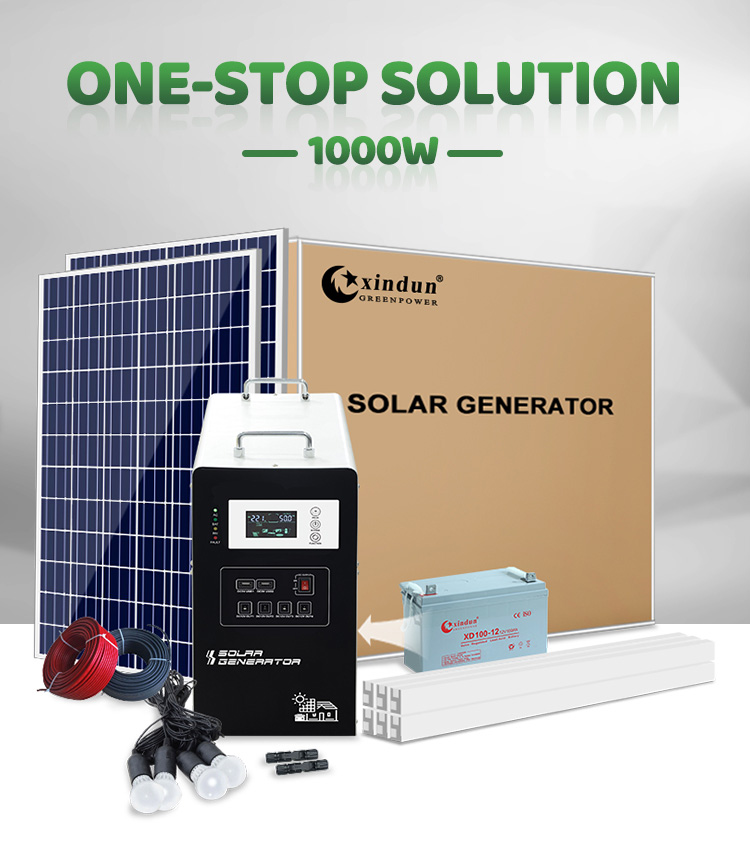
Comparison: 1000W vs 2000W vs 3000W prices and value
Choosing the right size affects cost and utility.
- 1000W — $150 to $600. Best for light electronics and small appliances. Cheap and portable.
- 2000W — $300 to $900. Runs more appliances and handles larger surges. A good middle ground.
- 3000W — $500 to $1,200. Useful for multiple heavy loads and home backup. Heavier and pricier.
Choose the lowest size that reliably runs your loads. Oversizing wastes money. Undersizing causes risk and frustration.

Common mistakes to avoid when shopping
A few simple errors raise cost or reduce usefulness.
- Ignoring surge watts — Leads to overload and shutdowns.
- Skipping warranty checks — Repairs can be costly without coverage.
- Choosing cheapest model without reviews — May mean poor reliability.
- Forgetting transport needs — Small 1000 Watt units are portable; confirm handle or wheel needs.
Avoid these and you will get better value for the 1000 Watt Generator Price you pay.
Energy safety and legal notes
Know rules and safe use. This protects you and your gear.
- Never run indoors — Carbon monoxide is deadly. Use outdoors and away from openings.
- Use proper cords — Heavy-gauge extension cords reduce risk and loss.
- Follow local codes — Some areas restrict generator use or require permits for installations.
- Use CO detectors — Newer models include automatic shutoff. Still, a detector adds safety.
Safety matters as much as cost when picking a 1000 Watt generator. Follow instructions and stay cautious.
Frequently Asked Questions of 1000 Watt Generator Price
What is a typical retail price for a new 1000 Watt generator?
A new 1000 Watt generator commonly costs between $150 and $600 based on type and features. Inverter models and branded units sit at the higher end.
Can a 1000 Watt generator run a refrigerator?
It can run many small fridges, but fridge startup can need extra surge watts. Check the fridge’s startup watts and compare to the generator’s surge rating.
Is an inverter 1000 Watt generator worth the extra cost?
Yes, if you need clean power for laptops or sensitive electronics and want quieter operation. The higher upfront 1000 Watt Generator Price can save electronics and fuel.
Are used 1000 Watt generators a good deal?
Used units can be a bargain if well maintained and low hours. Inspect, ask about service history, and test the unit before purchase.
How long will a 1000 Watt generator run on one tank?
Run time varies by load and tank size. At light load, many 1000 Watt generators run 6 to 10 hours on a single tank.
What is the difference between rated watts and surge watts?
Rated watts are continuous power the generator supplies. Surge watts are short bursts for starting motors. Both affect what you can safely run.
Conclusion
Choosing the right 1000 Watt Generator Price means balancing cost, features, and real needs. Focus on what you will run, check surge and rated watts, and factor in running costs and warranty. Start with a clear list of devices you need to power. Test units when possible and pick a model that fits your use and budget. If you found this guide helpful, consider sharing it, subscribing for more buying guides, or leaving a comment with your questions or experiences.