
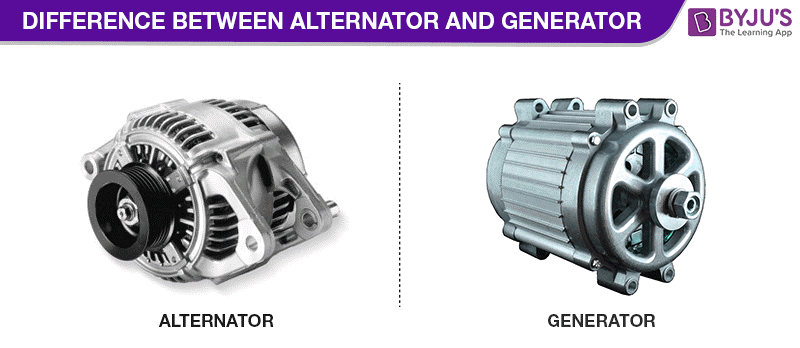
Have you ever wondered if a generator and an alternator are the same thing? If you’re like many people, you might use these terms interchangeably without realizing the key differences between them.
Understanding these differences is crucial, especially if you rely on them for power in your home, vehicle, or business. We’ll break down the distinct roles of generators and alternators, so you can make informed decisions when it comes to your power needs.
Whether you’re looking to buy one or simply want to boost your knowledge, you’ll find valuable insights here. Stick around to uncover the facts that could save you time and money in the long run!
Definition Of Generator And Alternator
Understanding the difference between a generator and an alternator can be quite enlightening. Both devices generate electricity, but they do so in different ways and serve distinct purposes. Let’s dive into their definitions.
Definition Of Generator
A generator converts mechanical energy into electrical energy. It does this through electromagnetic induction. When you turn the generator’s rotor, it creates a magnetic field that induces electric current.
Generators are often used in situations where there’s no access to the power grid. Think about camping trips or outdoor events. Having a portable generator can ensure you have electricity for lighting, cooking, and charging devices.
Definition Of Alternator
An alternator is a specific type of generator that produces alternating current (AC). Unlike traditional generators, which may produce direct current (DC), alternators are designed for efficiency and reliability.
You’ll find alternators primarily in vehicles. They charge the car battery while the engine runs. This ensures that all electrical components, like headlights and air conditioning, function smoothly.
Have you ever experienced your car battery dying unexpectedly? This often happens when the alternator fails, leading to a lack of power for vital electrical systems.
In summary, while both generators and alternators generate electricity, they operate differently and are used in various applications. Understanding these differences helps you choose the right one for your needs.
Credit: famcocorp.ae
Core Functions
Generators and alternators serve different purposes in providing power. A generator converts mechanical energy into electrical energy. In contrast, an alternator generates alternating current and is often used in vehicles. Understanding these core functions helps clarify their roles in energy production.
The core functions of generators and alternators often lead to confusion, but understanding their distinct roles can clarify their importance in various applications. While both devices convert mechanical energy into electrical energy, their mechanisms and outputs differ significantly.What Is A Generator?
A generator’s primary function is to convert mechanical energy into direct current (DC) electricity. – It uses a rotating coil of wire within a magnetic field. – The movement induces a flow of electrons, creating electricity. Generators are commonly used in situations where power supply is critical. For instance, you might have used a portable generator during a power outage, providing your home with essential electricity.What Is An Alternator?
An alternator serves a different purpose. It converts mechanical energy into alternating current (AC) electricity. – Alternators use a rotating magnetic field to produce electricity. – This design is more efficient for charging batteries and powering electrical systems in vehicles. You’ve likely experienced an alternator’s importance during a long road trip. It continuously charges the car battery, ensuring all electrical components function properly.Key Differences In Output
The output type is one of the most significant distinctions between generators and alternators. – Generators produce DC electricity, which is perfect for battery storage. – Alternators, on the other hand, produce AC electricity, suitable for immediate use. Think about your home appliances. Most of them require AC power, making alternators vital in everyday life.Efficiency And Maintenance
Generators tend to be less efficient than alternators. – Generators often require regular maintenance to keep them running smoothly. – Alternators usually have a longer lifespan and require less frequent upkeep. Have you ever had to deal with the hassle of a generator breaking down? It can be frustrating, especially during emergencies. Understanding these core functions can help you make informed decisions about which device suits your needs. Are you prepared for your next power challenge?Design And Construction
The design and construction of generators and alternators differ in important ways. Both devices convert mechanical energy into electrical energy. Yet, their structures lead to different functions and applications.
Generators create direct current (DC) electricity. They have a simpler design. Alternators produce alternating current (AC) electricity. Their construction is more complex.
Components Of Generator
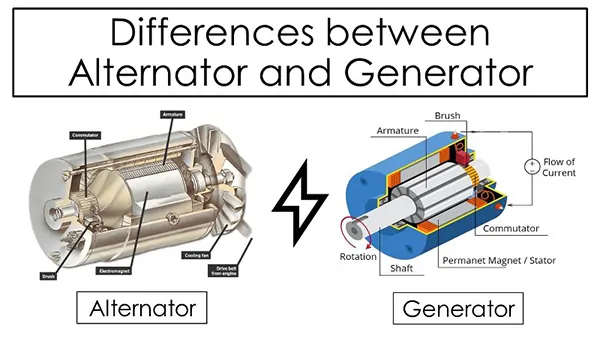
A generator has key components that work together. The main parts include the rotor, stator, and armature. The rotor spins to create a magnetic field. This magnetic field induces electrical current in the armature. The stator surrounds the rotor.
The armature is where electricity is generated. It is often made of coils of wire. Generators may also include brushes and a commutator. These parts help direct the current flow.
Components Of Alternator
An alternator consists of several important components. The rotor, stator, and rectifier are key parts. The rotor spins inside the stator, creating a magnetic field.
The stator contains coils of wire. As the rotor turns, it generates alternating current. The rectifier converts this AC into usable direct current.
Unlike generators, alternators usually do not have brushes. This makes them more durable and requires less maintenance.
Working Principles
Understanding how generators and alternators work is crucial. Both devices convert mechanical energy into electrical energy. Yet, they do this in different ways. Let’s explore their working principles to see how they operate.
How Generators Work
Generators produce direct current (DC) electricity. They use magnets and coils of wire. When the coil spins inside a magnetic field, it creates electricity.
The mechanical energy comes from an engine or turbine. This energy turns the coil. As it spins, electrons move through the wire. This flow generates electricity.
Generators need a commutator. This device helps change the direction of current. It ensures a steady flow of electricity in one direction.
How Alternators Work
Alternators create alternating current (AC) electricity. They also use magnets and coils. But the coils remain stationary while the magnetic field rotates.
The rotating magnetic field induces voltage in the coils. This voltage changes direction. Thus, it creates alternating current.
Alternators are efficient. They produce more electricity at higher speeds. They do not require a commutator. Instead, they use diodes to convert AC to DC when needed.
Energy Conversion Process
Understanding the energy conversion process helps clarify how generators and alternators work. Both devices transform energy from one form to another. Yet, they do it in different ways.
Generator Functionality
A generator converts mechanical energy into electrical energy. It uses a fuel source like gas or diesel. The engine rotates, which moves magnets within coils of wire. This movement creates electricity.
The key here is mechanical energy. The generator needs a constant input to keep producing power. This makes it suitable for various applications, from power plants to portable units.
Alternator Functionality
Unlike a generator, an alternator creates alternating current (AC) instead of direct current (DC). It does this by rotating magnets around coils of wire. This action generates electricity as well.
Alternators are often found in vehicles. They convert mechanical energy from the engine into electrical energy. This process keeps the battery charged and powers electrical systems.
Differences In Energy Conversion
The main difference lies in the type of current produced. Generators can produce both AC and DC. Alternators mainly produce AC. This distinction impacts their applications and efficiency.
Generators often need more maintenance than alternators. They have more moving parts and require regular checks. In contrast, alternators are generally more reliable.
Understanding these differences helps in choosing the right device. Both serve essential roles in energy production. Knowing their energy conversion processes aids in making informed decisions.
Credit: unitechmotor.com
Efficiency And Output
Understanding efficiency and output helps us see the differences between generators and alternators. Both devices convert mechanical energy into electrical energy. Yet, they do so in different ways and with varying efficiency levels.
Generator Efficiency
Generators are less efficient than alternators. They usually operate at around 70% to 90% efficiency. This means they lose energy during the conversion process. Fuel type and design affect their performance. Older models tend to be less efficient. Newer designs improve efficiency.
Alternator Efficiency
Alternators are more efficient, often reaching 95% efficiency or higher. They convert energy more effectively. This efficiency leads to less fuel consumption. Many vehicles use alternators because of their high output. They can produce electricity at low speeds.
Output Comparison
Generators produce a steady output of power. This is useful for large loads. They are ideal for homes and industrial use. Alternators, on the other hand, provide variable output. They adjust based on demand. This makes them perfect for vehicles.
Factors Affecting Efficiency And Output
Several factors influence both efficiency and output. Design plays a significant role. The type of fuel also matters. Maintenance is key to keeping both devices running well. Regular checks ensure they operate at peak performance.
Applications In Real Life
Generators and alternators serve different purposes in daily life. A generator converts mechanical energy into electricity, while an alternator generates alternating current. Understanding their differences helps in choosing the right device for specific needs, from powering homes to running vehicles.
Understanding the applications of generators and alternators can help you appreciate their roles in daily life. Both devices serve crucial functions, but they operate differently and are used in various situations. Let’s break down how each one fits into our world.Uses Of Generators
Generators are essential in providing electrical power where it may not be readily available. They are commonly found in:- Construction Sites:Generators supply power for tools and lighting.
- Emergency Backup:In case of power outages, they keep your home running smoothly.
- Outdoor Events:Whether it’s a wedding or a concert, generators ensure sound systems and lighting are operational.
Uses Of Alternators
Alternators are primarily found in vehicles, converting mechanical energy into electrical energy. Their applications include:- Automobiles:Alternators keep your car’s battery charged and power the electrical system while driving.
- Marine Vehicles:Boats rely on alternators to manage onboard electrical needs.
- Wind Turbines:In renewable energy setups, alternators convert wind energy into electricity.
Maintenance Requirements
Generators and alternators need regular care. Proper maintenance helps them work well. Each has specific needs. Understanding these can save time and money.
Generator Maintenance
Generators require frequent checks. Start by inspecting oil levels. Change the oil as needed. Clean or replace air filters regularly. This keeps the engine running smoothly.
Check the fuel system too. Look for leaks and clean the fuel filter. Battery terminals should be clean and tight. Test the battery regularly to ensure it works.
Alternator Maintenance
Alternators also need attention. Inspect the wiring for damage or wear. Look for loose connections. Tighten any that are not secure.
Check the belt tension regularly. A loose belt can cause issues. Listen for unusual sounds during operation. This can indicate a problem.
Common Maintenance Tasks
Both generators and alternators benefit from routine checks. Schedule regular inspections. Keep a maintenance log to track tasks. This helps you remember what needs attention.
Replace worn parts quickly. Ignoring small issues can lead to bigger problems. Regular maintenance extends the life of both devices.
Key Differences
Generators and alternators are not the same. A generator produces direct current (DC), while an alternator generates alternating current (AC). Understanding these differences helps in choosing the right power source for specific needs.
Understanding the key differences between generators and alternators can greatly impact how you choose to power your devices or vehicles. Both serve the purpose of converting mechanical energy into electrical energy, but they do so in distinct ways. Let’s dive into the specifics to clarify how these two components differ.Structural Differences
Generators and alternators have different designs that affect their operation. – Generator Structure: A generator typically consists of a rotor and a stator. The rotor spins within the stator to produce electricity. – Alternator Structure: An alternator also has a rotor and stator, but the rotor is usually located inside the stator. This configuration allows for a more compact design. The materials used in their construction also vary. Generators often use brushes to transfer electricity, while alternators employ a more efficient method, using electromagnetic induction without brushes. This difference can lead to reduced maintenance needs for alternators.Functional Differences
The way generators and alternators operate fundamentally differs. – Generator Functionality: Generators produce direct current (DC) electricity. This type of power is often used in batteries and small electronic devices. – Alternator Functionality: Alternators generate alternating current (AC) electricity. This is the type of power that most homes and businesses rely on. You might find that your vehicle runs on an alternator rather than a generator because AC power can be easily converted to DC, making it more versatile. Understanding these functional differences can help you choose the right device for your specific needs.Performance Differences
Performance varies significantly between these two devices. – Efficiency: Alternators generally outperform generators. They can produce more electricity at lower speeds, which is crucial for automotive applications. – Power Output: Generators are typically better for high-power applications. They can provide a consistent power supply for longer periods, making them ideal for construction sites or remote locations. Consider your application when choosing between a generator and an alternator. Are you looking for something efficient for a vehicle, or do you need reliable power for a worksite? The choice you make can greatly influence your power needs.Which Is Better?
Deciding whether a generator or an alternator is better for your needs can be confusing. Both devices serve essential roles in power generation and distribution, but they do so in different ways. Understanding the strengths of each can help you make an informed choice.
Factors To Consider
Several factors can influence your decision between a generator and an alternator. First, think about the power requirements. If you need a portable power source for tools or appliances, a generator might be the right fit. They are excellent for providing electricity during outages or outdoor activities.
Next, consider efficiency. Alternators are generally more efficient than generators, especially in automotive applications. They can produce more power at lower RPMs, which means they can work better with modern engines.
Cost is another crucial factor. Generators can be less expensive upfront but may incur higher fuel and maintenance costs over time. Alternators, while initially pricier, often have lower running costs, especially in vehicles.
Best Fit For Specific Needs
Your specific needs will ultimately determine which option is better. If you frequently go camping or need a backup for home use, a generator offers flexibility and portability. You can power multiple devices without worrying about availability.
On the other hand, if you drive a vehicle and want to ensure a steady power supply for electrical components, an alternator is essential. It provides a reliable source of electricity while the engine is running.
Think about the long-term. Will you require a consistent power supply or just occasional bursts of energy? Knowing your needs can help you make the best choice.
Have you thought about how much power you actually need in your daily life? Evaluating your requirements can lead to a smarter investment. Consider not just the initial cost, but also the ongoing expenses and maintenance involved with each option.

Credit: www.youtube.com
Frequently Asked Questions
Are Generators And Alternators Interchangeable?
Generators and alternators are not interchangeable. While both convert mechanical energy into electrical energy, they function differently. Generators produce direct current (DC), while alternators generate alternating current (AC). Their applications also differ, with alternators commonly used in vehicles and generators in backup power systems.
What Is The Main Difference Between A Generator And An Alternator?
The main difference lies in their output. Generators typically produce DC electricity, while alternators produce AC electricity. This distinction affects their design and efficiency. Additionally, alternators are generally more efficient and require less maintenance compared to traditional generators, making them preferable for modern applications.
Which Is More Efficient: A Generator Or An Alternator?
In general, alternators are more efficient than generators. They convert mechanical energy into electrical energy with less wasted energy. This efficiency allows alternators to charge batteries while running at lower RPMs. As a result, they are commonly used in automotive applications where efficiency is crucial.
Can A Vehicle Run On A Generator Instead Of An Alternator?
Yes, a vehicle can run on a generator, but it is not practical. Generators produce DC power, which requires a different electrical system. Vehicles are designed with alternators to provide efficient AC power for ignition and accessories. Using a generator would lead to compatibility issues and reduced performance.
Conclusion
Generators and alternators serve different purposes. A generator creates electricity using mechanical energy. An alternator converts mechanical energy into alternating current. Both are important in various applications. Understanding their differences helps in making informed choices. Whether you need backup power or automotive charging, knowing the right tool is key.
Choose wisely based on your needs. Clear knowledge leads to better decisions. Always consider how each device fits your situation. This knowledge empowers you in practical ways.