
When the power goes out, the last thing you want to worry about is your food spoiling. You need a reliable generator that can keep your refrigerator running smoothly.
But with so many options available, how do you choose the right one for your needs? This guide will help you understand what generator can power a refrigerator effectively. You’ll discover the key factors to consider, from wattage requirements to fuel types.
By the end of this article, you’ll be equipped with the knowledge to make an informed decision and ensure your food stays fresh, no matter what. Let’s dive in and find the perfect generator for your refrigerator!

Credit: www.bluedm.com.au
Choosing The Right Generator
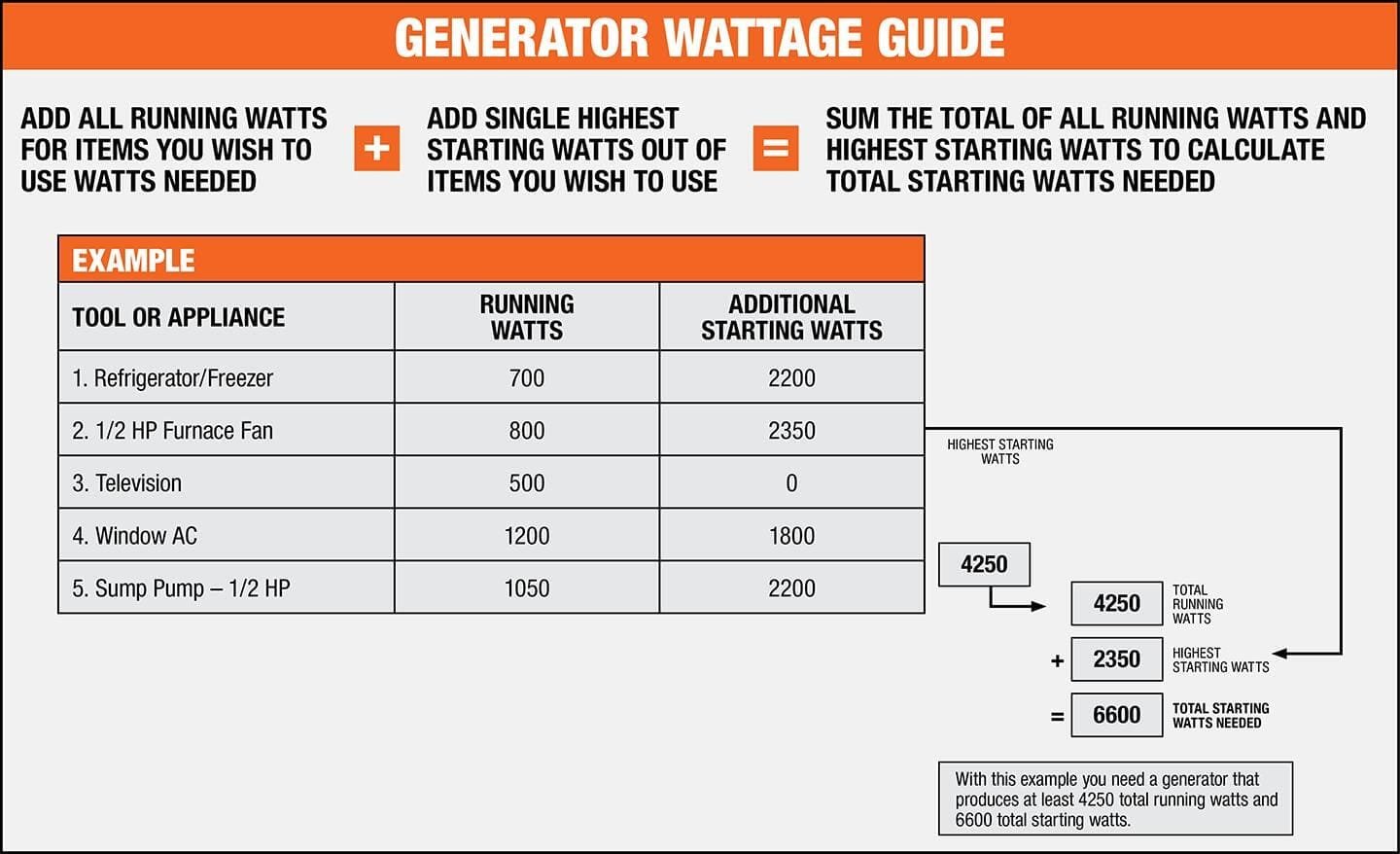
Choosing the right generator is key for powering a refrigerator. Look for models with enough wattage to handle the starting and running power. Knowing your fridge’s energy needs will help you select a suitable generator.
Choosing the Right Generator Selecting the right generator to power your refrigerator is crucial for maintaining your food’s freshness and safety. The generator needs to meet specific power requirements while also being suitable for your lifestyle and budget. Understanding the power needs of your refrigerator and the types of generators available can simplify the decision-making process.Power Requirements Of A Refrigerator
Refrigerators vary in power consumption based on size and features. The average refrigerator typically requires between 100 to 800 watts to run. – Starting watts: This is the power needed to start the refrigerator’s compressor, which can be significantly higher, sometimes reaching up to 1,200 watts or more. – Running watts: Once the refrigerator is running, it usually consumes less power, often around 200 to 400 watts. Calculate your refrigerator’s total wattage by checking the manufacturer’s label or manual. Knowing these numbers helps you choose a generator that can handle both starting and running requirements.Types Of Generators Available
Several types of generators can power your refrigerator. Each has its pros and cons, making it essential to find one that fits your needs. – Portable Generators: These are versatile and easy to transport. They often provide enough power for smaller refrigerators and are great for camping or emergency use. – Inverter Generators: Known for their quieter operation, inverter generators produce clean power. They are ideal for sensitive electronics, making them a good choice if your refrigerator has advanced features. – Standby Generators: These are permanently installed and automatically kick in during power outages. While more expensive, they provide peace of mind by ensuring your refrigerator stays powered without any manual effort. Consider what fits your lifestyle. Do you need a generator for emergencies, or are you planning to use it for outdoor activities? Choosing the right generator means balancing your refrigerator’s power needs with the generator’s capacity and your budget. Don’t forget to factor in noise levels and fuel efficiency. With the right choice, you can keep your food fresh and your worries at bay.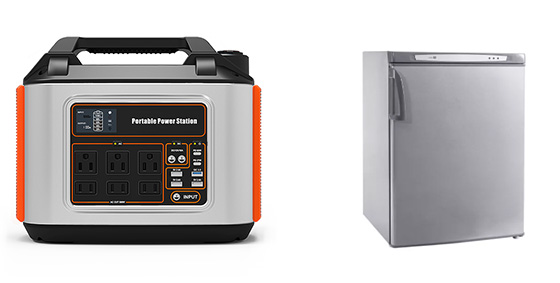
Credit: www.inverter.com
Portable Generators
Portable generators can power a refrigerator during outages. Look for models with at least 2000 watts to keep food cold. Choosing the right generator ensures your fridge stays running when you need it most.
Portable generators are a practical solution for powering appliances like refrigerators, especially during power outages or outdoor activities. They provide flexibility and can be easily moved to where you need them most. Whether you’re camping, tailgating, or simply want a backup at home, understanding the benefits of portable generators is essential.Advantages Of Portability
Portable generators offer numerous benefits that make them an appealing choice for many households. – Mobility: You can easily transport them to any location. This is especially useful for outdoor events or emergency situations. – Compact Size: They are typically smaller than standby generators, allowing for easier storage. – Ease of Use: Most portable generators come with user-friendly controls. You don’t need to be a technician to set them up and start using them. Imagine you’re at a family picnic, and the food starts to spoil because of a sudden power outage. A portable generator can quickly power your fridge, keeping your drinks cool and your food safe.Recommended Models For Refrigerators
Choosing the right portable generator for your refrigerator is crucial. Not all generators provide the same power output, so consider these recommended models: 1. Honda EU2200i – Power Output: 2,200 watts – Runtime: Up to 8 hours on a single tank – Noise Level: Quiet operation, perfect for residential areas 2. Champion 2000-Watt Dual Fuel Generator – Power Output: 2,000 watts – Fuel Types: Runs on gasoline or propane – Weight: Lightweight and easy to carry 3. Westinghouse iGen4500 – Power Output: 4,500 watts – Features: Remote start, making it easy to operate from a distance – Inverter Technology: Provides clean power for sensitive electronics When selecting a generator, ensure it meets the power requirements of your refrigerator. Check the wattage on your fridge’s label for guidance. A portable generator can be a game-changer in emergency situations or when you’re enjoying the great outdoors. Are you prepared for the unexpected?Inverter Generators
Inverter generators are quiet and efficient. They can easily power a refrigerator. Look for models with at least 2000 watts for reliable performance. This ensures your food stays fresh during outages or camping trips.
Inverter generators have gained popularity for their efficiency and reliability, especially when it comes to powering essential appliances like refrigerators. These generators produce clean and stable energy, making them ideal for sensitive electronics. They operate quietly, which is a significant benefit if you plan to use them in residential areas or during camping trips.Why Inverter Generators Stand Out
Inverter generators excel in several key areas. – Efficiency: Unlike conventional generators, they adjust their engine speed based on the load. This means they consume less fuel and produce less noise. – Portability: Many inverter generators are lightweight and compact. You can easily transport them for outdoor events or emergencies. – Clean Power: The power produced is stable and safe for your refrigerator and other sensitive electronics. This prevents potential damage and ensures your appliances run smoothly. Imagine hosting a backyard barbecue. You want to keep drinks cold and food fresh. An inverter generator can run your refrigerator without the jarring noise of a traditional generator, allowing you to enjoy the day without interruptions.Best Inverter Generators For Refrigerators
Choosing the right inverter generator depends on your refrigerator’s wattage needs. Here are some top picks that can effectively power a refrigerator: | Generator Model | Starting Watts | Running Watts | Weight | Run Time | |———————|——————–|——————–|————|————–| | Honda EU2200i | 2200 | 1800 | 47 lbs | 8.1 hours | | Yamaha EF2200iS | 2200 | 1800 | 55 lbs | 10.5 hours | | WEN 56200i | 2000 | 1600 | 48 lbs | 6 hours | | Champion 2000-Watt | 2000 | 1700 | 39 lbs | 11.5 hours | These models provide a good balance of power, portability, and runtime. When choosing, consider your refrigerator’s startup wattage, which is typically higher than its running wattage. Make sure the generator can handle that initial surge. Have you thought about how a reliable power source could impact your next camping trip or emergency situation? Investing in an inverter generator not only protects your refrigerator but enhances your overall experience.Dual-fuel Generators
Dual-fuel generators are versatile tools. They can run on gasoline or propane. This feature offers flexibility and convenience. You can choose the fuel based on availability or cost.
These generators are popular for powering appliances like refrigerators. They provide reliable energy during outages. Their ability to switch fuels makes them a smart choice for many households.
Gasoline Vs Propane Options
Gasoline generators are common and easy to find. They usually provide more power than propane models. However, gasoline can spoil. It also requires more maintenance.
Propane generators are cleaner and last longer. They do not spoil and are safer to store. Propane burns cleaner than gasoline. This means less pollution and less wear on the generator.
Choosing between gasoline and propane depends on your needs. Consider fuel availability and storage space. Each option has its pros and cons.
Top Dual-fuel Choices
Several dual-fuel generators stand out in the market. The Champion 7500-Watt Generator is a popular choice. It offers strong power and easy fuel switching.
The DuroMax XP12000EH is another good option. It has a powerful engine and runs quietly. Its durable design ensures long-term use.
Look for features like electric start and portability. These can make your experience better. Always check the power output to ensure it meets your needs.
Solar Generators
Solar generators are a clean and quiet power source. They use sunlight to generate electricity. This makes them an eco-friendly option for powering appliances. Many people consider them for home use. They can support various devices, including refrigerators.
Eco-friendly Alternative
Solar generators do not produce harmful emissions. They help reduce your carbon footprint. Using solar energy is sustainable and renewable. This energy source is abundant and available almost everywhere. Many people prefer solar generators for their environmental benefits.
They require little maintenance. Once set up, they can provide power for years. Solar generators are also silent. Unlike gas generators, they do not create noise pollution. This makes them ideal for camping or quiet residential areas.
Solar Generator Models For Refrigerators
Many solar generators can power refrigerators efficiently. They come in different sizes and capacities. Some popular models include the Jackery Explorer and the Goal Zero Yeti. Each model has unique features suitable for various needs.
Choose a model based on your refrigerator’s wattage. Most refrigerators need between 100 to 800 watts. Make sure the solar generator can handle this load. Check the battery capacity too. A larger battery will power your fridge longer.
Consider the solar panel capacity as well. The more solar panels, the more energy you can collect. This can help keep your refrigerator running during sunny days. Evaluate your options carefully to find the right fit.
Key Features To Look For
Choosing the right generator for a refrigerator involves key features. Look for wattage capacity to ensure it can handle the fridge’s needs. Portability and fuel type are also important for convenience and efficiency. Consider noise levels for a quieter experience at home.
Choosing the right generator to power your refrigerator requires careful consideration of several key features. Understanding what to look for can make all the difference in ensuring your food stays fresh and your appliances run smoothly during a power outage. Here are the critical aspects to keep in mind.Wattage And Runtime
Wattage is the first thing to check. Refrigerators typically require a starting wattage of around 1,200 to 2,000 watts. This is the power needed to kickstart the compressor when the fridge cycles on. Look for a generator that offers at least 2,000 to 3,000 watts of surge power. This extra wattage provides a safety buffer for your refrigerator’s startup needs. Runtime is equally important. You want a generator that can run for several hours without needing a refill. Many portable generators offer runtimes ranging from 8 to 12 hours on a full tank. Consider how long you might need it to operate during an outage and choose accordingly.Noise Levels And Size
Noise can be a major concern, especially if you plan to use the generator in a residential area. Some generators produce noise levels that can reach up to 70 decibels, which is similar to a vacuum cleaner. Look for models that advertise quieter operation, typically around 50 to 60 decibels. Size matters too. A compact generator is easier to store and transport. Make sure you can easily fit it in your garage or shed without taking up too much space. Consider your personal experience. Have you ever struggled with a loud generator while trying to enjoy a peaceful evening? Prioritizing noise levels can lead to a more pleasant experience during a power outage. Taking the time to assess these features will help you make a well-informed decision. Your refrigerator—and your peace of mind—will thank you.Tips For Efficient Usage
Choosing the right generator for a refrigerator is important. Look for one that provides enough wattage for your fridge. Consider features like portability and fuel type to ensure efficient usage. Always check the refrigerator’s energy needs before making a purchase.
Efficient usage of a generator can make a significant difference in how well it powers your refrigerator. Understanding how to manage the load and maintain your generator will not only extend its lifespan but also ensure that your food stays fresh. Here are some practical tips to help you maximize efficiency.Proper Load Management
Managing the load is crucial when using a generator to power your refrigerator. Start by determining the wattage requirements of your fridge. Most refrigerators need between 600 to 800 watts to run smoothly. Consider using a generator with a slightly higher capacity to avoid overloading. – Check the starting wattage: Refrigerators often require more power to start than to run. This initial surge can be up to three times the running wattage. – Limit other appliances: Avoid running multiple high-wattage appliances simultaneously. This helps prevent your generator from being overloaded. – Use a power management system: Invest in a generator with built-in load management features. This can help you prioritize which appliances to run at any given time.Maintenance And Safety Tips
Regular maintenance keeps your generator running efficiently and safely. – Change the oil regularly: Follow the manufacturer’s recommendations for oil changes. This keeps the engine in top shape and reduces wear. – Check fuel levels: Always keep your generator fueled, but avoid letting it run on empty. This can cause damage to the engine. – Inspect the air filter: A clean air filter improves efficiency. Replace it if it’s dirty or clogged. Safety is equally important. – Use it outdoors: Generators produce carbon monoxide, which is dangerous. Always operate your generator in a well-ventilated area. – Keep it dry: Protect your generator from rain and moisture to prevent electrical failures. Have you ever experienced a power outage and had to rely on a generator? Keeping these tips in mind can make the difference between a fridge full of spoiled food and one that stays cold and fresh.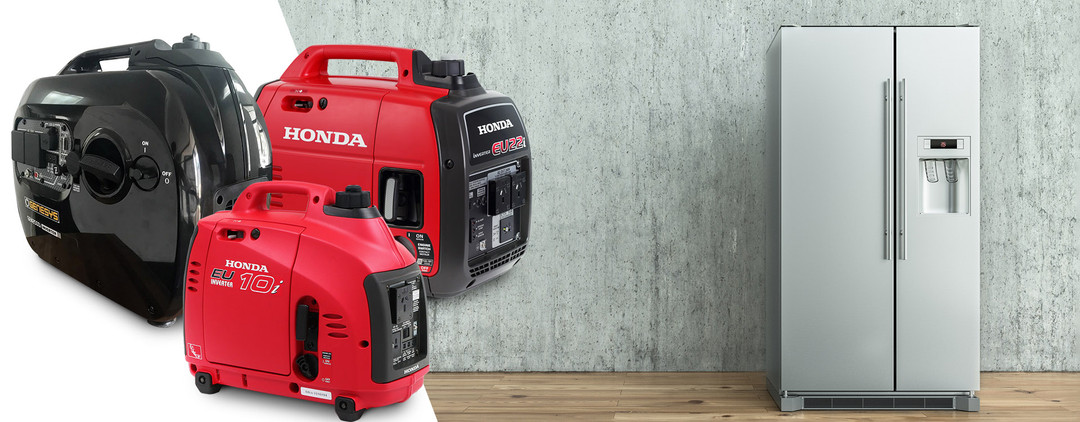
Credit: www.bluedm.com.au
Frequently Asked Questions
What Size Generator Do I Need For A Refrigerator?
To power a refrigerator, you typically need a generator with at least 2000 to 3000 starting watts. Most refrigerators require around 600 to 800 running watts. However, check the specific wattage rating on your fridge’s label for accuracy. This ensures you choose a generator that meets your needs.
Can A Portable Generator Run A Refrigerator?
Yes, a portable generator can run a refrigerator. Ensure it has enough starting wattage to handle the refrigerator’s compressor. Many portable generators are suitable for this purpose, but always verify the wattage requirements. This will prevent overloading the generator and ensure proper operation.
What Type Of Generator Is Best For Home Use?
Inverter generators are often the best choice for home use. They provide clean, stable power, ideal for sensitive electronics like refrigerators. Additionally, they operate quietly and are fuel-efficient. Consider your power needs and choose a generator that meets them without excess capacity.
How Long Can A Generator Run A Refrigerator?
A generator can run a refrigerator as long as it has fuel. Typically, a full tank can provide power for 8 to 12 hours. Running time varies based on the generator’s size and load. Always monitor fuel levels to avoid running out during critical times.
Conclusion
Choosing the right generator for your refrigerator is important. It ensures your food stays fresh during outages. Always check the power needs of your refrigerator. Look for a generator that can meet or exceed these needs. Portable generators are often a good choice.
They offer flexibility and convenience. Remember to consider fuel type and runtime. A reliable generator keeps your home running smoothly. Making the right choice helps you stay prepared for any situation. Invest time in research to find the best option for you.
Your refrigerator deserves the best support.