
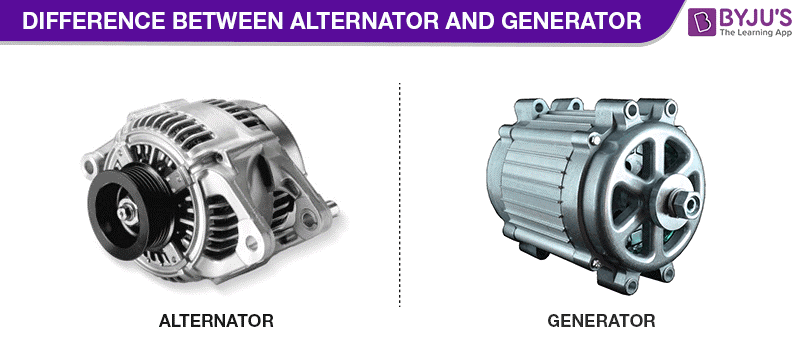
When you think about power generation, two terms often come up: generator and alternator. You might assume they’re the same, but they serve different purposes.
Understanding these differences can help you make informed decisions for your projects, whether you’re an enthusiast or just curious about how things work. Have you ever wondered which one is right for your needs? Or why one might be better suited for certain applications than the other?
You’ll discover the key distinctions between generators and alternators, their unique functions, and practical insights that can save you time and money. By the end, you’ll have a clearer picture, empowering you to choose the right solution for your power needs. Let’s dive in!
Basics Of Generator And Alternator
Generators and alternators play vital roles in producing electricity. They convert different types of energy into electrical energy. Understanding their differences helps you choose the right one for your needs.
What Is A Generator?
A generator converts mechanical energy into electrical energy. It uses a process called electromagnetic induction. This process occurs when a conductor moves through a magnetic field.
Generators produce direct current (DC) or alternating current (AC). DC generators are less common in homes. They are often used in small devices and battery charging.
What Is An Alternator?
An alternator also converts mechanical energy into electrical energy. However, it only produces alternating current (AC). Alternators are widely used in vehicles. They charge the battery and power electrical systems.
Unlike generators, alternators are lighter and more efficient. They can produce electricity at lower speeds. This makes them ideal for modern engines.
Key Differences
Generators and alternators differ in design and function. Generators can produce both AC and DC. Alternators only produce AC. This is a major difference.
Generators require more maintenance than alternators. They have brushes and commutators that wear out. Alternators have fewer moving parts, making them more reliable.
Working Principle
Understanding how generators and alternators work is essential. Both devices convert mechanical energy into electrical energy. Yet, they do it in different ways. Let’s explore their working principles in detail.
How Generators Work
Generators create electricity using mechanical energy. They rely on the principle of electromagnetic induction. A coil of wire spins in a magnetic field. This motion generates direct current (DC) electricity.
The basic components include a rotor and a stator. The rotor spins inside the stator. The movement induces an electric current. This current flows out of the generator for use.
Generators can run on various fuels. Gasoline, diesel, and natural gas are common options. Their output depends on the speed of the rotor and the strength of the magnetic field.
How Alternators Work
Alternators also convert mechanical energy into electricity. They produce alternating current (AC) electricity. This process is different from generators.
In an alternator, the rotor spins inside a stationary set of windings. This creates a changing magnetic field. The changing field induces an AC current in the windings.
Alternators are more efficient than generators. They can produce more power at lower speeds. This makes them ideal for vehicles and power plants. They can easily adjust voltage levels as needed.
Design And Construction
Understanding the design and construction of generators and alternators is key. Both devices convert mechanical energy into electrical energy. Yet, they do it in different ways. Their structures play a big role in how they work.
Generator Structure
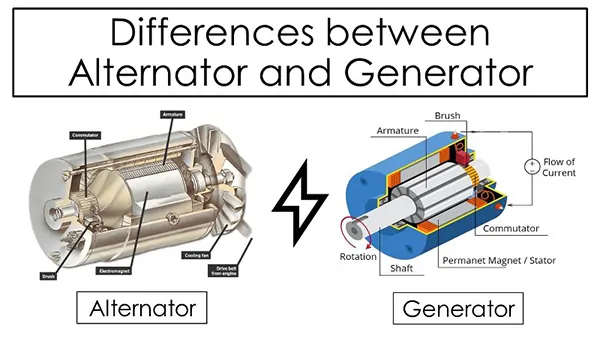
A generator has a simple design. It mainly includes a rotor and a stator. The rotor spins inside the stator. This motion generates electricity. The rotor can be either a permanent magnet or an electromagnet.
The stator consists of wire coils. These coils capture the magnetic field. This process produces direct current (DC) electricity. Generators are often larger and heavier. They require more space due to their parts.
Alternator Structure
An alternator has a more complex structure. It also has a rotor and a stator. However, it produces alternating current (AC) electricity. The rotor in an alternator is usually an electromagnet.
The stator features multiple wire coils. These coils are arranged in a specific way. They help in producing AC electricity efficiently. Alternators are typically lighter and more compact. This design makes them easier to install in various applications.
Power Output Differences
Generators and alternators serve different purposes in power generation. Understanding their power output differences is key. Generators produce electricity continuously. Alternators create electricity intermittently. This affects how they are used in various applications.
Continuous Vs Intermittent Output
Generators provide a steady flow of power. They work well for tasks needing constant electricity. Examples include powering homes or construction sites. Alternators, on the other hand, produce power only when needed. They often charge batteries or power electrical devices. This makes them ideal for vehicles and smaller systems.
Voltage Regulation
Voltage regulation differs greatly between the two. Generators usually have a more stable voltage. They maintain consistent output even with load changes. Alternators can fluctuate in voltage. Their output depends on engine speed and load. This can lead to varying performance in electrical systems.
Efficiency Comparison
Understanding the efficiency of generators and alternators is crucial for choosing the right equipment for your needs. Both devices convert mechanical energy into electrical energy, but they do so in different ways. Let’s dive into how their efficiencies compare.
Generator Efficiency
Generators typically use mechanical energy to produce electricity through electromagnetic induction. Their efficiency often ranges from 70% to 90%, depending on the design and load conditions. Factors like fuel type and generator size also play a significant role in how well they perform.
- Fuel Type:Diesel generators tend to be more efficient than gasoline ones.
- Load Conditions:Operating at optimal load increases efficiency significantly.
- Maintenance:Regular maintenance ensures better performance and longevity.
Alternator Efficiency
Alternators, on the other hand, are designed to produce alternating current (AC) and are generally more efficient than traditional generators. They can achieve efficiencies of up to 95% or more. The design allows them to convert mechanical energy into electrical energy without relying on battery storage.
- Continuous Output:Alternators provide consistent AC output, making them ideal for long-term use.
- Cooling Systems:Built-in cooling systems help maintain efficiency during operation.
- Low Maintenance:They require less maintenance than generators, adding to their overall efficiency.
Real-world Considerations
Think about your specific needs when evaluating efficiency. If you need portable power for occasional use, a generator may suffice. However, if you’re looking for reliable, continuous power for long periods, an alternator could be the better choice.
In my experience, using a high-efficiency alternator in a camping setup provided consistent power for lights and devices. The peace of mind knowing I had reliable energy made all the difference. Have you considered how your energy needs might change over time?
Ultimately, the choice between a generator and an alternator hinges on your efficiency requirements. Are you willing to sacrifice some efficiency for portability, or do you need the reliability that an alternator can offer? Understanding these differences can guide you in making an informed decision.
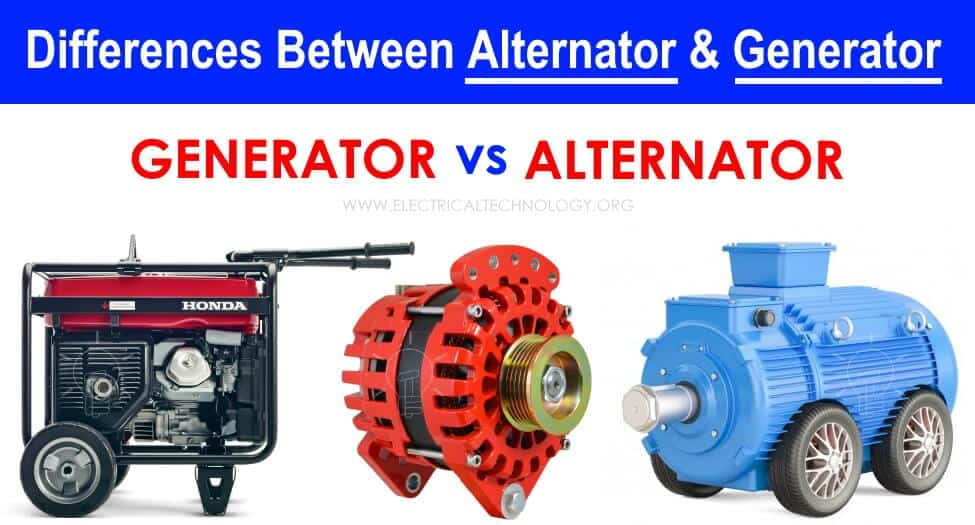
Credit: www.electricaltechnology.org
Applications In Real Life
Generators and alternators serve different purposes in daily life. Understanding their uses helps us see their importance. Both devices play key roles in powering our world.
Uses Of Generators
Generators provide electricity in many settings. They are common during power outages. Homes use portable generators for backup power. Construction sites also rely on them for tools and equipment.
Generators support outdoor events. They power lights, sound systems, and food trucks. In remote areas, generators bring electricity where it’s not available.
They are crucial in emergency situations. Hospitals use generators to ensure medical equipment works. They also help maintain safety in critical services.
Uses Of Alternators
Alternators are mainly found in vehicles. They charge the battery while the engine runs. This keeps the electrical system working smoothly.
They are used in larger machines too. Industrial equipment often relies on alternators for power. This includes factories and farms.
Alternators support renewable energy systems. Solar and wind energy setups use them to convert energy. This helps in producing usable electricity.
Maintenance Requirements
Generators and alternators require different maintenance. Understanding these needs helps keep them running smoothly. Regular checks can prevent major issues.
Generator Maintenance
Generators need frequent oil changes. Check the oil level every month. Change the oil after every 100 hours of use.
Filters also require attention. Clean or replace air and fuel filters regularly. This ensures proper airflow and fuel efficiency.
Battery maintenance is crucial. Check the battery’s charge and connections often. Clean any corrosion to ensure good performance.
Alternator Maintenance
Alternators have less frequent maintenance needs. They usually require less attention than generators. Still, periodic checks are important.
Inspect the wiring and connectors. Look for any signs of wear or corrosion. Replace damaged parts immediately.
Keep the alternator clean. Dirt can affect its performance. Regular cleaning helps ensure it operates efficiently.
Common Maintenance Tasks
Both generators and alternators benefit from regular inspections. Look for leaks, unusual noises, or vibrations. Address any issues as soon as possible.
Always refer to the owner’s manual. It provides specific maintenance guidelines. Following these can extend the lifespan of your equipment.

Credit: www.etechnog.com
Advantages And Limitations
Generators convert mechanical energy into electrical energy, providing a steady power supply. Alternators generate alternating current, often used in vehicles. Each has its advantages and limitations, impacting efficiency and application. Understanding these differences helps in choosing the right one for specific needs.
Understanding the advantages and limitations of generators and alternators can help you make informed decisions for your power needs. Both devices serve distinct purposes and come with their own set of benefits and drawbacks. Whether you’re considering a backup power source for your home or a component for your vehicle, knowing the pros and cons is essential.Generator Pros And Cons
Pros: – Versatility: Generators can run on various fuels like gasoline, diesel, or propane, making them adaptable for different situations. – High Power Output: They are capable of producing a significant amount of power, which can support heavy-duty appliances and tools. – Independence: With a generator, you can enjoy electricity in remote areas or during power outages without relying on the grid. Cons: – Noise Levels: Generators can be quite loud, which might not be suitable for residential areas or quiet environments. – Maintenance Needs: Regular maintenance is required to keep generators running efficiently, which can be time-consuming and costly. – Fuel Dependency: You need a steady supply of fuel, which can be a challenge during emergencies or if you forget to stock up.Alternator Pros And Cons
Pros: – Efficiency: Alternators are typically more efficient than generators, converting most of the energy into usable power. – Low Maintenance: They require less maintenance than generators since they have fewer moving parts and do not need fuel. – Compact Size: Alternators are usually smaller and lighter, making them ideal for vehicles and tight spaces. Cons: – Limited Power Output: They generally produce less power compared to generators, making them unsuitable for heavy-duty applications. – Dependency on Engine: Alternators need an engine to operate, which means they aren’t a standalone power source. – Voltage Regulation: While they do regulate voltage, they can be less reliable in providing a stable output compared to generators. Deciding between a generator and an alternator? Consider your specific needs. Are you looking for power during an emergency or for daily use in your vehicle? Understanding these advantages and limitations can guide your choice effectively.Key Differences Summary
Understanding the difference between generators and alternators can be crucial for anyone dealing with electrical systems. While they both serve the purpose of converting mechanical energy into electrical energy, their applications and functionalities vary significantly. Let’s break down the key differences.
Power Generation Method
Generators produce direct current (DC) electricity. They rely on a commutator to convert the generated AC into DC.
On the other hand, alternators generate alternating current (AC) electricity. They use slip rings, allowing the output to be AC without needing conversion.
Design And Structure
Generators are generally bulkier and heavier. This is due to their need for a commutator and additional components to manage DC output.
Alternators are more compact and lighter. Their design allows for easier installation in a variety of vehicles and devices.
Efficiency
Generators are less efficient at low speeds. They perform best at higher RPMs, which limits their usability in many applications.
Alternators excel in efficiency across a range of speeds. You’ll notice this when your vehicle’s engine idles and the alternator still maintains a good power supply.
Applications
Generators are often used in situations requiring a stable DC power source, like in battery charging or certain types of motors.
Alternators are more commonly found in automobiles. They keep your car’s battery charged while also powering the electrical systems.
Maintenance
Generators typically require more maintenance due to their mechanical components. The commutator can wear out, leading to increased maintenance costs.
Alternators, being more modern, usually demand less upkeep. Their design minimizes wear and tear, allowing for longer operational periods.
Cost
Generators tend to be more expensive due to their complexity and the materials involved. This can be a significant factor if you’re on a budget.
Alternators are generally more affordable. Their simpler design and mass production contribute to lower costs.
Understanding these differences can help you make better decisions regarding your power needs. Have you ever faced a situation where choosing between a generator and an alternator impacted your project? Recognizing these distinctions can lead to smarter choices, whether you’re a DIY enthusiast or a professional in the field.
Credit: famcocorp.ae
Frequently Asked Questions
What Is The Main Function Of A Generator?
A generator converts mechanical energy into electrical energy. It provides a steady flow of electricity, often used in remote areas or during power outages. Generators are crucial for backup power in homes, construction sites, and events. They ensure that essential services continue to operate seamlessly.
How Does An Alternator Differ From A Generator?
An alternator generates alternating current (AC), while a generator produces direct current (DC). Alternators are typically more efficient and compact, making them ideal for modern vehicles. They charge the battery and power electrical systems while the engine runs. This efficiency helps improve fuel economy.
Can A Generator Replace An Alternator?
No, a generator cannot directly replace an alternator. While both devices produce electricity, they serve different purposes and functionalities. Generators are standalone units for power supply, while alternators are integrated into vehicles to charge batteries. Therefore, they are not interchangeable.
What Are The Common Uses For Generators?
Generators are commonly used for backup power in homes, construction sites, and outdoor events. They provide electricity when grid power is unavailable. Additionally, they support emergency services and remote operations, such as in camps or during natural disasters. Their versatility makes them essential in various situations.
Conclusion
Generators and alternators serve different purposes. Generators create electrical power for various uses. Alternators produce electricity primarily for vehicles. Understanding these differences helps in choosing the right device. Each has its strengths and weaknesses. Generators are often used for backup power.
Alternators are essential for charging car batteries. Knowing these facts aids in better decision-making. Choose wisely based on your needs. Both devices play important roles in our daily lives.