
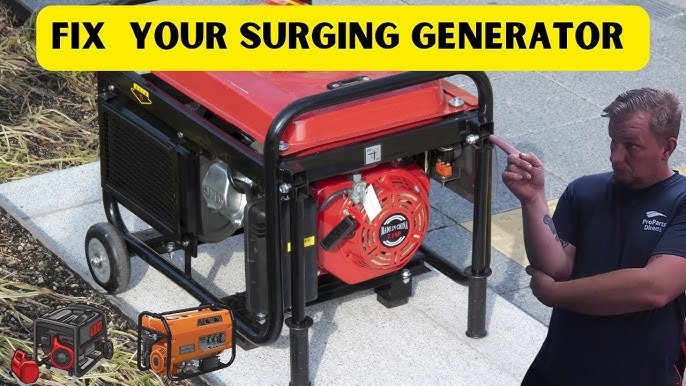
Are you tired of your generator surging and causing disruptions? You’re not alone.
Many generator owners face this frustrating issue, which can lead to damage and inefficiency. Understanding how to stop generator surging can save you time, money, and the headache of unexpected power outages. We’ll explore simple yet effective solutions that you can implement right away.
By the end, you’ll have the knowledge and confidence to keep your generator running smoothly. Let’s dive in and put an end to those annoying surges!

Credit: www.youtube.com
Causes Of Generator Surging
Generator surging can be frustrating. Understanding its causes helps in fixing it. Several common issues lead to this problem. Let’s explore them one by one.
Fuel System Issues
Fuel system problems are a major cause of surging. Dirty or clogged fuel filters restrict flow. This leads to uneven fuel supply. Low-quality fuel can also cause surging. Always use clean, high-quality fuel for your generator.
Airflow Obstructions
Airflow is crucial for proper generator function. Dust and debris can block air vents. This reduces airflow and affects performance. Check air filters regularly. Clean or replace them as needed.
Carburetor Problems
The carburetor mixes air and fuel for combustion. A dirty or faulty carburetor disrupts this balance. This can cause the engine to surge. Regular cleaning can prevent carburetor issues. Ensure all parts are in good condition.
Electrical Malfunctions
Electrical issues can also lead to generator surging. Loose connections can cause inconsistent power. Inspect wiring and connections regularly. Replace any damaged or corroded parts. Good electrical health keeps your generator running smoothly.
Credit: tappselectric.com
Signs Of Generator Surging
Generator surging can cause power fluctuations and damage your equipment. Signs include loud noises, irregular voltage, and stalling. To stop generator surging, check the fuel supply, clean the air filter, and inspect the spark plug for wear. Regular maintenance helps keep your generator running smoothly.
Recognizing the signs of generator surging is crucial for maintaining your equipment’s efficiency and longevity. Surging can lead to inconsistent performance and potential damage, so being aware of the symptoms will help you address issues before they escalate. Let’s look at the key signs you should monitor.Fluctuating Engine Rpm
One of the most noticeable signs of generator surging is fluctuating engine RPM. You may observe the engine speed varying unexpectedly while the generator is running. This erratic behavior can indicate that the generator is struggling to maintain a stable power output. If you notice the RPM needle bouncing around or the engine revving up and down, it’s time to investigate further. Ignoring this sign can lead to more significant problems down the line, including engine wear and tear.Inconsistent Power Output
Another significant indicator of generator surging is inconsistent power output. You might find that your appliances are not receiving a steady power supply. Lights may flicker, and devices may shut off unexpectedly, which can be frustrating, especially during critical tasks. This inconsistency can also damage sensitive electronics. Are you ready to protect your valuable equipment? Monitoring your generator’s output is essential to catch these fluctuations early.Unusual Noises During Operation
Unusual noises during operation can signal generator surging. If you hear grinding, whining, or excessive rattling, it’s a red flag. These sounds often indicate that the generator is under stress or that parts may be misaligned. Consider your own experiences. Have you ever noticed strange noises when your generator was not functioning correctly? Addressing these issues promptly can save you from costly repairs and extend your generator’s lifespan. Stay alert for these signs, and you’ll be better equipped to tackle generator surging effectively.Troubleshooting Generator Surging
Generator surging can be frustrating. It affects performance and efficiency. Identifying the root cause is key. Simple checks can help you fix this issue.
Start by looking at fuel quality, air filters, spark plugs, and voltage regulators. Each plays a role in smooth operation. Let’s dive into these steps.
Inspecting Fuel Quality
Fuel quality impacts generator performance. Old or contaminated fuel can cause surging. Check the fuel for clarity and color. Fresh fuel is essential. Drain old fuel if necessary. Use proper fuel types as recommended. This simple step can prevent many issues.
Checking Air Filters
Dirty air filters restrict airflow. This can cause engine problems. Inspect air filters regularly. Clean them or replace them if needed. A clean air filter ensures the engine runs smoothly. This step is easy and crucial for performance.
Examining Spark Plugs
Spark plugs ignite the fuel-air mixture. Worn or dirty spark plugs can lead to surging. Remove and inspect them for wear. Replace spark plugs that look damaged. Keeping spark plugs in good condition helps maintain engine power.
Testing Voltage Regulators
Voltage regulators control the generator’s output. Faulty regulators can cause fluctuations. Test the voltage regulator with a multimeter. Ensure it operates within the correct range. A properly functioning regulator stabilizes power output.

Credit: approov.io
Preventive Measures
Preventing generator surging is crucial. It saves time and money. Regular care keeps your generator running smoothly. Here are key preventive measures to consider.
Regular Maintenance Routines
Set up a maintenance schedule. Check oil levels every month. Change the oil as needed. Clean or replace air filters regularly. Inspect spark plugs and fuel lines. Look for signs of wear. These steps help keep your generator in good shape.
Don’t forget to clean the generator exterior. Dust and dirt can cause issues. Keep vents clear for proper airflow. Regular checks prevent problems before they start.
Proper Storage Practices
Store your generator in a dry place. Moisture can lead to rust and damage. Use a cover to protect it from dust and debris. Avoid placing heavy items on top.
Before storage, run the generator. Let it cool down completely. Drain the fuel if you won’t use it for a while. This helps prevent fuel contamination.
Using High-quality Fuel
Always use high-quality fuel in your generator. Poor fuel can cause surging and other issues. Store fuel in a clean, sealed container. Avoid mixing old fuel with new fuel.
Check fuel expiration dates. Using fresh fuel improves performance. Consider adding a fuel stabilizer for longer storage. This keeps fuel effective and prevents problems.
When To Seek Professional Help
Generator surging can be frustrating and confusing. Some issues are easy to fix. Others need expert help. Knowing when to call a professional is essential for safety and performance. Here are key signs to watch for.
Persistent Surging Issues
If your generator surges regularly, it’s a serious problem. Occasional surging might not be alarming. But constant surging indicates a deeper issue. You should not ignore this. Professionals can diagnose persistent problems accurately. They can find the root cause and fix it correctly.
Complex Electrical Problems
Electrical issues can be tricky. They often require special tools and knowledge. If you notice strange smells or sounds, stop using the generator. These can signal dangerous electrical faults. Call an expert for help. They can ensure everything is safe and working as it should.
Signs Of Internal Engine Damage
Look for signs of engine damage. This includes loud noises, smoke, or strange vibrations. These issues can lead to further damage. Ignoring them can be costly. A professional can inspect the engine thoroughly. They will identify any internal problems. Early intervention can save money and time.
Frequently Asked Questions
How Can I Prevent Generator Surging?
To prevent generator surging, ensure the load matches the generator’s capacity. Regularly maintain your generator, checking for air and fuel filter cleanliness. Additionally, using a voltage regulator can stabilize output. Keep an eye on fuel levels, as low fuel can cause surging.
What Causes Generator Surging?
Generator surging is primarily caused by inconsistent loads. Other factors include fuel supply issues, air filter blockages, or improper maintenance. Electrical faults can also lead to surging. Identifying the root cause is essential for effective resolution and prevention.
How Do I Stabilize My Generator?
To stabilize your generator, install an automatic voltage regulator. Regular maintenance, such as changing filters and checking connections, is vital. Ensuring the generator operates within its rated capacity also helps. Additionally, avoid overloading to maintain stability during operation.
Is Generator Surging Dangerous?
Yes, generator surging can be dangerous. It may lead to equipment damage, reduced efficiency, or unexpected shutdowns. Surging can also create safety hazards, particularly if connected appliances malfunction. Timely intervention is crucial to prevent potential risks.
Conclusion
Generator surging can be annoying and harmful. Follow the tips shared in this post to fix it. Start by checking the load. Ensure your generator matches the power needs. Clean the fuel system regularly. Use good-quality fuel. Proper maintenance is key.
If problems persist, consult a professional. Keeping your generator in good shape helps it run smoothly. A well-maintained generator lasts longer and works better. Take action today for a better generator experience. Your efforts will pay off in the long run.