
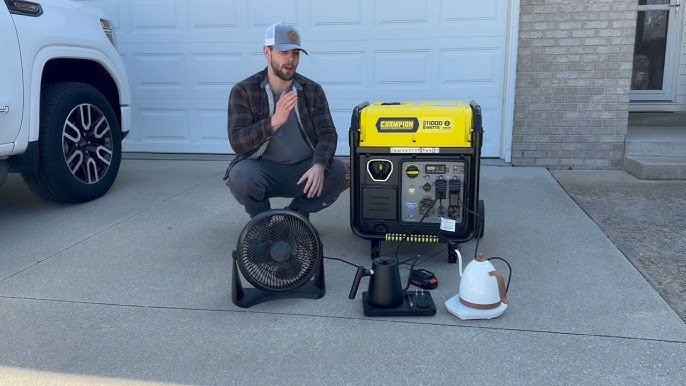
When you invest in a generator, you want to ensure it runs smoothly and lasts for years. But have you ever wondered if there’s a specific way to break in your generator?
Many people overlook this crucial step, assuming it’s just plug-and-play. However, breaking in your generator properly can significantly enhance its performance and lifespan. We’ll dive into the essential practices you need to follow during the break-in process. You’ll learn why it matters and how to do it correctly.
By the end, you’ll have the confidence to get the most out of your generator, ensuring it’s ready to power your home or job site when you need it most. Don’t miss these valuable tips that could save you time and money in the long run!
Why Break-in Matters
Breaking in a generator isn’t just a suggestion; it’s essential for ensuring its longevity and performance. Many people overlook this step, thinking it’s unnecessary. However, taking the time to break in your generator can lead to significant benefits.
Understanding The Break-in Process
The break-in process allows the internal components to wear into each other properly. This is crucial for achieving optimal performance. If you skip this step, you may face issues like reduced efficiency or even early mechanical failures.
Enhancing Performance
A well-broken-in generator tends to run smoother and quieter. You might notice improved fuel efficiency after following the correct break-in procedures. This efficiency not only saves you money but also enhances your overall experience.
Preventing Future Problems
Skipping the break-in can lead to premature wear and tear. I once ignored the break-in period on a generator and quickly faced issues with overheating. Taking a few hours to properly break in the unit could have saved me from costly repairs later.
Ensuring Warranty Coverage
Many manufacturers require proper break-in procedures to maintain warranty coverage. If you encounter issues after ignoring the break-in, you might find yourself without support. Always check your warranty terms to avoid unexpected expenses.
How To Break In Your Generator
- Run the generator at half-load for the first 5-10 hours.
- Gradually increase the load over the next few hours.
- Change the oil and filter after the initial break-in period.
Have you considered how breaking in your generator could impact its lifespan? Taking the time to properly follow these steps can make a world of difference in your generator’s performance. Don’t overlook this important phase; your future self will thank you.
Steps For Proper Break-in
Breaking in your generator is essential for its longevity. Proper break-in helps the engine run smoothly. Follow these steps to ensure a successful break-in process. Each step is important for optimal performance.
Inspect Before Starting
Check your generator for any visible damage. Look for loose parts or leaks. Ensure that all bolts are tight. Confirm that the fuel tank is full. Inspect the air filter for dirt or debris. A thorough inspection avoids problems later.
Use The Right Oil
Select the oil recommended by the manufacturer. Using the correct oil protects engine components. Check the oil level before starting. Low oil can lead to engine damage. Change the oil regularly during the break-in period.
Run At Low Load
Start the generator and run it at low load. This helps the engine parts settle in. Gradually increase the load after a few hours. Avoid heavy loads during the first few uses. This practice ensures a smooth transition to full capacity.
Change The Oil After Initial Hours
Change the oil after the first 20 to 30 hours. This removes metal particles from the engine. Fresh oil improves performance and protects the engine. Follow this step for the best results. Regular oil changes are key for long-term health.
Common Mistakes To Avoid
Breaking in a generator is important. Many people make mistakes during this process. These errors can lead to problems later on. Avoiding them helps ensure your generator runs well. Let’s look at the common mistakes.
Skipping The Break-in Process
Some users ignore the break-in process. They think it is not necessary. Skipping this step can lead to issues. The engine needs time to settle. Follow the manufacturer’s guidelines. This ensures all parts work together smoothly.
Using Incorrect Oil
Choosing the wrong oil is another mistake. Many people use oil not recommended by the manufacturer. Each generator has specific oil needs. Using the correct oil protects the engine. It helps with proper lubrication and performance. Always check the user manual for oil type.
Overloading During Break-in
Overloading the generator during break-in is risky. It puts too much strain on the engine. This can cause damage early on. Start with light loads. Gradually increase the load as recommended. This allows the generator to adapt and perform well.
Credit: www.alibaba.com
Benefits Of Breaking In
Breaking in a generator has many benefits. This process helps the engine run better and last longer. It can also save you money on fuel. Here are some key benefits of breaking in your generator.
Enhanced Performance
Breaking in a generator helps improve its performance. It allows the engine parts to settle in properly. This leads to smoother operation. A well-broken-in generator runs more efficiently. You will notice better power output during use.
Prolonged Lifespan
Properly breaking in a generator can extend its lifespan. It reduces wear and tear on engine components. This practice helps avoid costly repairs. A generator that is broken in correctly will serve you longer. You’ll enjoy reliable power for years to come.
Improved Fuel Efficiency
A broken-in generator uses fuel more effectively. Engine parts fit together better after the break-in. This leads to lower fuel consumption. You will save money on gas in the long run. Better fuel efficiency means less environmental impact too.
Tips For Long-term Maintenance
Taking care of your generator helps it last longer. Simple tasks can make a big difference. Regular maintenance keeps your generator running smoothly. Here are some tips to help you.
Regular Oil Changes
Changing the oil keeps your engine healthy. Check the oil level often. Change the oil every 50 hours of use or at least once a year. Use the right type of oil for your generator. Old oil can damage the engine.
Look for signs of dirty oil. Dark color or particles mean it’s time to change it. Always replace the oil filter too. This helps keep the oil clean and clear.
Inspect Spark Plugs
Spark plugs are key for starting your generator. Check them every few months. Look for wear or damage. Clean or replace them as needed. This helps ensure smooth operation.
A good spark plug helps with fuel efficiency. It can also improve engine performance. Make this a regular part of your maintenance routine.
Clean Air Filters
Air filters keep dirt out of the engine. Check the air filter regularly. A clean filter helps the engine breathe better. This can improve performance and fuel economy.
Replace the air filter if it looks dirty or damaged. Cleaning it can also help. A clean air filter extends the life of your generator.
Credit: www.247compression.com

Credit: www.amazon.com
Frequently Asked Questions
Do Generators Need A Break-in Period?
Yes, generators typically require a break-in period. This allows the engine components to settle and wear evenly. During this time, run the generator at varying loads for a few hours. Avoid running it at full capacity immediately. Proper break-in enhances performance and longevity.
How Long Should I Break In My Generator?
A break-in period usually lasts around 20 to 30 hours. During this time, operate the generator at various loads. This helps ensure the internal components wear in properly. Follow the manufacturer’s guidelines for specific recommendations. Doing so can improve the generator’s efficiency and reliability.
What Happens If I Don’t Break In My Generator?
Neglecting to break in your generator can lead to premature wear. Components may not seat correctly, causing inefficient operation. This can affect performance, fuel consumption, and longevity. Following the break-in procedure minimizes these risks. Always refer to the owner’s manual for best practices.
How Do I Break In A Generator Properly?
To break in a generator, start with a low load. Gradually increase the load over the first few hours. Run the generator intermittently to allow cooling. Avoid continuous full-load operation during the break-in phase. Always consult the manufacturer’s guidelines for specific procedures.
Conclusion
Breaking in a generator is important for its long-term health. It helps the engine run smoothly. Follow the manufacturer’s guidelines for the best results. Start with low loads and gradually increase them. This practice ensures all parts work well together.
A well-broken-in generator lasts longer and performs better. Remember, taking time to break it in pays off. Your generator will serve you well for years. Prioritize care and maintenance for optimal performance.