
When it comes to energy production, understanding the difference between a generator and a plant is crucial. You might be wondering which option is best for your needs or how they operate.
Whether you’re planning a project, seeking backup power, or just curious about energy systems, knowing these distinctions can help you make informed decisions. A generator provides immediate power, often used for temporary needs. On the other hand, a plant is a larger, more complex facility designed for consistent energy production.
But what does that mean for you? We’ll break down the key differences between generators and plants, exploring their functions, uses, and benefits. By the end, you’ll have a clearer understanding of which option suits your specific requirements. Keep reading to empower your knowledge on this essential topic!
Generator Basics
Understanding the basics of generators is crucial, especially as the demand for reliable power sources grows. Whether you need backup power during outages or want to power tools on a job site, knowing how generators work can help you make informed decisions. Let’s dive into the essentials of generators.
What Generators Do
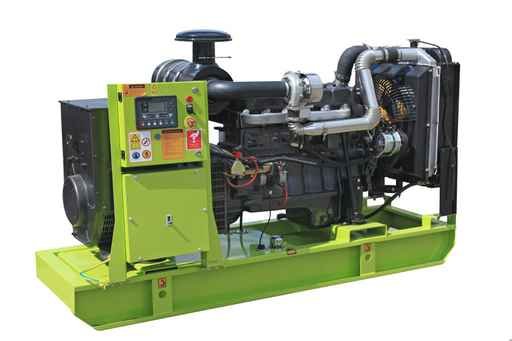
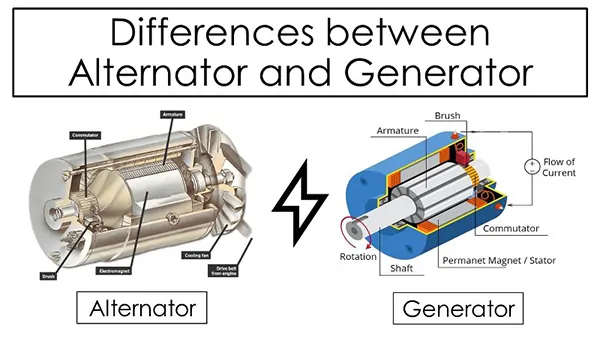
Generators convert mechanical energy into electrical energy. They do this by using a fuel source, such as gasoline or diesel, to power an engine. This engine drives an alternator, which produces electricity.
In simple terms, generators provide a backup power source when the main electricity supply is interrupted. This is particularly useful for homes, businesses, and events that require uninterrupted power.
Types Of Generators
There are several types of generators, each designed for specific needs:
- Portable Generators:These are small, easy to move, and ideal for temporary power needs.
- Inverter Generators:These provide clean power suitable for sensitive electronics.
- Standby Generators:Automatically turn on during a power outage and are permanently installed.
- Solar Generators:Use solar panels to generate electricity, making them eco-friendly.
Choosing the right type depends on your power requirements and the intended use. Have you considered how each type could fit your lifestyle or work needs?
Applications Of Generators
Generators are used in various scenarios:
- Home Backup:Keep your lights on during outages.
- Construction Sites:Power tools and equipment where electricity isn’t available.
- Events:Supply electricity for outdoor gatherings like weddings or concerts.
- Emergency Services:Ensure hospitals and shelters have power during disasters.
Each application highlights the versatility of generators. Imagine hosting a backyard party without worrying about power cuts. Isn’t it comforting to know that you have a reliable power source at your fingertips?

Credit: en.wikipedia.org
Plant Basics
Understanding plants helps us see their importance. They play a big role in our lives. Different types of plants serve various purposes. They provide energy, food, and materials.
What Plants Do
Plants generate energy. They convert sunlight into usable power. This process is called photosynthesis. They also absorb carbon dioxide and release oxygen. This makes the air cleaner.
Plants support ecosystems. They provide homes for many animals. They help prevent soil erosion. Their roots hold the soil in place.
Types Of Plants
There are many types of plants. Some are used for power generation. These are called energy plants. Others grow food, like fruits and vegetables.
Some plants provide materials. Examples include trees for wood and cotton for fabric. Each type serves a unique role.
Applications Of Plants
Plants have many applications. Energy plants supply electricity. Food plants feed people and animals. They are vital for survival.
Plants also have industrial uses. They provide raw materials for manufacturing. Their versatility makes them essential in many sectors.
Core Differences
Understanding the core differences between a generator and a plant is essential. Both serve vital roles in energy production. Yet, their functions, sizes, and mechanisms vary significantly. Let’s explore these differences.
Power Generation Vs. Distribution
A generator primarily produces electricity. It converts mechanical energy into electrical energy. Generators are often smaller and used for specific tasks.
On the other hand, a plant is a larger facility. It generates electricity on a massive scale. Plants can use different energy sources, like coal, gas, or renewable resources.
Scale And Capacity
Generators have limited capacity. They are best for small-scale needs. For example, they can power a home or a construction site.
Plants have a much larger scale. They can supply power to entire cities. Their capacity is measured in megawatts, while generators are measured in kilowatts.
Operational Mechanisms
Generators work on simple mechanisms. They often use engines or turbines. Fuel is burned to create energy.
Plants use complex systems. They may involve turbines, boilers, and cooling systems. This allows for efficient energy production on a grand scale.
Advantages Of Generators
Generators provide a reliable power source for homes and businesses. They are portable and easy to use, making them ideal for emergencies. In contrast, a power plant generates electricity on a much larger scale, serving entire communities. Understanding these differences helps in choosing the right power solution.
Generators offer a range of benefits that make them an appealing choice for many situations. Whether you need power for a construction site or backup during a storm, their advantages can significantly impact your experience. Let’s take a closer look at what makes generators stand out.
Portability
Generators are designed for easy mobility. Many models are compact and lightweight, allowing you to transport them with minimal effort. You can take a generator to a camping trip or use it at a job site without hassle. The convenience of having power wherever you go is invaluable. Think about the last time you faced a power outage. If you had a portable generator, you could have powered your essential devices and kept your home running smoothly.
Cost Efficiency
Generators can save you money in the long run. They can be a cost-effective solution for temporary power needs, especially when compared to the expenses of hooking up to a permanent power source. Consider the costs associated with frequent power interruptions. A generator can minimize these costs by providing a reliable power source during outages. Additionally, many generators use fuel efficiently. This efficiency translates into lower fuel costs over time, making them a smart financial choice.
Emergency Power Solutions
Generators are lifesavers during emergencies. When the lights go out, having a generator can keep your essential appliances running, such as your refrigerator and heating system. Think of the peace of mind that comes with knowing you have a backup plan. You can remain comfortable and safe even when the grid fails. In critical situations, generators can also power medical equipment. This capability can be a matter of life or death, highlighting their essential role in emergency preparedness. Generators provide numerous advantages, making them a practical choice for various situations. Are you ready to consider how a generator could improve your life?
Advantages Of Plants
Plants offer many benefits that make them a strong choice for energy production. They provide reliable power and support the energy needs of communities. Understanding these advantages helps in choosing the right energy source.
High Output Capabilities
Plants can generate large amounts of energy. They often use multiple sources, like coal, gas, or renewable resources. This helps meet high demands for electricity. The output can be adjusted based on the needs. This flexibility makes plants suitable for various situations.
Long-term Energy Supply
Plants provide a stable energy supply over time. Unlike generators, which are often temporary, plants operate continuously. They can run for years without interruption. This reliability is essential for industries and homes. A consistent energy supply fosters growth and development.
Infrastructure Integration
Plants easily connect to existing energy grids. They work well with current infrastructure. This integration reduces the need for new systems. It saves time and money for energy providers. Efficient use of resources leads to better energy management.
Credit: famcocorp.ae
Use Cases Comparison
Generators and plants serve different purposes in energy production. A generator converts mechanical energy into electrical energy, often used for backup power. In contrast, a plant is a facility that generates electricity on a larger scale, typically using various energy sources.
Understanding these differences helps in choosing the right option for specific needs.
Understanding the differences between generators and power plants can help you choose the right solution for your energy needs. Each option has distinct applications in various settings, whether residential, industrial, or commercial. Let’s break down how each performs in different environments.
Residential Settings
Generators are ideal for residential settings, especially during power outages. They provide immediate backup power, ensuring that essential appliances like refrigerators and heating systems keep running. Many homeowners opt for portable generators for quick fixes, while others invest in standby generators that kick in automatically. Do you have a plan for unexpected outages? Having a generator can give you peace of mind, knowing your home remains functional during emergencies.
Industrial Applications
In industrial settings, power plants play a crucial role. They generate large amounts of electricity to run heavy machinery and support extensive operations. Generators might be used here as backup systems, but they can’t match the output of a power plant. Consider a manufacturing facility that requires constant energy. Relying solely on a generator could lead to inefficiencies and potentially costly downtimes. Have you evaluated the energy demands of your operations? Understanding your needs can guide you in selecting the right power source.
Commercial Needs
Commercial establishments often need a blend of both generators and power plants. A retail store might use a generator to maintain operations during outages, while a nearby power plant supplies the primary energy needs. Restaurants, hospitals, and data centers require uninterrupted power. A combination of both solutions ensures they stay operational regardless of external power supply issues. Are you prepared for energy interruptions in your business? Balancing both options can provide reliability and efficiency, ensuring your operations run smoothly. In essence, knowing the specific use cases for generators and power plants helps you make informed decisions tailored to your unique energy needs. What’s your plan for reliable power?
Choosing Between Generator And Plant
Generators and plants serve different purposes in energy production. A generator converts fuel into electricity, while a plant usually refers to a facility that produces power on a larger scale. Understanding these differences helps in making informed choices for energy needs.
Choosing between a generator and a plant can be a crucial decision for your energy needs. Both options serve different purposes and come with their own set of advantages and disadvantages. Understanding these differences will help you make an informed choice that aligns with your specific requirements.
Factors To Consider
Start by assessing your power needs. Are you looking for a temporary solution for a construction site? A generator might be your best bet. If you need a long-term solution for a manufacturing facility, a plant could be more suitable. Consider the capacity you require. Generators usually offer flexibility and can be scaled up or down based on your needs. Plants, however, often provide more stable and continuous power supply. Don’t overlook the location. Generators can be easily transported, making them ideal for remote areas. On the other hand, plants usually need a fixed location with specific infrastructure.
Cost Analysis
Initial costs differ significantly between the two options. Generators are generally less expensive upfront. However, keep in mind that they may require regular maintenance and fuel, which can add to your overall expenses. Plants require a larger investment initially. Yet, they can be more economical in the long run, especially if you need consistent energy over time. Evaluate the total cost of ownership, including installation, operation, and maintenance. Create a simple table to visualize the costs:
| Cost Type | Generator | Plant |
|---|---|---|
| Initial Cost | Lower | Higher |
| Maintenance | Regular | Less Frequent |
| Fuel Costs | Ongoing | Fixed |
Environmental Impact
Your choice also affects the environment. Generators typically run on fossil fuels, leading to higher emissions. If minimizing your carbon footprint is a priority, consider a plant that utilizes renewable energy sources. Evaluate local regulations as well. Some areas have strict guidelines on emissions, which may influence your decision. Think about the long-term effects on both the environment and your community. Making an informed choice today can lead to a more sustainable future for everyone. What factors weigh most heavily in your decision-making process?

Credit: www.usgs.gov
Frequently Asked Questions
What Is A Generator Used For?
A generator is a device that converts mechanical energy into electrical energy. It is commonly used as a backup power source during outages. Generators are essential in construction sites, outdoor events, and remote locations. They provide reliable electricity for tools, lights, and equipment when needed.
How Does A Power Plant Generate Electricity?
A power plant generates electricity by converting various forms of energy into electrical energy. This process can involve burning fossil fuels, harnessing nuclear reactions, or utilizing renewable sources like wind and solar. The generated electricity is then transmitted through power lines to homes and businesses, ensuring a steady supply.
What Are The Types Of Generators?
Generators come in various types, including portable, standby, and inverter generators. Portable generators are ideal for temporary power needs, while standby generators automatically activate during outages. Inverter generators produce clean energy, making them suitable for sensitive electronics. Each type serves specific applications and user requirements.
What Are The Main Types Of Power Plants?
The main types of power plants include thermal, hydroelectric, nuclear, and renewable energy plants. Thermal plants burn fossil fuels to generate electricity, while hydroelectric plants utilize water flow. Nuclear plants use nuclear reactions, and renewable plants harness wind, solar, or biomass energy.
Each type has unique benefits and environmental impacts.
Conclusion
Generators and plants serve different purposes. A generator provides power on demand. It is portable and used for temporary needs. A plant, on the other hand, generates energy on a larger scale. It supplies power to homes and businesses continuously.
Understanding these differences helps you choose the right option. Consider your needs carefully. Whether for small tasks or large operations, know what fits best. This knowledge makes energy choices easier. Clarity in these terms empowers you to make informed decisions about power solutions.