

Have you ever wondered how a generator works in a power plant? Understanding this process can unlock a wealth of knowledge about the energy that powers your home and community.
Generators are the heart of power plants, converting different forms of energy into electricity. But how exactly does this transformation happen? We’ll break down the mechanics behind generators, revealing the fascinating steps that turn fuel into the electricity you rely on daily.
By the end, you’ll have a clear picture of how these machines operate and their crucial role in keeping your lights on. Let’s dive in and discover the science behind the energy that fuels your life!
Principle Of Energy Conversion
Understanding the principle of energy conversion is essential in grasping how generators work in power plants. This principle revolves around transforming one form of energy into another. In power plants, mechanical energy is primarily converted into electrical energy, which powers our homes and industries.
Mechanical Energy To Electrical Energy
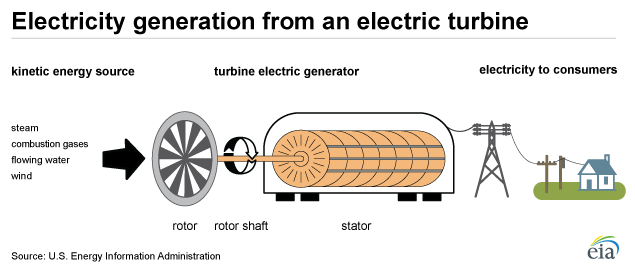
The journey begins with mechanical energy, often sourced from steam turbines, gas turbines, or hydro turbines. These turbines harness energy from steam, gas, or moving water. As they spin, they create rotational energy.
This rotational energy is then transferred to the generator. Inside the generator, a rotor spins within a magnetic field. This movement induces an electrical current in the coils of wire surrounding the rotor.
The Role Of Electromagnetism
Electromagnetism plays a crucial role in energy conversion. When the rotor spins, it moves through the magnetic field, generating an electric current. This is based on Faraday’s law of electromagnetic induction.
Have you ever noticed how a bicycle dynamo works? As you pedal, it converts your mechanical energy into electrical energy to power the bike’s lights. The principle is the same in power plants, but on a much larger scale.
Efficiency Of Energy Conversion
Efficiency is vital in energy conversion. Power plants aim to maximize the conversion of mechanical energy into electrical energy. The efficiency of a generator can significantly impact the cost of electricity production.
Modern generators can achieve efficiencies exceeding 90%. This means that nearly all mechanical energy is converted into usable electrical energy. You might wonder, how does this efficiency affect your electricity bill?
Conclusion: The Impact Of Energy Conversion
Energy conversion is not just a technical process; it influences your daily life. The more efficient the conversion, the lower the costs for consumers. Understanding these principles can help you appreciate the technology that powers your world.
Components Of A Generator
Generators in power plants convert mechanical energy into electrical energy. Key components include the rotor, stator, and exciter. The rotor spins inside the stator, creating electricity through electromagnetic induction. Understanding these parts helps explain how power plants generate electricity for our needs.
Understanding the components of a generator is essential for grasping how power plants produce electricity. Each part plays a critical role in converting mechanical energy into electrical energy. Let’s break down the key components that make up a generator.Rotor And Stator
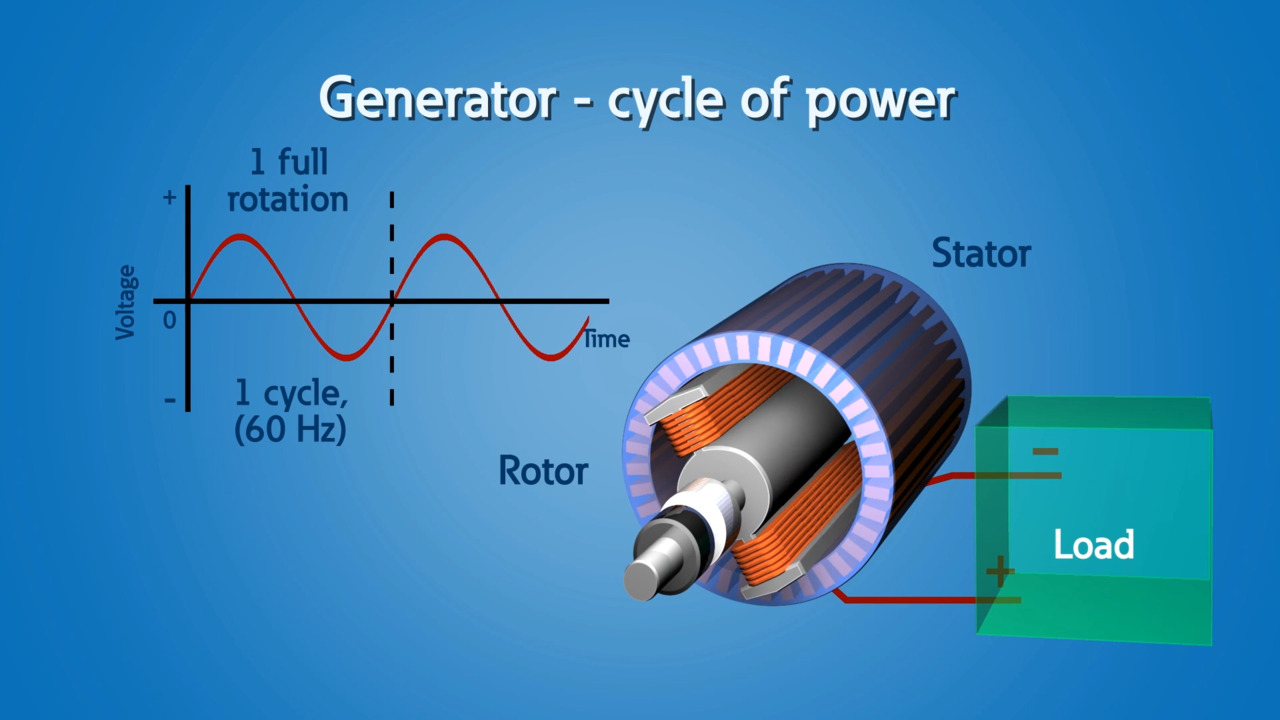
The rotor and stator are the heart of any generator. The rotor, often referred to as the rotating part, spins within the generator. This movement creates a magnetic field that interacts with the stator, which is the stationary component surrounding the rotor. The stator contains coils of wire that capture the electromagnetic energy produced by the rotor’s movement. This interaction between the rotor and stator is what generates electricity. Without these two components working together, the generator wouldn’t be able to produce power.Excitation System
The excitation system is vital for maintaining the generator’s output voltage. It provides the necessary current to the rotor, which is essential for creating the magnetic field. This system can be either static or rotating, depending on the generator’s design. A well-functioning excitation system ensures stability in power output. If the excitation is off, it can lead to fluctuations in voltage, impacting everything from homes to industries. Have you ever experienced a power flicker? That might be the result of an excitation issue.Cooling Mechanism
Generators generate a considerable amount of heat during operation. This is where the cooling mechanism comes in. Cooling systems, such as air or water cooling, help dissipate heat and maintain optimal operating temperatures. Without proper cooling, components can overheat and lead to failures. Regular maintenance of the cooling system is crucial for the longevity of the generator. Have you checked your generator’s cooling system lately?Control Systems
Control systems are the brain behind the generator’s operation. They monitor and adjust various parameters like voltage, frequency, and power output. This real-time feedback ensures that the generator operates efficiently and safely. Advanced control systems can even communicate with other power plant systems. This integration helps in optimizing performance and responding to changes in demand. Are you aware of how the control systems in your local power plant function? Understanding these components gives you a deeper appreciation of how generators work in power plants. Each part plays a critical role in ensuring a steady supply of electricity, impacting your daily life more than you might realize.Role Of Electromagnetic Induction
Electromagnetic induction is key in power generation. It helps convert mechanical energy into electrical energy. This process is vital in power plants. Without it, generating electricity would be impossible.
Generators use electromagnetic induction to produce electricity. They consist of a rotor and a stator. The rotor spins inside the stator, creating a magnetic field. This movement generates an electric current.
How Electromagnetic Induction Works
Electromagnetic induction occurs when a conductor moves through a magnetic field. This movement causes electrons in the conductor to move. As a result, an electric current is generated. The faster the conductor moves, the more electricity is produced.
The Role Of The Rotor
The rotor is the moving part of the generator. It spins rapidly, creating a changing magnetic field. This changing field induces an electric current in the stator. The rotor’s speed is crucial for effective power generation.
The Function Of The Stator
The stator is the stationary part of the generator. It contains coils of wire that capture the electric current. The design of the stator helps maximize electricity production. It ensures that the generated current is stable and usable.
Importance Of Magnetic Fields
Magnetic fields are essential in the induction process. They interact with the moving rotor to generate electricity. The strength of the magnetic field affects the amount of electricity produced. Stronger fields lead to more efficient power generation.
Applications In Power Plants
Power plants rely on this principle to supply electricity. Different types of generators use electromagnetic induction. Hydroelectric, wind, and thermal plants all use this process. It is crucial for meeting energy demands in various industries.
Credit: www.eia.gov
Types Of Generators In Power Plants
Generators in power plants convert mechanical energy into electrical energy. Different types include steam, gas, and hydroelectric generators. Each type uses specific methods to produce power, ensuring a reliable energy supply for homes and industries. Understanding how these generators work helps us appreciate their role in electricity generation.
Understanding the types of generators in power plants is crucial for grasping how electricity is produced and distributed. Each type has its unique function, characteristics, and applications. Let’s break down these generators to see how they contribute to power generation.Ac Generators
AC generators, also known as alternators, are the backbone of most power plants today. They convert mechanical energy into electrical energy using alternating current. – Efficiency: AC generators are highly efficient in generating large amounts of electricity. – Usage: They are commonly used in hydroelectric, thermal, and wind power plants. Imagine standing near a large turbine, feeling the vibrations as it spins. That’s an AC generator at work, transforming kinetic energy into the electrical power that lights up your home.Dc Generators
DC generators produce direct current electricity. They are less common in large power plants but still play a vital role in specific applications. – Applications: Used in battery charging and in small-scale power generation systems. – Simplicity: Their design is simpler compared to AC generators, making them easier to operate. You might find a DC generator in a backup power system or in renewable energy setups, like solar power plants. Have you ever thought about how that small device keeps your essential gadgets running during a power outage?Synchronous Generators
Synchronous generators operate at a constant speed. They maintain a fixed frequency, which is essential for ensuring a stable power supply. – Synchronization: They need to be synchronized with the grid to operate efficiently. – Advantages: This type of generator is excellent for large-scale power generation, as it can handle varying loads effectively. Picture a well-orchestrated symphony, where every musician plays in harmony. That’s how synchronous generators work in tandem with the power grid, ensuring your electricity supply remains steady.Asynchronous Generators
Asynchronous generators, or induction generators, do not require synchronization with the grid. They are often used in wind power plants. – Flexibility: They can operate at varying speeds, making them ideal for harnessing wind energy. – Cost-effective: Asynchronous generators are generally more affordable to install and maintain. Do you remember the last time you saw wind turbines spinning in the distance? Those turbines are likely using asynchronous generators to convert wind energy into electricity. How exciting is it to know that such natural forces can power your everyday life? In summary, knowing about these different types of generators helps you appreciate the complexity and innovation behind electricity generation. Each generator plays a vital role in ensuring that your lights stay on, your devices charge, and your world remains connected.Fuel Sources And Generator Operation
Generators in power plants convert different fuel sources into electricity. They use fuel like natural gas, coal, or renewables. The process involves burning fuel to create heat, which turns water into steam. This steam spins a turbine, generating electricity for homes and businesses.
Fuel sources are the backbone of generator operation in power plants. They provide the energy needed to produce electricity. Different types of generators utilize distinct fuel sources, each with unique processes and efficiency levels. Understanding how these generators operate can shed light on the broader energy landscape and its impact on your daily life.Coal-based Power Generation
Coal is a traditional fuel source for power generation. It involves burning coal in a boiler to produce steam. This steam drives turbines connected to generators. Coal plants are prevalent due to their abundant availability. However, they face criticism for their environmental impact. The burning of coal releases greenhouse gases, which contribute to climate change. Are you aware of how your electricity consumption ties back to coal? Many regions still rely heavily on this source, despite a global push for cleaner energy.Gas Turbine Generators
Gas turbine generators use natural gas as their fuel source. They operate by burning gas to create hot gases that spin a turbine. This spinning turns a generator that produces electricity. Gas turbines are known for their quick start-up times. They can adjust rapidly to changes in electricity demand. This flexibility makes them a popular choice in modern power plants. Have you noticed how some power plants transition between gas and renewables? This adaptability can help balance energy supply and demand effectively.Nuclear Power Generators
Nuclear power generators harness the energy from nuclear fission. In this process, uranium atoms split, releasing a massive amount of heat. This heat generates steam to drive turbines, producing electricity. Nuclear energy is a low-emission option. It can provide a steady power supply without the carbon footprint associated with fossil fuels. However, concerns about safety and waste management remain significant. Do you ever think about the role of nuclear energy in your local power grid? It plays a crucial role in meeting energy needs while addressing climate change.Renewable Energy Generators
Renewable energy generators utilize sources like wind, solar, and hydro. Wind turbines convert wind energy into electricity. Solar panels capture sunlight, while hydroelectric plants use flowing water. These generators are becoming increasingly popular due to their sustainability. They produce little to no greenhouse gas emissions during operation. This shift is essential for a greener future. Have you considered how much renewable energy contributes to your electricity? The growth in this sector is changing the landscape of energy production. Understanding fuel sources and generator operation gives you insight into the energy you consume. It highlights the importance of choosing cleaner, more sustainable options for the future.
Credit: www.youtube.com
Efficiency And Performance
Generators in power plants play a key role in energy production. Their efficiency affects how much power they produce. Performance also impacts costs and environmental effects. Understanding these factors is important for better energy use.
Understanding Efficiency
Efficiency measures how well a generator converts fuel to electricity. High efficiency means more power from less fuel. This leads to lower costs and reduced emissions.
In many power plants, generators operate at about 90% efficiency. This is a good standard. It means that most of the energy from fuel becomes electricity.
Factors Affecting Performance
Several factors influence generator performance. These include design, fuel type, and maintenance. Each factor plays a role in overall output.
Modern generators use advanced technology. This helps improve performance. Regular maintenance keeps generators running smoothly and efficiently.
Importance Of Maintenance
Proper maintenance is crucial for high efficiency. It prevents breakdowns and keeps performance steady. Regular checks on parts help avoid major issues.
Maintenance schedules should be followed closely. This reduces downtime and saves money. Keeping generators in top shape leads to better efficiency.
Efficiency and performance also relate to environmental effects. A more efficient generator produces less waste. This helps reduce pollution and conserves resources.
Power plants with high-efficiency generators have a smaller carbon footprint. This is important for sustainable energy practices.
Maintenance And Safety Measures
Proper maintenance keeps generators running smoothly. Safety measures protect workers and equipment. Regular checks prevent problems. They also ensure safe operation in power plants.
Routine Inspections
Routine inspections are vital for generator health. Technicians check parts for wear and tear. They examine wiring, connections, and fuel systems. Regular checks catch issues early. This prevents costly repairs and downtime.
Inspections should happen at set intervals. Daily, weekly, and monthly checks help maintain performance. A checklist can guide technicians. This ensures nothing is missed during inspections.
Temperature Monitoring
Temperature monitoring plays a key role in safety. High temperatures can indicate problems. Regular checks help prevent overheating. Technicians use sensors to track generator temperatures.
Data from sensors alerts staff to unusual heat. Quick action can prevent damage. Monitoring systems help maintain optimal operating conditions. This protects the generator and enhances efficiency.
Emergency Shutdown Protocols
Emergency shutdown protocols are essential in power plants. These protocols ensure quick action during a crisis. Staff must know how to shut down generators safely.
Training is key for all employees. Regular drills prepare staff for emergencies. Clear signage near generators aids quick response. Proper emergency plans save lives and equipment.
Credit: videos.eaton.com
Environmental Impact
The operation of generators in power plants affects our environment. Different types of generators have varying impacts. Understanding these effects is crucial for a healthier planet.
Emissions From Fossil Fuel Generators
Fossil fuel generators burn coal, oil, or natural gas. This process releases harmful gases into the air. Carbon dioxide, sulfur dioxide, and nitrogen oxides are common emissions.
These gases contribute to climate change. They also cause acid rain, which harms ecosystems. Poor air quality affects human health, leading to respiratory issues.
Power plants must follow strict regulations. These rules aim to limit harmful emissions. New technologies help reduce pollution from fossil fuel generators.
Impact Of Renewable Energy Generators
Renewable energy generators produce cleaner energy. They use natural sources like wind, solar, and hydro. These methods create little to no emissions.
Wind turbines generate power without air pollution. Solar panels harness sunlight, avoiding harmful gases. Hydropower uses water flow, minimizing environmental damage.
Using renewable sources helps fight climate change. They provide sustainable energy for the future. Investing in these technologies is key for a healthier planet.
Frequently Asked Questions
How Does A Generator Produce Electricity In A Power Plant?
A generator produces electricity by converting mechanical energy into electrical energy. In a power plant, turbines driven by steam, water, or gas rotate the generator’s rotor. This rotation creates a magnetic field that induces an electric current in the stator windings, generating usable electricity.
What Are The Main Components Of A Generator?
The main components of a generator include the rotor, stator, and excitation system. The rotor generates a magnetic field, while the stator contains coils that produce electricity. The excitation system regulates the magnetic field strength, ensuring efficient energy production and stability in the generated power output.
How Does Steam Power A Generator In A Power Plant?
In a steam power plant, water is heated to create steam. This steam expands and drives a turbine connected to the generator. As the turbine spins, it rotates the generator’s rotor, converting the steam’s thermal energy into mechanical energy, which is then transformed into electrical energy.
What Role Does The Turbine Play In Electricity Generation?
The turbine is crucial for converting energy sources into mechanical energy. In power plants, it transforms thermal, wind, or hydro energy into rotation. This rotation drives the generator, which produces electricity. Without the turbine, the generator would not receive the mechanical energy needed for electricity generation.
Conclusion
Generators are key players in power plants. They convert mechanical energy into electrical energy. This process keeps our lights on and machines running. Understanding how generators work helps us appreciate their role. Simple parts like turbines and magnets work together seamlessly.
Knowing this makes us more aware of energy production. Power generation is crucial for modern life. Every time we flip a switch, we rely on this technology. Grasping these basics empowers us to value our energy sources. Stay curious about how power plants operate.
Knowledge is essential in today’s energy-driven world.