
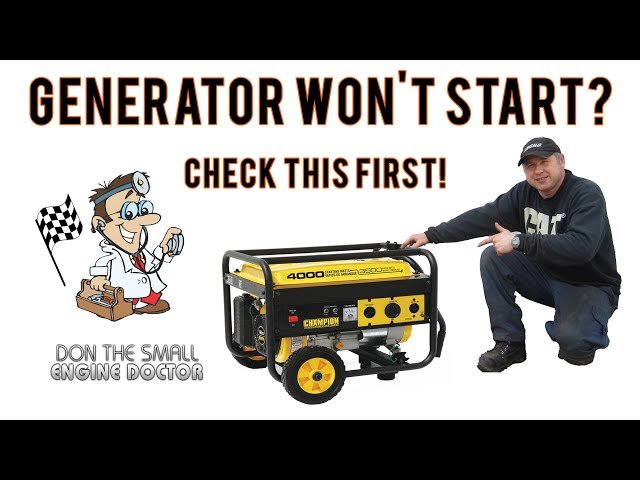
Have you ever found yourself in a situation where you desperately needed your generator, only to discover it won’t start? Frustrating, isn’t it?
You’re not alone. Many people face this issue, and it can happen at the most inconvenient times. Whether you’re preparing for a storm, hosting a gathering, or simply need backup power, a non-starting generator can put a damper on your plans.
We’ll uncover the common reasons why your generator might not be starting and provide practical solutions to get it up and running again. By the end, you’ll have the knowledge and confidence to troubleshoot your generator effectively. Don’t let a stubborn machine ruin your day—let’s dive in and find out what’s going wrong!

Credit: www.youtube.com
Common Reasons For Starting Issues
Generators can fail to start for several reasons. Common issues include low fuel, a dead battery, or a clogged air filter. Checking these parts can help identify the problem quickly.
Understanding why your generator won’t start can be frustrating. You may have plans that hinge on it, or you might just want peace of mind knowing it’s ready for use. Here are some common reasons for starting issues that can affect your generator’s performance.
Low Fuel Levels
One of the simplest reasons for starting problems is low fuel levels. If your generator runs out of gas, it won’t start, plain and simple. Check the fuel gauge regularly, especially if you haven’t used the generator in a while. Did you know that old fuel can also be a problem? Gasoline can degrade over time, leading to starting issues. Always use fresh fuel and consider adding a fuel stabilizer if you plan to store your generator for an extended period.
Clogged Carburetor
A clogged carburetor is another common culprit. This part mixes air and fuel for combustion. If it’s dirty or clogged, the engine can’t get the right mixture, leading to starting failures. Cleaning the carburetor might seem daunting, but it’s often just a matter of removing it and giving it a good clean. Remember, if your generator has been sitting unused for months, debris can accumulate. Regular maintenance can prevent this issue and save you time and hassle.
Dead Battery
A dead battery is a frequent issue, particularly in portable generators. If your generator has an electric start, a weak or dead battery will stop it from starting. Check the battery connections first. Loose or corroded terminals can prevent power from reaching the generator. If the battery is old, it might be time for a replacement. Testing the battery with a multimeter can give you a quick answer. Are you prepared for the next time your generator won’t start? Knowing these common issues can save you from being left in the dark.
Electrical System Problems
Electrical system issues can stop your generator from starting. These problems often lead to frustration. Understanding these issues helps identify the cause. Let’s explore some common electrical problems.
Faulty Spark Plug
A faulty spark plug can prevent your generator from starting. The spark plug ignites the fuel in the engine. If it is dirty or worn out, it won’t work properly. Check the spark plug for damage. Replace it if needed. Regular maintenance of the spark plug is key.
Damaged Wiring
Wiring issues can disrupt the electrical flow. Look for frayed or broken wires. Damaged wiring can create shorts. This can stop your generator from functioning. Inspect all wiring connections. Tighten loose connections and replace any damaged wires.
Ignition Coil Issues
The ignition coil provides the spark needed to start the engine. If it fails, the engine won’t start. Testing the ignition coil is important. Replace it if it shows signs of wear. A new ignition coil can restore functionality.
Mechanical Failures
Mechanical failures can stop your generator from starting. Various issues can cause these failures. Understanding them helps in troubleshooting.
Blocked Air Filter
A blocked air filter restricts airflow to the engine. This limits the amount of air needed for combustion. Without enough air, the engine cannot start. Regularly check and clean the air filter. Replace it if it is too dirty.
Engine Compression Problems
Engine compression problems can prevent the generator from starting. Low compression means the engine cannot create enough power. This can be due to worn piston rings or damaged gaskets. Testing compression can help identify this issue. Fixing these problems often requires professional help.
Stuck Valves
Stuck valves can also stop your generator from running. Valves control the flow of air and fuel in the engine. If they are stuck, the engine cannot start. This may happen due to dirt or rust. Cleaning or replacing the valves can solve this problem.
Fuel System Troubles
Fuel system troubles can prevent your generator from starting. Issues like clogged fuel lines or low fuel levels often cause this problem. Regular maintenance can help ensure your generator runs smoothly when you need it most.
Fuel system troubles are a common reason your generator might refuse to start. Issues within this system can prevent fuel from reaching the engine, leading to frustrating situations when you need power the most. Let’s dive into some key culprits that could be sabotaging your generator’s performance.
Old Or Contaminated Fuel
Old fuel can be a silent enemy. If your generator has been sitting unused for a while, the fuel may have degraded, making it less effective. Contaminated fuel can also cause serious problems. Water, dirt, or debris can sneak in, clogging the system and preventing the engine from starting. Always check the date on your fuel. If it’s been sitting for over six months, consider draining it and refilling with fresh fuel.
Fuel Line Blockages
Fuel lines can become blocked over time. Dirt, debris, or even old fuel residue can build up, restricting the flow of fuel to your engine. Check the fuel lines regularly. Look for any signs of damage or kinks that could hinder performance. A simple visual inspection can save you from unnecessary headaches later. If you suspect a blockage, cleaning or replacing the affected line might just do the trick.
Malfunctioning Fuel Pump
The fuel pump is essential for delivering fuel to the engine. If it’s not working, your generator won’t start. Listen for unusual noises when you turn on the generator. A loud or inconsistent sound could mean your fuel pump is struggling. Testing the fuel pump’s pressure can reveal whether it’s functioning properly. If it’s not up to par, replacing it could restore your generator to its former glory. Taking the time to troubleshoot these fuel system issues can make all the difference in getting your generator up and running again. What steps will you take today to ensure your generator is ready for action?
Environmental Factors
Environmental factors can affect your generator’s performance. Cold weather might make it hard to start. Dust and moisture can block air filters, causing issues too. Checking these conditions is key for reliable operation.
Environmental factors can significantly impact the performance of your generator. If you find yourself asking, “Why won’t my generator start?” consider how the environment might be playing a role. Understanding these factors can help you troubleshoot effectively and keep your generator running smoothly.
Extreme Weather Conditions
Extreme temperatures can affect your generator’s ability to start. High heat can cause the fuel to evaporate, while frigid temperatures can thicken the oil, making it harder for the engine to turn over. If you’ve ever tried to start your generator during a cold snap, you know how frustrating it can be. You might even hear the engine sputter but not roar to life. To combat this, make sure to use the right oil for the temperature conditions. Keep your generator in a sheltered area to protect it from the elements.
Altitude Effects
Did you know that altitude can impact your generator’s performance? At higher elevations, the air is thinner, which can lead to less oxygen for combustion. This means your generator may struggle to start or run efficiently. If you live or camp at high altitudes, consider adjusting your generator’s carburetor settings for optimal performance. You might also want to check whether your model is rated for high-altitude use. Being proactive can save you from the hassle of a non-starting generator when you need it most.
Moisture And Corrosion
Moisture can be a silent killer for your generator. If your generator is exposed to rain or high humidity, water can seep into parts of the engine and electrical system. This can lead to corrosion, preventing it from starting. After one particularly rainy season, I noticed my generator wouldn’t start despite having fuel. A quick inspection revealed rust on the spark plug. To prevent this, store your generator in a dry place and consider using a weatherproof cover. Regular maintenance is key to keeping moisture at bay and your generator in top shape. Have you checked your generator for signs of corrosion lately? Taking these simple steps can make all the difference when you need it the most.
Credit: www.facebook.com
Maintenance Tips
Generators can fail to start for several reasons. Check the fuel level, battery charge, and oil levels first. Dirty filters or spark plugs may also cause issues. Regular maintenance helps prevent these problems.
Keeping your generator in top shape is crucial for its performance and longevity. Without proper maintenance, you may face frustrating moments when your generator won’t start. Here are essential maintenance tips to ensure your generator runs smoothly when you need it most.
Regular Cleaning
Dirt and debris can cause significant issues for your generator. Regular cleaning is vital. – Clear the air intake and exhaust vents to prevent blockages. – Clean the exterior casing and remove any dust or grime. – Check the fuel tank for any signs of contamination. Every few months, take the time to inspect and clean your generator. I once neglected this step and faced a stubborn generator that refused to start during a power outage. A simple cleaning made all the difference the next time I needed it.
Scheduled Inspections
Conducting scheduled inspections is a proactive way to catch potential problems early. – Look over the battery connections for corrosion. – Inspect the oil levels and change the oil regularly. – Check for loose wires and any signs of wear on components. Setting a reminder every few months can help. I set mine on my calendar, and it’s saved me a few headaches already. Have you checked your generator lately?
Proper Storage Practices
How you store your generator can impact its readiness. – Always store it in a dry, covered area to protect it from the elements. – If you plan to store it for an extended period, drain the fuel to prevent degradation. – Use a tarp or cover to keep dust and moisture away. When I learned the hard way about proper storage, my generator wouldn’t start after a long winter. A few simple changes in how I stored it made starting it in spring a breeze. Your generator deserves attention. Are you ready to give it the care it needs?
Frequently Asked Questions
Why Won’t My Generator Start After Refueling?
If your generator won’t start after refueling, check for fuel issues. Ensure you’re using fresh fuel and the correct type. Old or contaminated fuel can cause problems. Additionally, inspect the fuel lines for clogs or leaks. Lastly, examine the fuel filter for any blockages that may hinder performance.
What Are Common Reasons For Generator Starting Issues?
Common reasons for generator starting issues include a dead battery, clogged air filter, or faulty spark plug. Additionally, insufficient fuel or improper oil levels can prevent ignition. Regular maintenance is crucial to avoid these problems. Always check these components before trying to start your generator.
How Can I Troubleshoot My Generator Not Starting?
To troubleshoot a generator that won’t start, first check the fuel level and quality. Next, inspect the battery for charge and connections. Ensure the oil level is adequate and that the air filter is clean. Lastly, examine the spark plug for wear or damage that might hinder ignition.
Is My Generator’s Battery Dead?
If your generator won’t start, the battery may be dead. Check for signs like dim lights or unusual sounds when trying to start. A multimeter can help test battery voltage. If the voltage is low, recharge or replace the battery as needed.
Regular checks can prevent this issue.
Conclusion
A generator that won’t start can be frustrating. Many common issues can cause this problem. Check the fuel level first. Inspect the battery and connections. Look for loose wires or damaged parts. Regular maintenance can prevent these problems. Always follow the manufacturer’s guidelines.
Troubleshooting can save you time and stress. If these steps do not work, consult a professional. Understanding your generator will help you keep it running smoothly. Take action today to avoid future issues.