
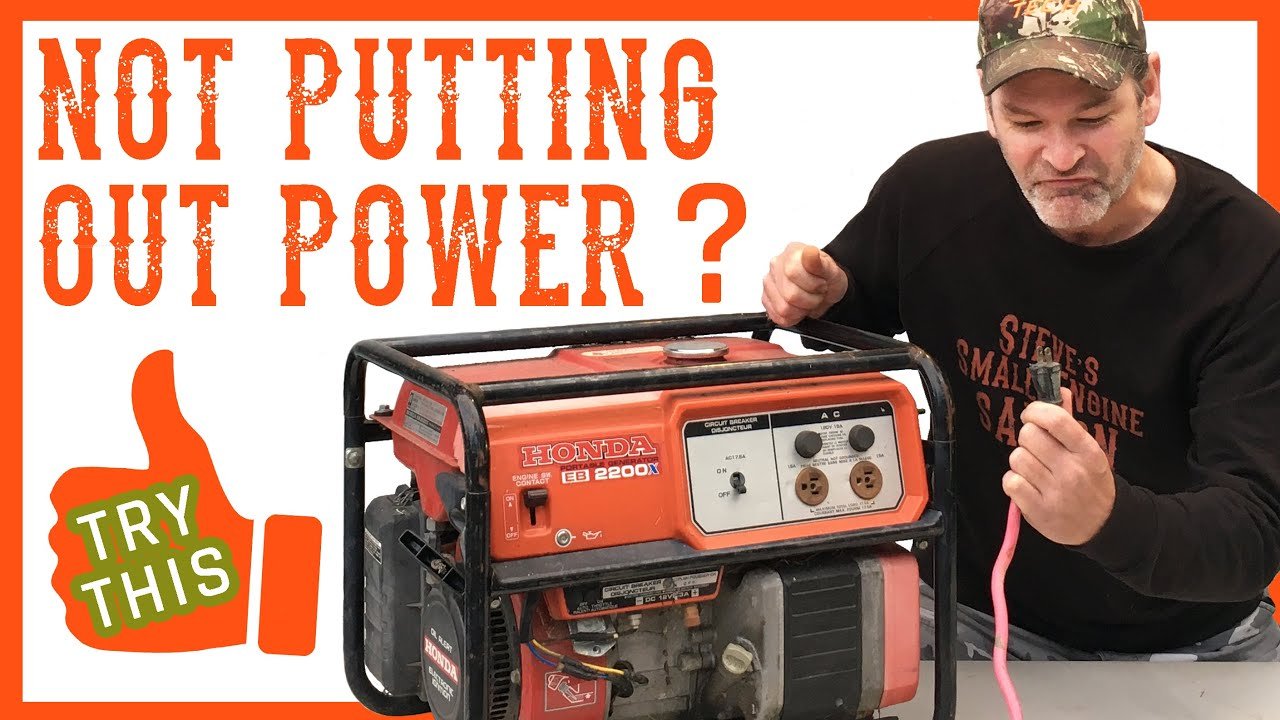
Is your generator not putting out power when you need it most? You’re not alone.
Many people face this frustrating issue, especially during emergencies or when off-grid. Understanding why your generator isn’t functioning can save you time, money, and a whole lot of stress. We’ll explore common reasons for power loss and provide you with practical solutions.
Whether you’re a seasoned generator user or just getting started, you’ll find valuable insights to get your generator back up and running. Don’t let a powerless generator ruin your day—keep reading to uncover the answers you need!
Common Causes Of No Power Output
Generators can fail to produce power for several reasons. Common issues include low fuel levels, faulty spark plugs, or a dead battery. Checking these components can help identify the problem and restore power output.
Common Causes of No Power Output When your generator fails to produce power, it can be frustrating and concerning. Understanding the common causes of this issue can help you troubleshoot effectively. Let’s dive into the key reasons why your generator might not be putting out power.Electrical Connection Issues
Loose or corroded connections can be the primary culprits behind power loss. Inspect your generator’s wiring thoroughly. Look for any frayed wires or connections that may have come loose over time. If you notice any damage, replacing those wires or tightening connections can often resolve the issue. Regular maintenance can prevent these problems before they start. Have you checked the connections lately?Faulty Circuit Breaker
A malfunctioning circuit breaker may stop your generator from delivering power. Sometimes, a breaker can trip due to overload or short circuits, leading to a total power cut. Check the circuit breaker to see if it has tripped. If it has, reset it and monitor whether it trips again. If the problem persists, consider replacing the breaker. Have you ever experienced a sudden power loss due to a simple breaker issue?Worn Brushes Or Slip Rings
Worn brushes or slip rings can lead to inadequate electrical contact, resulting in no power output. These components wear down over time and can become less effective. Inspect your generator’s brushes and slip rings for signs of wear. If they appear damaged or excessively worn, replacing them is crucial for restoring power. Are you keeping an eye on these small yet essential parts?Low Engine Speed
A generator engine running too slowly can fail to produce the necessary voltage. This can happen for various reasons, including fuel issues or mechanical problems. Check the throttle settings and ensure the engine is running at optimal speed. If the engine struggles to maintain speed, examine the fuel supply and mechanical components. Have you ever noticed a change in your generator’s performance due to engine speed? Understanding these common causes can save you time and money. Regular checks and maintenance can keep your generator in top shape, ensuring reliable power output when you need it most.
Credit: www.youtube.com
Inspecting Electrical Connections
Electrical connections are vital for a generator’s performance. Poor connections can cause the generator to fail. Checking these connections is essential for troubleshooting. Start with the basics. Inspect cables, terminals, and other components.
Checking Cables And Terminals
Begin by examining the cables connected to your generator. Look for any visible damage. Frayed or worn cables can lead to power issues. Ensure that all terminals are secure. Tight connections allow for better power flow.
Check for any signs of wear on the insulation. Damaged insulation can expose wires. This can cause shorts or other electrical problems. If you find any issues, consider replacing the cables.
Signs Of Loose Or Corroded Wires
Loose wires are a common problem. They can cause intermittent power loss. Look for any wires that seem out of place. Gently tug on them to see if they move. Secure any loose connections you find.
Corrosion is another issue to watch for. Check the terminals for a greenish or white buildup. This often indicates corrosion. Clean corroded areas with a wire brush or sandpaper. Make sure to reapply a protective coating afterward.
Regular inspections can prevent many issues. Keep your generator in good working order. A little maintenance goes a long way.
Testing The Circuit Breaker
Testing the circuit breaker is essential when a generator doesn’t put out power. A simple check can determine if the breaker has tripped. Resetting it might restore power and get your generator working again.
Testing the circuit breaker is a crucial step when your generator doesn’t put out power. Before diving into more complex issues, it’s essential to examine the circuit breaker first. A tripped breaker is often the culprit behind power loss, and it’s something you can check yourself.Identifying Tripped Breakers
Start by locating your generator’s circuit breaker panel. Look for any breakers that are in the “off” position or that appear to be stuck in the middle. A tripped breaker often has a red or orange indicator. – Check for signs of damage: Any burn marks or melting could signal a more serious issue. If you notice that a breaker is tripped, it’s a clear sign that something went wrong. Did you know that even a small overload can cause this? It’s worth checking the load you’re putting on the generator.Resetting Or Replacing Breakers
Resetting a tripped breaker is straightforward. Simply flip it back to the “on” position. However, if it trips again immediately, you need to take additional steps. – Inspect your generator’s load: Are you overloading it? If you’re unsure about your load, you might want to reduce the number of appliances running at the same time. If the breaker continues to trip, it may need replacing. – Consider getting a professional: Sometimes, a faulty breaker can lead to safety hazards. It’s always better to be safe than sorry, especially when dealing with electrical systems. Have you ever faced a situation where a simple reset solved a bigger problem? Understanding the basics of your generator can save you time and money.Evaluating The Engine Performance
When a generator does not produce power, checking the engine is crucial. The engine’s performance affects the entire unit. Small issues can lead to big problems. Let’s explore common factors that might cause engine troubles.
Fuel Supply Issues
Fuel is vital for any engine. Without it, the generator won’t run. Check the fuel tank. Ensure it has enough gas. Old or contaminated fuel can cause problems. Replace old fuel with fresh fuel. Inspect the fuel lines. Look for clogs or leaks. Clean or replace them if needed. A clean fuel filter is also important. It helps keep the engine running smoothly.
Air Filter Blockages
The air filter keeps dirt out of the engine. A dirty air filter can block airflow. This can lead to poor engine performance. Check the air filter regularly. Clean it or replace it if necessary. Good airflow helps the engine run better. A clean air filter ensures the engine gets enough oxygen.
Throttle Adjustment
The throttle controls the engine’s power output. If it’s not adjusted properly, the generator may not work. Check the throttle settings. Make sure they match the manufacturer’s recommendations. Adjust it as needed. A well-adjusted throttle helps the engine run efficiently. This can solve many power output issues.
Inspecting Brushes And Slip Rings
Brushes and slip rings play a crucial role in generator performance. Inspecting them is key when the generator fails to produce power. Regular checks can help identify wear or damage that affects electrical output. Proper maintenance ensures efficient generator operation and reliable power delivery.
Inspecting brushes and slip rings is crucial when your generator doesn’t put out power. These components play a significant role in delivering electricity. If they are worn or dirty, they can disrupt the entire system.Signs Of Wear And Tear
Look for specific signs that indicate your brushes and slip rings need attention. – Physical Damage: Check for visible cracks or breaks on the brushes. – Discoloration: Dark spots on slip rings can signify overheating. – Uneven Wear: If brushes are worn more on one side, they might not make proper contact. Paying attention to these signs can prevent bigger issues down the line.Cleaning Or Replacing Components
Cleaning is often the first step in reviving your generator’s performance. Use a soft cloth to wipe down the slip rings. This simple act can remove dirt and buildup. If cleaning doesn’t do the trick, consider replacing worn-out brushes. It’s a straightforward process that can often be done with basic tools. Make it a habit to check these components regularly. Regular maintenance can save you from unexpected power outages and costly repairs. Have you checked your generator’s brushes and slip rings lately? It might be time to take a closer look!Checking Voltage Regulator
When your generator doesn’t put out power, one of the first components to check is the voltage regulator. This small but crucial part ensures that the generator produces a consistent voltage output. A malfunctioning voltage regulator can lead to various issues, impacting your generator’s performance significantly.
Symptoms Of Regulator Failure
Recognizing the signs of voltage regulator failure can save you time and frustration. Here are some common symptoms:
- Inconsistent Voltage Output:If the voltage fluctuates wildly, your regulator may be failing.
- Overheating:A hot regulator can indicate that it’s struggling to manage voltage levels.
- Generator Won’t Start:If your generator fails to start or runs erratically, the regulator might be the culprit.
- Burnt Smell:A burnt odor can signal electrical issues within the regulator.
Have you ever experienced your generator shutting down unexpectedly? This could be a clear sign that the voltage regulator isn’t functioning properly. You might find yourself in a tough spot during a power outage if you overlook these symptoms.
Testing Regulator Output
Testing the voltage regulator output is straightforward and can help you pinpoint the issue. Start by using a multimeter to check the output voltage. Make sure the generator is running at its rated speed.
- Set the multimeter to the AC voltage setting.
- Connect the leads to the output terminals of the generator.
- Record the voltage reading.
If the voltage is outside the manufacturer’s specified range, your regulator is likely faulty. Replacing it may restore your generator’s functionality. Trust me, I learned this the hard way when my generator failed to power my tools during a project.
Before making any decisions, consider consulting your generator’s manual for specific testing instructions. A little knowledge can go a long way in troubleshooting issues effectively. Are you ready to tackle the challenge of getting your generator back to work?
Using A Multimeter For Diagnostics
A multimeter helps find issues when a generator doesn’t produce power. Test the voltage and check connections. This tool can identify problems quickly and easily, leading to effective repairs.
Using a multimeter is crucial when your generator fails to produce power. This handy tool helps you diagnose electrical issues with precision. You can pinpoint the problem quickly, saving you time and frustration.Measuring Voltage Output
To check if your generator is outputting the correct voltage, start by setting your multimeter to the AC voltage setting. Connect the multimeter leads to the generator’s output terminals. You should see a reading that matches the generator’s rated output. If the reading is significantly lower than expected, it may indicate a problem with the generator’s alternator or other internal components. Be sure to check your generator specifications. Understanding the correct voltage range is essential for accurate diagnostics.Identifying Open Circuits
An open circuit can prevent your generator from functioning properly. To identify this issue, you can test continuity using your multimeter. First, turn off the generator and disconnect it from any load. Set the multimeter to the continuity setting. Now, touch one lead to one end of the wire and the other lead to the opposite end. A beep or reading indicates a closed circuit. No sound means you have an open circuit. Look for damaged wires or loose connections. Repairing these could restore power to your generator. Using a multimeter simplifies the diagnostic process. It helps you identify issues quickly, allowing you to take action sooner. How often do you check your generator’s output and connections? Regular maintenance can prevent future headaches.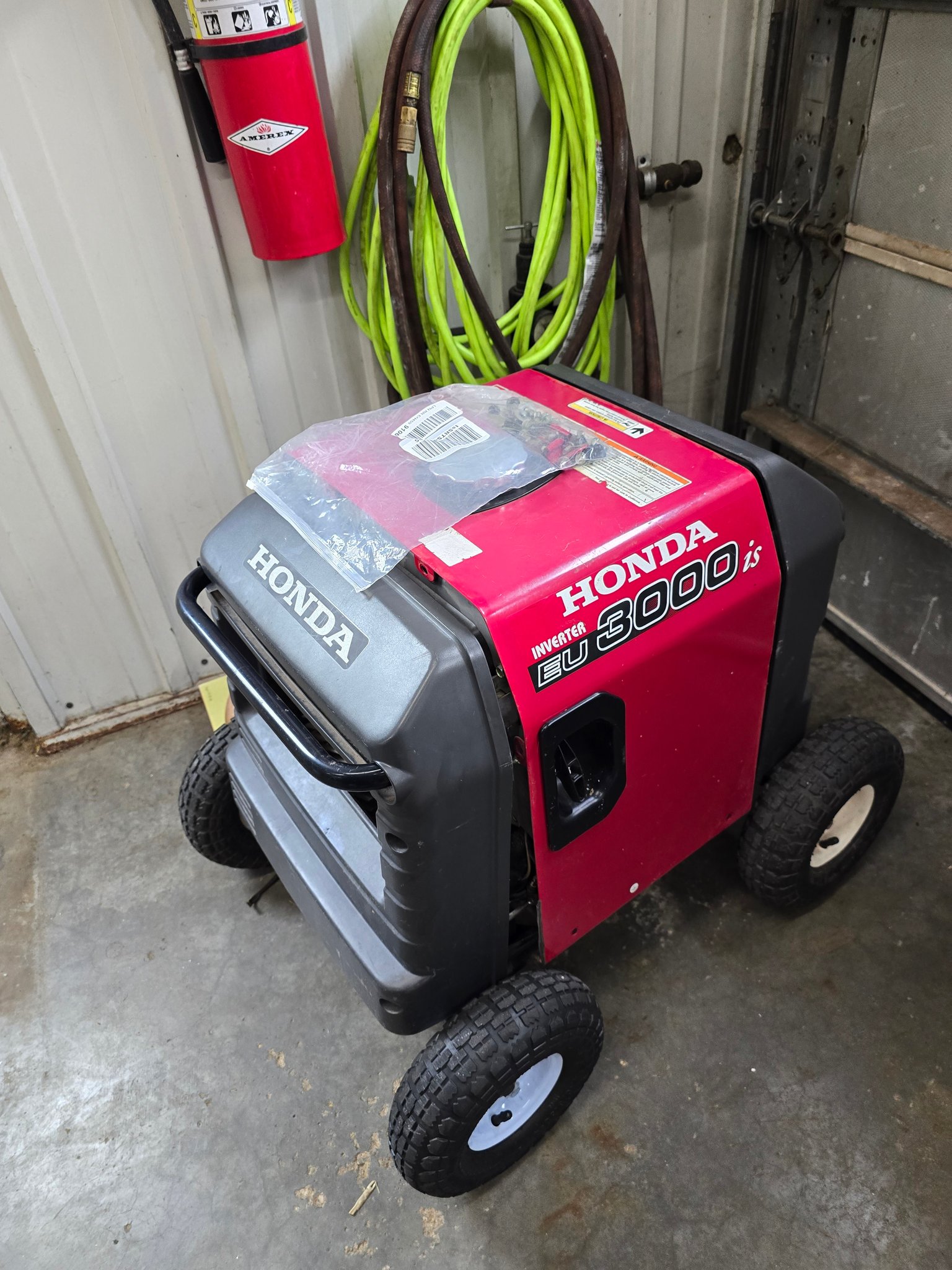
Credit: www.facebook.com
When To Seek Professional Help
Generators can fail to produce power for various reasons. Seek professional help if your generator won’t start, shows warning lights, or makes unusual noises. Timely assistance can prevent further damage and ensure safe operation.
When your generator doesn’t put out power, it can be frustrating and concerning. Knowing when to seek professional help is crucial for ensuring your safety and restoring functionality. Some problems are simple and can be tackled on your own, but others may require expert attention. Here’s how to identify those situations.Complex Electrical Failures
Complex electrical failures can be challenging to diagnose. If you notice flickering lights or irregular power supply, it could point to deeper issues. Trying to troubleshoot complex wiring can lead to hazardous situations. If you’re not experienced with electrical systems, it’s wise to call a professional. An electrician can pinpoint the problem safely and effectively. Have you ever dealt with a situation where you thought you could fix it, only to realize it was beyond your skill set? It’s better to ask for help early than to risk further damage.Engine-related Problems
Engine-related issues are another area where professional help is often necessary. Unusual noises or vibrations can indicate serious problems. If your generator struggles to start or runs erratically, these symptoms shouldn’t be ignored. In these cases, the engine might need a comprehensive check-up. You might think you can fix it by replacing a few parts, but without the right knowledge, you could miss the root cause. Considering your safety and the longevity of your equipment, reaching out to a technician is often the best choice. Have you ever hesitated to call for help, thinking you could manage the situation? Sometimes, a quick consultation can save you time and money in the long run.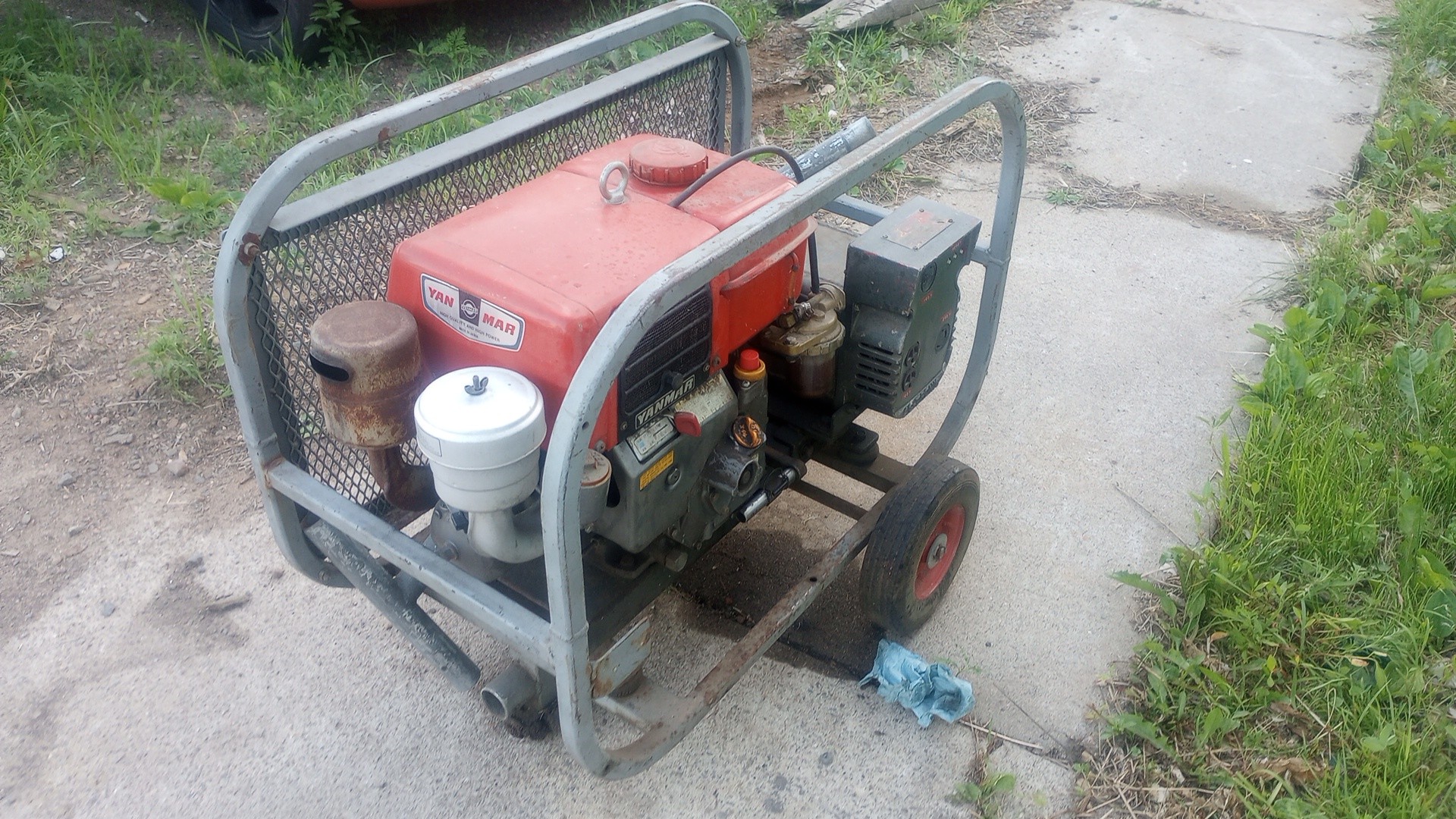
Credit: www.facebook.com
Frequently Asked Questions
Why Isn’t My Generator Producing Power?
There are several reasons a generator might not produce power. Common issues include a lack of fuel, faulty wiring, or a malfunctioning voltage regulator. Additionally, ensure the generator is properly maintained and that the circuit breakers are reset. Regular checks can prevent these issues.
How Can I Troubleshoot A Generator?
To troubleshoot a generator, start by checking the fuel level and oil. Inspect for any loose or damaged wires. Test the circuit breakers and reset them if necessary. If problems persist, consult the user manual or contact a professional for assistance.
Regular maintenance can also help.
What Are Common Generator Problems?
Common generator problems include fuel issues, electrical faults, and mechanical failures. Other frequent issues involve dead batteries and clogged air filters. Understanding these problems can help in diagnosing the issue quickly. Regular maintenance can significantly reduce the likelihood of these problems occurring.
When Should I Call A Professional?
Call a professional if troubleshooting fails to resolve the issue. Additionally, seek expert help for complex problems like internal damage or electrical malfunctions. Professional technicians can safely diagnose and repair the generator. Regular servicing by a professional can also extend your generator’s lifespan.
Conclusion
A generator that doesn’t put out power can be frustrating. It may stop you from using important tools or appliances. First, check the fuel levels and connections. Look for any signs of damage. Clean or replace the spark plug if needed.
Sometimes, simple fixes work best. Regular maintenance prevents many issues. Always consult the manual for guidance. Taking these steps can help restore power. Don’t let a powerless generator ruin your plans. Stay prepared and keep your generator in top shape.