

When the lights go out, how prepared are you? A generator can be a game-changer in those unexpected moments.
Imagine having the power to keep your home running smoothly, even during outages or emergencies. You might wonder, “Why do I need a generator? ” The answer goes beyond just convenience. It’s about safety, comfort, and peace of mind. You’ll discover the many reasons why investing in a generator is a smart choice for your home or business.
From protecting your food supply to ensuring your family stays comfortable, the benefits are clear. Don’t wait for the next blackout to realize what you’re missing. Keep reading to find out how a generator can change your life.
Benefits Of Having A Generator
A generator can be a valuable addition to your home. It provides power when the main supply fails. This can happen due to storms, accidents, or other emergencies. Having a generator ensures you stay connected and comfortable. Here are some key benefits of having a generator.
Reliable Power During Emergencies
Power outages can occur unexpectedly. A generator offers reliable backup power. It keeps your lights on and devices charged. This is especially useful during severe weather. You can stay informed and safe with power. A generator ensures you have electricity when you need it most.
Ensuring Safety And Comfort
During a blackout, safety is a priority. A generator helps maintain home safety. It powers essential devices like security systems and alarms. Comfort is important too. It allows you to run heating or cooling systems. You can enjoy warmth in winter or cool air in summer. A generator makes your home a safe haven.
Protecting Home Appliances
Many appliances require steady power. A generator protects these valuable items. It prevents damage from power surges. Refrigerators keep food fresh, and freezers store items safely. With a generator, you avoid costly repairs. Your appliances last longer and work better.
Types Of Generators
Generators come in various types. Each type serves different needs. Understanding them helps you choose the right one.
Portable Generators
Portable generators are easy to move. They are great for camping or outdoor events. You can use them during power outages.
Most portable generators run on gasoline. They provide enough power for essential appliances. You can also use them for tools at construction sites.
Standby Generators
Standby generators are permanently installed. They automatically turn on during a power failure. This ensures your home stays powered.
These generators can run on natural gas or propane. They are powerful enough for your whole house. Standby generators offer convenience and peace of mind.
Inverter Generators
Inverter generators are quiet and efficient. They are perfect for sensitive electronics. You can use them for camping or tailgating.
These generators produce clean power. They adjust their output to match your needs. This saves fuel and reduces noise.
Factors To Consider Before Buying
Buying a generator requires careful thought. You need to know what you need. Consider key factors to make the right choice. Each factor can affect your decision.
Power Output And Capacity
Power output is crucial. It tells you how much energy the generator can provide. Think about what devices you need to run. Calculate the total wattage of those devices. Choose a generator with higher capacity to avoid overload.
Consider your future needs. Will you add more devices later? Plan for growth. A generator with extra capacity can save you trouble down the road.
Fuel Type And Efficiency
Generators run on different fuels. Common options include gasoline, diesel, and propane. Each has its pros and cons. Gasoline is widely available. Diesel offers better fuel efficiency. Propane is cleaner and often safer.
Think about how often you’ll use the generator. Frequent use may require a more efficient model. Efficiency saves money over time. Choose a fuel type that fits your lifestyle.
Noise Levels And Placement
Noisy generators can be a nuisance. Check the decibel rating before buying. A quieter model is better for residential areas. Consider where you will place the generator.
Keep it away from windows and doors. This helps reduce noise inside your home. Ensure it has enough ventilation to prevent overheating. A good spot makes a big difference.

Credit: ggenerators.wordpress.com
Common Uses For Generators
Generators are useful in many situations. They provide power during outages, support outdoor events, and keep tools running on job sites. Having a generator ensures you stay connected and productive when electricity is unavailable.
Generators are versatile tools that serve various needs across different settings. Whether you live in an area prone to power outages or enjoy outdoor activities, understanding the common uses for generators can help you make informed decisions. Let’s break down how generators can be a valuable asset for your home, business, and recreational pursuits.Residential Backup
Power outages can strike at any time. Having a generator at home ensures that your family stays safe and comfortable. Imagine a winter storm knocking out your electricity. Your generator can keep your heating system running, preventing pipes from freezing. You can also keep essential appliances like refrigerators and medical devices powered. Consider investing in a generator that meets your household needs. Think about what devices you can’t live without during an outage. A portable generator might suffice for small homes, while larger homes may require a standby generator for full coverage.Commercial Applications
Businesses can benefit immensely from having a reliable generator. Power interruptions can lead to lost productivity and revenue. Restaurants, for instance, rely on their equipment to serve customers. A sudden blackout could spoil food and halt operations. Having a generator ensures that you can keep your lights on, kitchen running, and customers satisfied. This can be crucial for maintaining your reputation and profitability. Think about industries that require constant power. Hospitals, data centers, and manufacturing plants depend on generators to operate smoothly. Investing in a generator is not just a backup; it’s a safeguard for your business.Outdoor And Recreational Use
Generators are perfect for outdoor adventures. Camping, tailgating, or hosting backyard parties often requires a power source for lights, cooking, and entertainment. You can use a portable generator to power your devices, such as speakers, grills, or even small refrigerators. It makes your outdoor experience more enjoyable and convenient. Additionally, consider the possibilities during emergencies while camping. If you are in a remote area and face a sudden storm, a generator can provide you with power for communication and safety. What outdoor activities do you enjoy? Think about how a generator can enhance your experience and ensure you are prepared for any situation. Generators are not just a luxury; they are a practical necessity for many aspects of life. Understanding their common uses can help you determine the best option for your needs.Maintaining Your Generator
Generators provide backup power during outages. Regular maintenance keeps them running smoothly and extends their lifespan. Understanding the need for a generator helps ensure you’re prepared for emergencies. Proper care prevents costly repairs and ensures reliable performance when you need it most.
Maintaining your generator is crucial for ensuring its performance and longevity. Just like any other machine, a generator requires attention and care to function effectively when you need it most. Whether you’re preparing for a storm or planning a camping trip, knowing how to maintain your generator can save you from unexpected inconveniences.Regular Inspections
Performing regular inspections is key to keeping your generator in top shape. Check for signs of wear and tear, such as rust or leaks. Look at the fuel lines, electrical connections, and the battery. Create a checklist to make inspections easier. Include items like: – Oil levels – Air filters – Spark plugs Don’t wait for a problem to arise. Regular checks can help you catch issues early and save you time and money.Proper Storage
How you store your generator affects its performance. If you store it improperly, you might face difficulties when you need it most. Ensure that your generator is kept in a dry, cool place away from direct sunlight. Use a protective cover to shield it from dust and moisture. If you’re storing it for an extended period, drain the fuel to prevent buildup. Remember, the better you store it, the easier it will be to use when the time comes.Scheduled Servicing
Setting up a scheduled servicing routine can extend your generator’s life. Just like a car, generators benefit from professional maintenance. Plan to have your generator serviced at least once a year. During servicing, a technician can: – Change the oil – Replace air filters – Check all connections You wouldn’t ignore your car’s oil change, right? Treat your generator with the same respect. Regular servicing ensures it will be ready for action whenever you need it. Taking care of your generator is a responsibility you shouldn’t overlook. With regular inspections, proper storage, and scheduled servicing, you’ll enjoy reliable power when it matters most. What steps will you take today to ensure your generator is ready for your next adventure?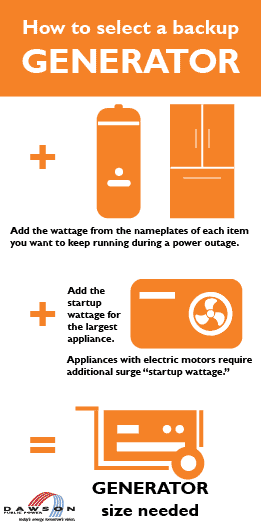
Credit: dawsonpower.com
Credit: www.renogy.com
Frequently Asked Questions
Why Should I Consider Getting A Generator?
A generator provides backup power during outages. It ensures your essential appliances remain functional when the grid fails. This is especially important for homes in storm-prone areas. Investing in a generator adds convenience and peace of mind during emergencies.
How Does A Generator Enhance Home Safety?
Generators keep critical systems running, like heating and refrigeration. During power outages, these systems prevent food spoilage and maintain a safe environment. Additionally, they allow you to use lights and security systems. This enhances your overall home safety during unexpected situations.
What Are The Benefits Of Portable Generators?
Portable generators offer flexibility and convenience. They can power tools and appliances on job sites or during outdoor events. Their mobility makes them ideal for camping or tailgating. With a portable generator, you can enjoy electricity wherever you need it.
Can Generators Save Money In The Long Run?
Yes, generators can save money by preventing food loss during outages. They also help maintain home value by protecting against property damage. Additionally, investing in a generator may reduce reliance on expensive temporary solutions. This makes them a smart financial choice for homeowners.
Conclusion
A generator is a smart investment for many reasons. It provides backup power during outages. This keeps your home running smoothly. Generators also support outdoor activities like camping. They offer convenience and peace of mind. Choosing the right generator ensures safety and efficiency.
Think about your needs before making a decision. A reliable generator can make a big difference. It helps you stay prepared for any situation. Consider your options and find the best fit for your lifestyle.