

When the power goes out, having a generator can be a lifesaver. But have you thought about where to place it?
Choosing the best spot for your generator is crucial for safety, efficiency, and performance. You want to ensure it runs smoothly while minimizing noise and avoiding hazards. We’ll explore the top locations to put your generator, so you can protect your home and keep your family comfortable during outages.
Don’t miss out on these essential tips that could make all the difference when you need power the most!
Choosing The Right Location
Choosing the right location for your generator is important. It should be on a flat, dry surface, away from windows and doors. Ensure it has good ventilation and is protected from harsh weather. Proper placement helps with safety and efficiency.
Choosing the right location for your generator is crucial for ensuring optimal performance and safety. A well-placed generator can save you time, money, and headaches during power outages. Let’s dive into some key factors that will help you make the best decision for your home.Proximity To Power Sources
Your generator needs to connect to your home’s electrical system. Position it close enough to the main power panel for easy wiring. Consider the distance to your fuel source as well. For gas or propane generators, a nearby fuel supply can make refueling quick and hassle-free. Keep in mind that longer distances may require thicker wires, which can increase costs and complicate the installation.Accessibility For Maintenance
You’ll want to ensure that your generator is easy to access. Regular maintenance is essential for keeping it in top shape. When placing your generator, think about how often you’ll need to check the oil, replace filters, or perform other routine tasks. A location that’s difficult to reach can lead to skipped maintenance and potential issues down the line. Do you really want to struggle with a cramped space during a storm?Avoiding Obstructions
Generators need good airflow to function efficiently. Avoid placing your generator near walls, fences, or other structures that can block airflow. Also, consider noise levels. You wouldn’t want your generator too close to your outdoor living space, where it might disrupt your family time. Look for a spot that keeps your generator away from windows and doors to minimize noise and exhaust fumes. Have you thought about how far away you need to be for comfort and safety? Choosing the right location for your generator can significantly impact its performance and your peace of mind. Prioritize these factors, and you’ll set yourself up for success when the lights go out.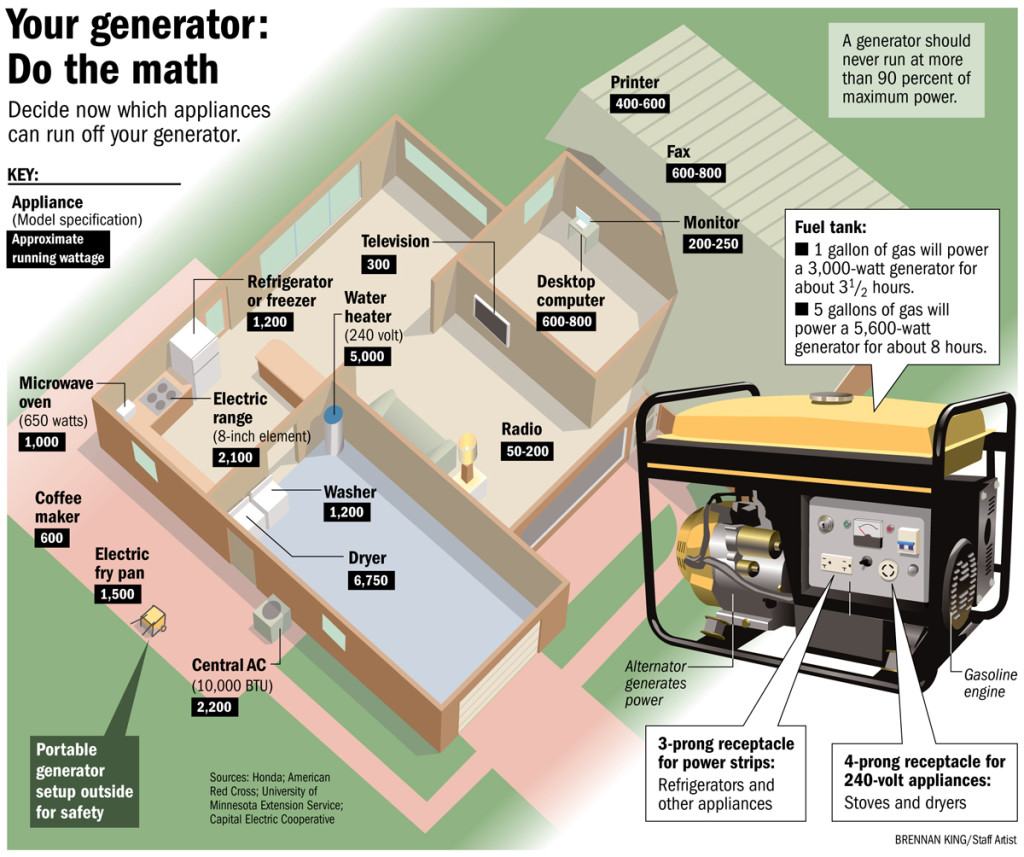
Credit: bgpmaintenance.com
Ensuring Proper Ventilation
Proper ventilation is crucial for generator safety. It prevents harmful gases from building up. Generators produce exhaust that can be dangerous. Understanding where to place your generator helps protect your health.
Preventing Carbon Monoxide Build-up
Carbon monoxide (CO) is a silent killer. It has no color or smell. Generators release CO during operation. Placing your generator in the right spot is key.
Always keep generators outdoors. Place them at least 20 feet away from windows and doors. This distance helps keep your living space safe. Never run a generator inside a garage or basement. Even with the door open, it is still dangerous.
Outdoor Placement Tips
Choose a well-ventilated area for your generator. Open spaces allow exhaust gases to disperse quickly. Avoid placing it near shrubs or fences. These can trap fumes and create a hazard.
Consider wind direction. Place the generator so that the exhaust blows away from your home. This simple step reduces the risk of CO entering your living areas.
Indoor Placement Considerations
Indoor generator use is not recommended. If you must use one inside, install a CO detector. This device alerts you to dangerous levels of gas.
Ensure that the indoor space has plenty of airflow. Use large fans or open windows to improve ventilation. Monitor CO levels closely. Safety should always come first.
Maintaining Safe Distances
Placing your generator safely is important. Keep it at least 5 feet away from buildings and walls. This distance helps prevent fire risks and allows for proper ventilation. Always follow local codes and guidelines for safety.
Maintaining safe distances for your generator is crucial for both safety and efficiency. Generators can produce harmful fumes and pose fire hazards if not placed correctly. Understanding where to position your generator can help you avoid potential dangers and keep your home safe.Distance From Living Spaces
Place your generator at least 20 feet away from your home and any other occupied structures. This distance helps reduce the risk of carbon monoxide poisoning. Have you ever thought about how quickly fumes can seep into your living areas? A small generator running close to windows or doors can create serious health hazards. Consider using a long extension cord to connect your generator to your home. This allows you to keep it safely distanced while still powering your essential appliances.Avoiding Flammable Materials
Ensure your generator is located away from any flammable materials, including dry grass, leaves, and other debris. A clear space of at least 5 feet around the generator can prevent accidental fires. Think about your last camping trip. Remember how dry conditions made you cautious about campfires? The same principle applies here. Store fuel in approved containers and keep it away from the generator. This simple action can greatly reduce the risk of fire.Compliance With Local Codes
Check your local building codes and regulations regarding generator placement. Many areas have specific guidelines to follow, ensuring your safety and that of your neighbors. Not adhering to these codes can lead to fines or, worse, unsafe conditions. Reach out to your local authorities if you’re unsure about the rules. It’s better to be safe and informed than to risk your safety and your home. Maintaining safe distances for your generator isn’t just a recommendation—it’s a vital step in protecting your family and property. Where will you place your generator to ensure safety?Protecting Against Weather Elements
Weather can harm your generator. Rain, wind, snow, and heat can damage it. Proper placement is key to keeping your generator safe. Below are some tips to protect your generator from the elements.
Using Generator Covers
Generator covers are a simple way to protect your unit. They shield against rain and dust. Choose a cover made from durable, weather-resistant material. Make sure it fits well to prevent moisture buildup. Always remove the cover before starting the generator. This keeps it safe and functional.
Elevating For Flood Protection
Flooding can ruin a generator. Elevating it helps avoid water damage. Place your generator on a platform or concrete block. This keeps it above potential flood levels. Ensure the elevation is stable. Secure it to avoid movement during storms. Check local flood maps to know your risk level.
Placement In Extreme Climates
Extreme heat or cold can affect generator performance. In hot areas, keep the generator in a shaded spot. This helps prevent overheating. In cold climates, consider insulation. Protect the generator from freezing temperatures. Use a winter cover to keep it warm. Always monitor the weather conditions to adjust placement.
Minimizing Noise Pollution
Noise from generators can disturb your peace. It can affect your family and neighbors. Choosing the right spot for your generator is essential. Proper placement can reduce noise pollution significantly.
Positioning To Reduce Noise Impact
Place your generator away from living areas. A distance of at least 20 feet is ideal. Keep it near the property line. This will lessen the noise heard inside your home.
Consider the wind direction. Position the generator so the wind blows away from your house. This helps carry the noise away from living spaces.
Using Sound Barriers
Sound barriers can help absorb noise. Trees, fences, or walls work well for this purpose. Planting shrubs can also help reduce noise levels.
Use acoustic panels or soundproof materials. These can be placed around the generator. They will limit the noise that escapes into your yard.
Generator Models With Low Noise Levels
Some generators are designed to be quieter. Look for models with low decibel ratings. Inverter generators are often quieter than traditional ones.
Check for features like sound insulation. These features help minimize noise. A quieter generator makes for a more pleasant environment.
Grounding And Stability
Choosing the right spot for a generator is crucial for grounding and stability. A flat, dry area away from walls and flammable materials is ideal. This ensures safety and proper airflow, allowing the generator to function efficiently.
Grounding and stability are critical factors to consider when placing a generator. A well-placed generator not only ensures efficient operation but also enhances safety for you and your surroundings. Understanding how to secure your generator can help prevent accidents and extend its lifespan.Ensuring A Stable Surface
Finding a stable surface for your generator is essential. Uneven ground can lead to tipping or movement during operation. Look for a flat, solid area, away from water and debris. Concrete or asphalt surfaces are ideal, as they provide a sturdy foundation. If you must place the generator on soil, consider using plywood or a similar material to create a level base. This small step can make a big difference in stability.Preventing Electrical Hazards
Electrical hazards can arise from improper grounding. Ensure that your generator is grounded according to the manufacturer’s guidelines. Use a grounding rod or connect the generator to a grounded outlet. This helps prevent electrical shocks and equipment damage. Avoid running your generator in wet conditions or near standing water. This practice protects both you and your equipment from unforeseen electrical risks.Securing Against Vibrations
Generators generate vibrations during operation, which can cause them to shift if not properly secured. Use rubber mats or vibration pads to reduce movement. These materials absorb vibrations and keep your generator in place. Additionally, consider anchoring your generator with straps if it’s in a windy area. This ensures it remains stable even in adverse weather conditions. Taking the time to address grounding and stability will enhance your generator’s performance and safety. Have you checked the surface where your generator sits lately? Your peace of mind is worth it.Adhering To Manufacturer Guidelines
Placing a generator requires careful thought. Follow manufacturer guidelines for safety and efficiency. Avoid enclosed spaces and keep it away from doors and windows to prevent carbon monoxide buildup. Choosing the right location ensures optimal performance and peace of mind.
Adhering to manufacturer guidelines is crucial when setting up your generator. These guidelines are designed to ensure safety, efficiency, and optimal performance. Ignoring them can lead to serious consequences, not just for the generator but also for your home and family.Recommended Distance Specifications
Most manufacturers provide specific distance recommendations for placing your generator. Typically, a distance of at least 20 feet from your home is advised. This distance helps prevent harmful exhaust fumes from entering your living space. Consider the layout of your property. If your generator is too close, you risk carbon monoxide exposure. Review your generator’s manual for the exact specifications, as different models may have varying requirements.Setup Instructions
Follow the setup instructions provided by the manufacturer carefully. Start by choosing a flat, dry area for placement. Ensure the ground is stable and can support the weight of the generator. Use a level to check your setup. An uneven surface can lead to operational issues. If you need to use extension cords, make sure they are rated for the wattage of your generator. Connecting your generator to your home should only be done using a transfer switch. This prevents backfeeding, which can be dangerous for utility workers and your home.Safety Precautions
Safety should always be your top priority. Keep your generator outdoors in a well-ventilated area. Never run it inside your garage or basement, even with the doors open. Ensure that your generator is at least five feet away from any flammable materials. This includes things like dry leaves, wood piles, or propane tanks. Regular maintenance checks are essential. Clean the air filter and check the oil levels frequently. A well-maintained generator runs more efficiently and safely. Have you ever experienced a power outage? Reflect on how critical it is to have your generator set up correctly. Following these guidelines not only protects your investment but also ensures peace of mind for you and your loved ones.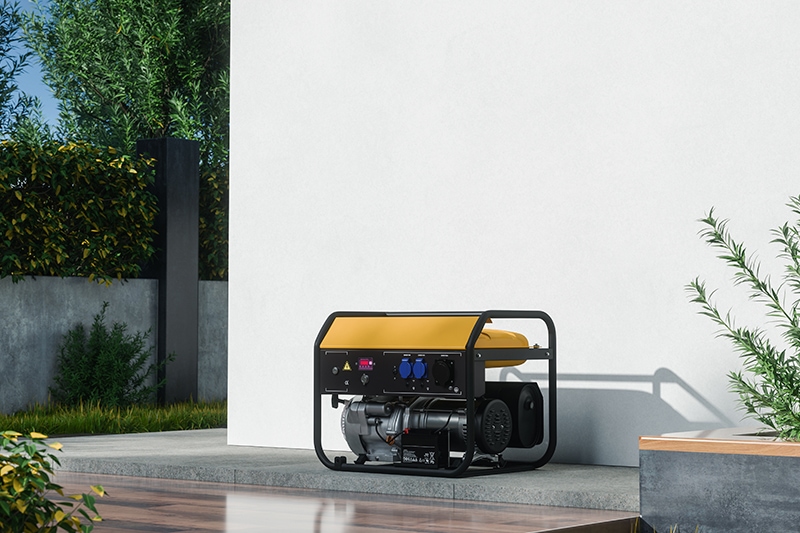
Credit: mygeneratorauthority.com
Considering Future Expansion
Choosing the right spot for your generator is key for future needs. Think about accessibility and safety. Proper placement ensures easy use and maintenance while keeping everyone safe.
Considering future expansion is crucial when deciding where to place your generator. You want to ensure that your setup can grow with your needs. Planning ahead can save you time and money later on.Planning For Increased Power Needs
As your energy requirements evolve, so should your generator’s capabilities. Start by assessing your current power needs. Think about what appliances or tools you might add in the future. Will you be running an air conditioner or additional machinery? A generator that can handle extra load will save you from costly upgrades later. Always choose a model that exceeds your current needs by at least 20-30%. This buffer allows for seamless expansion without the hassle of immediate replacements.Space For Additional Equipment
The location of your generator should have enough room for future equipment. Imagine needing to add a second generator or extra fuel tanks. Will your chosen spot accommodate this? Ensure you have enough space around the generator for ventilation and maintenance access. A cramped environment can lead to overheating and other performance issues. Plan for expansion by leaving a clear area that can easily adapt to new installations.Scalability Of The Setup
Your generator setup should be flexible enough to allow for scaling up. Consider using modular systems that can be expanded. For instance, some generators allow you to connect additional units when needed. This feature can be a game-changer during peak usage times. Think about the future: will your needs grow? Are you planning to expand your home or business? Being proactive now can keep your energy supply steady and reliable down the road. What steps are you taking today to ensure your generator can meet tomorrow’s demands?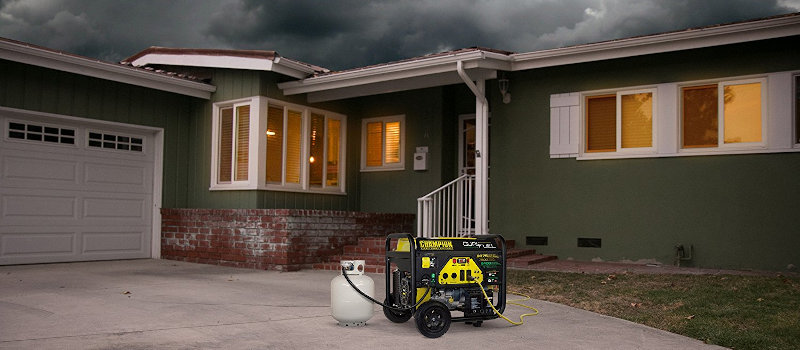
Credit: blog.norwall.com
Frequently Asked Questions
Where Should I Place My Generator Outdoors?
Placing your generator outdoors is essential for safety. Choose a well-ventilated area, away from windows and doors. Ensure it’s at least 5 feet from your home to avoid carbon monoxide buildup. Consider a level surface to prevent tipping and protect it from rain with a proper shelter.
Can I Put A Generator On My Patio?
It’s not advisable to place a generator on your patio. Patios are often enclosed, which increases the risk of carbon monoxide poisoning. Instead, position the generator in an open area, away from living spaces. Always prioritize ventilation and safety when selecting a location.
How Far Should A Generator Be From The House?
A generator should be at least 5 to 10 feet away from your house. This distance helps prevent harmful fumes from entering your home. Additionally, it reduces noise pollution and minimizes fire risks. Always check local regulations for specific guidelines regarding safe distances.
Is It Safe To Put A Generator Under A Carport?
No, placing a generator under a carport is unsafe. Carports are often enclosed spaces that can trap carbon monoxide. Always position your generator in a well-ventilated area, away from any structures. This practice ensures safety for both you and your property.
Conclusion
Choosing the best place for your generator is crucial. Safety and convenience matter. Keep it away from doors and windows. Ensure proper ventilation to avoid carbon monoxide risks. Protect it from rain and snow with a cover. Easy access for maintenance is important too.
Think about noise levels for neighbors. A well-placed generator offers peace of mind during outages. Follow these tips to find the right spot. Your home and family will thank you. Prioritize safety and efficiency for the best results.