

Have you ever wondered what a generator really is? Whether you’re preparing for a power outage, camping in the great outdoors, or just curious about how things work, understanding the meaning of a generator can be incredibly useful.
Generators play a vital role in our daily lives, providing backup power when we need it the most. But what exactly do they do, and how do they work? You’ll discover the true essence of generators, exploring their functions and types.
By the end, you’ll not only know the meaning of a generator but also how it can benefit you in different situations. Keep reading to unlock the knowledge that could empower you to make informed decisions for your home or adventures.
Role Of Generators
Generators play a vital role in providing power. They convert mechanical energy into electrical energy. This function is essential in many settings. From homes to industries, generators ensure that electricity is available.
Generators serve different purposes. They support daily activities. They keep important equipment running. In emergencies, they provide backup power. This can be lifesaving. They help maintain comfort and safety.
Backup Power Supply
One major role of generators is backup power. During power outages, they kick in quickly. They keep lights on and appliances running. This is crucial for homes and businesses.
Supporting Remote Locations
Generators are key in remote areas. They provide electricity where power lines are absent. This helps communities grow. Schools, hospitals, and businesses benefit from this power.
Industrial Applications
In industries, generators support heavy machinery. They ensure operations continue smoothly. Factories rely on generators for production. Any delay can lead to loss. Generators help avoid such issues.
Emergency Services
Generators are vital for emergency services. Hospitals need constant power. Generators keep life-saving equipment operational. Fire departments and police stations also depend on them.
Renewable Energy Integration
Generators can work with renewable energy sources. They complement solar or wind systems. This combination enhances energy reliability. Generators help balance energy supply and demand.

Credit: wholeandunleashed.com
How Generators Work
Generators convert mechanical energy into electrical energy. They use a simple principle. This principle is called electromagnetic induction. When you move a conductor through a magnetic field, electricity is generated.
Most generators have three main parts: the engine, the alternator, and the voltage regulator. Each part plays a crucial role. Together, they ensure the generator works efficiently.
Engine
The engine provides the mechanical energy. It can run on different fuels. Common fuels include gasoline, diesel, or natural gas. The engine spins the alternator to produce electricity.
Alternator
The alternator is the heart of the generator. It converts the mechanical energy into electrical energy. Inside, there are magnets and coils. The magnets create a magnetic field. The spinning motion moves the coils within this field. This movement generates electricity.
Voltage Regulator
The voltage regulator controls the output. It keeps the voltage steady. This is important for safe and reliable power. Without it, devices could get damaged by too much power.
Generators also have a cooling system. It prevents overheating during operation. Many generators include a fuel system for efficiency. This system manages fuel delivery to the engine.
In summary, generators work by converting mechanical energy to electrical energy. The engine, alternator, and voltage regulator work together. Understanding these parts helps you appreciate how generators provide power.
Types Of Generators
Generators come in various types. Each type serves a specific purpose. Knowing the differences helps in choosing the right one. Here are the main types of generators.
Portable Generators
Portable generators are compact and easy to move. They are ideal for camping and outdoor events. These generators provide temporary power. They can run tools and lights during emergencies.
Standby Generators
Standby generators are permanently installed. They automatically turn on during a power outage. These generators connect to your home’s electrical system. They provide backup power for essential appliances.
Inverter Generators
Inverter generators produce clean and stable power. They are quiet and fuel-efficient. These generators adjust their engine speed based on the load. They are great for sensitive electronics like computers.
Industrial Generators
Industrial generators are designed for heavy-duty use. They power large facilities and construction sites. These generators can handle high power demands. They often run on diesel for better efficiency.
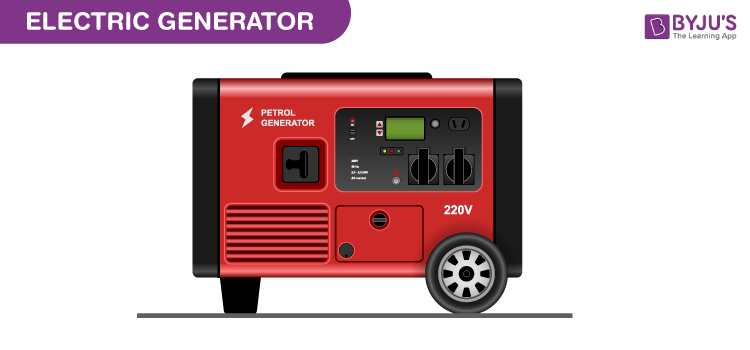
Credit: byjus.com
Key Components Of A Generator
A generator converts mechanical energy into electrical energy. Key components include the engine, alternator, fuel system, and control panel. Understanding these parts helps in grasping how generators function effectively.
Understanding the key components of a generator can enhance your knowledge of how these machines work. Each part plays a vital role in the generator’s overall functionality. Let’s break down these essential components to give you a clearer picture.Engine
The engine is the heart of the generator. It converts fuel into mechanical energy, which is crucial for producing electricity. Depending on the type, engines can run on gasoline, diesel, or natural gas. A well-maintained engine ensures efficient performance. Have you ever experienced a power outage during a storm? A reliable engine can make all the difference in keeping your lights on during such times.Alternator
The alternator is where the magic happens. It transforms the mechanical energy from the engine into electrical energy. This process involves rotating magnets and copper coils, generating alternating current (AC). You might not realize it, but the quality of electricity produced depends heavily on the alternator’s design. A high-quality alternator can provide stable power, which is essential for sensitive electronics.Fuel System
The fuel system is responsible for delivering fuel to the engine. It includes components like the fuel tank, fuel pump, and fuel filters. Each part works in harmony to ensure the engine runs smoothly. Consider how frustrating it is when your car runs out of gas. A generator with an efficient fuel system minimizes the chances of running dry, allowing you to maintain power when you need it most.Voltage Regulator
The voltage regulator plays a crucial role in maintaining a steady voltage output. It monitors and adjusts the generator’s output to prevent fluctuations. Without it, your appliances could suffer damage from inconsistent power supply. Have you ever had your devices shut down unexpectedly? A good voltage regulator can help prevent such disruptions, giving you peace of mind.Cooling And Exhaust Systems
Cooling and exhaust systems keep the generator operating safely and efficiently. The cooling system prevents overheating, while the exhaust system directs harmful gases away from the engine. Neglecting these systems can lead to serious issues. Imagine trying to use a generator that keeps shutting down due to heat. Regular checks on these components can save you from frustration and costly repairs. Understanding these key components equips you with the knowledge to better maintain your generator. Are you ready to delve deeper into generator maintenance?Common Uses Of Generators
Generators are useful machines. They provide power in many situations. Understanding their common uses helps people see their value.
Emergency Backup Power
Generators serve as backup power sources during outages. They keep essential devices running. Lights, refrigerators, and medical equipment stay on. This is crucial for safety and comfort. Many homes invest in generators for peace of mind.
Construction Sites
Construction sites often lack access to electricity. Generators supply the needed power. Workers can use tools and equipment without delays. This boosts productivity and efficiency. Reliable power helps complete projects on time.
Outdoor Events
Outdoor events require power for sound and lighting. Generators make this possible. They provide energy for food stalls and entertainment. Festivals, weddings, and parties benefit from portable generators. Guests enjoy a smooth experience without power issues.
Remote Locations
Some places are far from power grids. Generators are vital in these areas. They support research camps, cabins, and emergency services. Reliable power ensures operations continue uninterrupted. This is especially important for safety and communication.

Credit: www.youtube.com
Advantages Of Using Generators
Generators provide many benefits for homes and businesses. They supply power during outages. This keeps essential appliances running. Generators also offer flexibility and convenience. They can be used for various activities.
Reliable Power Supply
Generators ensure a steady power source. They keep lights on during blackouts. You can continue working without interruptions. This reliability is crucial in emergencies.
Versatile Applications
Generators are useful in many situations. They power construction sites and outdoor events. You can use them for camping or tailgating. Their versatility makes them a great investment.
Cost-effective Energy Solution
Generators can save money in the long run. They reduce the need for expensive repairs from outages. Investing in a generator can lower energy costs. They help manage electricity usage efficiently.
Increased Comfort And Safety
Generators enhance comfort during storms or extreme weather. They provide heat, cooling, and light. This safety measure protects your home and family. You can feel secure knowing you have backup power.
Easy To Use And Maintain
Most generators are user-friendly. They require minimal setup and operation. Regular maintenance is simple and straightforward. This makes them accessible for everyone.
Challenges Of Using Generators
Generators provide backup power. They come with some challenges. Understanding these can help users make better choices.
Fuel Consumption
Generators use fuel to run. The type of fuel impacts costs. Gasoline and diesel are common options. They can be expensive, especially during shortages. Some generators are more efficient than others. Look for models with low fuel consumption.
Noise Levels
Generators can be loud. Noise can disturb neighbors and pets. Many areas have noise regulations. Choosing a quieter model is wise. Some generators come with noise-reducing features. Check decibel ratings before buying.
Maintenance Costs
Generators need regular maintenance. This can add to overall costs. Oil changes, filter replacements, and repairs are common. Some users may not perform maintenance properly. This can lead to bigger problems later. Always follow the manufacturer’s guidelines for upkeep.
Future Of Generator Technology
Generators are devices that convert mechanical energy into electrical energy. They provide power for homes, businesses, and events. The future of generator technology focuses on making them cleaner, quieter, and more efficient for everyday use.
The future of generator technology is rapidly evolving, driven by the need for cleaner energy sources and smarter systems. As we face increasing environmental challenges, the demand for more efficient and sustainable generators is becoming essential. Innovations are not just enhancing performance; they are reshaping how we think about power generation.Eco-friendly Models
Eco-friendly generator models are at the forefront of this transformation. These generators utilize renewable energy sources, such as solar and wind, reducing reliance on fossil fuels. Many manufacturers are now producing generators that meet strict emissions standards. For instance, models powered by biodiesel or natural gas significantly lower carbon footprints compared to traditional gasoline generators. Choosing an eco-friendly generator can also save you money in the long run. Not only do these models consume less fuel, but they often qualify for tax incentives and rebates. Have you considered how much you could save by switching to a greener option?Hybrid Generators
Hybrid generators combine traditional fuel sources with renewable energy. They offer greater flexibility and efficiency, making them suitable for both residential and commercial use. Imagine a generator that runs on gasoline but switches to solar power when the sun is shining. This adaptability can extend the lifespan of your fuel supply while reducing overall emissions. Many users report a noticeable decrease in their energy costs after switching to hybrid models. With advancements in battery technology, these generators can now store excess energy for later use. How would a hybrid generator fit into your energy plans?Smart Monitoring Systems
Smart monitoring systems are revolutionizing how we manage our generators. These systems allow you to track performance, fuel consumption, and maintenance needs in real-time. Using a smartphone app, you can receive alerts about potential issues before they become serious problems. This proactive approach not only saves you time and money but also enhances the reliability of your power supply. Imagine being able to start your generator remotely or schedule maintenance without leaving your home. These features make modern generators more user-friendly and efficient. What would you do with the extra peace of mind knowing your generator is always monitored? The future of generator technology promises exciting changes that benefit both you and the planet. By staying informed about these advancements, you can make decisions that align with your energy needs and values.Frequently Asked Questions
What Is A Generator Used For?
A generator converts mechanical energy into electrical energy. It provides power in areas without access to the grid. Common uses include backup power for homes, construction sites, and outdoor events. Generators are essential for ensuring a continuous power supply during emergencies or outages.
How Does A Generator Work?
Generators operate on the principle of electromagnetic induction. They consist of a rotor and a stator. When the rotor spins, it creates a magnetic field that induces an electric current in the stator. This process efficiently converts mechanical energy into usable electrical energy.
What Types Of Generators Are There?
There are several types of generators, including portable, standby, and inverter generators. Portable generators are versatile for outdoor use. Standby generators automatically provide backup power during outages. Inverter generators offer clean, stable power suitable for sensitive electronics.
Can A Generator Run Continuously?
Most generators can run continuously for a limited time. Portable generators typically have a runtime of 8 to 12 hours. Standby generators can operate longer but require regular maintenance. Always refer to the manufacturer’s guidelines to ensure safe and efficient operation.
Conclusion
Generators play a vital role in daily life. They provide power during outages and support various devices. Understanding their meaning helps in making informed choices. Whether for home use or work, knowing how generators function is essential. This knowledge can guide you in selecting the right generator.
Power is important, and being prepared is key. Embrace the benefits of generators and stay powered up. Always prioritize safety and maintenance for best results. Your awareness today can lead to better decisions tomorrow.