
Are you tired of power outages disrupting your daily life? Do you want to ensure your home remains comfortable and functional no matter what?
Choosing the right generator can make all the difference. With so many options available, it can be overwhelming to find the perfect fit for your needs. But don’t worry; you’re not alone in this search. This guide will walk you through the key factors to consider when selecting a generator for your home.
By the end, you’ll have the knowledge to make an informed decision that enhances your comfort and peace of mind. Let’s get started!
Factors To Consider When Choosing A Generator
Choosing the right generator for home use involves several key factors. Think about the power needs of your appliances. Consider fuel type, noise level, and portability. Assess safety features and budget to find the best fit for your household.
Choosing the right generator for your home can feel overwhelming. With so many options available, it’s essential to consider several factors that will impact your decision. The right generator will not only meet your power needs but will also fit into your lifestyle seamlessly. Here are the key factors to consider when selecting a generator.Power Output Requirements
Assess your power needs before you start shopping. Determine what devices or appliances you want to run during an outage. – Essential items like refrigerators, lights, and medical equipment should be your priority. – Use a wattage calculator to estimate your total power requirements. A generator’s power output is measured in watts. Make sure to choose one that can handle your peak load without straining.Fuel Type And Efficiency
The fuel type of a generator affects both its performance and your operating costs. Common options include gasoline, propane, and diesel. – Gasoline generators are widely available but may require frequent refueling. – Propane generators are cleaner and have a longer shelf life. – Diesel generators offer great fuel efficiency but can be more expensive. Evaluate what’s most convenient and cost-effective for you. Think about local fuel availability and storage options.Noise Levels And Location
Noise can be a significant factor, especially if you live in a quiet neighborhood. Some generators are designed to operate quietly, which can make a big difference. – Check the decibel rating of the generator. A unit that operates at or below 60 dB is generally considered quiet. If you’re using it in close proximity to your home, look for models with noise-reduction features.Portability And Size
Consider where you plan to use the generator. If you need to move it around, weight and design are crucial. – Portable generators are often lighter and come with wheels, making them easy to transport. – Standby generators are larger and are installed permanently, typically in a designated outdoor space. Think about your storage options and how much space you can dedicate to the generator.Budget And Maintenance Costs
Establishing a budget is vital. Generators can range from a few hundred to several thousand dollars. – Factor in not just the initial purchase price but also maintenance costs over time. – Regular maintenance is necessary to keep your generator running efficiently. Consider whether you can handle maintenance yourself or if you’ll need to hire a professional. The right choice balances upfront costs with long-term value. Choosing a generator involves careful consideration of these factors. Your needs and circumstances will guide your decision. Remember, the best generator is the one that fits seamlessly into your life, ensuring you are prepared for whatever comes your way.
Credit: newlandchina.en.made-in-china.com
Portable Generators For Home Use
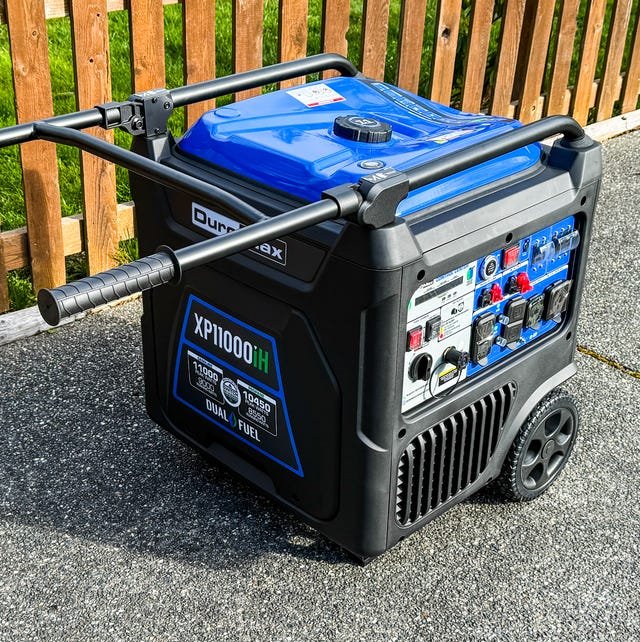
Portable generators are a practical choice for home use. They provide backup power during outages. These generators are easy to move and set up. Many models run on gasoline or propane. They can power essential appliances and keep your home comfortable.
Portable generators are popular for camping or outdoor events. Yet, their main purpose is to support homes during emergencies. They offer flexibility and convenience. You can use them wherever you need power.
Benefits Of Portable Generators
Portable generators have several benefits. They are easy to transport. You can move them from one place to another with ease. They fit in small spaces, making storage simple. Many models are fuel-efficient, saving you money.
They can power essential devices during outages. This includes refrigerators, lights, and medical equipment. Some generators offer multiple outlets for added convenience.
Top-rated Portable Models
Several portable generator models stand out. The Honda EU2200i is known for its quiet operation. It is lightweight and easy to carry. The Westinghouse iGen4500 is another great option. It has a high power output and runs quietly.
The Champion 3100-Watt model is perfect for home use. It features a dual fuel option, using gasoline or propane. The Generac GP2200i is compact and powerful. It is ideal for small to medium homes.
Best For Small To Medium Homes
Small to medium homes benefit from specific models. The WEN 56200i is affordable and reliable. It can power basic appliances without hassle. The DuroMax XP4400E is another strong choice. It has enough power for multiple devices.
For homes with higher energy needs, the Pulsar PG5250B is great. It delivers ample power for larger appliances. These generators offer the right balance of performance and price.
Standby Generators For Reliable Backup
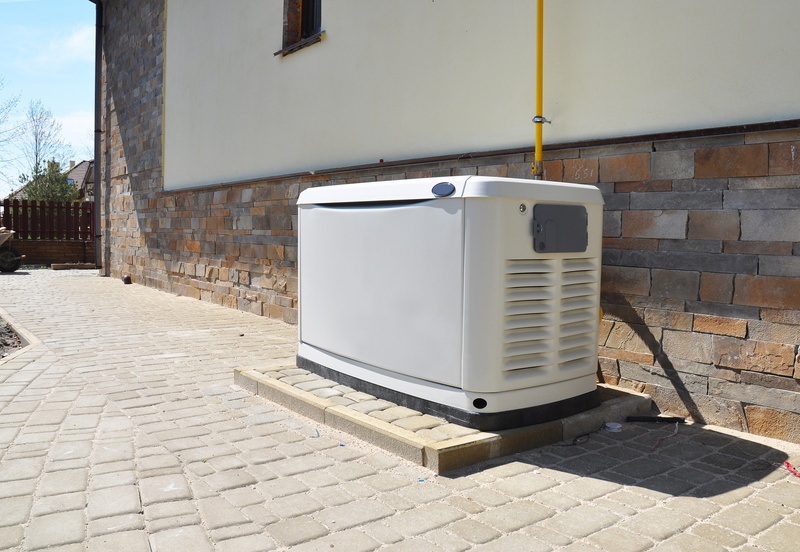
Standby generators provide peace of mind during power outages. They offer automatic backup power for your home. When the grid goes down, they kick in without delay. This ensures that your family stays safe and comfortable.
Choosing the right standby generator is essential. It should meet your power needs. Let’s explore why standby generators are a smart choice.
Why Choose A Standby Generator
Standby generators run on natural gas or propane. They can power your entire home. This is especially helpful during long outages. They turn on automatically when the power goes out.
Standby units are quiet and reliable. They require little maintenance compared to portable units. These generators can handle multiple appliances at once. You can keep your lights on, food fresh, and devices charged.
Recommended Standby Models
Some top standby models include Generac, Kohler, and Briggs & Stratton. Generac offers a range of sizes for different homes. Kohler units are known for their durability and efficiency.
Briggs & Stratton provides great value and performance. Check the wattage and features before buying. Choose a model that fits your needs and budget.
Ideal For Large Homes And Extended Outages
Large homes require more power. Standby generators are ideal for these situations. They can support central heating, air conditioning, and more.
During extended outages, having a standby generator is crucial. It keeps your home running smoothly. Comfort and safety are a priority for families.
Investing in a standby generator is a smart decision. Enjoy reliable backup power when you need it most.
Inverter Generators For Clean Power
Inverter generators provide clean and stable power for home use. They are quieter than traditional generators. This feature makes them ideal for neighborhoods. Inverter generators adjust their power output based on demand. This means they use less fuel, saving you money.
Advantages Of Inverter Generators
Inverter generators have many benefits. First, they produce less noise. This makes them perfect for camping or home use. Second, they deliver clean power. This protects sensitive devices like computers and TVs.
They are also lightweight and portable. You can easily move them around your home or yard. Many models have eco-friendly features. These help reduce fuel consumption and emissions.
Best Inverter Models For Home Use
Some inverter generators are great for home use. The Honda EU2200i is popular for its reliability. It runs quietly and has a good fuel economy.
The Yamaha EF2200iS is another excellent choice. It offers a strong output and is easy to transport. The WEN 56200i is budget-friendly and offers solid performance.
Perfect For Sensitive Electronics
Inverter generators are safe for sensitive electronics. They provide a steady flow of power. This prevents surges that can damage devices.
Many people use them to power laptops, gaming systems, and medical equipment. Protecting your electronics is crucial. Inverter generators offer peace of mind.
Dual-fuel Generators For Versatility
Dual-fuel generators offer an exceptional level of versatility for homeowners. They can run on both gasoline and propane, providing you with flexibility depending on your needs and available resources. This adaptability can be a game-changer during power outages or when you need to power tools at a job site.
How Dual-fuel Generators Work
Dual-fuel generators are designed to operate using two types of fuel. The transition between gasoline and propane is seamless and can often be done with just a switch. This means you can choose the fuel that is more readily available or economical at any given time.
Gasoline generally provides higher power output, while propane burns cleaner and is often easier to store. You might find that having the option to switch fuels can be handy during long-term outages or when gas stations run low on supplies. Being able to adapt your fuel source can keep your home running smoothly.
Top Dual-fuel Options
Several dual-fuel generators have gained popularity for their reliability and performance. Here are a few top options to consider:
- Champion 7500-Watt Dual Fuel Generator:This model is known for its portability and ease of use. It features a handy electric start and a 4-stroke engine.
- DuroMax XP12000EH:With 12,000 starting watts, this generator can handle heavy appliances. It has a durable design and includes a digital voltmeter.
- Westinghouse WGen7500DF:This generator is user-friendly and comes with a remote start option. It also includes a wheel kit for easy transportation.
Choosing the right generator means considering your power needs and budget. Look for features that matter most to you, like fuel efficiency and wattage output.
When Dual-fuel Makes Sense
Dual-fuel generators are ideal for a variety of situations. If you live in an area prone to power outages, the ability to switch fuels can be critical. You’ll want to ensure your home remains powered for essential appliances and devices.
They’re also beneficial for construction or outdoor work. You can easily adapt to the fuel source available, especially in remote locations. Have you ever been in a situation where one fuel type ran out? Imagine having the option to switch to propane without missing a beat.
In essence, dual-fuel generators combine convenience and reliability, making them an excellent choice for any homeowner. Your peace of mind during emergencies is worth the investment.
Solar Generators For Eco-friendly Power
Solar generators provide clean power for homes. They are quiet, easy to use, and environmentally friendly. Choosing the right one can help you save energy and money while supporting a sustainable lifestyle.
Solar generators are gaining popularity as a clean and sustainable power solution for homes. They provide an eco-friendly alternative to traditional gas-powered generators, allowing you to harness the sun’s energy. If you’re considering a solar generator for your home, it’s important to weigh the benefits and limitations to make an informed decision.Why Go Solar
Choosing solar generators means embracing renewable energy. Solar power reduces your carbon footprint, helping the environment. You can enjoy electricity without contributing to pollution. You may ask, how does this benefit you directly? Think about your energy bills. Solar generators can lower your monthly expenses significantly. You can even go off-grid, gaining independence from utility companies. Many users find solar generators versatile. They power everything from small appliances to larger devices. Whether you’re camping or preparing for a power outage, solar generators offer reliable energy.Popular Solar Generator Picks
Here are some top solar generators to consider:- Jackery Explorer 1000:Known for its portability and powerful output, it’s great for outdoor activities.
- Goal Zero Yeti 1500X:A larger option that can run multiple devices, perfect for home backup.
- EcoFlow Delta:Quick charging and high capacity make it ideal for emergencies.
Limitations To Consider
Solar generators come with their own set of challenges. First, they depend on sunlight. Cloudy days can limit their effectiveness, impacting your power supply. Cost is another factor. High-quality solar generators can be pricey upfront. However, consider the long-term savings on energy bills. Capacity is also worth noting. Not all solar generators can handle heavy loads. Assess the devices you want to power and choose a generator that meets those needs. Taking these limitations into account will help you select the right solar generator for your home. Are you ready to make the switch to eco-friendly power?Tips For Safe Generator Use
Using a generator at home can provide essential power during outages. However, safety should always come first. Here are some practical tips to ensure you use your generator safely and effectively.
Proper Installation And Setup
Start by placing your generator outdoors, at least 20 feet away from your home. This distance reduces the risk of carbon monoxide fumes entering your living space.
Ensure the generator is on a flat surface to prevent tipping. Use a heavy-duty extension cord to connect appliances, and make sure the cord is rated for the generator’s output.
Check local regulations for any specific requirements regarding installation. Following these guidelines can prevent accidents and ensure optimal performance.
Avoiding Carbon Monoxide Risks
Carbon monoxide is a silent killer. Always install a battery-operated carbon monoxide detector inside your home, especially near sleeping areas.
Never run a generator inside your garage, basement, or any enclosed space. Even with windows open, the risk remains too high.
Consider using a generator with built-in safety features that automatically shut down in unsafe conditions. This can give you peace of mind.
Maintenance And Troubleshooting
Regular maintenance is key to keeping your generator running smoothly. Change the oil, replace air filters, and inspect the spark plug as recommended in the user manual.
If your generator won’t start, check the fuel level first. Sometimes the simplest solutions are the most effective.
Pay attention to any unusual noises or smells while operating the generator. These can be early signs of trouble that need immediate attention.
Keeping your generator in top shape not only ensures its reliability but also your safety. Have you checked your generator lately? Taking a moment to evaluate its condition can save you from unexpected issues down the line.
Credit: www.bbairconditioning.com

Credit: genour.en.made-in-china.com
Frequently Asked Questions
What Type Of Generator Is Best For Home Use?
The best type of generator for home use is a standby generator. These generators automatically turn on during power outages. They provide a continuous power supply and can run several appliances simultaneously. For smaller needs, portable generators are also a good choice.
They are versatile and easy to move.
How Much Power Do I Need For A Home Generator?
To determine the power you need, add up the wattage of all essential appliances. This typically includes refrigerators, lights, and HVAC systems. A good rule of thumb is to estimate around 5,000 to 7,500 watts for most homes. Always choose a generator that can handle peak loads safely.
Are Inverter Generators Better For Home Use?
Yes, inverter generators are often better for home use. They provide clean and stable power, making them safe for sensitive electronics. Additionally, they operate more quietly than conventional generators. Their fuel efficiency is superior, saving you money in the long run.
Consider them for a quieter, more efficient option.
How Long Can A Generator Run Continuously?
Most home generators can run continuously for 8 to 12 hours on a full tank. However, this depends on the load and fuel type. Standby generators can run indefinitely as long as they have fuel. Regular maintenance is essential for optimal performance and longevity.
Conclusion
Choosing the right generator for your home is important. Think about your power needs first. Look at features like fuel type and size. Compare noise levels, too. A quiet generator is better for your neighbors. Read reviews to find reliable brands.
Don’t forget about safety features. A good generator will keep your home running smoothly during outages. Take your time to make the best choice. Your comfort and safety depend on it. A smart decision now can save you trouble later.
Choose wisely and enjoy peace of mind.