
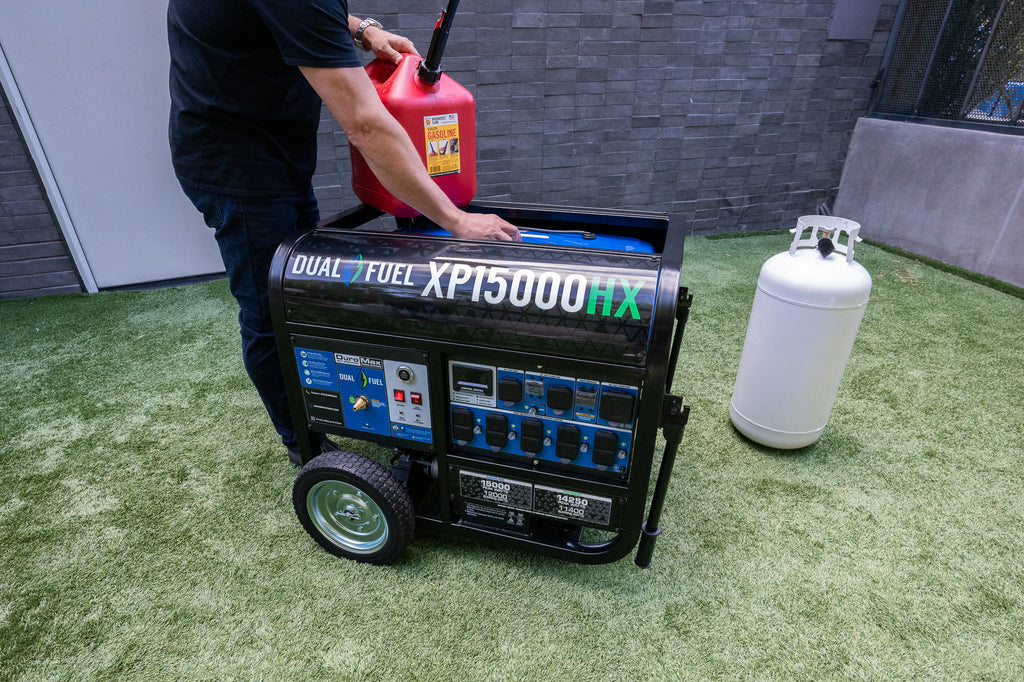
When it comes to storing your generator, one question often pops up: Should you store it with gas in it? It’s a critical decision that can impact your generator’s performance and lifespan.
You might be wondering about the risks and benefits of leaving fuel in your generator during storage. What happens if you make the wrong choice? We will break down the key factors you need to consider, including safety, maintenance, and how fuel can affect your generator’s reliability.
By the end, you’ll have a clear understanding of the best practices for storing your generator. Let’s dive in and ensure your generator is ready to go when you need it most.
Credit: www.ecoflow.com
Storing A Generator With Gas
Storing a generator with gas can be a tricky decision. Proper storage is crucial for safety and performance. Gasoline can degrade over time. This can lead to problems when you need your generator. Consider the risks and benefits before making your choice.
Risks Of Storing Gas In A Generator
Gasoline can go stale. Stale gas can clog the fuel system. This makes it hard for the generator to start. It can also damage engine parts. Keeping gas in the tank increases fire risks. Gasoline is flammable and can cause accidents.
Benefits Of Storing Gas In A Generator
Having gas in the generator can be convenient. It ensures your generator is ready to use. You won’t waste time refilling it during an emergency. Keeping gas in the tank saves you from a last-minute rush.
Best Practices For Storing Gasoline
Use high-quality fuel stabilizer. This helps prevent gas from going bad. Fill the tank to about 90% full. This minimizes air space and reduces moisture. Store the generator in a cool, dry place. Keep it away from direct sunlight and heat sources.
Regular Maintenance Is Key
Check the generator regularly. Look for leaks or corrosion. Change the oil and filters as needed. Run the generator every few months. This keeps the engine parts lubricated and in good condition.

Credit: www.plymouthrock.com
Potential Risks Of Storing Gas In Generators
Storing gas in generators can lead to serious risks. Knowing these risks helps you make safer choices. Three major risks exist: fire hazards, gas deterioration, and damage to generator parts.
Fire Hazards At Home
Gas is highly flammable. Storing it in a generator increases fire risk. A small spark can ignite gas vapors. This can cause fires in your home or garage. Always store generators in a safe place. Keep them away from heat sources and open flames.
Deterioration Of Gas Over Time
Gas does not last forever. Over time, it can break down. Old gas may not burn well. This can lead to starting issues. Stale gas can also create harmful deposits in the engine. It is best to empty the tank before storing the generator.
Impact On Generator Components
Gas can cause damage to generator parts. Fuel can corrode metal components. This leads to rust and other issues. Plastic parts can also degrade from old gas. Regular maintenance is key. Check and replace any damaged parts to keep the generator running smoothly.
Proper Storage Practices
Storing a generator with gas can be risky. Gasoline can go stale, making the generator hard to start later. It’s safer to empty the tank before storage. This helps keep your generator ready for use when you need it.
Storing a generator properly can extend its life and ensure it runs smoothly when you need it most. Proper storage practices are essential, especially when it comes to handling gas. Here are some key aspects to consider when storing your generator.Emptying The Gas Tank
One of the best practices is to empty the gas tank before storing your generator. Leaving gas in the tank can lead to stale fuel, which clogs the fuel lines and carburetor. I learned this the hard way. After a long power outage, I stored my generator with gas still in it. Months later, it wouldn’t start, and I had to clean the entire fuel system. To avoid this, run your generator until it runs out of fuel. It only takes a little time, and it saves you from future headaches.Using Fuel Stabilizers
If you prefer to keep gas in your generator, using a fuel stabilizer is a smart choice. Fuel stabilizers help prevent the breakdown of gasoline during storage. When I first started using a stabilizer, I noticed my generator started easily after months of inactivity. Make sure to follow the manufacturer’s instructions on how much to add. It’s usually a small amount relative to the fuel volume, so it’s an easy step to take for peace of mind.Choosing The Right Storage Location
The location where you store your generator matters. Choose a cool, dry place away from direct sunlight and moisture. Avoid storing it in areas prone to temperature extremes, as this can affect the fuel and the machine itself. A shed or garage works well, but ensure it’s well-ventilated. What’s your current storage method? Taking these simple actions can significantly impact your generator’s performance when you need it most.Preparing Generators For Long-term Storage
Preparing your generator for long-term storage is essential to ensure it performs well when you need it next. Many people overlook this crucial step, leading to issues when they finally pull their generator out of storage. Let’s discuss some practical steps to effectively prepare your generator, so it’s ready when you are.
Cleaning The Generator
Cleaning your generator is the first step in preparation. Dust and debris can accumulate, leading to rust and corrosion over time. Use a soft brush and cloth to wipe down the exterior, paying attention to vents and cooling fins.
Don’t forget the fuel tank. If you choose to store your generator with gas, ensure the tank is clean. Empty the tank if you plan to store it for an extended period, and run the generator until it uses up the remaining fuel.
Inspecting Fuel Lines And Components
Next, take a close look at the fuel lines and other components. Cracks or leaks can develop if the generator sits unused for too long. Inspect all hoses and fittings for wear and replace any that look damaged.
Check the oil level and change it if necessary. Dirty oil can lead to engine problems when you eventually start the generator again. Keeping everything in good condition now will save you headaches later.
Sealing Openings To Prevent Dust
Finally, make sure to seal any openings to keep dust and pests out. Small critters can find their way into your generator, causing issues that you might not discover until it’s too late. Consider using covers or tape to block any openings.
Protecting your generator from the elements is crucial. A little effort now can mean the difference between a reliable generator and one that fails when you need it most. Is your generator ready for its long nap? Taking these steps ensures it will wake up refreshed and ready to work.
Tips For Safe Handling Of Gasoline
Handling gasoline safely is essential. Gasoline is flammable and can be dangerous. Follow these tips to ensure safety while storing and using gasoline.
Storing Gasoline Properly
Store gasoline in a cool, dry place. Keep it away from heat sources and flames. Use approved containers designed for gasoline. These containers prevent leaks and spills.
Label the containers clearly. This helps everyone know what is inside. Always keep gasoline out of reach of children and pets. Regularly check containers for damage or leaks.
Avoiding Overfilling The Tank
Do not fill the tank to the top. Leave some space for expansion. Gasoline expands as it gets warmer. Overfilling can cause spills and create a fire hazard.
Fill the tank slowly and stop when it reaches the fill line. This reduces the risk of spilling. Always keep a rag handy to wipe up any spills immediately.
Handling Spills Safely
Act quickly if gasoline spills. Turn off any open flames and avoid sparks. Use a rag or paper towel to soak up small spills.
For larger spills, use sand or cat litter to absorb the gasoline. Dispose of the used materials properly. Never wash gasoline down a drain or into the ground.
Always wash your hands after handling gasoline. It is important to keep your hands clean and free of contaminants.
When To Keep Gas In The Generator
Understanding when to keep gas in your generator is crucial for ensuring it runs smoothly when you need it the most. Keeping a full tank can be beneficial in certain situations, but it can also pose risks if not managed properly. Let’s break down the scenarios where storing gas in your generator makes sense.
Short-term Storage Scenarios
If you plan to use your generator within a month, keeping gas in it can be a practical choice. This is especially true during seasons when power outages are more likely, like winter storms or hurricane season.
Always use fresh gasoline. Gasoline can degrade over time, leading to starting issues. If you’re storing gas in the generator for a short period, consider adding a fuel stabilizer. This keeps the gas effective longer.
- Keep the tank at least half full to prevent condensation.
- Check the gas level regularly to avoid running out unexpectedly.
- Store the generator in a cool, dry place to minimize evaporation.
Emergency Preparedness Considerations
Are you ready for unexpected power outages? Keeping gas in your generator can be a lifesaver during emergencies. Imagine a sudden blackout due to a storm. You want your generator to kick in without a hitch.
However, you must consider safety. Gasoline can be flammable. Ensure the generator is stored in a well-ventilated area, away from heat sources. Always have a safe, approved container for any extra fuel.
Additionally, think about the shelf life of your fuel. Regularly rotate your gas supply to keep it fresh. This simple act can ensure your generator performs flawlessly when you need it.
Have you checked your generator recently? A little maintenance can go a long way. Keeping gas in your generator is about being prepared, but safety should always come first.
Common Mistakes To Avoid
Storing a generator with gas can lead to issues. Fuel can degrade over time, causing starting problems. It’s best to empty the tank or use fuel stabilizers for longer storage. Avoid these common mistakes to ensure your generator runs smoothly when needed.
Storing a generator with gas can be a tricky decision, and it’s vital to avoid common mistakes to ensure your safety and the longevity of your equipment. Many people overlook essential steps, leading to engine issues or hazardous situations. Here are some pitfalls to watch out for:Leaving Gas Untreated
Storing your generator with untreated gas can cause major problems. Gasoline degrades over time, leading to varnish buildup and clogged fuel lines. Consider using a fuel stabilizer if you plan to store your generator for an extended period. This simple step keeps the fuel fresh and your engine running smoothly. Have you ever tried to start your generator after months of storage, only to find it sputtering and choking? That could be the result of old gas. Taking the time to treat your fuel can save you from headaches down the road.Ignoring Maintenance Needs
Maintenance is not just an option; it’s a necessity. Many people forget to check oil levels, air filters, or spark plugs before storing their generators. Neglecting these tasks can lead to long-term damage, making it harder to start the generator when you need it most. Set a reminder for regular maintenance checks. It’s a small effort that pays off when the power goes out unexpectedly. Have you ever had a generator fail during an emergency? It’s a frustrating experience that can be easily avoided with some basic care.Storing In High-temperature Areas
Temperature plays a significant role in how well your generator performs. Storing your generator in a hot garage or shed can cause the fuel to evaporate and lead to corrosion. Aim for a cool, dry place to keep your generator safe. This helps maintain the integrity of the fuel and the overall condition of the machine. Think about it: would you leave your car in a sauna? The same logic applies to your generator. Choosing the right storage location can make all the difference when you need to rely on your equipment.
Credit: www.nytimes.com
Frequently Asked Questions
Should I Leave Gas In My Generator?
Leaving gas in your generator is not recommended. Gasoline can degrade over time, leading to engine problems. It’s best to empty the tank before storage. If you must store fuel, consider using a fuel stabilizer. This can help preserve the gasoline and prevent issues when you need to use the generator again.
How Long Can Gas Be Stored In A Generator?
Gasoline can typically be stored in a generator for about 30 days without degradation. After this period, fuel quality diminishes, potentially causing engine problems. Using a fuel stabilizer can extend this period up to 6 months. Regular maintenance is crucial to ensure optimal generator performance.
What Happens If I Store A Generator With Gas?
Storing a generator with gas can lead to various issues. Over time, gasoline can break down, forming varnish and gum that clog fuel lines. This can result in starting problems and decreased performance. It’s advisable to empty the tank or use a stabilizer for better storage outcomes.
Is It Safe To Store A Generator With Gas?
Storing a generator with gas is generally not safe. Gasoline is flammable and poses a fire hazard. Additionally, stale fuel can lead to engine malfunctions. For safety, always store your generator in a cool, dry place and consider emptying the tank before storage.
Conclusion
Storing a generator with gas can be risky. Gasoline can degrade over time. It may cause engine problems later. Consider draining the tank before storage. This helps keep your generator in good shape. If you decide to keep gas, use a fuel stabilizer.
It can extend the life of the fuel. Always store your generator in a cool, dry place. This ensures safety and better performance. Take these steps to protect your investment. Your generator will be ready when you need it.