
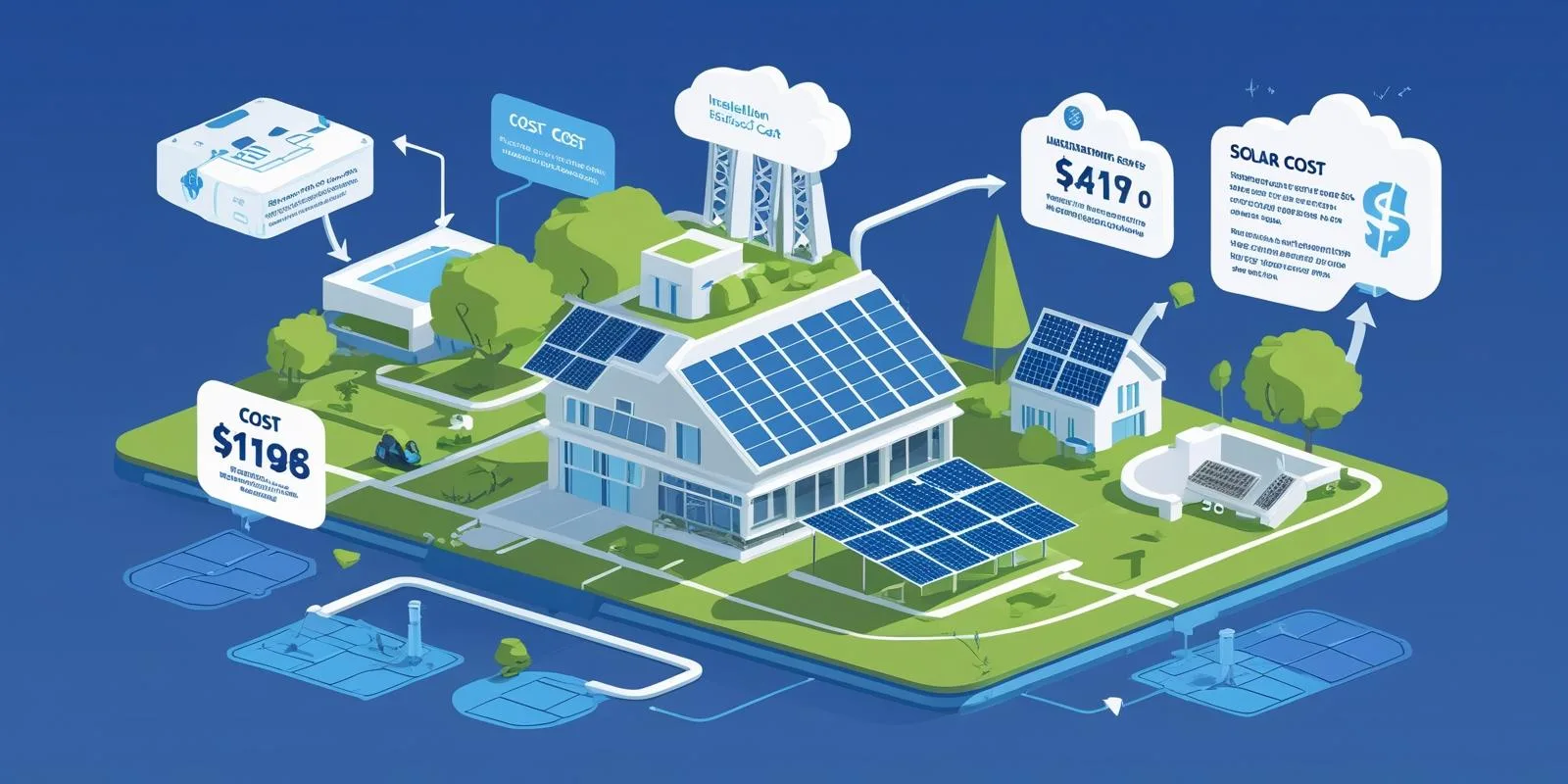
Are you considering solar energy for your home or business? One of the most important factors to think about is the cost per kilowatt-hour (kWh) for solar energy.
Understanding this cost can help you make informed decisions that save you money and reduce your carbon footprint. We’ll break down the factors that influence solar energy pricing, compare it with traditional energy sources, and show you how much you can really expect to pay.
By the end, you’ll have a clearer picture of whether solar energy is the right choice for you. Let’s dive in and find out how solar energy can fit into your budget!
Factors Affecting Solar Energy Costs
Understanding the costs of solar energy is essential. Many factors influence the price you pay per kWh. Each factor plays a role in how much you spend. Here are the main aspects to consider.
Solar Panel Type And Efficiency
The type of solar panel you choose matters. Different panels have varying efficiency rates. Higher efficiency panels convert more sunlight into energy. They may cost more upfront but can save money long-term.
Installation And Labor Expenses
Installation costs can vary widely. Labor expenses depend on your location and the company you choose. Skilled labor may increase costs, but it ensures quality work. Proper installation can lead to better energy production.
Location And Sunlight Availability
Your location affects solar energy costs. Areas with more sunlight can generate more energy. If you live in a sunny region, your costs may be lower. Less sunlight means higher costs to produce the same energy.
System Size And Capacity
The size of your solar system impacts costs. Larger systems generate more energy but require a higher initial investment. Consider your energy needs before choosing a system size. A well-sized system can lower your costs in the long run.
Government Incentives And Tax Credits
Government programs can reduce solar energy costs. Many states offer incentives for installing solar systems. Tax credits can lower your overall investment. These financial benefits make solar energy more affordable.
Breaking Down Cost Per Kwh
Understanding the cost per kWh for solar energy is important. It helps you see the value of solar power. Many factors affect the price. Let’s explore these factors to give you a clearer picture.
Initial Investment Vs. Long-term Savings
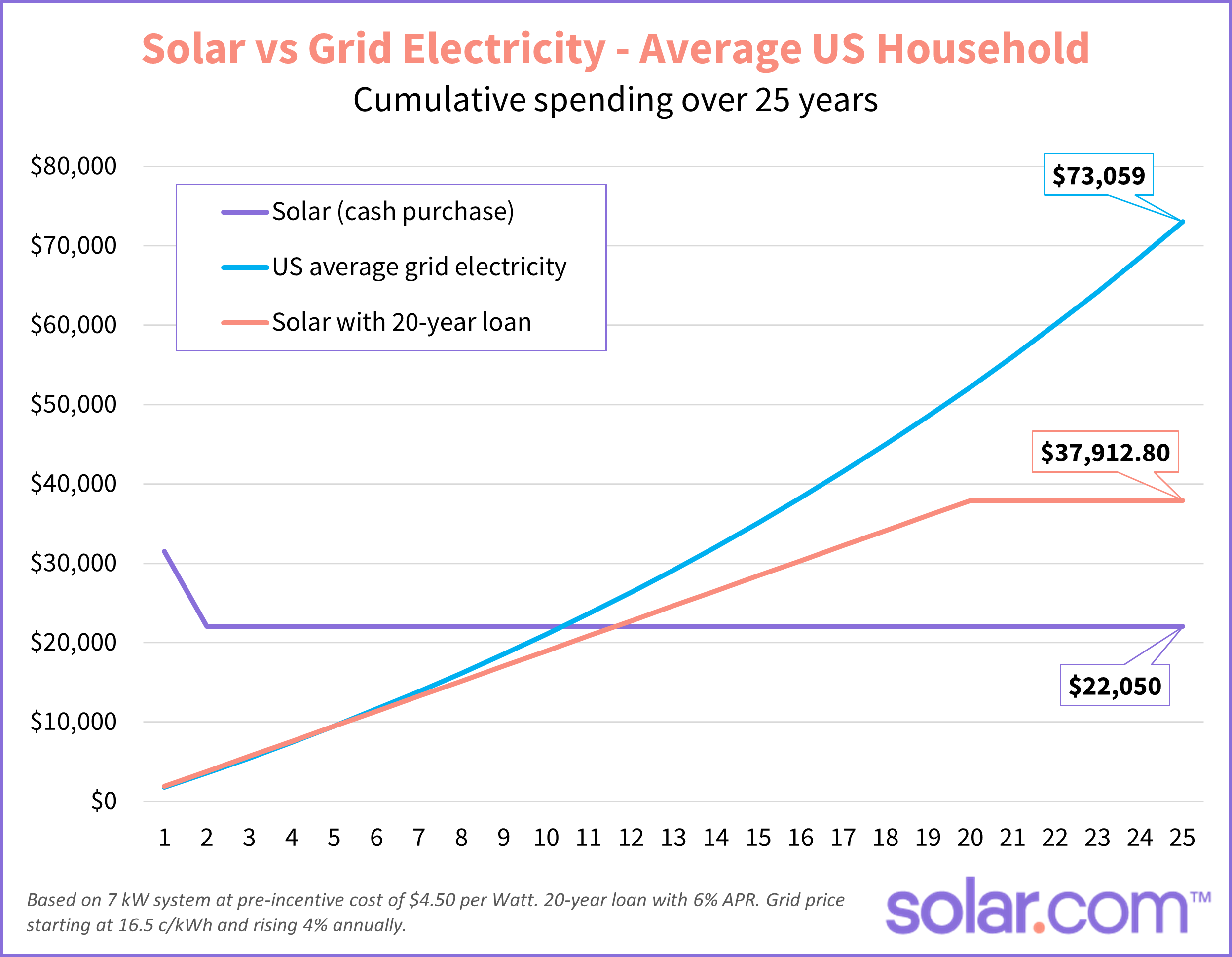
Solar energy systems require a big upfront cost. This includes panels, installation, and permits. Many people worry about this initial investment. Yet, solar energy can save you money over time.
Once installed, solar panels generate free energy. You can cut down your electricity bills significantly. Some homeowners see savings in just a few years. These savings grow as energy prices rise. The initial cost can feel high, but the long-term benefits are clear.
Levelized Cost Of Energy (lcoe)
The levelized cost of energy is a key measure. It shows the average cost to produce energy over the system’s life. For solar, this includes installation, maintenance, and operational costs.
LCOE helps compare different energy sources. It allows you to understand solar’s economic viability. Typically, solar energy has a lower LCOE than fossil fuels. This makes solar a smart choice for many households.
Comparing Solar With Traditional Energy Sources
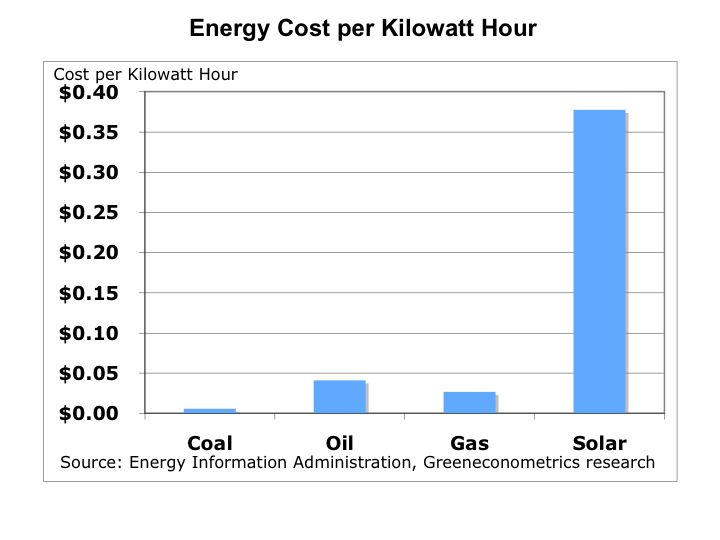
Solar energy is becoming more popular. It competes directly with traditional sources like coal and gas. Traditional energy has hidden costs. These can include environmental damage and health issues.
Solar energy, on the other hand, offers clean power. It reduces your carbon footprint. While traditional energy prices can fluctuate, solar prices remain stable. This makes solar a reliable option for long-term savings.
Regional Variations In Solar Costs
Solar energy costs vary by region. Local factors influence these prices. Climate, government policies, and market demand play key roles. Understanding these variations helps consumers make informed choices.
Solar Prices In The United States
In the United States, solar energy prices differ greatly by state. States like California often have higher costs. This is due to high demand and advanced technology. Other states, like Texas and Florida, offer lower prices. These states have ample sunlight and lower installation costs.
Federal tax credits also affect pricing. The Investment Tax Credit (ITC) allows homeowners to save money. This incentive makes solar more affordable for many.
Cost Differences Across Europe
Europe shows diverse solar costs across countries. Germany leads in solar technology and installations. Prices are relatively low there. Spain and Italy also have competitive pricing. They benefit from strong sunlight and supportive policies.
In contrast, countries in Eastern Europe face higher costs. Limited sunlight and less investment in solar technology raise prices. Government support varies, affecting overall affordability.
Pricing Trends In Asia And Africa
Asia presents a mixed picture for solar energy costs. China stands out as a major player. It produces solar panels at low costs. This drives down prices in nearby countries.
India sees growing demand for solar energy. Prices are decreasing due to new projects. Solar farms help meet the energy needs of millions.
Africa faces unique challenges. Many countries have high solar costs. Infrastructure issues and limited access to technology play a role. Yet, some regions invest in solar projects. This leads to lower prices over time.
Credit: greenecon.net
Impact Of Technology On Solar Costs
Technology plays a big role in lowering solar energy costs. New innovations make solar panels more efficient. They also help reduce installation and maintenance costs. This makes solar energy more affordable for everyone.
Advancements In Photovoltaic Cells
Photovoltaic cells convert sunlight into electricity. Recent advancements have improved their efficiency. New materials and designs capture more sunlight. This means more energy from the same amount of sunlight. Higher efficiency leads to lower costs per kWh. Less space is needed for the same energy output.
Energy Storage Solutions
Energy storage is crucial for solar energy. Batteries store excess energy for later use. Recent developments in battery technology make them cheaper. Better batteries have longer lifespans and higher capacities. This reduces the cost of storing solar energy.
Smart Inverters And Monitoring Systems
Smart inverters optimize energy usage. They adjust the output based on demand. Monitoring systems track performance in real-time. These tools help identify issues quickly. They ensure solar systems run efficiently. This leads to lower overall costs for consumers.
Hidden Costs To Consider
Solar energy can save money. But hidden costs can add up. It is important to know these costs before making a decision.
Maintenance And Repairs
Solar panels need regular maintenance. Dust and debris can reduce efficiency. Cleaning panels can cost between $100 and $300 a year.
Sometimes, panels may need repairs. This can happen due to weather or wear. Repair costs can vary widely. Expect to pay anywhere from $200 to $1,000.
Battery Replacement Costs
Battery storage is useful for solar systems. Batteries store energy for later use. However, they don’t last forever. Most batteries last about 5 to 15 years.
Replacing batteries can be expensive. Costs range from $5,000 to $15,000. This is a significant expense for many homeowners.
Grid Connection Fees
Connecting to the grid has its own costs. Utility companies may charge for this service. Fees can vary by location and company.
Some homeowners face installation fees. These can be between $1,000 and $3,000. Check with your local utility provider for exact costs.
Tips To Lower Solar Energy Costs
Solar energy can save you money. Knowing how to cut costs helps. Here are some tips to lower solar energy costs.
Choosing The Right Installer
Your installer matters a lot. A good installer can save you money. Research local installers and read reviews. Get quotes from multiple companies.
Check their experience with solar panels. Ask about their warranties. Choose an installer with good customer service. This ensures a smooth installation process.
Maximizing Government Rebates
Government rebates can lower your costs. Check for local, state, and federal programs. Many areas offer tax credits for solar energy systems.
Complete all paperwork on time. This helps you secure the rebates. Consult with your installer about available incentives. They can guide you through the process.
Optimizing System Performance
Keep your solar panels clean. Dirt and debris can block sunlight. Regular maintenance improves efficiency. Consider adding a monitoring system.
This system tracks energy production. It alerts you to any issues. Fix problems quickly to maintain performance.
Future Trends In Solar Energy Pricing
Solar energy pricing is changing fast. Several factors are shaping the future. Understanding these trends helps consumers make better choices.
Declining Manufacturing Costs
Manufacturing costs for solar panels are dropping. This trend lowers the price for consumers. More companies are entering the market. Increased competition drives prices down further.
Advancements in technology improve efficiency. Companies can produce panels at a lower cost. This means more affordable solar energy options for everyone.
Impact Of Global Solar Adoption
More countries are adopting solar energy. This global shift affects pricing. Increased demand leads to better supply chains. As more people use solar, prices may stabilize.
Government policies support solar growth. Incentives and subsidies help lower costs. Countries are investing in renewable energy. This trend promotes wider access to solar power.
Emerging Innovations In Solar Tech
New technologies are changing solar energy. Innovations improve panel efficiency and durability. Bifacial solar panels capture sunlight from both sides. This boosts energy production.
Energy storage solutions are advancing too. Better batteries store solar energy for later use. This makes solar more reliable and accessible. Consumers benefit from these technological breakthroughs.
Credit: www.solar.com

Credit: insideclimatenews.org
Conclusion
Understanding the cost per kWh for solar energy is key. It helps you plan your budget better. Solar energy can lower your electricity bills. It also benefits the environment. Prices can vary based on many factors. Location, system size, and incentives matter.
Research local options to find the best deals. Investing in solar energy is a smart choice for many. It offers long-term savings and clean energy. Explore your options today for a brighter, sustainable future.