
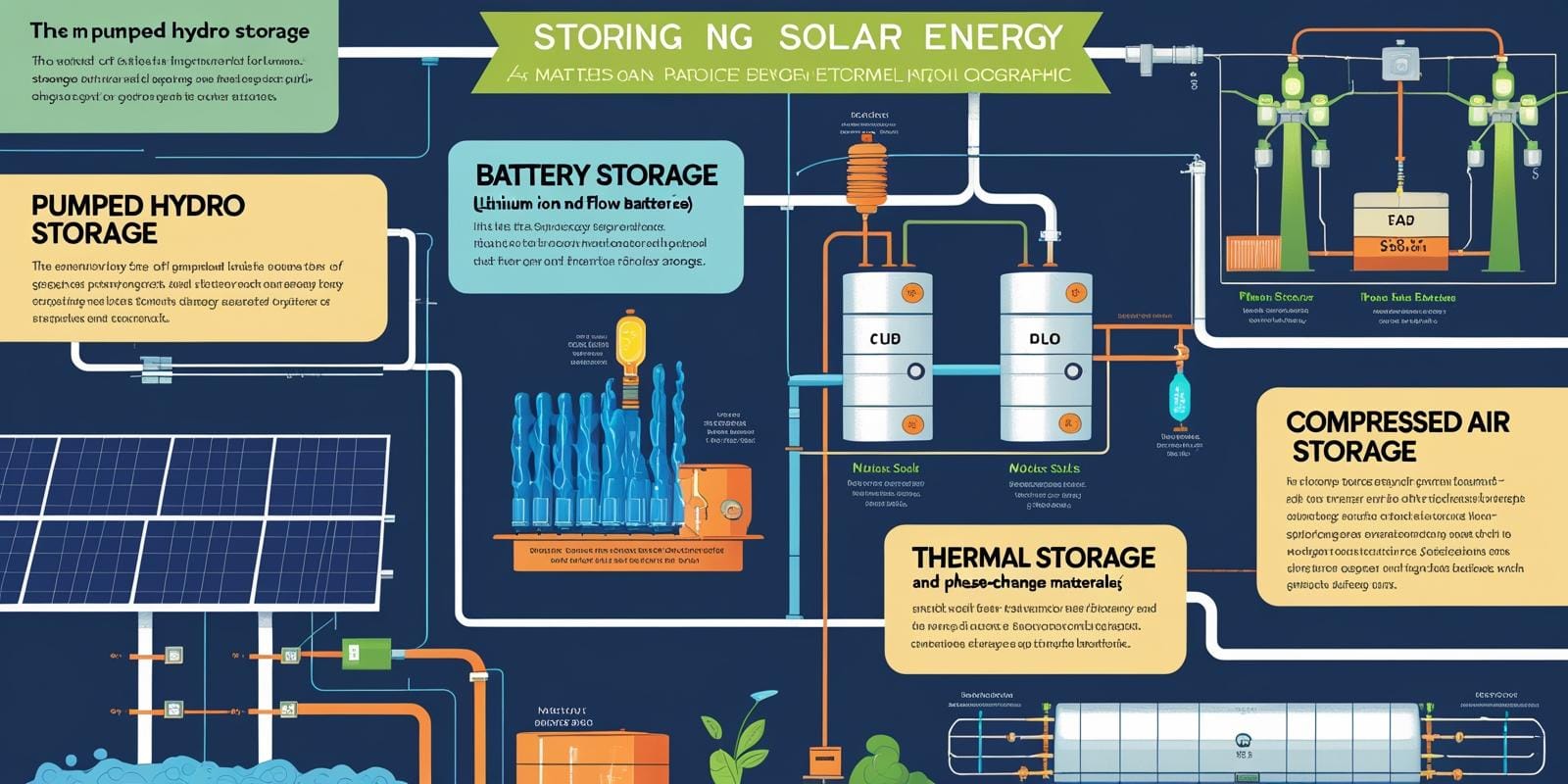
Are you curious about how to make the most of your solar energy? Understanding how to store solar energy can transform the way you power your home.
Imagine harnessing the sun’s energy during the day and using it whenever you need it, even at night. This not only saves you money but also helps you rely less on traditional energy sources. You’ll discover practical methods to store solar energy effectively, ensuring you have a steady supply when the sun isn’t shining.
Let’s dive into the world of solar energy storage and empower your energy independence!
Credit: catalystsales.ca
Solar Battery Storage
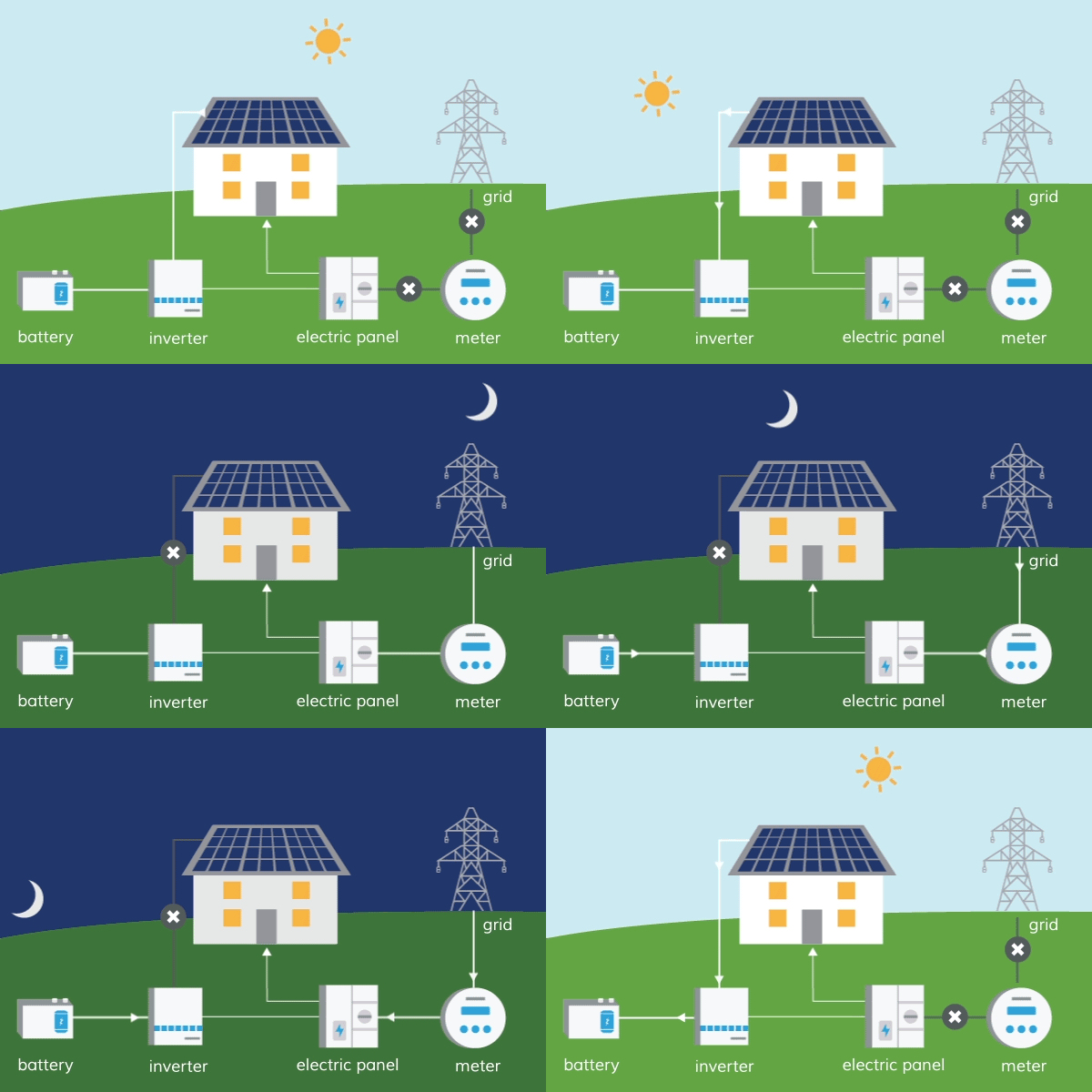
Storing solar energy is essential for using it later. Solar battery storage lets you keep excess energy from sunny days. This energy can power your home at night or during cloudy weather.
Types Of Solar Batteries
There are several types of solar batteries available. The most common types are lithium-ion, lead-acid, and saltwater batteries. Each type has different features and benefits.
Lithium-ion batteries are popular. They are efficient and last a long time. Lead-acid batteries are cheaper but have a shorter lifespan. Saltwater batteries are eco-friendly but less common.
Advantages Of Battery Systems
Battery systems offer many benefits. They provide energy independence. You can store energy and use it when you need it. This reduces reliance on the grid.
Solar batteries also help during power outages. They keep your lights on and your appliances running. Using stored energy can save money on electricity bills.
Cost And Lifespan Considerations
Cost is an important factor in choosing a solar battery. Prices vary based on the type and capacity of the battery. Lithium-ion batteries tend to be more expensive.
Lifespan matters too. Most batteries last between 5 to 15 years. It’s important to consider both cost and lifespan before buying.
Credit: www.intermtnwindandsolar.com
Thermal Energy Storage
Thermal energy storage is an innovative method to store solar energy for later use. This technology captures heat produced by solar collectors and stores it for times when the sun isn’t shining. Whether you’re considering it for your home or a larger commercial project, understanding how thermal energy storage works can lead to significant energy savings and efficiency.
How Thermal Storage Works
Thermal storage systems primarily use materials that can retain heat, such as water, molten salts, or concrete. During sunny days, these systems absorb heat generated by solar panels or collectors. The stored heat can then be released to provide warmth or hot water when needed, even during cloudy days or at night.
Systems can vary in complexity. Simple setups involve insulated water tanks, while more advanced systems utilize phase change materials (PCMs) that can store and release energy more efficiently. This adaptability makes thermal energy storage suitable for various applications.
Applications In Residential And Commercial Settings
In residential settings, thermal storage can provide hot water or maintain comfortable indoor temperatures. Imagine coming home after a long day to a warm house, all thanks to stored solar energy. A well-designed thermal storage system can significantly reduce your heating bills.
For commercial buildings, the benefits multiply. Businesses can use thermal energy storage to shift energy use to off-peak times, saving on electricity costs. In some cases, companies can even sell back excess stored energy to the grid, creating an additional revenue stream.
Efficiency And Maintenance
Thermal energy storage systems are known for their efficiency. They can store energy for long periods with minimal losses. However, proper maintenance is key to ensuring optimal performance.
- Regularly inspect insulation to prevent heat loss.
- Monitor fluid levels in water tanks to ensure effective heat retention.
- Schedule periodic checks for any leaks or wear in your system.
Investing in thermal energy storage not only benefits your energy consumption but also supports a more sustainable future. Are you ready to make the switch and harness the power of the sun for your heating needs?
Hydrogen Energy Storage
Hydrogen energy storage is a promising method to store solar energy. It helps in using solar power even when the sun is not shining. This method converts excess solar energy into hydrogen. The hydrogen can then be stored and used later.
Converting Solar Energy To Hydrogen
The process starts with solar panels. They capture sunlight and convert it into electricity. This electricity powers an electrolysis system. Electrolysis splits water into hydrogen and oxygen. The hydrogen gas is collected and stored in tanks. This stored hydrogen can produce energy later.
This conversion is efficient. It allows energy to be saved for future use. The stored hydrogen can power fuel cells. Fuel cells convert hydrogen back into electricity. This process emits only water vapor as a byproduct.
Benefits Of Hydrogen Storage
Hydrogen storage has several advantages. It provides a way to store large amounts of energy. Hydrogen can be stored for long periods. This makes it ideal for seasonal energy storage.
It is versatile. Hydrogen can be used in different sectors. Transportation, electricity generation, and heating can all benefit. Using hydrogen reduces reliance on fossil fuels. It supports a cleaner environment.
Challenges And Future Prospects
Despite its benefits, hydrogen storage faces challenges. The production process can be costly. Efficient electrolysis systems are still being developed.
Storage safety is a concern. Hydrogen is flammable and needs careful handling. Infrastructure for hydrogen storage and transport is limited.
Future research aims to address these issues. Advances in technology could lower costs. Improved safety measures will enhance public trust. Hydrogen energy storage has great potential. It may play a key role in a sustainable energy future.
Pumped Hydro Storage
Pumped hydro storage is a common method to store solar energy. It uses water to store energy for later use. This method is reliable and efficient. It helps balance energy supply and demand.
Mechanism Of Pumped Hydro
The process starts with two water reservoirs. One is higher than the other. During sunny days, excess solar energy is used to pump water uphill. This creates potential energy.
When energy is needed, the water flows back down. It spins turbines that generate electricity. This cycle can happen many times. It is a proven technology for energy storage.
Geographical Requirements
Pumped hydro storage needs specific locations. It requires large elevation differences between water bodies. Mountains or hills are ideal sites. Access to water sources is also crucial.
Many areas do not have these natural features. This limits where pumped hydro can be built. Planning is essential to find suitable locations.
Environmental Considerations
Pumped hydro storage can impact local ecosystems. Building reservoirs may flood land. This can affect wildlife and plants. Careful studies are needed before construction.
Some projects aim to minimize environmental harm. They focus on reducing flooding and preserving habitats. Sustainable practices help balance energy needs and nature.
Compressed Air Storage
Storing solar energy can be done through compressed air storage. This method uses excess energy to compress air in large tanks. Later, the stored air can be released to generate electricity when needed. It’s an effective way to manage energy supply and demand.
Compressed Air Storage is an innovative method for storing solar energy, allowing you to harness the sun’s power even when the sun isn’t shining. This technology uses compressed air to store energy, which can later be converted back into electricity. It’s a fascinating approach that combines efficiency with sustainability.
Basics Of Compressed Air Systems
Compressed air systems work by using electricity to compress air into a storage vessel. This stored air is kept under high pressure until it’s needed. When energy is required, the compressed air is released and allowed to expand, driving turbines that generate electricity. These systems can be set up in various ways, including underground caverns or above-ground tanks, depending on your available space and resources.
Integration With Solar Energy
Integrating compressed air storage with solar energy is straightforward. During sunny days, excess electricity generated from solar panels can be used to compress air. This means you’re not only using the solar energy as it’s produced but also storing it for later use. Think about your own energy consumption patterns. If you’re at work during the day, your solar system might produce more energy than you need. Using that excess energy to compress air for later use can significantly reduce your reliance on the grid.
Advantages And Limitations
Compressed air storage offers several advantages. – Scalability: You can easily scale the system to fit your energy needs. – Longevity: Compressed air systems can last for decades with minimal maintenance. – Eco-friendly: They provide a clean way to store and release energy. However, there are limitations to consider. – Efficiency: The process of compressing air can lose energy, often around 30-50%. – Space Requirements: Depending on the system size, you may need a significant amount of space for storage tanks. Balancing these pros and cons is essential. Are you ready to consider compressed air storage as a viable option for your solar energy needs?
Flywheel Energy Storage
Flywheel energy storage uses spinning discs to store energy. When solar panels generate power, this system captures and holds it. Later, the stored energy can be released when needed, providing a reliable way to use solar energy efficiently.
Flywheel energy storage is an innovative solution that captures and stores energy for later use. This technology has gained traction as a reliable method to store solar energy. By utilizing kinetic energy, flywheels provide quick access to stored power, making them particularly useful in balancing supply and demand.
How Flywheels Store Energy
Flywheels operate on a simple principle: they convert electrical energy into kinetic energy. When there’s excess solar power, the system spins a rotor at high speeds. This spinning rotor stores energy, which can be released back as electricity when needed. This process is efficient. The energy loss during storage is minimal, allowing for more effective use of solar power. You can think of it as having a battery that never really runs out, as long as you keep the rotor spinning.
Durability And Performance
Flywheels are known for their impressive durability. They can last for decades with minimal maintenance. This reliability makes them an attractive option for solar energy systems, where longevity is key to return on investment. Performance is another strong point. Flywheels can respond to changes in energy demand almost instantly. This capability is crucial when integrating renewable energy sources like solar, where output can fluctuate based on sunlight availability.
Adoption In Solar Systems
Many solar energy systems are beginning to adopt flywheel technology. This trend is driven by the need for efficient energy storage solutions. Utilities and businesses are increasingly looking to flywheels to help manage energy loads and ensure a stable power supply. Think about your own energy needs. Have you ever experienced a power outage during peak usage hours? Flywheels can help mitigate these issues by storing energy during low-demand periods. The transition to using flywheels in solar systems is not just a trend; it’s a step towards a more sustainable energy future. Wouldn’t you want to be part of that change?
Choosing The Right Storage Method
Storing solar energy is key to using it effectively. Many options exist, and each has benefits. Choosing the right method depends on several factors.
Factors To Consider
First, think about your energy needs. How much energy do you use daily? This helps determine the storage capacity. Next, consider your space. Some systems require more room than others.
Battery lifespan is important too. Some batteries last longer than others. Look at maintenance requirements. Some methods need regular checks, while others are low-maintenance.
Scalability And Cost
Consider the cost of the system. Some options are more affordable upfront but may cost more over time. Think about how much energy you want to store now and in the future.
Scalability matters. Some systems allow you to add more storage later. This flexibility can save money and meet your needs as they change.
Environmental Impact
Assess the environmental effects of your storage choice. Some batteries contain harmful materials. Look for options with fewer negative impacts.
Check if the materials are recyclable. Eco-friendly options are better for the planet. Every choice matters in reducing your carbon footprint.

Credit: momentum-electric.com
Conclusion
Storing solar energy is essential for using it effectively. Batteries are a popular choice for homes. They store energy from the sun for later use. Other options include thermal storage and pumped hydro systems. Each method has its pros and cons.
Choosing the right one depends on your needs. Understanding these options helps you make informed decisions. With proper storage, solar energy can power your home day and night. Embrace the benefits of solar energy. It is a smart choice for a sustainable future.