
Are you curious about how solar energy is harvested? You’re not alone.
With the growing emphasis on renewable energy, understanding solar power has never been more important. Imagine harnessing the sun’s rays to power your home or business—sounds incredible, right? You’ll discover the fascinating process of solar energy harvesting. We’ll break it down step by step, so you can easily grasp how it works.
From solar panels to energy conversion, you’ll learn the ins and outs of this sustainable energy source. By the end, you’ll not only appreciate the science behind solar energy, but you’ll also see how it can benefit you and your environment. Ready to dive in? Let’s get started!
Credit: greenbackercapital.com
The Science Behind Solar Power
Solar energy is a clean and renewable power source. It is harnessed from sunlight. Understanding how this process works is essential. This section explores the science behind solar energy. We will look at how sunlight converts to electricity.
Photovoltaic Effect Explained
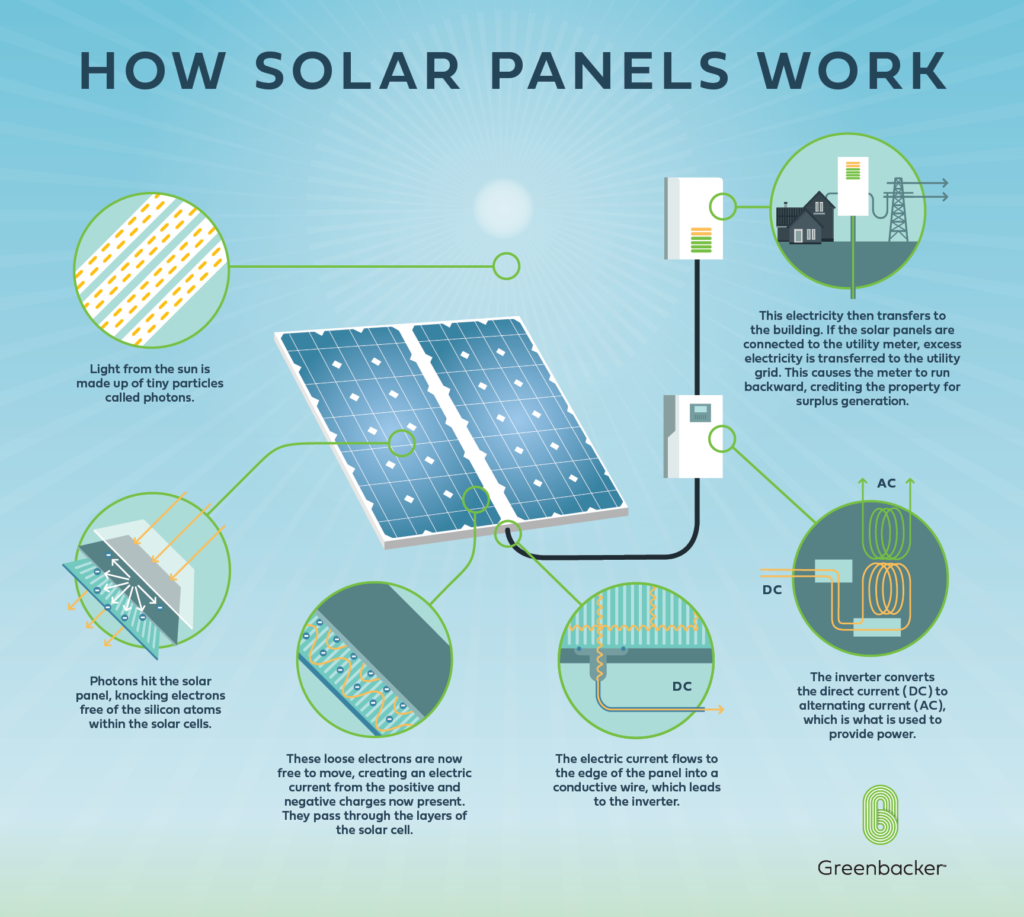
The photovoltaic effect is the key process in solar panels. It occurs in solar cells made of silicon. When sunlight hits these cells, it excites electrons. This movement creates an electric current.
Solar cells consist of two layers of silicon. One layer is positively charged. The other layer is negatively charged. The interaction between these layers generates electricity. This is how solar panels produce usable power.
Role Of Sunlight In Energy Conversion
Sunlight is the driving force behind solar energy. It contains photons, which are tiny particles of light. When photons strike the solar cells, they transfer energy. This energy is what powers the photovoltaic effect.
The more sunlight the cells receive, the more energy they produce. This makes location important for solar panels. Areas with high sunlight maximize energy production. Understanding this relationship helps in designing efficient solar systems.
Types Of Solar Energy Systems
Solar energy systems capture sunlight in different ways. Photovoltaic panels convert sunlight directly into electricity. Solar thermal systems use heat from the sun to produce energy. Each type helps harness solar power effectively for various needs.
Understanding the types of solar energy systems is crucial for anyone considering harnessing solar power. Each system has its own unique method of capturing and converting sunlight into usable energy. By knowing the differences, you can make informed decisions about which system suits your needs best.
Photovoltaic (pv) Systems
Photovoltaic systems are the most common type of solar energy system. They use solar panels made of silicon cells to convert sunlight directly into electricity. The process is quite straightforward. Sunlight hits the solar cells, creating an electric current. This current can power your home or be fed back into the grid. If you’ve ever seen solar panels on rooftops, you’ve encountered PV systems. They are versatile and can be installed on homes, schools, and businesses. These systems come in various sizes, from small, off-grid setups to large, utility-scale installations. Have you considered how much you could save on your energy bills by switching to PV?
Concentrated Solar Power (csp)
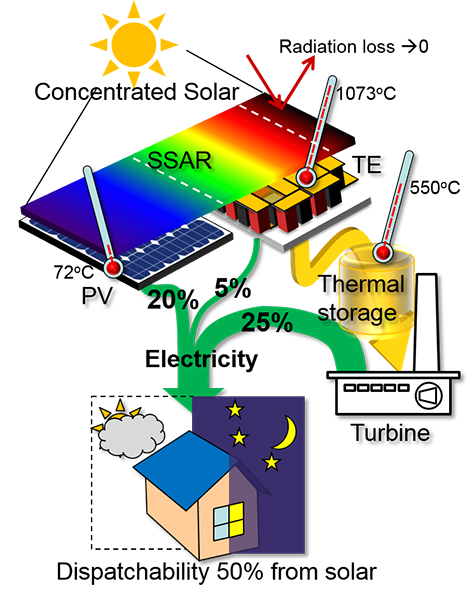
Concentrated Solar Power systems use mirrors or lenses to focus sunlight onto a small area. This concentrated light generates heat, which is then used to produce electricity. CSP systems are typically deployed in large-scale solar farms. They can store energy as heat, allowing for electricity generation even when the sun isn’t shining. One advantage of CSP is its efficiency in producing power during peak demand times. Think about the times when you need energy the most. Wouldn’t it be great to have a system that can deliver power right when you need it?
Hybrid Solar Systems
Hybrid solar systems combine different energy sources to maximize efficiency. They may integrate solar panels with wind turbines or a backup generator. These systems offer flexibility. If one source isn’t producing enough energy, the other can pick up the slack. This can be particularly beneficial in areas with variable weather conditions. Imagine reducing your carbon footprint while ensuring a steady energy supply. Isn’t it comforting to know that you have multiple options working for you? Each type of solar energy system has its strengths and can cater to different needs. Assess your energy requirements and environmental goals to determine which system aligns best with your lifestyle.
Key Components Of Solar Technology
Solar energy is a clean and renewable power source. Understanding its key components helps us see how it works. Solar technology includes several important parts that work together. Each part plays a crucial role in capturing and using solar energy.
Solar Panels And Cells
Solar panels are the most visible part of solar technology. They are made up of many solar cells. These cells convert sunlight into electricity. Most solar cells use silicon, a common element. When sunlight hits the cells, it creates an electric field. This process is called the photovoltaic effect. More sunlight means more electricity. Solar panels are often placed on rooftops or in open fields. They need to face the sun for maximum energy capture.
Inverters And Batteries
Inverters are essential for solar energy systems. They change direct current (DC) into alternating current (AC). AC is the type of electricity used in homes. This allows us to power our appliances. Batteries store excess energy generated during the day. They provide power when the sun is not shining. This helps in using solar energy efficiently. A good battery system can make solar energy reliable.
Mounting Systems
Mounting systems hold solar panels in place. They ensure panels stay secure and at the right angle. The right angle maximizes sunlight exposure. There are different types of mounts. Fixed mounts are stable but limit movement. Adjustable mounts can tilt panels for better energy capture. Ground mounts are also popular for larger installations. Proper mounting is vital for the performance of solar panels.
Steps In Solar Energy Harvesting
Solar energy harvesting involves several key steps. First, sunlight hits solar panels, which convert light into electricity. Next, this electricity is stored in batteries or used directly. Finally, it powers homes and businesses, providing clean energy.
Harvesting solar energy involves a series of well-defined steps that convert sunlight into usable electricity. Understanding these steps can empower you to make informed choices about solar energy solutions for your home or business. Let’s break down the process into three essential stages: capturing sunlight, converting light to electricity, and storing and distributing energy.
Capturing Sunlight
Solar panels, or photovoltaic (PV) cells, are the first line of action in harvesting solar energy. These panels are usually installed on rooftops or open fields where sunlight exposure is maximized. – Material matters: Most solar panels are made from silicon, which is a highly effective material for capturing sunlight. – Angle and placement: The angle and direction of the panels significantly influence the amount of sunlight they capture. You should consider adjusting your panels based on the season and time of day for optimal efficiency. Have you noticed how the sun moves across the sky? Understanding its path can help you optimize your solar panel setup.
Converting Light To Electricity
Once sunlight is captured, it needs to be converted into electricity. This is where the magic happens. – Photovoltaic effect: The PV cells generate direct current (DC) electricity when exposed to sunlight. – Inverters’ role: An inverter then converts this DC electricity into alternating current (AC), which is the type of electricity used in homes and businesses. This conversion is crucial. It transforms raw energy into a form that powers your lights, appliances, and electronics. Have you ever thought about how much energy your daily activities consume?
Storing And Distributing Energy
After conversion, the electricity can be stored or distributed for immediate use. – Batteries for storage: Solar batteries store excess energy generated during peak sunlight hours. This stored energy can be used during cloudy days or at night. – Grid connection: If you’re connected to the grid, any surplus energy can be sent back, and you might even earn credits on your electricity bill. Understanding your energy storage options allows you to maximize your solar investment. Are you ready to harness the power of the sun and make a positive impact on your energy consumption?
Applications Of Solar Energy
Solar energy is harvested using solar panels that convert sunlight into electricity. These panels contain cells made of silicon, which absorb sunlight. This process generates energy that can power homes, businesses, and more. Solar energy is a clean and renewable resource, making it a popular choice for sustainable living.
Solar energy has become a vital resource for many sectors of society. Its applications are diverse, ranging from homes and businesses to agriculture and remote areas. Understanding how solar energy can be harnessed in various contexts can help you make informed decisions about using this clean energy source.
Residential And Commercial Use
Many homeowners and businesses are turning to solar panels to reduce their energy bills. Installing solar panels on rooftops can significantly cut electricity costs. Consider this: a family that switched to solar energy saved nearly 30% on their monthly bills. Businesses benefit too. Companies can reduce operational costs and enhance their sustainability profile. Investing in solar energy can lead to substantial savings and a positive environmental impact.
Industrial And Agricultural Use
Industries are also leveraging solar energy to power operations. Factories can install solar farms to meet energy needs. This shift can lower production costs and improve energy efficiency. Agriculture is seeing innovative uses of solar power. Farmers are using solar panels to power irrigation systems, reducing reliance on traditional power sources. Imagine a farmer who saves thousands each year by using solar energy for irrigation. This not only boosts profit margins but also promotes sustainable farming practices.
Solar In Remote Locations
Solar energy is a game-changer in remote areas. Many communities without access to the grid are turning to solar power to meet their energy needs. Portable solar kits allow people to generate electricity for lighting, cooking, and communication. Have you ever thought about how a small solar panel can change lives in off-grid locations? This technology empowers individuals and enhances their quality of life. By harnessing solar energy, remote communities can achieve greater independence and sustainability. With the growing availability of solar solutions, the possibilities are endless.
Credit: techxplore.com
Benefits Of Solar Energy
Solar energy offers many benefits. It is clean, renewable, and abundant. People can harness it for electricity and heating. Understanding these benefits can encourage more use of solar energy.
Environmental Impact
Solar energy has a positive effect on the environment. It reduces greenhouse gas emissions. Fewer emissions mean cleaner air and water. Solar power helps fight climate change. Using solar panels decreases reliance on fossil fuels. This leads to less pollution and a healthier planet.
Cost-effectiveness
Solar energy can save money in the long run. Initial costs can be high, but prices have dropped. Many solar panels last over 25 years. Homeowners can lower their electricity bills. Some places offer tax incentives for solar installation. This makes solar energy more affordable.
Energy Independence
Solar energy promotes energy independence. It reduces reliance on imported fuels. Countries can generate their own power. This leads to more stable energy prices. Solar energy can enhance national security. Local energy production creates jobs. It helps communities thrive.
Challenges In Solar Energy Adoption
Solar energy is collected through solar panels that convert sunlight into electricity. Challenges in adopting this clean energy include high initial costs, limited space, and the need for reliable storage. Understanding these obstacles can help improve solar energy use in homes and businesses.
Adopting solar energy offers a promising path to a sustainable future, yet several challenges remain. Understanding these hurdles can empower you to make informed decisions about solar energy. Let’s dive into some of the key challenges that impact the widespread use of solar technology.
Weather And Efficiency
Weather plays a significant role in solar energy efficiency. Cloudy days and rainy weather can drastically reduce solar panel output. If you live in an area with frequent overcast conditions, you might wonder how reliable solar panels will be for your energy needs. While solar technology has improved, the efficiency of panels typically ranges between 15% to 22%. This means a considerable amount of sunlight is still not converted into usable energy.
Initial Installation Costs
The upfront costs of solar energy systems can be daunting. Installing solar panels often requires a significant investment. Many people hesitate to make this leap due to the high initial costs, even though solar energy can save money in the long run. Financing options, rebates, and tax incentives are available, but they can be complex. Understanding these financial tools is crucial for maximizing your savings.
Energy Storage Limitations
Energy storage is another critical factor in solar energy adoption. Solar panels generate energy during the day, but what happens when the sun goes down? Without a reliable storage system, you might find yourself without power at night. Current battery technologies are improving but can be expensive and may not store enough energy for long periods. Consider your energy consumption habits. Are there times when you would need power most? Evaluating your needs can help you choose the right energy storage solution. The challenges in solar energy adoption are real, but they can be navigated with the right knowledge and tools. What steps can you take today to overcome these hurdles in your own solar journey?
Future Of Solar Energy
The future of solar energy looks bright. More people are using solar power every year. Technology is improving. Costs are decreasing. This change is good for our planet and our wallets.
Advancements In Technology
New technologies make solar panels more efficient. Solar cells can now capture more sunlight. Researchers are working on better materials. These materials can increase energy output. Batteries are also getting better. They store more energy for when the sun isn’t shining.
Smart technology helps manage energy use. Homes can use solar power more effectively. People can save money on energy bills. These advancements mean solar energy is more accessible for everyone.
Policies And Incentives
Governments are creating policies to support solar energy. Many countries offer tax credits for solar panel installations. These incentives make it cheaper for homeowners. More people are choosing solar power because of this help.
Some areas have renewable energy mandates. These laws require a certain amount of energy to come from solar. Such policies encourage investment in solar projects. Businesses see solar energy as a smart choice.
Global Trends In Solar Adoption
Solar energy is growing around the world. Countries are investing heavily in solar farms. Nations are moving away from fossil fuels. They want cleaner energy sources.
In many places, solar power is becoming the main energy source. Cities are installing solar panels on rooftops. Communities are working together to adopt solar energy. This trend shows a strong commitment to sustainability.

Credit: www.researchgate.net
Conclusion
Solar energy is a powerful resource. It comes from the sun and can be used in many ways. Harvesting solar energy helps reduce electricity bills and lowers carbon footprints. Understanding this process is important for a cleaner future. Many homes and businesses are now using solar panels.
This shift shows a growing awareness of renewable energy. Embracing solar energy can lead to a more sustainable world. Making small changes today can make a big difference tomorrow. Every step counts in protecting our planet. Choose solar energy for a brighter, greener future.