
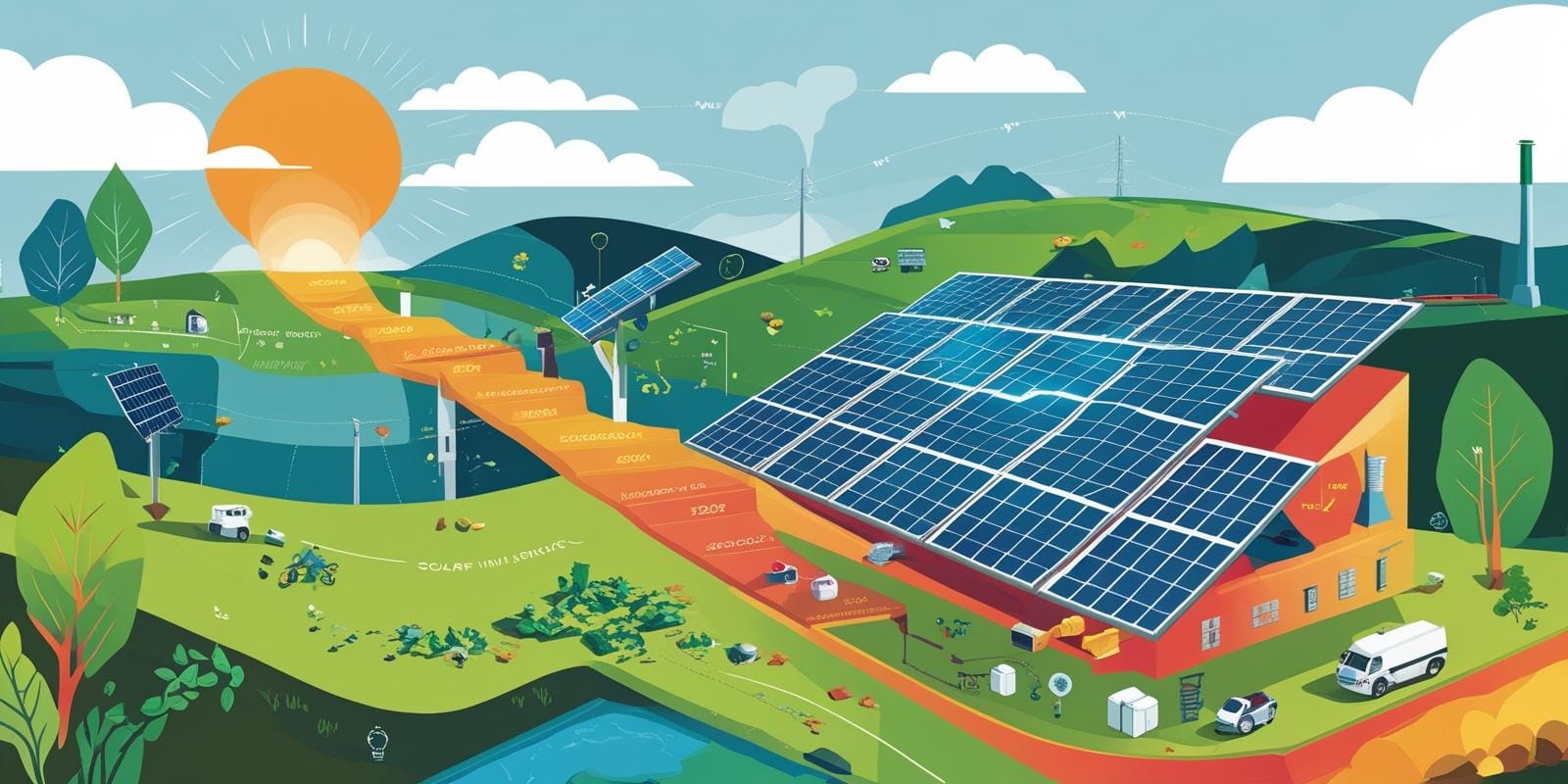
Are you curious about the longevity of solar energy? You’re not alone.
Many people wonder how long this renewable resource can truly last and what it means for your home and the environment. Solar energy has gained popularity as a sustainable option, but there are still questions about its reliability and lifespan.
We will explore the factors that influence the durability of solar energy, including technology advancements, environmental impact, and maintenance tips. By the end, you’ll have a clearer understanding of how solar energy can benefit you now and in the future. Let’s dive in and uncover the potential of solar energy for your life!
Credit: solar-inone.com
The Lifespan Of Solar Panels
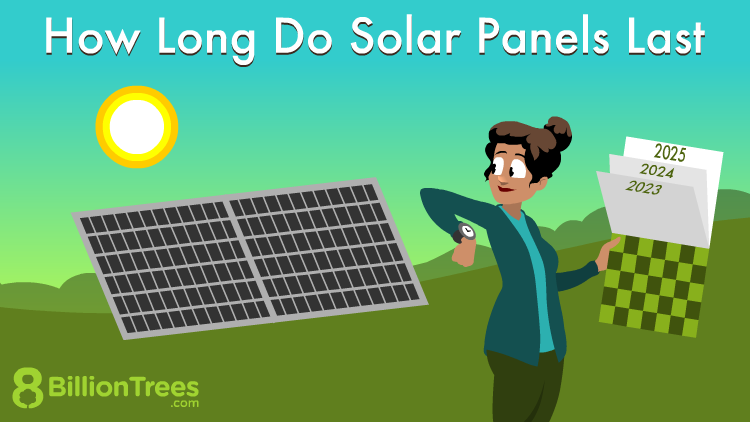
Solar panels are built to last. Most panels have a lifespan of 25 to 30 years. They can still produce energy after this time. Knowing how long solar panels last helps you plan your investment. Understanding their durability is crucial for homeowners. This section explores factors affecting solar panel lifespan.
Factors Affecting Panel Durability
Many factors influence how long solar panels last. The materials used in their construction play a big role. High-quality materials resist weather and wear better. Exposure to harsh weather can shorten their lifespan. Areas with heavy snow or hail may see more damage.
Installation quality also matters. Proper installation ensures that panels are secure. A poorly installed panel may suffer from issues sooner. Regular inspections help catch problems early. These actions can extend the life of your solar system.
Advancements In Panel Technology
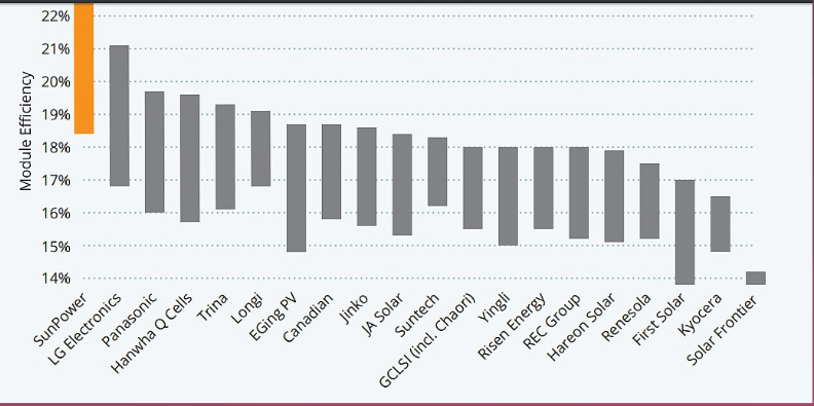
Technology in solar panels is improving. Newer panels are often more efficient and durable. They can withstand severe weather better than older models. Manufacturers are focusing on longevity in their designs. Enhanced warranties also reflect these improvements.
Some panels now feature protective coatings. These coatings help resist scratches and damage. As technology advances, the durability of solar panels improves. This gives homeowners more confidence in their solar investment.
Maintenance For Extended Life
Regular maintenance can help solar panels last longer. Clean panels capture more sunlight. Dirt and debris can block sunlight and reduce efficiency. Simple cleaning can improve energy output significantly.
Check for any visible damage regularly. Look for cracks or loose connections. Addressing these issues quickly can prevent bigger problems. A well-maintained solar system will serve you better over the years.
Credit: highnoonsolar.com
Solar Energy As A Renewable Resource
Solar energy is a clean and sustainable source of power. It comes from the sun, which shines every day. This energy can help reduce reliance on fossil fuels. It can also lower greenhouse gas emissions. Solar power is a key player in fighting climate change.
Many people ask how long solar energy will last. Understanding its longevity is important. It helps in making smart energy choices. Let’s explore the sun’s lifespan and the energy output over time.
The Sun’s Lifespan
The sun is about 4.6 billion years old. It is expected to shine for another 5 billion years. This gives us a long time to harness solar energy. The sun will eventually run out of fuel. But that won’t happen for a very long time.
Energy Output Over Time
The sun emits a vast amount of energy every second. Earth receives only a tiny fraction of this energy. Solar panels can convert sunlight into electricity. Their efficiency varies, but they can produce power for decades. Most solar panels last 25 to 30 years. They can still generate some energy after that. Regular maintenance helps extend their lifespan.
Limitations Of Solar As A Resource
Solar energy has limitations. It depends on sunlight. Areas with little sunlight may not benefit much. Solar panels cannot produce energy at night. Cloudy days reduce energy output. Storage solutions can help, but they add costs. Weather and climate affect solar energy’s reliability.
Global Adoption And Infrastructure
The rapid rise of solar energy is reshaping how we think about power generation. As countries across the globe embrace solar technologies, the infrastructure supporting this shift is evolving. Understanding this global adoption and its infrastructure is crucial for grasping how long solar energy will last.
Growth Of Solar Power Worldwide
Over the last decade, the growth of solar power has been remarkable. Countries like China, the United States, and Germany have led the charge, significantly increasing their solar capacity. In 2022 alone, solar installations worldwide surpassed 200 gigawatts, showcasing a clear trend toward cleaner energy.
Have you noticed solar panels popping up in your neighborhood? Many homeowners are recognizing the long-term savings and environmental benefits. This grassroots movement fuels a larger commitment to renewable energy across the globe.
Integration With Existing Power Grids
Integrating solar energy into existing power grids is a game-changer. It allows for cleaner energy sources while reducing reliance on fossil fuels. Countries are investing in smart grid technologies to manage the influx of solar power efficiently.
Consider how often you see solar panels in urban areas. Cities are adapting their infrastructure to accommodate this shift, ensuring that solar power can be harnessed effectively. This integration not only supports sustainability but also enhances energy security.
Challenges In Scaling Solar Systems
Despite the positive momentum, scaling solar systems presents challenges. One significant hurdle is the intermittency of solar energy. The sun doesn’t shine all the time, which requires solutions for energy storage and distribution.
Additionally, the initial costs of installation can be daunting for many. However, government incentives and technological advancements are making solar more accessible. Are you considering solar energy for your home or business? Understanding these challenges helps you make informed decisions.
The path to a solar-powered future is promising, but it also demands careful planning and innovation. By engaging with these challenges, we can ensure that solar energy remains a viable and lasting resource for generations to come.
Innovations Shaping Solar’s Future
Solar energy is changing fast. New technologies are making solar power better and more efficient. These innovations promise to extend the life of solar energy. They will also make it more accessible for everyone. Let’s explore some key areas shaping the future of solar energy.
Emerging Solar Technologies
New solar panels are being developed every day. Bifacial solar panels can capture sunlight from both sides. This increases energy production. Thin-film technology is lighter and more flexible. It can fit on different surfaces easily.
Perovskite solar cells are gaining attention. They can produce energy at a lower cost. They are also easier to manufacture. These advancements can make solar energy more affordable for homes and businesses.
Storage Solutions For Longevity
Energy storage is crucial for solar power. Batteries store excess energy for later use. Lithium-ion batteries are popular but expensive. New types of batteries are being tested. Solid-state batteries promise longer life and safety.
Flow batteries can store large amounts of energy. They can last longer than traditional batteries. This technology can keep solar energy flowing even when the sun isn’t shining.
Artificial Intelligence In Energy Management
Artificial intelligence (AI) is changing energy management. AI can predict energy needs and optimize usage. Smart grids can balance energy supply and demand. This leads to better efficiency.
Machine learning helps in maintenance. It can detect issues before they become serious. This keeps solar systems running smoothly for longer periods. AI will play a key role in managing solar energy in the future.
Environmental And Economic Impacts
Solar energy is not just a sustainable power source; it also brings significant environmental and economic benefits. Understanding these impacts helps you appreciate the broader implications of adopting solar technology. Let’s dive into how solar energy affects our planet and economy.
Reducing Carbon Footprints
Using solar energy dramatically cuts down on greenhouse gas emissions. Unlike fossil fuels, which release harmful pollutants, solar power generates electricity cleanly and efficiently.
Transitioning to solar can lower your carbon footprint significantly. Households that switch to solar can save approximately 3 to 4 tonsof carbon dioxide annually. Imagine the cumulative effect if millions of homes make the switch!
Every solar panel installed contributes to a healthier environment. You are not just saving on your electricity bill; you are also helping combat climate change.
Cost Trends Of Solar Energy
The costs associated with solar energy have been on a steady decline. In the past decade, the price of solar panels has dropped by over 80%.
As technology advances, the efficiency of solar panels continues to improve. This means you can produce more energy with fewer panels, further reducing your investment.
Many governments offer incentives to encourage solar adoption, making it even more affordable. You can take advantage of tax credits or rebates to offset installation costs.
Job Creation In The Solar Sector
The solar industry is one of the fastest-growing job markets today. As more people turn to solar energy, new jobs are being created in manufacturing, installation, and maintenance.
In 2022 alone, the solar sector added over 250,000 jobsin the U.S. This growth provides opportunities for skilled workers and those looking to enter the workforce.
Getting involved in solar energy isn’t just beneficial for the environment; it also supports local economies. You can contribute to job creation in your community while enjoying the benefits of clean energy.
Have you considered the impact your energy choices have on the environment and the economy? Making the switch to solar can lead to a brighter future for both you and the planet.
Credit: www.greenmatch.co.uk
The Role Of Policy And Investment
The future of solar energy heavily relies on the role of policy and investment. Your local and national governments, along with private companies, play a significant part in shaping the solar landscape. Understanding their influence can help you grasp how long solar energy will last and how it can benefit your community.
Government Initiatives And Incentives
Government actions can make or break solar energy adoption. Many countries offer tax credits, grants, and rebates to encourage homeowners and businesses to switch to solar.
- In the U.S., the Investment Tax Credit (ITC) allows you to deduct a percentage of the cost of installing solar systems from your federal taxes.
- Countries like Germany have implemented feed-in tariffs that guarantee fixed payments for solar electricity producers.
Such initiatives not only help reduce the initial costs but also promote long-term investments in solar technology. Have you ever thought about how much more accessible solar energy could become with better policies?
Private Sector Contributions
The private sector is also crucial in pushing solar energy forward. Companies invest in research and development to create more efficient solar panels and storage systems.
Many big tech firms are committing to 100% renewable energy. This sets a positive trend and encourages smaller companies to follow suit. Your next smartphone may even be powered by solar energy in the future!
Have you noticed how solar companies are becoming more competitive? This results in better prices and innovative solutions for consumers like you.
Global Collaboration For Solar Expansion
Solar energy knows no borders. International collaborations among countries and organizations can accelerate solar technology development and distribution.
Initiatives like the Solar Alliance and various climate agreements bring nations together to share resources and knowledge. You can see how these partnerships lead to cheaper solar technology globally.
Have you considered how local actions can contribute to a global movement? Each step you take toward solar energy not only benefits you but also helps the planet.
Conclusion
Solar energy has a bright future ahead. It offers clean power for many years. The technology keeps improving, making solar panels more efficient. They can last 25 years or more with proper care. Solar energy helps reduce pollution and fight climate change.
Many countries invest in this renewable source. As we use more solar power, we build a sustainable future. Embracing solar energy today will benefit generations to come. Consider making the switch and enjoy the long-term advantages. Together, we can create a cleaner, brighter world.