

Imagine a world where your energy bills are significantly lower, and you’re contributing to a cleaner planet. This isn’t just a dream; it’s possible by harnessing solar energy.
You might be wondering how this can be done and what it means for your daily life. Solar energy is a powerful resource that can transform the way you use electricity, making it more sustainable and cost-effective. You’ll discover practical ways to tap into solar energy, learn about its benefits, and find out how it can fit into your lifestyle.
Whether you’re a homeowner, a business owner, or just curious about renewable energy, the potential of solar power is exciting. Let’s explore how you can take advantage of this abundant resource and make a positive impact on your wallet and the environment. Your journey toward a brighter, greener future starts here!
The Basics Of Solar Power
The world is shifting towards renewable energy sources, and solar power stands out as a leading option. Understanding the basics of solar energy can empower you to make informed decisions about harnessing this clean, sustainable resource. Let’s break down the essential components that make solar power accessible and beneficial for everyone.
How Solar Panels Work
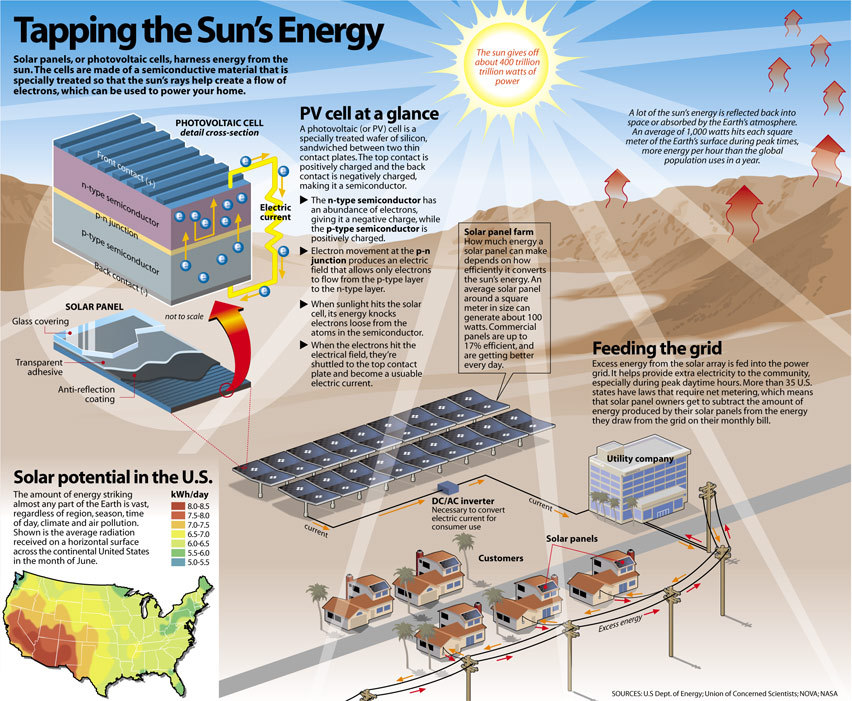
Solar panels capture sunlight and convert it into electricity. Each panel consists of many solar cells made from semiconductor materials, typically silicon. When sunlight hits these cells, it excites electrons, generating an electric current.
This process is known as the photovoltaic effect. The electricity generated can be used immediately or stored in batteries for later use. Think about your own electricity bills—reducing them can be as simple as installing solar panels.
Types Of Solar Technologies
There are several types of solar technologies to consider:
- Photovoltaic (PV) Systems:These are the most common and convert sunlight directly into electricity.
- Solar Thermal Systems:They capture heat from the sun, which can be used for heating water or spaces.
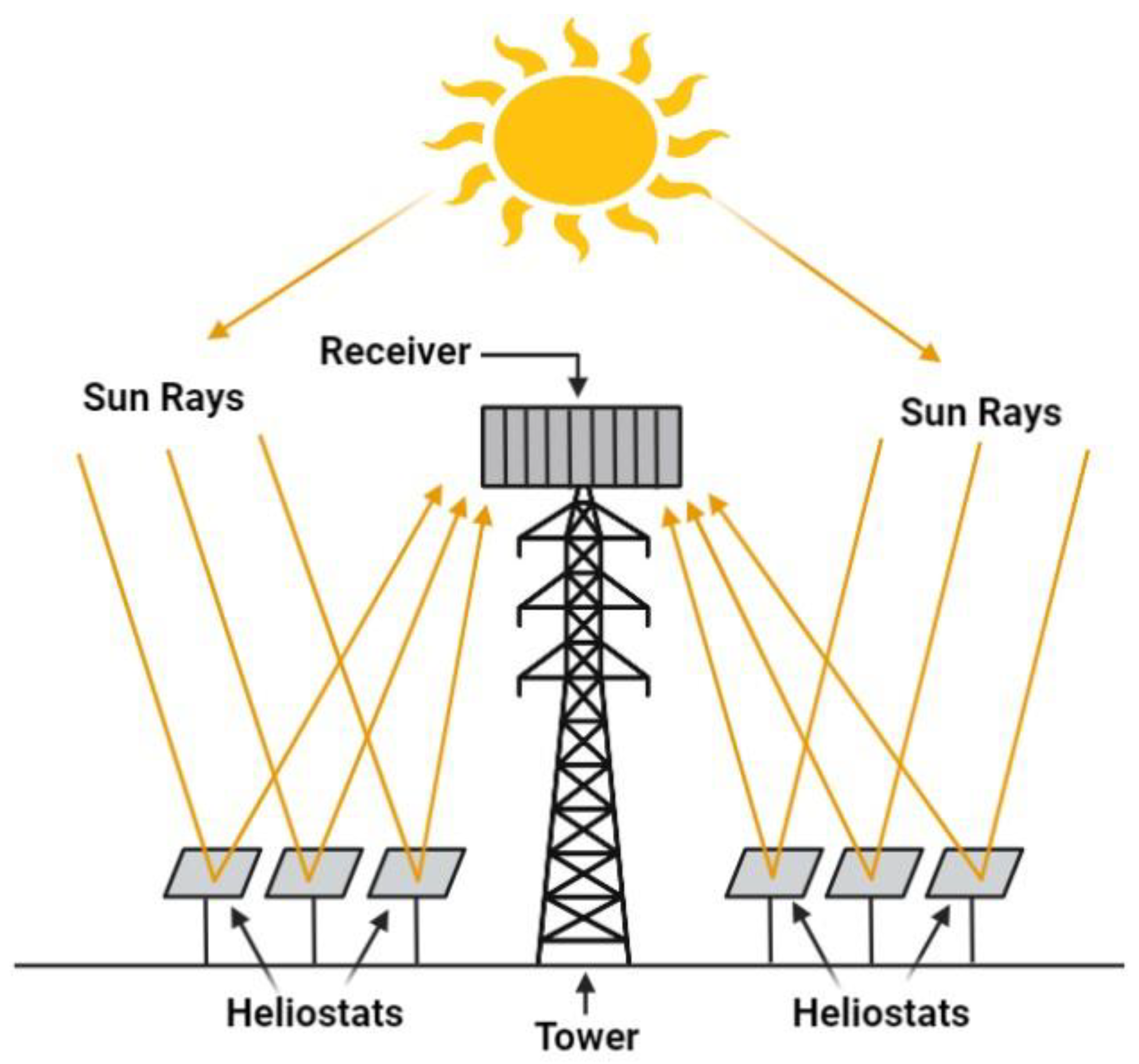
- Concentrated Solar Power (CSP):This technology uses mirrors or lenses to focus sunlight, producing steam that drives a turbine.
Each technology has its unique advantages. You might find that a combination of these options works best for your needs and location.
Benefits Of Solar Energy
Solar energy offers numerous benefits. First, it reduces your carbon footprint, contributing to a healthier planet. Shifting to solar power means you rely less on fossil fuels, which are harmful to the environment.
Cost savings are another significant advantage. Many homeowners see a decrease in their electricity bills within months of installation. Have you thought about how much you could save over the years?
Additionally, solar energy can increase your property value. Homes with solar installations often sell for more than similar homes without them. Investing in solar power is not just good for the planet; it’s good for your wallet too.
Understanding the basics of solar power can open up a world of possibilities for you. Whether you’re looking to save money, help the environment, or increase your home’s value, solar energy has something to offer. Have you considered how solar energy could change your life?
Credit: green.org
Applications Of Solar Energy
Solar energy is a powerful resource. It can be used in many ways. People can use it at home, in businesses, and even in remote areas. Understanding these applications helps us see its benefits. Let’s explore how solar energy can be harnessed effectively.
Residential Solar Solutions
Homeowners can benefit from solar energy. Solar panels can be installed on roofs. These panels capture sunlight and convert it into electricity. This reduces monthly energy bills. Some homes even sell excess energy back to the grid.
Solar water heaters are another option. They use sunlight to heat water for daily use. This system is efficient and saves money on heating costs. Many families find this useful for showers and laundry.
Commercial And Industrial Use
Businesses are also adopting solar energy. Large buildings can install solar panels on rooftops. This setup helps to lower energy expenses significantly.
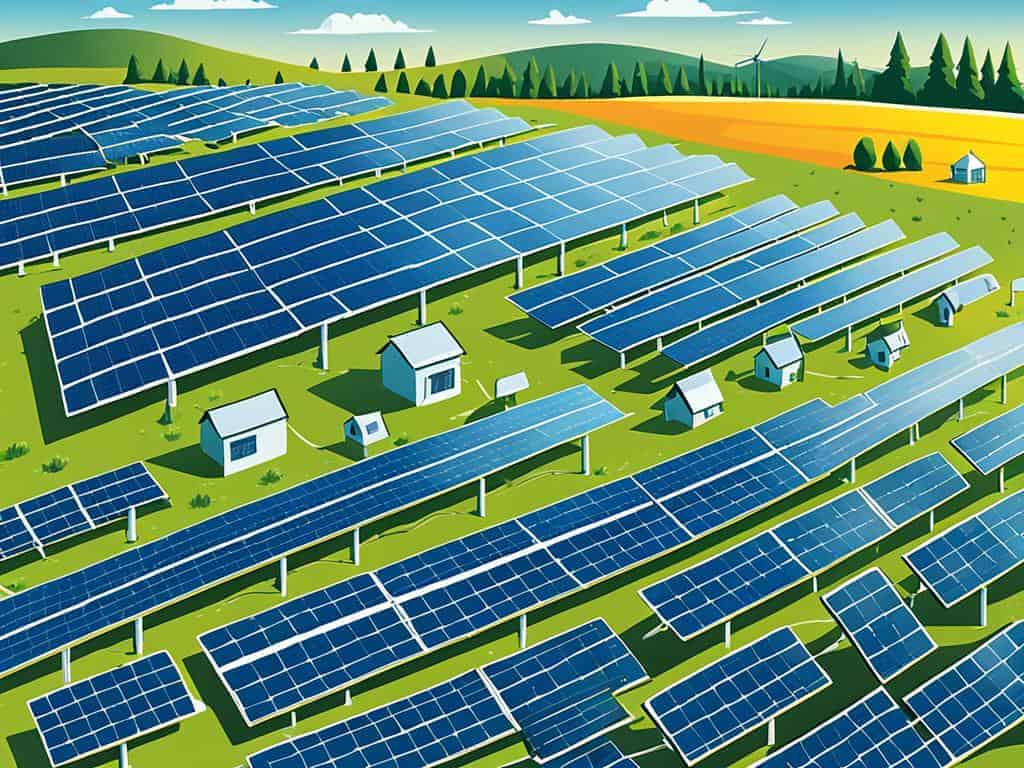
Companies can invest in solar farms. These farms generate large amounts of electricity. They can supply power to multiple locations. Many industries appreciate the environmental benefits of solar energy.
Off-grid Solar Systems
Off-grid solar systems provide energy in remote areas. These systems work independently of the grid. They are ideal for places without reliable electricity.
Camping sites and cabins often use off-grid solar. These systems keep lights and appliances running. They allow people to enjoy modern comforts in nature.
Farmers can also benefit from off-grid solar solutions. They can power irrigation systems and livestock facilities. This enhances productivity while reducing costs.
Advancements In Solar Technology
Solar technology is changing fast. New ideas make solar energy better. These advancements help us use the sun’s power more efficiently. We can now capture more sunlight and store it for later use. This change benefits homes and businesses. Let’s look at some key advancements in this field.
Next-generation Solar Panels
New solar panels are smaller and more efficient. They can capture sunlight better than older models. Some panels use special materials like perovskite. This material is cheaper and easier to make. These panels can also work in low light. This means they can produce energy on cloudy days.
Many companies are making flexible solar panels. These can fit on roofs and even clothes. This opens new possibilities for solar energy use.
Energy Storage Innovations
Storing energy has improved a lot. New batteries can hold more power and last longer. They can store energy from solar panels for later use. This makes solar energy more reliable. Homeowners can use stored energy at night. This means less reliance on the grid.
Some batteries are even designed for fast charging. This helps in emergencies when power is needed quickly. These innovations make solar energy a practical choice for everyone.
Smart Solar Grids
Smart solar grids connect homes and businesses. They share energy and information in real-time. This helps balance supply and demand. Homes can sell extra energy back to the grid. This creates a community energy network.
Smart technology can also predict energy needs. This helps reduce waste and improve efficiency. With smart solar grids, we can make better use of solar energy.
Credit: blog.feniceenergy.com
Challenges In Solar Adoption
Solar energy has great potential. Yet, many face challenges in using it. Understanding these obstacles can help us find solutions. Let’s explore some of the main challenges in solar adoption.
Cost And Investment Barriers
The initial cost of solar panels can be high. Many people cannot afford this investment. Although prices have dropped, upfront costs remain a concern. Financing options exist, but not everyone knows about them.
Government incentives help reduce costs. Yet, these programs vary by location. Some regions offer more support than others. This inconsistency can confuse potential solar users.
Geographical Limitations
Not all areas receive the same amount of sunlight. Regions with less sunlight may struggle to use solar energy effectively. Weather patterns can also affect solar efficiency. Cloudy days can reduce energy production.
Some places have strict regulations on installations. Local laws can limit where solar panels can go. These geographical challenges hinder solar growth in many areas.
Energy Efficiency Concerns
Solar energy is not always efficient. Energy storage systems can be costly. Batteries are needed to store energy for later use. Many people find these systems expensive and complicated.
Some solar panels may not produce enough energy. This can lead to reliance on traditional energy sources. Balancing energy needs with solar output is essential for users.
Integrating Solar With Other Renewables
Combining solar energy with other renewable sources can create a balanced energy system. Wind, hydro, and solar can work together to reduce reliance on fossil fuels. This mix enhances energy reliability and sustainability, making it easier to meet demand.
Integrating solar energy with other renewable sources is a powerful strategy to create a more sustainable energy future. By combining solar with other forms of energy, we can enhance efficiency and reliability while reducing our carbon footprint. Let’s dive into some effective ways to blend solar energy with other renewables.
Hybrid Energy Systems
Hybrid energy systems combine solar power with traditional energy sources like wind or biomass. These systems can optimize energy production throughout the day and night. Imagine you live in an area with lots of sunshine during the day and strong winds at night. A hybrid system that uses both solar panels and wind turbines can provide you with a continuous energy supply. This versatility not only meets your energy needs but also increases the resilience of the grid. When one source is underperforming, the other can step in to fill the gap.
Complementing Wind And Hydro
Integrating solar with wind and hydro energy can lead to a balanced energy mix. Each of these sources has its peak production times. For instance, while solar energy peaks during sunny days, wind energy often thrives at night. Hydro power can be generated year-round, especially in regions with flowing rivers. By combining these sources, you can ensure a steady energy supply. This reduces the likelihood of energy shortages and stabilizes prices for consumers. Have you considered how local geography affects which renewable sources can work best together?
Reducing Dependence On Fossil Fuels
Using solar energy in conjunction with other renewables can significantly lower our reliance on fossil fuels. This shift not only benefits the environment but also enhances energy security. By diversifying your energy sources, you lessen the impact of fluctuating fossil fuel prices. This means more predictable energy costs for you as a consumer. Communities that embrace this approach can transform their energy landscape. Imagine a neighborhood powered by a mix of solar, wind, and hydro energy, thriving without the pollution associated with fossil fuels. What would it take for your community to adopt a similar model? Integrating solar energy with other renewables creates a more sustainable, reliable, and efficient energy future. By harnessing the strengths of each energy source, we can pave the way for a cleaner world.
Role Of Governments And Policies
Governments play a crucial role in promoting solar energy. Effective policies can encourage investment and innovation in solar technology. Supportive regulations and incentives help communities adopt clean energy solutions, making solar power more accessible for everyone.
The role of governments and policies in harnessing solar energy is crucial. They can set the stage for large-scale adoption through regulations, incentives, and support programs. By creating a favorable environment, governments can encourage both individuals and businesses to invest in solar technology.
Subsidies And Tax Incentives
Governments worldwide offer subsidies and tax incentives to make solar energy more accessible. These financial benefits significantly lower the initial costs of solar installations. – Direct subsidies: Many countries provide cash rebates or grants to help cover installation costs. – Tax credits: For instance, the U.S. federal government allows homeowners to deduct a percentage of their solar installation costs from their taxes. These measures encourage homeowners and businesses to consider solar energy. Have you thought about how much you could save with these incentives?
Global Solar Initiatives
Various global initiatives aim to promote solar energy. Countries like Germany and China have made significant investments in solar technology. – International partnerships: Collaborative efforts, such as the International Solar Alliance, aim to promote solar energy in developing nations. – Research funding: Governments are also funding research to improve solar technologies, making them more efficient and cost-effective. These initiatives show the commitment to a cleaner future. How do you think your country could benefit from participating in such programs?
Promoting Sustainable Development
Governments play a vital role in integrating solar energy into their sustainable development goals. Policies that support renewable energy can lead to job creation and economic growth. – Job opportunities: The solar industry is a rapidly growing sector, providing many jobs in installation, manufacturing, and maintenance. – Community programs: Local governments can promote community solar projects, allowing multiple households to share energy resources. These efforts not only foster economic resilience but also contribute to environmental sustainability. What steps are you willing to take to support solar initiatives in your community? By understanding the role of governments and policies, you can better appreciate the landscape of solar energy. Your engagement can help push for stronger initiatives that benefit everyone.
Future Potential Of Solar Energy
The future of solar energy is bright and full of promise. As technology improves, solar power becomes more accessible. It can meet the growing demand for clean energy. This shift helps reduce dependence on fossil fuels. Solar energy has the potential to power homes, businesses, and entire cities.
Innovations in solar technology can lead to higher efficiency. New methods of energy storage make solar power more reliable. The world is on the verge of a solar energy boom. Let’s explore how we can harness this potential.
Scaling Up Solar Farms
Solar farms are essential for large-scale energy production. They can generate vast amounts of electricity. More solar farms can supply energy to entire communities. Governments and businesses are investing in these projects.
Using available land for solar farms is crucial. It helps maximize energy output. Many regions have ideal conditions for solar power. Expansion of solar farms can lead to lower energy costs.
Space-based Solar Power
Space-based solar power is an exciting concept. Satellites can collect solar energy in space. This energy can then be sent back to Earth. It solves some challenges of ground-based solar systems.
Space has no weather or daylight limitations. This means continuous energy collection. Investing in this technology could transform energy access worldwide.
Achieving A Solar-powered World
Transitioning to a solar-powered world is possible. It requires commitment from individuals and governments. Education about solar energy is vital. The more people know, the more they will adopt it.
Building solar infrastructure takes time and resources. Community initiatives can also play a role. Local projects can inspire broader changes. Together, we can create a sustainable future powered by the sun.
Credit: www.mdpi.com
Conclusion
Solar energy is a powerful resource. It offers clean and renewable energy. By using solar panels, we can reduce electricity costs. People can install solar systems at home and businesses. Governments should support solar energy projects. This helps create jobs and boosts the economy.
Everyone can benefit from solar energy. It leads to a healthier planet. Embracing solar power is a smart choice for our future. Together, we can make a positive impact. Let’s take steps towards a sustainable world. Solar energy is not just an option; it is essential for progress.