
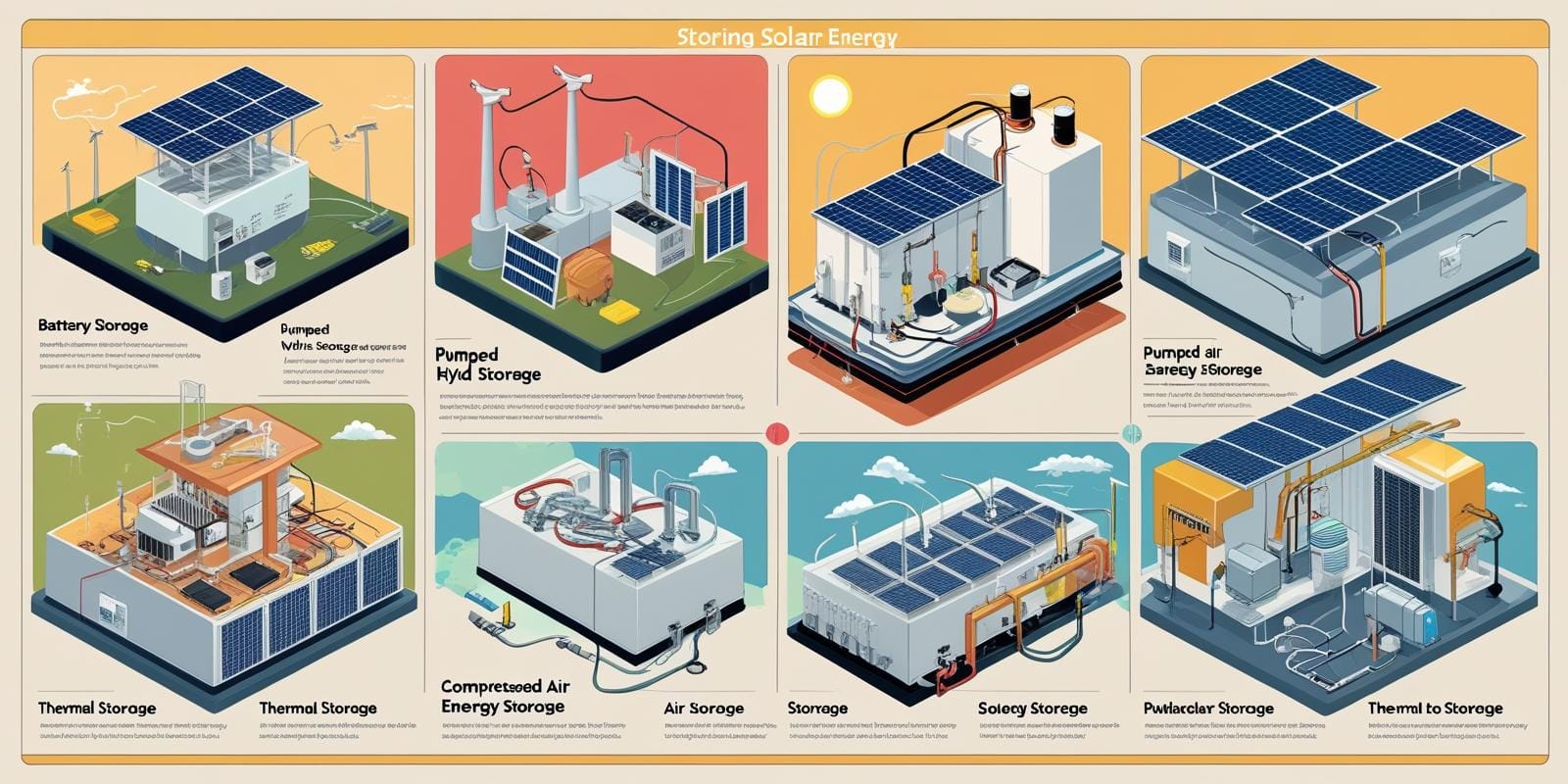
Are you curious about how to make the most of your solar energy? Storing solar energy can transform the way you use power in your home.
Imagine harnessing the sun’s energy during the day and using it when you need it most, even when the sun isn’t shining. This guide will walk you through the best methods for storing solar energy, so you can enjoy independence from the grid and lower your electricity bills.
By understanding your options, you’ll be empowered to make informed decisions that benefit both your wallet and the environment. Keep reading to discover practical tips and solutions that can help you maximize your solar investment.

Credit: ecoaffect.org
Solar Battery Storage
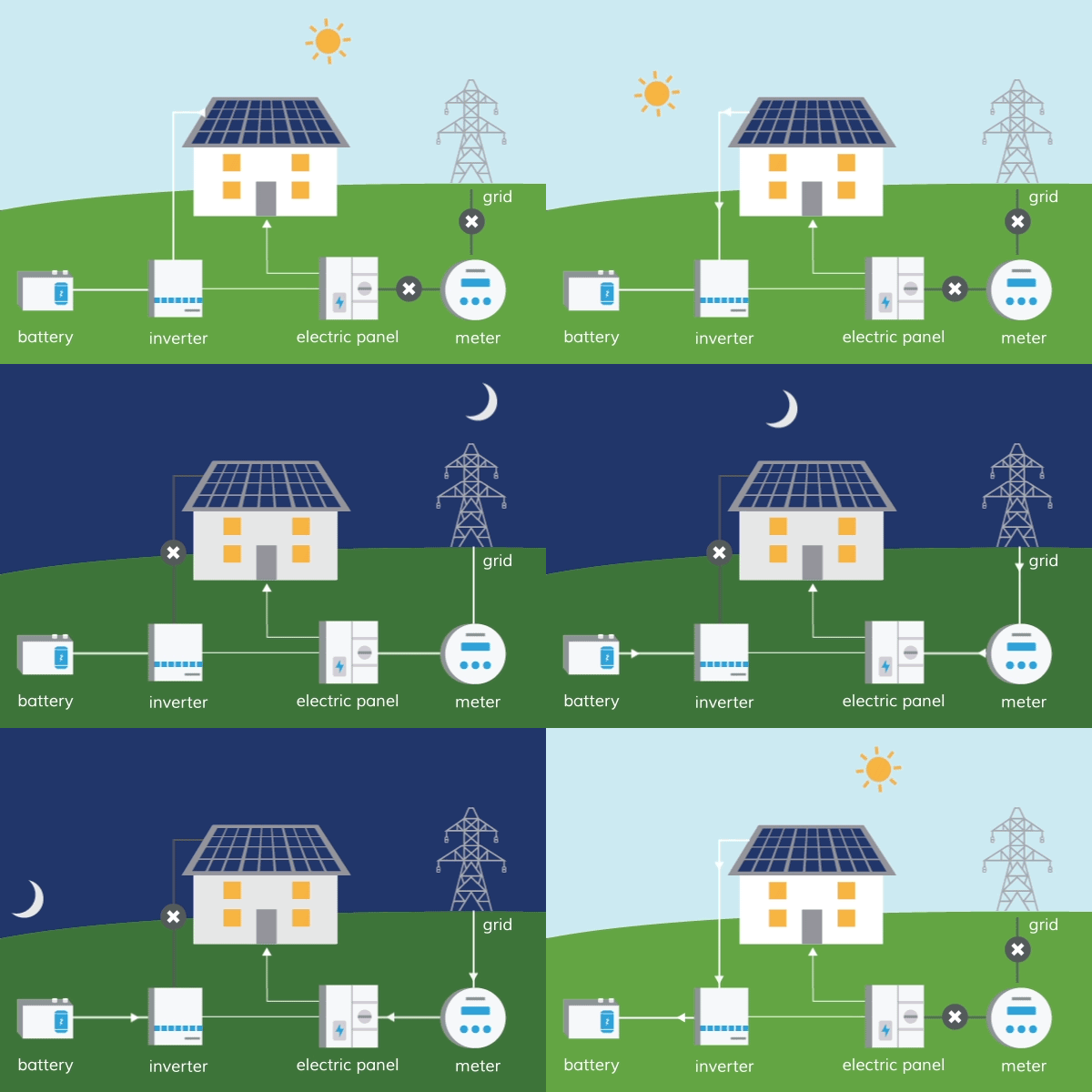
Solar battery storage allows you to keep energy generated from solar panels. This stored energy can be used at night or during cloudy days. It helps reduce reliance on the grid and ensures a more efficient use of renewable energy.
Storing solar energy efficiently is crucial for maximizing the benefits of your solar panel system. Solar battery storage allows you to capture excess energy produced during sunny days and use it when the sun isn’t shining. This means you can reduce your reliance on the grid, save on energy costs, and even have backup power during outages.
Choosing The Right Battery Type
Selecting the right type of battery for solar storage is essential. Two popular options are lithium-ion and lead-acid batteries. Each type has its pros and cons, and your choice should depend on your energy needs, budget, and space. Consider the available space for installation. Lithium-ion batteries are typically more compact, making them ideal for smaller homes. Lead-acid batteries, while bulkier, can be more cost-effective upfront.
Lithium-ion Vs Lead-acid Batteries
Lithium-ion batteries are often favored for their efficiency and longevity. They have a higher energy density, meaning they can store more energy in a smaller space. Plus, they usually last longer—typically around 10 to 15 years. On the other hand, lead-acid batteries have been around longer and are generally cheaper. However, they tend to have a shorter lifespan of about 3 to 5 years and require more maintenance. You might find that the initial savings with lead-acid batteries are offset by their shorter lifespan and lower efficiency.
Battery Capacity And Lifespan
Understanding battery capacity is vital. It’s measured in kilowatt-hours (kWh) and indicates how much energy the battery can store. If you use more energy than your battery can supply, you’ll still rely on the grid. Lifespan is another critical factor. A battery that lasts longer will save you money in the long run. Think about how much energy your household uses daily and choose a battery that meets or exceeds that need. Consider how often you plan to use stored energy. If you frequently draw on your battery, a lithium-ion option may offer better value over time. With so many choices, what will you prioritize: upfront cost, longevity, or efficiency? Choosing the right solar battery storage can significantly impact your energy independence and savings.
Credit: www.bullsbattery.com
Thermal Energy Storage
Thermal energy storage helps keep solar energy for later use. It captures heat from the sun and stores it in materials like water or rocks. This stored energy can be used when sunlight is not available, making solar power more reliable.
Thermal energy storage is an innovative method to store solar energy, allowing you to harness heat for later use. This technology can capture excess energy generated during sunny days and release it when needed, ensuring a consistent supply of warmth for your home or business. Understanding how to effectively utilize thermal energy storage can lead to significant savings and increased energy efficiency.
Using Water Tanks For Heat Storage
Water tanks are a popular choice for thermal energy storage. They are cost-effective and easy to install. By heating water during the day with solar energy, you can store that heat for use in heating your home or for hot water needs later. These systems work by using insulated tanks to minimize heat loss. With proper insulation, you can keep the water hot for an extended period. This setup can provide you with hot showers and heating even during the coldest nights. Many homeowners have found success with this method. Picture a chilly winter evening, and you step into a warm shower. That comfort comes from the heat you stored earlier in the day.
Salt-based Thermal Storage Systems
Salt-based thermal storage systems are gaining traction for their efficiency. They utilize materials like molten salt to store heat at high temperatures. This allows for greater energy density compared to water tanks. These systems can maintain heat for longer periods and are highly efficient for larger-scale applications. They are often used in solar power plants, but their potential for residential use is promising too. Imagine being able to power your home with stored energy from the sun, even during cloudy days. Salt-based systems could make that a reality for more households in the future.
Applications For Residential And Commercial Use
Thermal energy storage systems can benefit both homes and businesses. For residential use, they provide a reliable source of heating and hot water, reducing reliance on traditional energy sources. In commercial settings, these systems can help manage peak energy demand. Companies can store heat during off-peak hours and use it when energy prices are higher, saving money on utility bills. Consider how a bakery could benefit from thermal energy storage. Baking requires a lot of heat, but a bakery can store energy during the day and use it during busy hours. This strategy can enhance efficiency and reduce costs. Are you ready to explore the potential of thermal energy storage for your home or business? Implementing these strategies can lead to a more sustainable and cost-effective energy solution.
Pumped Hydro Storage
Pumped hydro storage is an effective way to store solar energy. It uses excess energy to pump water uphill. When energy is needed, the water flows back down, generating electricity. This method helps balance energy supply and demand efficiently.
Pumped Hydro Storage is one of the most established methods for storing solar energy. It uses the natural force of gravity to store energy in the form of water. This technique can effectively balance energy supply and demand, making it a vital part of renewable energy strategies.
How Pumped Hydro Works
Pumped hydro storage operates through two water reservoirs situated at different elevations. During periods of low energy demand, excess solar energy is used to pump water from the lower reservoir to the upper one. When energy demand increases, water is released back down to the lower reservoir. As it flows down, it turns turbines that generate electricity. This method can quickly respond to energy demands, making it a reliable source of backup power. Imagine a sunny afternoon when your solar panels are producing more energy than your home can use. Instead of wasting that energy, you could pump water uphill and store it for later use. This is how pumped hydro can transform excess energy into a resource for later.
Geographical Requirements
Not every location is suitable for pumped hydro storage. You need a significant elevation difference between two water bodies. Ideal sites often include mountainous regions where water can easily flow downhill. Additionally, proximity to energy infrastructure, like power lines, is crucial. If you find yourself in a flat area, this option may not be feasible. Consider your local geography—are there hills or mountains nearby? These natural features can play a key role in determining if pumped hydro storage is an option for you.
Cost And Scalability
Pumped hydro storage is known for its high initial setup costs, primarily due to construction and land acquisition. However, it offers low operating costs over its lifetime. Once established, it can provide energy storage for decades. The scalability of this method is impressive. You can build small or large systems, depending on your energy needs and budget. Many countries have already invested in this technology, showcasing its potential. Are you ready to consider whether this solution fits your energy strategy? Pumped hydro storage might be the key to making your solar energy system more efficient and reliable.
Compressed Air Storage
Compressed air storage is an innovative way to save solar energy. This method uses air pressure to store energy. When there is excess energy from solar panels, it compresses air. Later, this stored air can create electricity when needed.
This system is efficient and can help balance energy supply. It helps in using renewable energy more effectively. Understanding how this method works is key to its benefits.
Storing Energy In Air Caverns
Air caverns are large underground spaces. They hold compressed air for energy storage. These caverns are often salt formations or abandoned mines. The air is compressed using surplus energy, which raises its pressure.
When energy is needed, the high-pressure air is released. It expands and drives turbines to generate electricity. This process can store large amounts of energy for long periods.
Efficiency And Limitations
Compressed air storage has good efficiency rates. It can reach around 70% efficiency in energy conversion. However, there are limitations to consider.
The initial setup can be costly. Finding suitable locations for caverns can be challenging. Also, some energy is lost as heat during the process. This reduces overall efficiency.
Best Use Cases For Compressed Air
Compressed air storage suits various applications. It is ideal for balancing energy supply and demand. This method works well with solar and wind energy systems.
Industries can use it for peak load shaving. It helps reduce energy costs during high demand. Compressed air storage also supports grid stability. It can quickly release energy to prevent outages.
Overall, this storage method shows promise for future energy solutions. It plays a vital role in transitioning to renewable energy.
Flywheel Energy Storage
Flywheel energy storage captures excess solar energy. It uses a spinning wheel to store energy for later use. This method helps balance energy supply and demand effectively.
Flywheel energy storage offers a unique solution for storing solar energy efficiently. It uses a rotating mass to store kinetic energy, making it a compelling option for balancing energy supply and demand. If you’re considering ways to maximize your solar energy use, understanding flywheel systems can be beneficial.
Mechanics Of Flywheel Systems
Flywheel systems work by converting electrical energy into mechanical energy. A motor spins a rotor at high speeds, and this rotational energy is stored as kinetic energy. The process is straightforward: – Energy Input: When excess solar energy is available, the system converts it into kinetic energy. – Energy Storage: The rotor maintains its speed, keeping the energy stored until needed. – Energy Output: When demand spikes, the rotor’s kinetic energy is converted back into electrical energy. This efficiency allows for rapid energy release and makes flywheel systems ideal for managing energy surges.
Advantages Of Quick Energy Release
One of the standout features of flywheel energy storage is its ability to deliver energy almost instantaneously. This quick response time is essential during peak demand periods. Imagine a scenario where your solar panels generate more energy than you need on a sunny afternoon. With a flywheel system, you can store that excess energy and deploy it in seconds when the sun sets or when your energy consumption spikes. This capability helps maintain grid stability and reduces reliance on fossil fuels. You not only save on energy costs but also contribute to a cleaner environment.
Maintenance And Durability
Flywheel systems boast impressive durability and require minimal maintenance. Unlike batteries that degrade over time, flywheels can last for decades with proper care. Their design minimizes wear and tear, allowing them to operate efficiently for long periods. Regular checks on the rotor and bearings are usually sufficient to keep the system running smoothly. You can enjoy peace of mind knowing that your energy storage solution is both reliable and long-lasting. This efficiency can lead to significant savings over time, making flywheel systems a smart investment for your solar energy needs. How do you see flywheel energy storage fitting into your energy strategy?
Credit: sunlightsolar.com
Maximizing Efficiency
Storing solar energy efficiently is key for sustainability. It helps make the most of every ray of sunlight. Efficient storage leads to lower energy costs and better performance. Here are some ways to maximize efficiency in solar energy storage.
Energy Conversion Losses
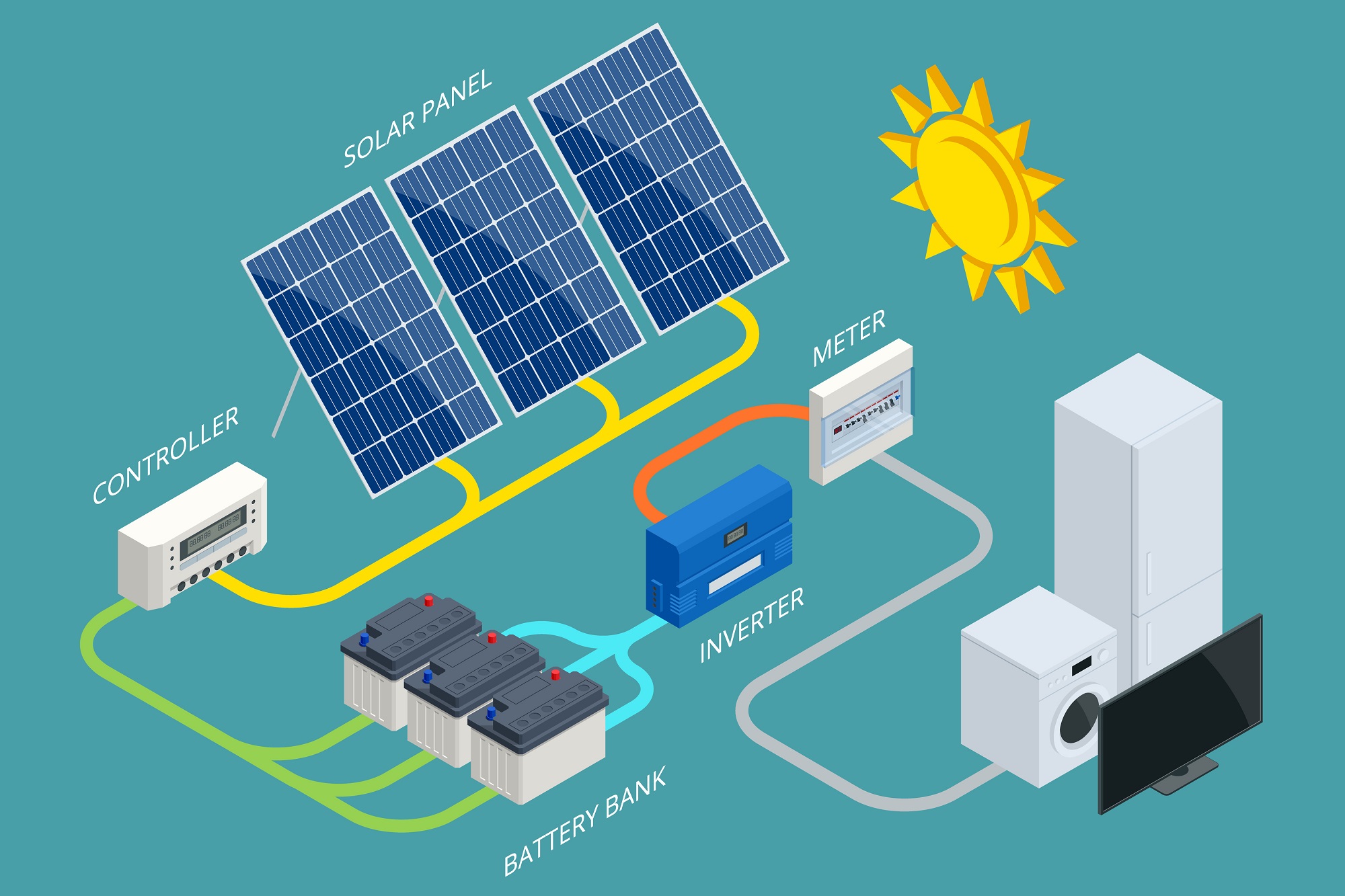
Energy conversion losses occur during the process of storing energy. These losses happen when solar energy is converted to electricity. They can reduce the amount of usable energy. To minimize these losses, use high-quality inverters. Choose inverters with a high efficiency rating.
Regularly check your system’s performance. This helps identify any issues early. Adjustments can help reduce energy losses. Every small improvement counts towards better efficiency.
Optimizing Storage Location
The location of your storage system matters. Place batteries in a cool, dry area. Extreme temperatures can affect battery performance. Avoid direct sunlight and damp spaces.
Consider accessibility for monitoring and maintenance. Easy access helps in quick checks and adjustments. A well-placed system can boost energy efficiency.
Monitoring And Maintenance Practices
Regular monitoring is crucial for efficiency. Check the performance of your solar panels and batteries often. Use monitoring tools to track energy production and storage. This data can help spot potential issues.
Maintenance is just as important. Clean your solar panels regularly. Dust and debris can block sunlight and reduce output. Schedule professional inspections to ensure everything runs smoothly.
Choosing The Right Storage System
Storing solar energy is key for maximizing efficiency. The right storage system helps you use energy when you need it. Several factors affect your choice. Assess your energy needs, budget, and future plans. Each aspect plays a role in your decision.
Assessing Energy Needs
Start by evaluating your energy consumption. Look at your monthly bills for guidance. Consider your appliances and their usage. Identify peak energy times in your home. This helps you determine how much energy to store.
Think about future changes too. Will you add more appliances? Will your family grow? Planning for these changes helps you choose a suitable system.
Budget And Installation Costs
Next, consider your budget. Storage systems vary in price. Some options are more affordable, while others are costly. Include installation fees in your budget. This gives you a clearer picture of total costs.
Look for incentives or rebates. These can reduce your overall expenses. Always compare different systems. Find the one that fits your budget and needs.
Scalability For Future Expansion
Think about scalability. Choose a system that grows with you. As energy needs change, your storage should adapt. Look for flexible systems that allow for upgrades.
Consider modular options. They let you add more storage as needed. This way, you won’t have to replace the entire system. Plan for the future. Make sure your choice aligns with your long-term goals.
Innovative Energy Storage Technologies
Storing solar energy is vital for its effective use. Innovative technologies make this possible. They help store energy for cloudy days and nighttime. Several methods are emerging to improve solar energy storage.
Flow Batteries For Large-scale Storage
Flow batteries are a promising option for large-scale storage. They use two liquids to store energy. This setup allows for easy scaling. Flow batteries can be charged and discharged quickly. They are ideal for balancing energy supply and demand.
These batteries have a long lifespan. They can last for over 10 years. This makes them a cost-effective choice. They are suitable for solar farms and grid storage.
Hydrogen Energy Storage
Hydrogen energy storage offers another unique solution. It converts excess solar energy into hydrogen gas. This gas can be stored and used later. Hydrogen can power fuel cells or be converted back to electricity.
This method is clean and efficient. It produces only water as a byproduct. Hydrogen storage holds great promise for future energy systems.
Emerging Trends In Solar Storage
New trends are shaping the solar storage landscape. Companies are developing better battery technologies. They aim to improve efficiency and reduce costs. Solid-state batteries are gaining attention. They promise higher energy density and safety.
Another trend is the integration of AI. Smart systems can optimize energy storage. They can predict energy needs and manage resources effectively. These advancements will enhance solar energy use.
Frequently Asked Questions
How Can Solar Energy Be Stored Effectively?
Solar energy can be stored effectively using batteries, thermal storage, or pumped hydro storage. Batteries, such as lithium-ion, are popular for residential use. Thermal storage captures heat for later use. Pumped hydro storage involves moving water between reservoirs to generate energy when needed.
What Are The Best Solar Energy Storage Options?
The best solar energy storage options include lithium-ion batteries, lead-acid batteries, and flow batteries. Lithium-ion batteries offer high efficiency and longevity. Lead-acid batteries are cost-effective but have a shorter lifespan. Flow batteries provide scalability and are suitable for large installations.
How Long Can Solar Energy Be Stored?
Solar energy can be stored for various durations depending on the storage method. Batteries can store energy for hours to days. Thermal storage systems can retain heat for days or even weeks. Pumped hydro storage allows for long-term energy storage, often spanning months.
Is Solar Energy Storage Worth It?
Yes, solar energy storage is worth it for many homeowners. It increases energy independence and reduces electricity bills. Storage systems allow you to use solar power even when the sun isn’t shining. Additionally, they provide backup power during outages, enhancing reliability.
Conclusion
Storing solar energy is essential for using it effectively. Choose the right batteries for your needs. Regularly check and maintain your storage system. This ensures it works well. Understand your energy needs to select the best storage option. With proper storage, you can enjoy solar power day and night.
Take action now to make your energy more reliable. Embrace the benefits of solar energy storage for a sustainable future.