
Are you curious about how to harness the power of the sun to create electricity? Imagine reducing your energy bills and contributing to a cleaner environment—all by using solar energy.
You’ll discover simple yet effective methods to convert solar energy into electricity. We’ll break down the process step by step, making it easy for you to understand. Whether you’re a homeowner looking to go green or simply interested in renewable energy, this guide will equip you with the knowledge you need.
Keep reading to unlock the potential of solar energy and take a step towards a sustainable future!
What Is Solar Energy?
Solar energy is a powerful and abundant source of renewable energy that comes directly from the sun. Every hour, the sun emits enough energy to power the entire planet for a year. Harnessing this energy can significantly reduce your electricity bills and your carbon footprint.
Solar energy refers to the radiant light and heat from the sun that can be captured and converted into electricity. This energy is harnessed using various technologies, primarily solar panels, which are designed to absorb sunlight.
The Science Behind Solar Energy
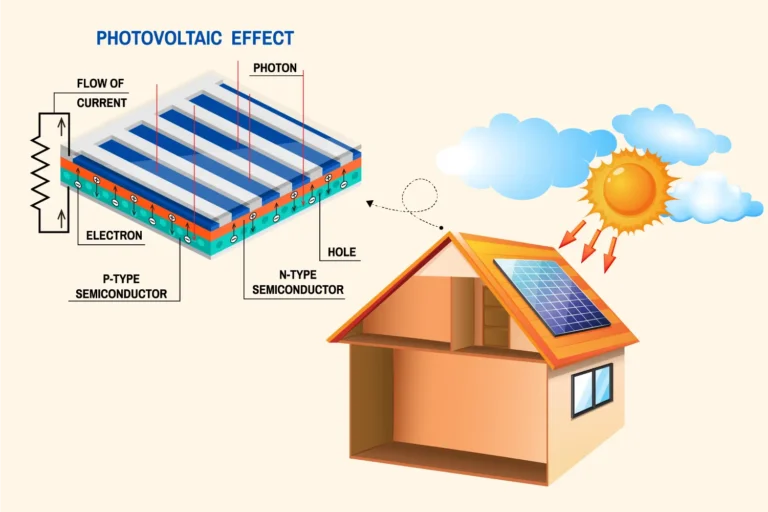
Solar panels contain photovoltaic (PV) cells that convert sunlight into electricity. When sunlight hits these cells, it excites electrons, creating an electrical current. This process is known as the photovoltaic effect.
Types Of Solar Energy
- Photovoltaic Energy:This is the most common form, where solar panels convert sunlight directly into electricity.
- Solar Thermal Energy:This method uses sunlight to heat a fluid, which can then be used to produce steam and generate electricity.
- Concentrated Solar Power:This technique uses mirrors or lenses to focus sunlight onto a small area, generating heat that can be converted into electricity.
Benefits Of Solar Energy
Using solar energy can lead to significant savings on your energy bills. You might also qualify for tax incentives and rebates, which can lower your initial investment. Additionally, solar energy contributes to a cleaner environment by reducing greenhouse gas emissions.
Is Solar Energy Right For You?
Consider your location and energy needs. If you live in a sunny area, solar panels can be highly effective. Are you ready to take control of your energy costs and make a positive impact on the environment?
Embracing solar energy not only empowers you but also supports a sustainable future. By understanding what solar energy is and how it works, you’re already taking the first step toward harnessing its incredible potential.
Credit: lucent-energy.com
How Solar Panels Work
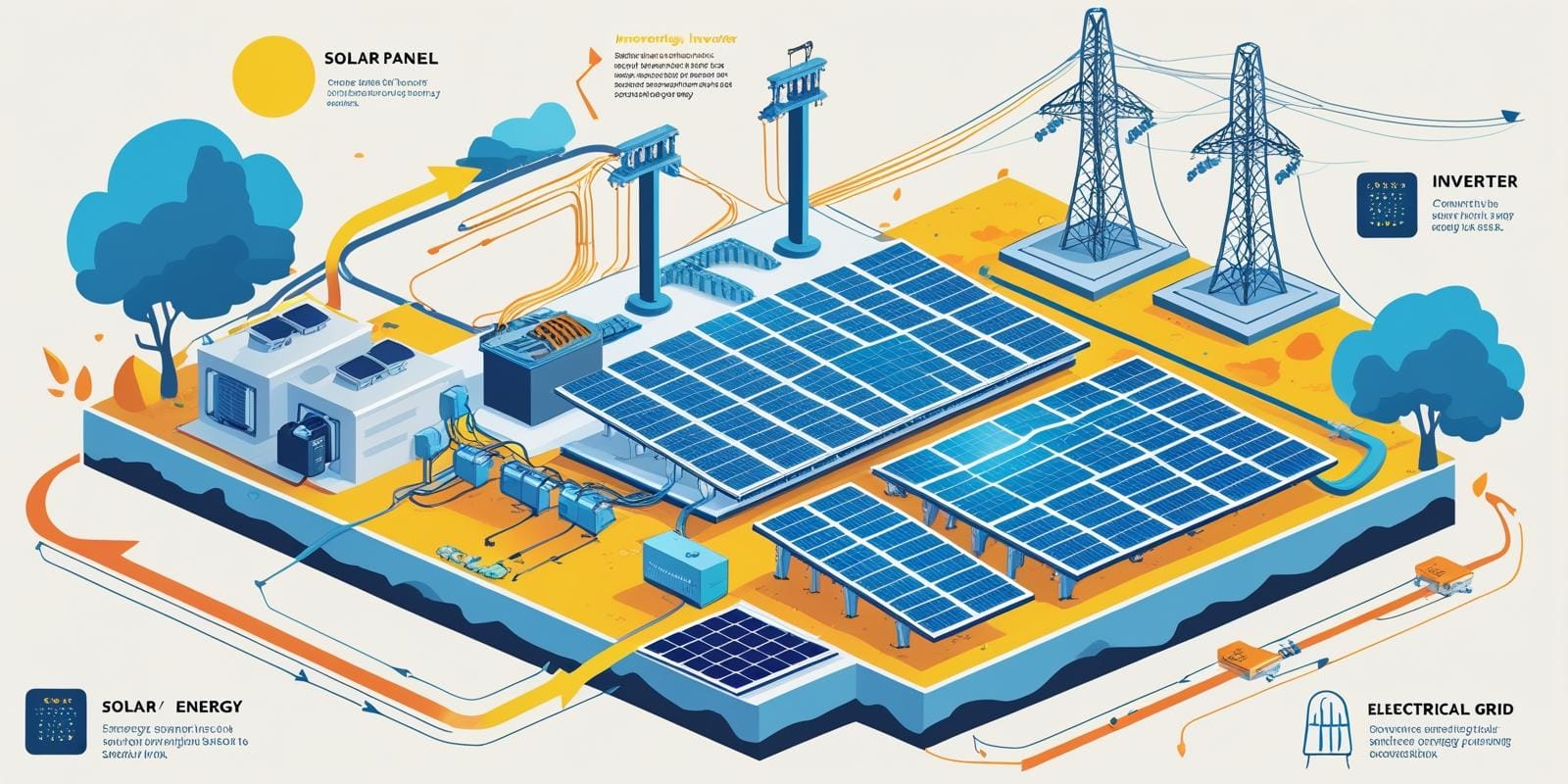
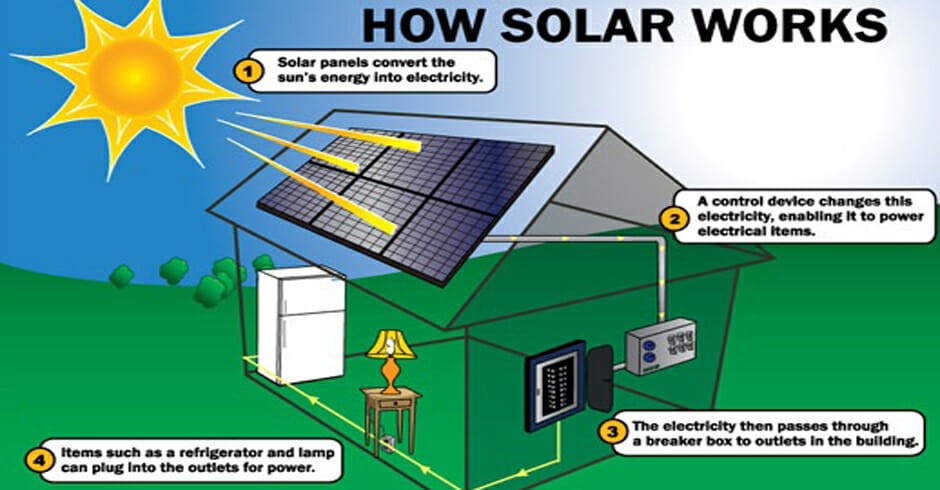
Solar panels convert sunlight into electricity using photovoltaic cells. These cells absorb sunlight and generate direct current (DC) electricity. An inverter then changes this DC into alternating current (AC), which powers homes and businesses. This process helps us use renewable energy for daily needs.
Understanding how solar panels work can empower you to harness clean energy for your home. Solar panels convert sunlight into electricity through a series of complex processes. Let’s break down how this technology functions, focusing on the crucial elements that make it possible.
Photovoltaic Cells
At the heart of every solar panel are photovoltaic (PV) cells. These cells are made from semiconductor materials, typically silicon. When sunlight hits these cells, it excites electrons, allowing them to flow freely. This flow of electrons generates direct current (DC) electricity. The efficiency of PV cells varies. High-quality cells can convert more sunlight into usable energy, making them a worthwhile investment for your energy needs.
The Role Of Sunlight
Sunlight is the driving force behind solar energy. Without it, solar panels cannot produce electricity. Every day, the sun releases an enormous amount of energy, enough to power the entire planet many times over. However, not all sunlight is equal. The angle, intensity, and duration of sunlight play a significant role in energy production. Have you ever noticed how a cloudy day affects your solar output? Understanding these factors can help you optimize your system.
Energy Conversion Process
The journey from sunlight to usable electricity involves several steps. First, the PV cells absorb sunlight and create DC electricity. Next, an inverter converts this DC electricity into alternating current (AC) electricity, which is what most appliances use. This conversion is vital for making solar energy practical in your home. You might even consider monitoring your energy production to see how much electricity your system generates throughout the day. Solar panels not only reduce your electricity bills but also contribute to a greener environment. Isn’t it time you took a step towards a sustainable future?
Types Of Solar Panels
Solar panels convert sunlight into electricity using different types. Monocrystalline, polycrystalline, and thin-film panels each have unique features. Understanding these types helps in choosing the right solar solution for energy needs.
Understanding the various types of solar panels is crucial for anyone considering converting solar energy into electricity. Each type has its own unique features, benefits, and drawbacks. Selecting the right one for your needs can significantly impact your energy efficiency and savings.
Monocrystalline Panels
Monocrystalline panels are made from a single crystal structure. This design allows them to achieve higher efficiency rates, often exceeding 20%. They tend to occupy less space than other types because they produce more power per square meter. If you have limited roof space, these panels might be your best option. However, they usually come with a higher price tag. Are you ready to invest more upfront for potentially greater savings in the long run?
Polycrystalline Panels
Polycrystalline panels are made from multiple silicon crystals melted together. This process is less energy-intensive and often makes them more affordable. Their efficiency typically ranges from 15% to 20%. While they might take up more space compared to monocrystalline panels, they still offer a good balance between cost and performance. If you’re on a budget but still want to harness solar energy, polycrystalline panels could be the way to go. Have you considered how much you want to invest in your solar setup?
Thin-film Panels
Thin-film panels are made from layers of photovoltaic material that are much thinner than traditional panels. They are lightweight and flexible, making them suitable for a variety of applications, including curved surfaces. Their efficiency is lower, usually around 10% to 12%, but they can perform better in low-light conditions. This feature is particularly useful in areas with less sunlight. If aesthetics and versatility are important to you, thin-film panels might just fit the bill. How important is the appearance of your solar setup to you? Understanding the differences in solar panel types can empower you to make an informed choice. Each type offers distinct advantages that cater to various needs and preferences.
Solar Energy System Components
Understanding solar energy system components is key to harnessing solar power. Each part plays a vital role. Together, they convert sunlight into usable electricity. Here are the main components of a solar energy system.
Solar Panels
Solar panels are the heart of the system. They capture sunlight and convert it into electricity. Most panels use photovoltaic cells. These cells generate direct current (DC) electricity. The amount of power depends on the panel size and efficiency.
Inverters
Inverters change DC electricity to alternating current (AC). Most home appliances use AC electricity. This step is crucial for making solar energy usable. There are different types of inverters. String inverters connect multiple panels. Microinverters work on each panel individually.
Batteries
Batteries store excess energy generated during the day. This stored energy can be used at night or during cloudy days. They provide backup power when needed. Choosing the right battery type is important. Lithium-ion batteries are popular for their efficiency and lifespan.
Mounting Structures
Mounting structures hold solar panels in place. They ensure panels are at the right angle. This maximizes sunlight capture. Different mounting options exist. Roof mounts save space and ground mounts offer flexibility. Proper installation is key for optimal performance.
Choosing The Right Location
Choosing the right location for solar panels is crucial. Sunlight exposure and shade can affect energy production. A clear area with direct sunlight will help convert solar energy into electricity effectively. Consider local weather patterns and regulations before installation.
Choosing the right location for your solar energy system is crucial for maximizing efficiency and output. The amount of sunlight your panels receive directly impacts their performance. Let’s break down the key factors that will help you select the best spot for your solar installation.
Sunlight Exposure
Optimal sunlight exposure is essential for solar panels. Look for areas that receive direct sunlight for most of the day. Consider the direction your home faces. South-facing roofs typically capture the most sunlight. If you can, aim for a location that gets at least six hours of direct sunlight daily. You may be surprised how much a sunny spot can boost your energy production.
Roof Orientation
The orientation of your roof plays a significant role in solar energy collection. A roof angled towards the south will generally yield the best results. If your roof faces east or west, you can still achieve good energy capture, but it may require more panels to meet your needs. Assess your roof’s tilt as well. A pitch between 15 to 40 degrees is often ideal for maximizing solar gain.
Shading Factors
Shading can significantly reduce the efficiency of your solar panels. Even a small amount of shade from trees or buildings can affect performance. Before installation, spend a day observing how shadows move across your roof. If you notice significant shading at certain times of the day, consider trimming trees or relocating the panels. Installing panels in a shaded area might seem like an option, but it often leads to disappointing results. Are you ready to see how simple adjustments can enhance your solar energy experience?
Installing A Solar Energy System
Installing a solar energy system can seem difficult. With proper planning, it becomes easier. This section will guide you through key steps.
Planning And Permits
Start by checking local laws. Find out what permits you need. Many areas require permits for solar panel installation.
Next, assess your roof. It should be in good condition. Make sure it has enough sunlight during the day.
Consider your energy needs. Calculate how much power you use monthly. This will help you choose the right system size.
Finally, check for incentives. Some states offer tax credits or rebates. These can help lower your costs.
Hiring Professionals
Hiring professionals can save time and reduce mistakes. Look for licensed installers in your area.
Read reviews and ask for references. A good installer will have happy customers. Check if they offer warranties on their work.
Get multiple quotes before deciding. Prices can vary widely. Choose a service that fits your budget and needs.
Diy Installation Tips
For those who want to try DIY, research is key. Understand how solar systems work before starting.
Gather all necessary tools and materials. Make sure you have everything ready before you begin.
Follow the manufacturer’s instructions closely. They provide important details for installation.
Safety is crucial. Wear protective gear and follow safety guidelines. If unsure, do not hesitate to ask for help.
Understanding Energy Storage
Solar energy can be turned into electricity through a simple process. Solar panels capture sunlight and convert it into direct current (DC) electricity. This electricity can then be transformed into alternating current (AC) for use in homes and businesses. Understanding this process helps in using renewable energy effectively.
Understanding Energy Storage Energy storage is a crucial aspect of solar energy systems. It allows you to capture and store excess energy generated during sunny days for use during cloudy periods or at night. By effectively managing how and when you use solar energy, you can maximize your savings and ensure a steady power supply.
Battery Types
Choosing the right battery type for your solar energy system is essential. Here are the most common options:
- Lithium-Ion Batteries:Known for their efficiency and longevity, these batteries can last up to 15 years or more. They charge quickly and have a high energy density.
- Lead-Acid Batteries:More affordable upfront, but they have a shorter lifespan, typically around 5-7 years. They are heavier and require maintenance.
- Flow Batteries:These are ideal for larger systems. They have a longer lifespan and can be scaled easily, but they are also more expensive.
Consider your energy needs and budget when selecting a battery type. You want a solution that balances cost, performance, and durability.
Storing Excess Energy
Storing excess energy from your solar system can lead to significant cost savings. When your solar panels produce more energy than you consume, that surplus can be stored in batteries. This allows you to use that energy when you need it most, reducing reliance on the grid. Have you ever wondered how much energy you could save by using stored solar power during peak demand hours? Utilizing smart energy management systems can optimize your energy usage. These systems monitor your energy consumption and storage levels, ensuring you use stored energy efficiently.
Grid-tied Vs Off-grid Systems
The choice between grid-tied and off-grid systems impacts how you store energy.
- Grid-Tied Systems:These systems connect to the local electricity grid. They allow you to sell excess energy back to the grid, reducing your electricity costs. However, during power outages, you may not have backup power unless you add battery storage.
- Off-Grid Systems:These systems operate independently from the grid. They rely entirely on stored energy and are ideal for remote locations. You must size your battery storage carefully to ensure you have enough energy for cloudy days.
What type of system would suit your energy needs best? Understanding the differences can help you make an informed choice. Energy storage plays a vital role in harnessing solar energy effectively. By knowing your options, you can create a system that works for you and your lifestyle.
Maximizing Solar Efficiency
Maximizing solar efficiency is key for better energy output. Small changes can lead to big savings. Focus on cleaning, upgrades, and seasonal adjustments. Each step boosts your solar performance.
Cleaning And Maintenance
Keeping solar panels clean improves energy production. Dust, dirt, and leaves block sunlight. Regular cleaning helps panels absorb more light.
Use a soft brush or sponge. Avoid harsh chemicals that can damage the surface. Check for debris around the panels too. A little care goes a long way.
System Upgrades
Upgrading your solar system can enhance efficiency. New technology often provides better performance. Consider adding more panels for increased output.
Inverters also play a vital role. Upgrading to a more efficient inverter can improve energy conversion. Explore battery storage options to use energy when needed.
Seasonal Adjustments
Adjusting your solar setup for different seasons is important. Sunlight angles change throughout the year. Tilting panels for optimal sun exposure increases energy capture.
In winter, lower angles catch more sunlight. In summer, a higher tilt may work best. Regularly check and adjust your panels to match seasonal changes.
Cost And Financing Options
Understanding the costs of solar energy is essential. Solar panels can save money over time. Yet, the initial investment may seem high. Different financing options can help make solar energy affordable.
Initial Investment
The first cost of solar energy is the purchase of panels. This includes installation fees and permits. Prices can vary based on the system’s size and type. It’s important to get quotes from multiple providers. Consider the quality of the equipment as well. Higher quality often means longer lifespan.
Government Incentives
Many governments offer incentives for solar energy. Tax credits can reduce the overall cost. Some states provide rebates for solar panel installation. Check local programs to find available options. These incentives can significantly lower your initial costs.
Long-term Savings
Investing in solar energy leads to savings over time. Reduced electricity bills are the most obvious benefit. Many homeowners see significant savings after installation. Solar panels can increase home value as well. They provide energy independence and stability in rising energy costs.
Credit: calteach.ucmerced.edu
Environmental Benefits
Converting solar energy into electricity offers many environmental benefits. It reduces reliance on fossil fuels and lowers greenhouse gas emissions. Using solar power helps protect our planet and promotes clean energy for future generations.
The environmental benefits of converting solar energy into electricity are profound and far-reaching. By harnessing the power of the sun, you not only reduce your energy costs but also contribute positively to the planet. Let’s dive into the specific advantages that come from utilizing this sustainable energy source.
Reducing Carbon Footprint
Switching to solar energy significantly lowers your carbon footprint. Traditional energy sources like coal and natural gas release carbon dioxide and other harmful pollutants into the atmosphere. Using solar power means you contribute to cleaner air and a healthier environment. Imagine the impact if everyone in your neighborhood switched to solar energy—fewer greenhouse gases and cleaner air for all.
Sustainable Energy Source
Solar energy is renewable. The sun rises every day, providing an endless supply of energy without depleting resources. This sustainability means you can rely on solar power long-term, unlike fossil fuels which are finite and damaging to extract. Utilizing solar panels can also lead to energy independence. You rely less on fluctuating fossil fuel prices and geopolitical tensions.
Impact On Climate Change
The shift to solar energy helps combat climate change directly. By reducing reliance on fossil fuels, you can help slow down global warming. Every solar panel installed represents a step toward a cooler planet. Consider this: if more households adopted solar energy, we could significantly reduce the number of harmful emissions released into the atmosphere. Wouldn’t you want to be part of that positive change? Solar energy isn’t just about personal benefits; it’s about creating a healthier planet for future generations.

Credit: www.daranener.com
Frequently Asked Questions
How Does Solar Energy Generate Electricity?
Solar energy is converted into electricity using photovoltaic cells. These cells capture sunlight and convert it into direct current (DC) electricity. An inverter then transforms DC into alternating current (AC) electricity, which can be used in homes or fed into the electrical grid.
This process is efficient and sustainable.
What Are The Benefits Of Solar Energy?
Solar energy is renewable, reducing dependence on fossil fuels. It lowers electricity bills and can increase property value. Additionally, solar power reduces greenhouse gas emissions, contributing to a cleaner environment. With government incentives, solar installations can be financially beneficial for homeowners and businesses alike.
What Is A Solar Panel Made Of?
Solar panels are primarily made of silicon cells. These cells are sandwiched between protective layers of glass and a durable backing material. The silicon absorbs sunlight, generating electrical currents. This design maximizes efficiency and durability, ensuring panels can withstand various weather conditions over time.
Can Solar Energy Power My Entire Home?
Yes, solar energy can power your entire home. The amount of energy generated depends on the size of the solar panel system and sunlight exposure. Properly sized systems can meet or exceed your energy needs. Excess energy can be stored in batteries or sold back to the grid.
Conclusion
Solar energy is a clean and renewable resource. Converting it into electricity helps reduce energy costs. Solar panels are a key part of this process. They capture sunlight and turn it into usable power. This method is good for the environment.
It lowers greenhouse gas emissions. By using solar energy, we can create a sustainable future. Many people can benefit from this technology. Start exploring solar options today for a brighter tomorrow. Your choices matter. Join the movement towards cleaner energy.