
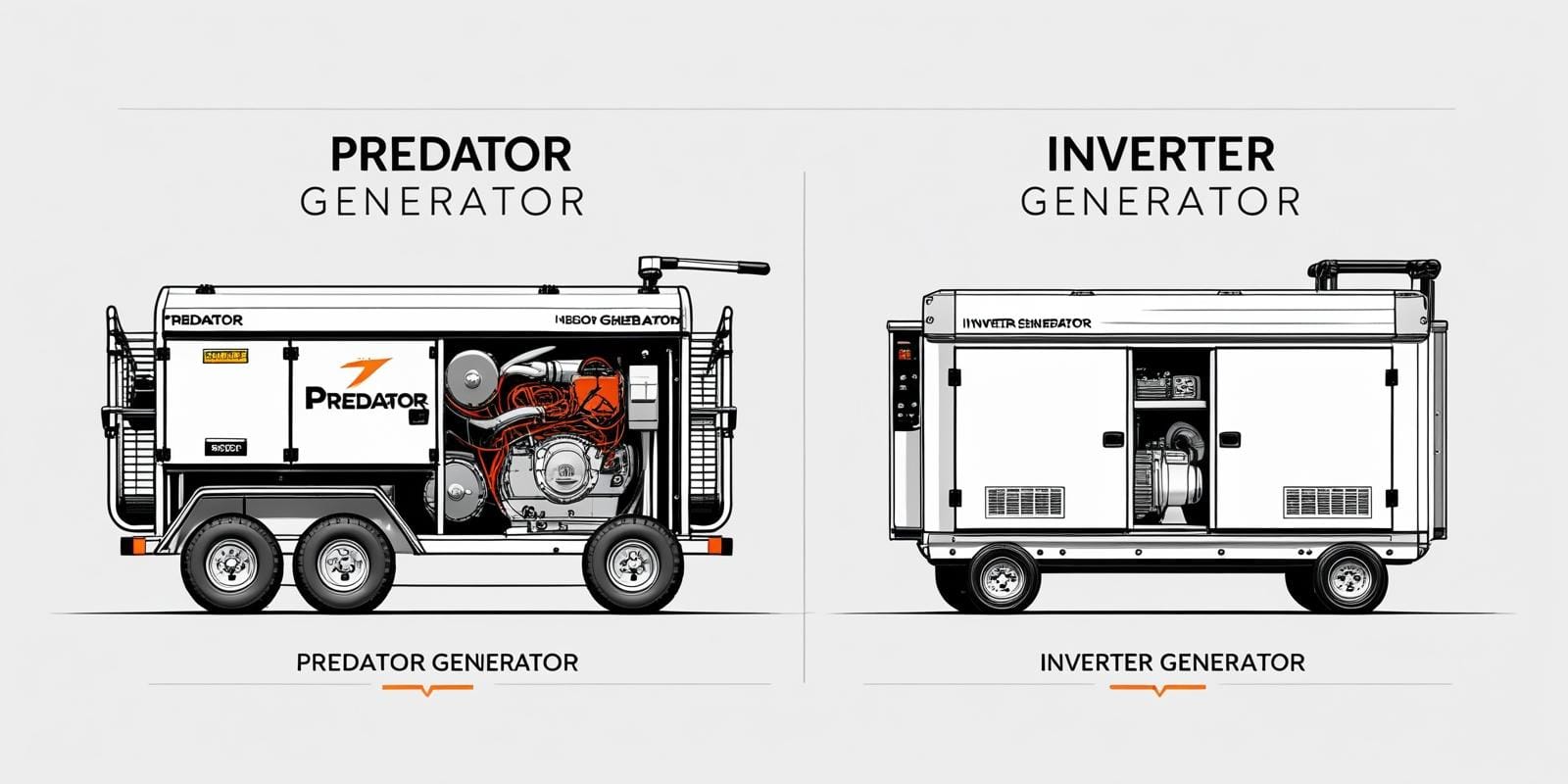
Choosing the right generator can feel overwhelming, especially with options like Predator generators and inverter generators on the market. You want reliability, efficiency, and the best value for your money.
But how do these two types stack up against each other? We’ll break down the key differences between Predator generators and inverter generators, helping you make an informed choice. You’ll discover which option suits your needs best, whether you’re powering your home during an outage, taking it on a camping trip, or running tools on a job site.
Stay with us as we explore performance, noise levels, fuel efficiency, and portability. By the end, you’ll have a clear picture of which generator will enhance your lifestyle and give you peace of mind. Let’s dive in!
Predator Generator




Inverter Generator

Power Output
Power output is a critical factor when choosing between a Predator generator and an inverter. Understanding how much electricity each option produces can help you make an informed decision tailored to your needs. Whether you’re powering tools at a job site or providing backup power for your home, knowing the differences in power output can guide your choice.
Predator Generator Power Output
Predator generators are known for their robust power output. They typically come with higher wattage ratings, making them suitable for heavy-duty applications. Most models offer between 2,000 to 8,000 watts, allowing you to run multiple appliances simultaneously.
- Ideal for Construction Sites:If you’re working on a construction site, a Predator generator can easily power tools like saws and drills.
- Home Backup:Use it to keep your refrigerator and essential appliances running during a blackout.
However, keep in mind that higher power output often means more noise. If you’re sensitive to sound, this may be a drawback.
Inverter Generator Power Output
Inverter generators generally produce lower wattage compared to Predator generators, typically ranging from 1,000 to 4,000 watts. They excel in providing clean and stable power, which is crucial for sensitive electronics like laptops and smartphones.
- Quiet Operation:Inverter generators run much quieter, making them ideal for camping or events where noise could be an issue.
- Fuel Efficiency:They adjust their power output according to the load, saving fuel and reducing emissions.
While they may not handle as many heavy-duty appliances at once, their reliability with sensitive devices is a major plus. Consider what you need to power when deciding.
Choosing Based On Your Needs
Think about your specific power needs. Do you require heavy-duty power for construction, or are you looking for something quieter for home use? Your answer will help you decide which option aligns best with your lifestyle.
Both generator types have their advantages. The Predator generator offers high wattage for demanding tasks, while the inverter generator shines in portability and quiet operation. Weigh these factors carefully to find the right fit for you.
Fuel Efficiency
Fuel efficiency is a critical factor when choosing between a Predator generator and an inverter. You want a machine that not only meets your power needs but also saves you money on fuel costs. Understanding the differences in fuel consumption can help you make an informed decision.
Understanding Fuel Consumption
Predator generators typically run on gasoline and are designed for high output. They can provide substantial power, but this comes at a cost. These machines often consume more fuel, especially under heavy loads.
In contrast, inverter generators are designed for efficiency. They adjust their engine speed based on the power demand. This means they often use less fuel when running at lower loads, making them an ideal choice for smaller devices and prolonged use.
Cost Implications
Fuel costs can add up quickly. If you plan to use your generator for extended periods, the efficiency of an inverter can lead to significant savings. You may find that a more fuel-efficient inverter generator pays for itself over time.
- Predator generators: Higher fuel consumption, suitable for heavy-duty tasks.
- Inverter generators: Lower fuel consumption, ideal for lighter loads.
Real-world Efficiency
During my last camping trip, I used a Predator generator to power various appliances. While it delivered the needed power, I noticed how fast the fuel gauge dropped. On the other hand, my friend brought along an inverter generator. It powered his lights and electronics without guzzling fuel. The difference was evident, especially when it came time to refuel.
Choosing The Right Generator For Your Needs
Think about how you’ll use your generator. Will you need it for short bursts of power or extended use? If fuel efficiency is a priority for you, an inverter generator might be the better option. It’s designed to save fuel while providing adequate power for your everyday needs.
How much are you willing to spend on fuel? Your answer could guide you toward the right choice. Being mindful of fuel efficiency can lead to both financial and environmental benefits.
Portability
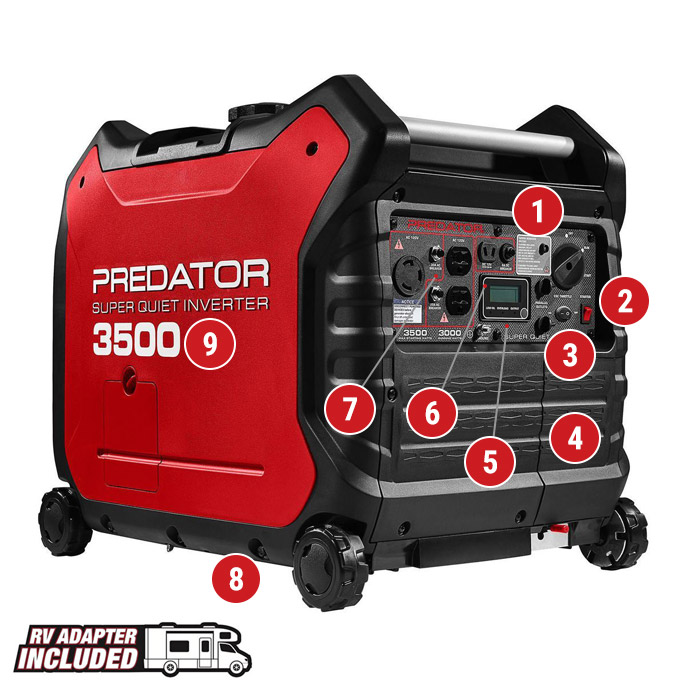
Portability is a key factor when comparing Predator generators and inverters. Generators are often heavier and bulkier, making them less convenient to transport. In contrast, inverters are lighter and more compact, offering easier mobility for outdoor use and travel.
Portability plays a crucial role when choosing between a Predator generator and an inverter. Whether you’re planning a camping trip, tailgating, or need backup power at home, the ease of transport can significantly impact your experience. Let’s break down the portability of these two power solutions.
Weight Considerations
Weight is a key factor in portability. – Predator Generators can weigh between 50 to 130 pounds, depending on the model and wattage. – Inverters are generally lighter, ranging from 30 to 70 pounds. If you’re moving equipment around or need to carry it to a remote location, every pound counts. Choosing a lighter option can save you effort and time.
Size And Design
The size and design of a generator or inverter affect how easy it is to transport. – Predator Generators tend to have a bulkier design, which can make them cumbersome. – Inverters are often compact and feature a more streamlined design. Consider how much space you have available. Will it fit in your car or storage area? A compact inverter can easily slide into tight spaces.
Mobility Features
Look for features that enhance mobility. – Many Predator Generators come with wheels and a handle, making it easier to move around. – Inverters often include lightweight designs and integrated handles for simple carrying. Do these features meet your needs? If you’re frequently on the go, these added conveniences can make a significant difference. While not directly related to portability, noise levels can influence where you can use your generator or inverter. – Predator Generators can be louder, which might limit your choice of locations. – Inverters operate quietly, making them suitable for camping or outdoor events. Think about the environments you’ll be in. Will you need to maintain a low noise level? Portability is not just about how easy it is to carry your generator or inverter. It impacts your overall experience and choice of activities. Consider what matters most to you and how often you’ll be on the move. Your ideal power solution should complement your lifestyle.
Credit: www.harborfreight.com
Noise Levels
Noise levels can vary significantly between predator generators and inverters. Predator generators tend to be louder, making them less suitable for quiet environments. In contrast, inverter generators operate more quietly, making them ideal for camping or residential use. Choosing the right option depends on your noise preferences.
Noise levels are a critical factor to consider when choosing between a Predator generator and an inverter. If you’re planning to use your generator for camping, outdoor events, or in residential areas, understanding how loud each option is can significantly impact your experience.
Understanding Generator Noise Levels
Generators can range from annoyingly loud to surprisingly quiet. Traditional generators, like the Predator, often produce noise levels around 70 to 80 decibels. This can be disruptive, especially in quiet neighborhoods or serene camping spots. In contrast, inverters are designed for quieter operation. Many inverter models operate at around 50 to 60 decibels. This makes them ideal for situations where noise is a concern, such as during camping trips or while hosting outdoor gatherings.
Real-world Implications Of Noise
Imagine trying to enjoy a peaceful evening by the campfire, only to be disturbed by the roar of a generator. I once went camping with friends, and the loud generator we brought ruined the tranquility of the forest. It was hard to hold a conversation over the noise, and we ended up moving further away just to hear each other. This experience highlighted the importance of noise levels. Inverter generators allow you to enjoy the environment without the constant drone of a traditional generator. If you value peace and quiet, this can be a game changer.
Choosing The Right Generator For Your Needs
Consider where you’ll be using the generator most. If you’re in a quiet area, an inverter is often the better choice. On the other hand, if you’re powering tools on a job site or need a backup for your home, the noise may not be as big of a concern. Here are some quick tips to help you decide: – Check Decibel Ratings: Look for the manufacturer’s specifications on noise levels. – Consider Your Environment: Think about where you’ll be using the generator most. – Test It Out: If possible, listen to both types of generators in action before making a decision. Choosing a generator isn’t just about the power it provides. Noise levels can significantly affect your enjoyment and comfort. What kind of environment do you want to create with your generator?
Durability
Durability is a key factor when choosing between a Predator generator and an inverter. You want equipment that can withstand the rigors of outdoor use and last for years. Both options offer unique strengths, but understanding their durability will help you make an informed decision.
Predator Generators: Built To Last
Predator generators are known for their robust construction. They often feature heavy-duty frames and components designed to endure tough conditions. If you’re planning to use your generator for construction work or heavy-duty tasks, this durability is crucial.
Many users have reported that their Predator generators have lasted for years without major issues. The design focuses on resilience, allowing it to operate in various environments. From construction sites to camping trips, these generators can handle the challenges you throw at them.
Inverter Generators: Lightweight Yet Sturdy
Inverter generators, while generally lighter, also boast impressive durability. They are built with advanced technology that enhances their stability and performance. This means you can expect long-lasting reliability without the bulkiness of traditional generators.
People often choose inverter generators for their quieter operation and fuel efficiency. However, don’t underestimate their strength. Many users find that these generators hold up well during extended use, making them suitable for both recreational and emergency situations.
Weather Resistance: A Key Consideration
Weather resistance is another important aspect of durability. Predator generators typically have better weatherproofing, allowing them to work in rain or snow without issue. If you’re planning outdoor activities, this feature can be a game changer.
In contrast, inverter generators may require additional protection from the elements. A simple tarp or cover can make a significant difference. Are you prepared to take extra steps to protect your inverter generator?
Maintenance: Ensuring Longevity
No matter which type of generator you choose, regular maintenance is essential for durability. Predator generators often require straightforward maintenance tasks, making them user-friendly. Keeping up with oil changes and cleaning can extend their lifespan significantly.
Inverter generators also need care, but their compact design might make some tasks trickier. Understanding the specific maintenance requirements can save you money in the long run. How often are you willing to check on your equipment?
Ultimately, the right choice for you depends on your needs and how you intend to use the generator. Consider your activities, the environments you’ll encounter, and how much maintenance you’re prepared to commit to. Your decision will shape your experience for years to come.

Credit: www.youtube.com
Cost Comparison
Understanding the cost difference between Predator generators and inverter generators is vital. Price impacts your choice. Both types have unique costs. Let’s break down their prices.
Initial Purchase Price
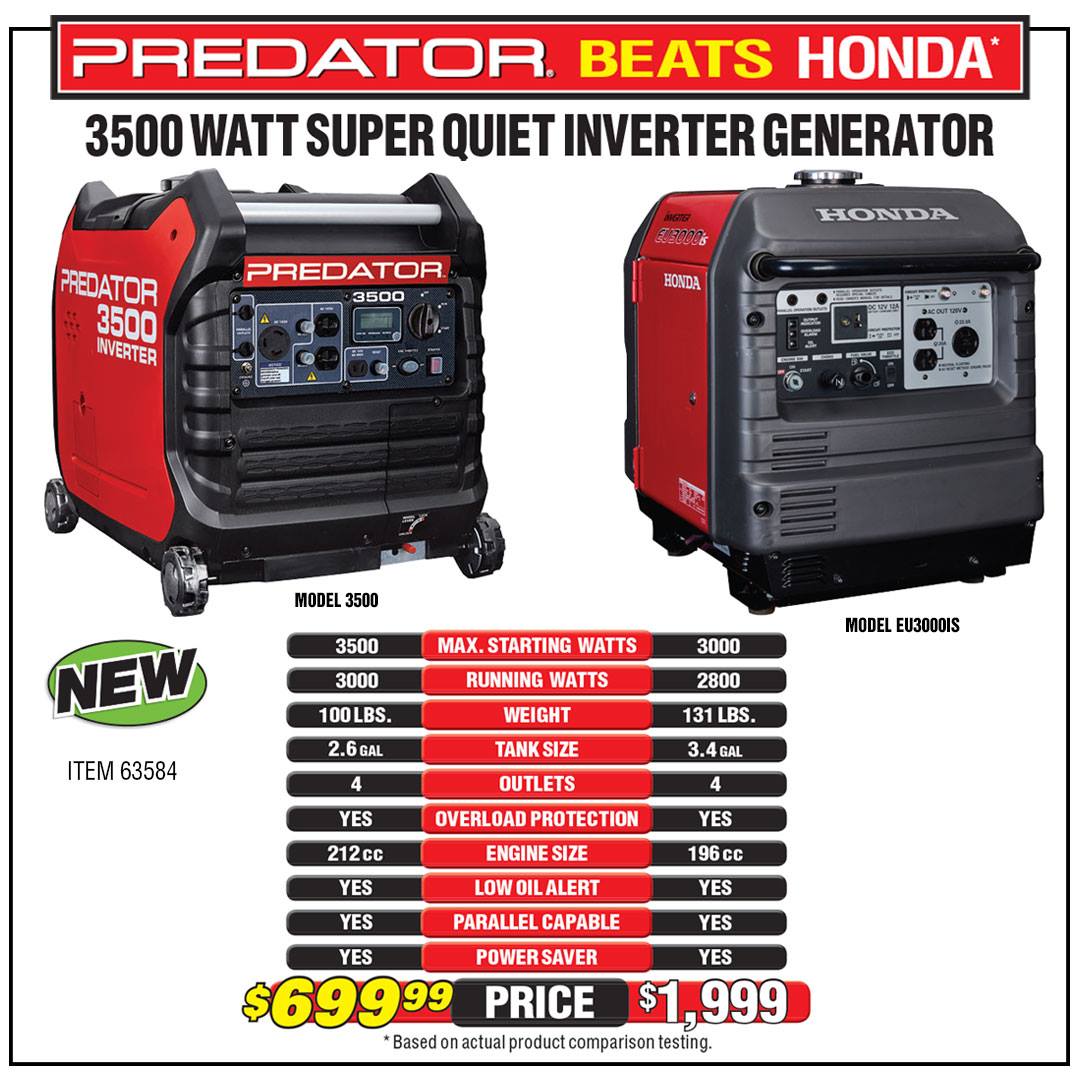
Predator generators often have a lower initial cost. You can find models starting around $200. Inverter generators usually cost more, starting at about $500. The price varies based on size and features. Think about your budget before buying.
Operating Costs
Operating costs can add up over time. Predator generators consume more fuel. This can lead to higher fuel expenses. Inverter generators are more fuel-efficient. They can save you money on gas.
Maintenance Costs
Maintenance is essential for both types. Predator generators require regular oil changes. This can add to your costs. Inverter generators also need maintenance but may need less often. Check the user manuals for specific needs.
Resale Value
Resale value is another factor. Predator generators may depreciate faster. Inverter generators often hold their value better. This can be important if you plan to sell later. Consider long-term costs when choosing.
Warranty And Support
Warranties can affect overall costs. Predator generators usually offer a limited warranty. Inverter generators often come with better support options. A good warranty can save money on repairs.
Maintenance Needs
Choosing between a Predator generator and an inverter depends on maintenance needs. Predator generators often require more upkeep due to their design. Inverters, while easier to maintain, may need specialized care. Understanding these differences helps ensure better performance and longevity for your power source.
Maintaining your generator is crucial for ensuring its longevity and performance. Understanding the maintenance needs of Predator generators compared to inverter generators can help you make a better choice for your power needs. Both types of generators have their own maintenance requirements, which can affect your overall experience and satisfaction.
Maintenance For Predator Generators
Predator generators are known for their durability. However, they require regular maintenance to keep them running smoothly. – Oil Changes: Change the oil every 50 hours of use to prevent engine wear. – Air Filter: Clean or replace the air filter every 100 hours to ensure proper airflow. – Spark Plug: Check and replace the spark plug every 100 hours to maintain efficient ignition. Neglecting these simple tasks can lead to performance issues. You wouldn’t want your generator to fail during an important moment, would you?
Maintenance For Inverter Generators
Inverter generators are generally quieter and lighter. They also come with their own set of maintenance needs, but they can be easier to manage. – Oil Changes: Similar to Predator, change the oil every 50-100 hours, depending on usage. – Fuel System: Keep the fuel system clean; use fuel stabilizer if storing for long periods. – Cooling System: Check the cooling system regularly to avoid overheating. You may find that the maintenance for inverter generators feels less intensive. This can be a significant advantage if you prefer a more hands-off approach.
Comparative Maintenance Insights
Both types of generators need regular oil changes and air filter checks. However, the inverter generators may require less frequent attention to some components due to their technology. – Complexity: Inverter generators often have more advanced technology, which may require specialized tools for repairs. – Simplicity: Predator generators tend to have simpler mechanics, making DIY repairs easier. Which type aligns better with your maintenance preferences? Consider how hands-on you want to be with your generator. The choice between Predator generators and inverter generators often boils down to your lifestyle and needs. Assessing how much time and effort you’re willing to invest in maintenance can guide your decision.
Suitability For Devices
Choosing between a Predator Generator and an inverter often boils down to what devices you plan to power. Understanding the suitability of each option for your specific devices can help you make a better decision. Let’s break down how each type of generator stacks up against your power needs.
Powering Sensitive Electronics
If you own sensitive electronics like laptops, gaming consoles, or medical devices, an inverter is your best bet. Inverters produce clean, stable power with low harmonic distortion. This ensures that your devices won’t suffer from voltage spikes or drops.
Using a Predator Generator for sensitive equipment can be risky. The power it generates may not be suitable for delicate components. You wouldn’t want to damage your new laptop during a camping trip, right?
Running Heavy-duty Appliances
For heavy-duty appliances such as power tools or refrigerators, Predator Generators shine. They typically offer higher wattage and can handle larger loads without breaking a sweat. If your project involves running multiple power tools simultaneously, a Predator Generator is likely the better choice.
Imagine you’re on a job site and need to power a circular saw and a drill at the same time. A Predator Generator can handle that easily. An inverter may struggle or even overload if you exceed its capacity.
Fuel Efficiency And Runtime
When it comes to fuel efficiency, inverters have the upper hand. They adjust the engine speed based on the load, conserving fuel when full power isn’t needed. This feature can be a lifesaver during long camping trips or power outages.
On the other hand, Predator Generators tend to consume more fuel, especially under full load. If you plan to use your generator for extended periods, consider how much fuel you’re willing to carry. Wouldn’t it be great to have a generator that runs longer on less fuel?
Portability And Noise Levels
Portability can greatly affect your choice. Inverters are generally lighter and more compact. If you’re planning a trip where space is limited, an inverter can easily fit into your vehicle.
Noise levels also matter. Inverters operate much more quietly than Predator Generators. If you’re camping and want to keep the peace, a quieter inverter will be less disruptive.
Cost Considerations
Cost is another factor to consider. Predator Generators often come at a lower upfront cost compared to inverters. However, consider the long-term costs, including fuel and maintenance.
Investing in a quality inverter might save you money over time due to its efficiency. What’s your budget? Are you looking for a one-time purchase or a long-term investment?
Understanding the suitability of each generator type can help you make a more informed decision. Think about your devices, usage, and budget. What do you value more: power output or clean energy? Your choice will shape your experience significantly.
Environmental Impact
The choice between a Predator generator and an inverter affects our planet. Understanding their environmental impact is vital. Each type has different emissions and noise levels. Let’s explore how they compare.
Emissions
Predator generators typically produce higher emissions. They run on gasoline or diesel. This leads to more pollutants in the air. In contrast, inverters are usually more efficient. They generate less exhaust and fewer harmful gases.
Noise pollution is another concern. Predator generators are often loud. Their operation can disturb wildlife and people. Inverters operate quietly. They are designed for silent use, making them better for the environment.
Fuel efficiency matters for reducing waste. Predator generators consume more fuel for the same power output. This increases the carbon footprint. Inverters use less fuel while providing stable energy. They are a more sustainable choice.
Portability And Use
Inverters are lightweight and portable. This makes them easier to use in different locations. Less energy waste occurs when they are used correctly. Predator generators are bulkier. They may limit where you can use them.
Overall Impact
Choosing an inverter has a lower overall impact. Lower emissions, noise, and better fuel use help the environment. Predator generators may be useful for heavy tasks. Their environmental footprint is larger.
Ease Of Use
Choosing between a Predator generator and an inverter often comes down to ease of use. Both have features that make them user-friendly. However, they each cater to different needs. Understanding these can help you decide which is better for you.
Starting The Generator
Starting a Predator generator is usually straightforward. Most models have a simple pull-start mechanism. Some even have an electric start option. This makes it easy for anyone to get it running.
Weight And Portability
Weight plays a big role in ease of use. Predator generators tend to be heavier than inverters. This can make them harder to move. In contrast, inverters are typically lighter and more portable. They often come with handles for easy carrying.
Noise can affect how easy a generator is to use. Predator generators can be louder. This may not bother some users. Yet, inverters operate quietly. This makes them better for camping or quiet neighborhoods.
Fuel efficiency impacts usability. Predator generators consume more fuel. This can mean more trips to the gas station. Inverters, on the other hand, are usually more fuel-efficient. They can run longer on less gas.
Control Panel And Features
The control panel is important for ease of use. Predator generators often have basic controls. They are easy to understand for beginners. Inverters usually have more advanced features. These can include digital displays and multiple ports for devices.
Maintenance Requirements
Maintenance affects long-term use. Predator generators need regular oil changes. This can be time-consuming. Inverters generally require less maintenance. This makes them easier to keep running smoothly.
Credit: www.facebook.com
Frequently Asked Questions
What Is A Predator Generator?
A Predator generator is a portable power source for outdoor use. It provides electricity for tools, appliances, and more.
What Is An Inverter Generator?
An inverter generator is a type of generator that produces clean, stable power. It’s ideal for sensitive electronics.
How Do Predator Generators Work?
Predator generators use gasoline to create electricity through an engine. They convert mechanical energy into electrical energy.
How Do Inverter Generators Function?
Inverter generators convert DC power to AC power. This process ensures a steady, reliable flow of electricity.
Which Is Quieter: Predator Or Inverter Generator?
Inverter generators are generally quieter than Predator generators. They are designed for low noise operation.
Can You Use An Inverter Generator For Home Backup?
Yes, inverter generators can provide backup power for home use. They are efficient and safe for appliances.
Are Predator Generators Good For Construction Sites?
Yes, Predator generators are popular on construction sites. They offer high power output for heavy tools.
Is Fuel Efficiency Better In Inverter Generators?
Inverter generators are usually more fuel-efficient. They adjust power output based on the load.
Can I Run Sensitive Electronics On A Predator Generator?
It’s not recommended to run sensitive electronics on a Predator generator. The power may not be stable enough.
Which Generator Is Better For Camping?
Inverter generators are better for camping. They are lightweight, quiet, and produce clean power for devices.
Conclusion
Choosing between a Predator generator and an inverter depends on your needs. Predator generators are strong and great for heavy use. Inverters are quieter and more efficient for sensitive devices. Think about where and how you will use it. Both types have their pros and cons.
Make a decision based on your power needs and budget. Research well to find the best option for you. This choice can impact your experience and satisfaction. Evaluate your priorities to make the right pick.