
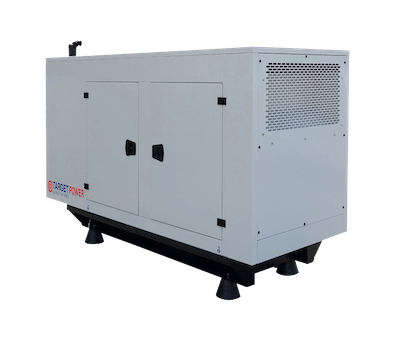
Backup generator prices typically range from $400 for small portables to $15,000+ for whole-home systems.
As an installer and homeowner who has sized, bought, and maintained dozens of units, I’ll walk you through real-world Back Up Generator Price ranges, what drives costs, and how to choose the right system without overspending. Read on for clear examples, simple calculations, and practical tips to save money and avoid common mistakes when planning for reliable backup power.

How Back Up Generator Price Breaks Down
A Back Up Generator Price includes the unit cost, installation labor, transfer switch, permits, and startup testing. Smaller portable units cost far less than standby whole-home systems, but they also offer less power and convenience.
Typical cost components:
- Unit price: generator and control components
- Installation: labor, wiring, concrete pad or mounting
- Transfer switch: manual or automatic transfer equipment
- Permits and inspection: local fees and code compliance
- Fuel hookup: gas line, propane tank, or diesel supply
- Initial maintenance: oil, filters, and commissioning
These pieces add up quickly, so compare all line items, not just the generator sticker price.
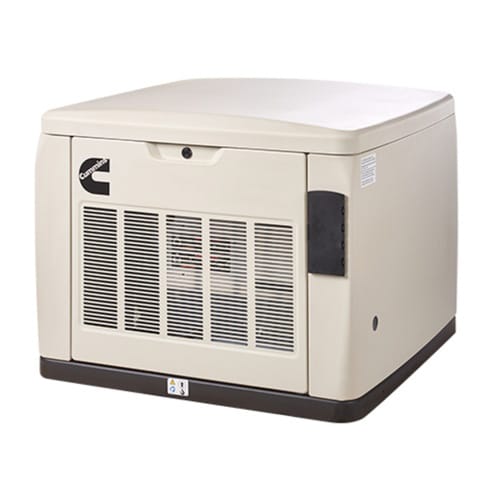
Typical Back Up Generator Price Ranges
Price bands give a quick sense of what to expect for different needs.
Portable and inverter generators:
- Small portable: $400 to $1,000 for 1,000–3,000 watts
- Mid-range portable/inverter: $1,000 to $3,000 for cleaner power and quieter operation
Home standby generators:
- Compact standby 8–12 kW: $3,000 to $6,500 (unit only)
- Mid-range 12–20 kW: $5,000 to $10,000 (unit only)
- Large whole-home 20–24+ kW: $10,000 to $20,000+ (unit only)
Installation and extras typically add $2,000 to $10,000 depending on complexity. Always plan your budget with installation included to avoid surprises.
Factors That Affect Back Up Generator Price
Several practical factors change the final Back Up Generator Price. Understanding them helps you choose wisely.
Generator size and power output:
- More kilowatts mean higher cost. A 20 kW unit costs much more than a 5 kW model.
Fuel type:
- Natural gas and propane standby units often cost more up front than portable gasoline or inverter units. Diesel units can be pricier and require special tanks.
Brand and features:
- Premium brands and units with advanced controllers, remote monitoring, or low-noise enclosures cost more.
Transfer switch type:
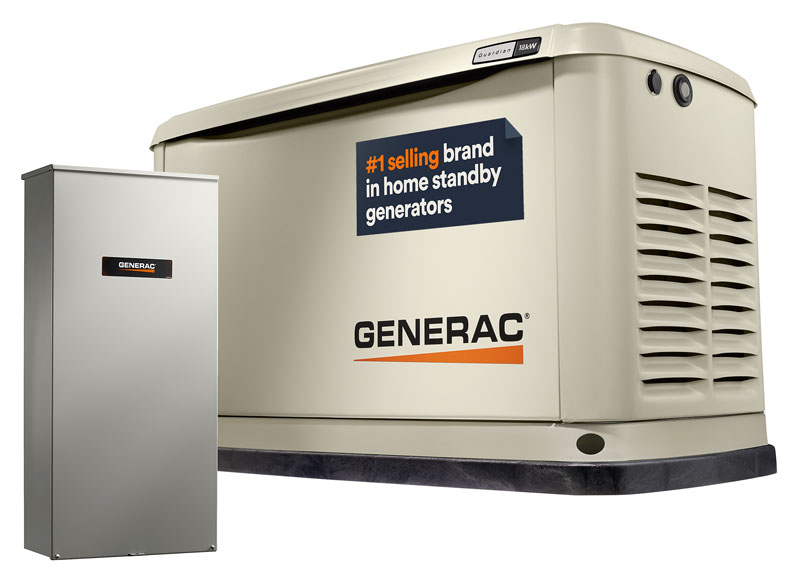
- Manual transfer switches are cheaper. Automatic transfer switches (ATS) raise the Back Up Generator Price but give seamless power.
Installation difficulty:
- Long gas lines, trenching for fuel lines, or electrical panel upgrades increase labor and permit costs.
Regional differences:
- Local labor rates, permit fees, and fuel availability affect final prices.

Source: nishnavalleycycle.com
Installation, Permits, and Hidden Costs
The generator price isn’t just the unit. Installation can be the largest surprise expense.
Common hidden costs:
- Concrete pad or mounting base
- Electrical panel upgrades or subpanels
- Longer gas line runs or new propane tanks
- Additional breakers and conduit
- Permits and municipal inspections
- Site prep and landscaping repairs after trenching
Permit and inspection fees vary by city. Get written quotes that list each charge. A clear scope of work protects you and prevents last-minute price increases.
Operating, Fuel, and Maintenance Costs
Back Up Generator Price decisions should include long-term operating costs. Fuel and maintenance add to the lifetime cost.
Fuel consumption and cost:
- Natural gas: usually convenient and lower operating cost if hooked to utility gas.
- Propane: stores on-site; cost fluctuates and requires tank leasing or purchase.
- Diesel: higher energy density but requires more maintenance and winter care.
Maintenance basics and typical costs:
- Annual service: $100 to $400 for oil, filters, and tune-up
- Battery replacement: every 3–5 years
- Load testing and software updates: occasional costs
Sample running cost example:
- A 12 kW standby might use 1.5 to 3 gallons of fuel per hour under moderate load. Multiply by local fuel prices to estimate operating cost per outage hour.
Factoring operating and maintenance over 10–20 years gives a truer picture of total cost than the initial Back Up Generator Price alone.

How to Choose the Right Generator (Sizing and Type)
Match capacity to need. Oversizing wastes money; undersizing leaves gaps.
Steps to pick the right unit:
- List essentials: refrigeration, HVAC, well pump, medical equipment, lighting.
- Calculate starting and running watts for each appliance.
- Add a safety margin of 10–20 percent.
- Choose portable or standby based on convenience and budget.
Sizing example:
- Small household essentials might need 5–7 kW.
- Full-home automatic backup often needs 12–22 kW depending on HVAC size and appliances.
If unsure, have a contractor perform a load calculation. A correct load calculation can reduce the total Back Up Generator Price by preventing unnecessary oversizing.

Financing, Incentives, and Cost-saving Tips
There are ways to manage the Back Up Generator Price without sacrificing safety.
Ways to save:
- Buy during off-season or holiday sales for portable units.
- Consider financing plans offered by dealers to spread cost.
- Reuse existing concrete pads or electrical work if safe and code-compliant.
- Bundle purchase with installation for discounted pricing.
Incentives and rebates:
- Some local programs or utility companies offer rebates or incentives for backup systems that improve grid resilience or use clean fuels. Check local options before buying.
My practical tip: get three detailed quotes and compare line items. The lowest total price isn’t always the best value.

Personal Experience and Practical Tips
I once helped a neighbor choose a standby unit after two storms left their family without power for three days. We measured essential loads, chose a mid-range 12 kW generator, and saved by using an existing propane hookup. The total Back Up Generator Price was reasonable, and the family avoided spoiled food and missed work.
Lessons learned:
- Don’t skip the transfer switch; it prevents dangerous backfeed.
- Inspect fuel lines and batteries annually.
- Ask for a written maintenance plan from your installer.
Common mistakes to avoid:
- Buying on price alone and ignoring installation scope.
- Choosing a portable unit when automatic standby is needed.
- Forgetting local code requirements for fuel storage and emissions.

Source: fosterfuels.com
Frequently Asked Questions of Back Up Generator Price
How much does a basic portable generator cost?
A basic portable generator typically ranges from $400 to $1,500 depending on wattage and brand. Expect higher prices for low-noise inverter models.
What is the average cost for a whole-house standby generator installation?
Average whole-house standby installation usually totals $7,000 to $15,000 including the unit, transfer switch, and labor. Costs vary with size, fuel type, and site complexity.
Are there ongoing costs after buying a generator?
Yes. Plan for fuel, annual maintenance, periodic battery replacement, and occasional repairs. Annual service often costs $100 to $400.
Can I install a standby generator myself to save money?
DIY installation is not recommended for most homeowners due to electrical, fuel, and code complexities. Improper installation can be unsafe and may void warranties.
Do fuel type choices affect the Back Up Generator Price a lot?
Yes. Diesel and propane systems often raise upfront costs for tanks and storage but differ in operating costs. Natural gas hookups may lower operating cost if available.
Conclusion
Understanding the full Back Up Generator Price means looking beyond the sticker to include installation, fuel, permits, and long-term maintenance. Choose capacity based on a real load calculation, get multiple quotes, and factor operating costs to make a confident, cost-effective decision. Take action: map your critical loads, request detailed quotes from trusted installers, and plan maintenance now so your investment delivers reliable power when you need it most. Leave a comment or share your generator experience to help others decide.