
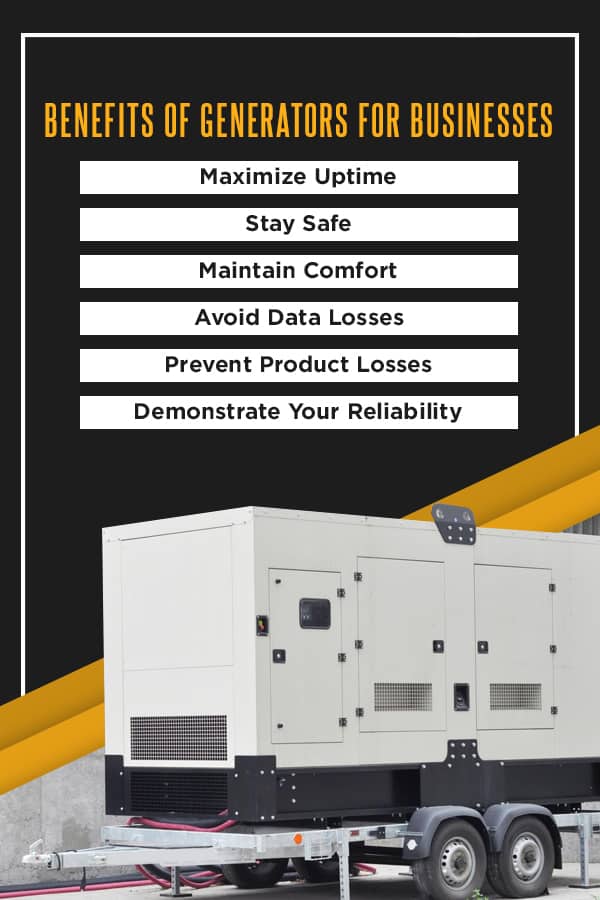
Generators keep your lights, devices, and essential systems running during outages, offering reliability and peace of mind.
I’ve spent years working with home and commercial backup systems, installing and testing generators in real situations. This guide explains the Benefits Of A Generator in simple terms, shows how different types fit different needs, and shares practical tips I learned the hard way. Read on if you want clear, useful advice to pick, install, and maintain a generator that actually works when you need it most.
How generators work
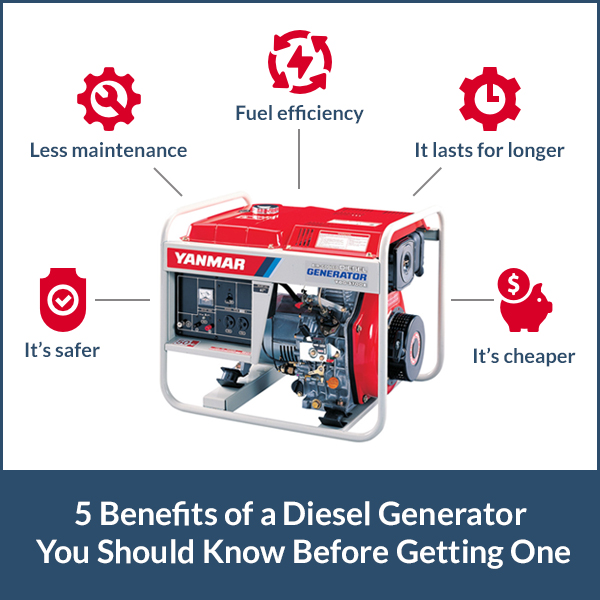
A generator converts mechanical energy into electrical energy. An engine burns fuel to turn an alternator. The alternator produces electricity you can use in your home or business.
Most home units sense a power loss and switch on automatically. Portable units need manual start and safe positioning outside. Knowing the basics helps you choose the right model and size for your needs.
Top Benefits Of A Generator
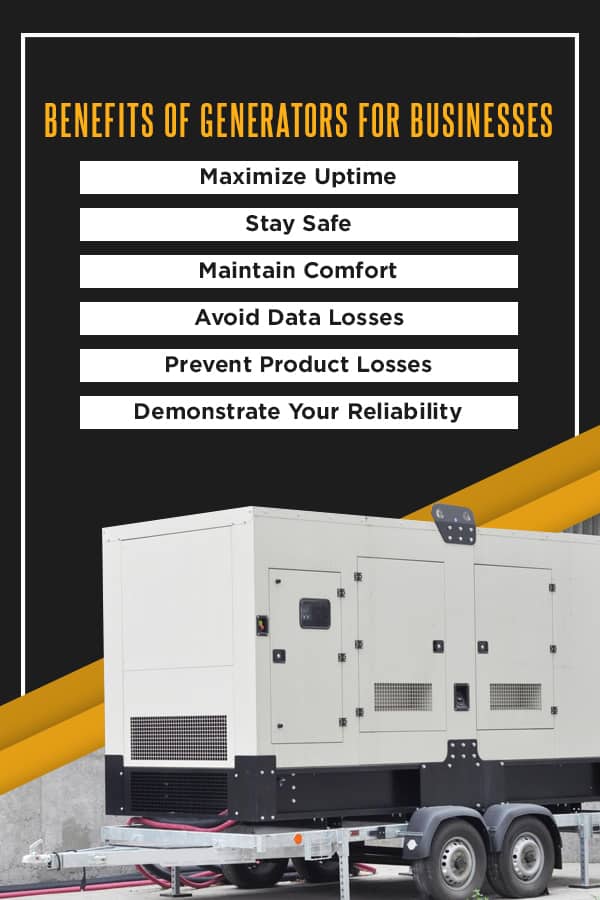
The Benefits Of A Generator are wide-ranging. They protect safety, comfort, and finances when the grid fails.
- Emergency power for lights and refrigerators. A generator keeps food from spoiling and rooms lit during outages.
- Protection for sensitive electronics. Stable backup power prevents data loss and appliance damage.
- Business continuity and productivity. Small businesses can stay open during short outages and avoid lost revenue.
- Medical support and safety. People who depend on oxygen or other devices can maintain health at home.
- Comfort and security. Heating or cooling can keep you safe in extreme weather.
- Increased property value and appeal. Homes with permanent standby systems are more attractive to buyers.
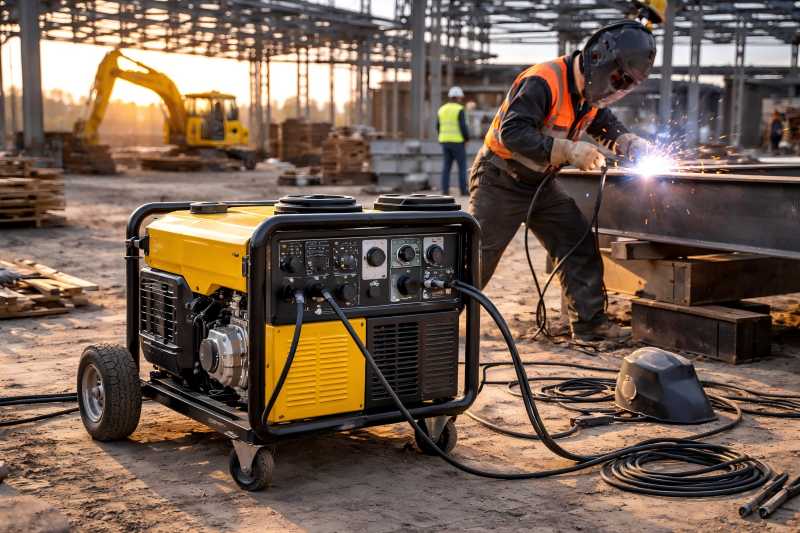
- Outdoor and job-site power. Portable units run tools and equipment where grid power isn’t available.
- Off-grid independence. For cabins and remote sites, generators provide reliable power on demand.
Each of these Benefits Of A Generator matters differently for every user. Think about which matters most to you before choosing a model.
Types and common uses
Different generator types deliver different Benefits Of A Generator. Pick by use, fuel type, and power output.
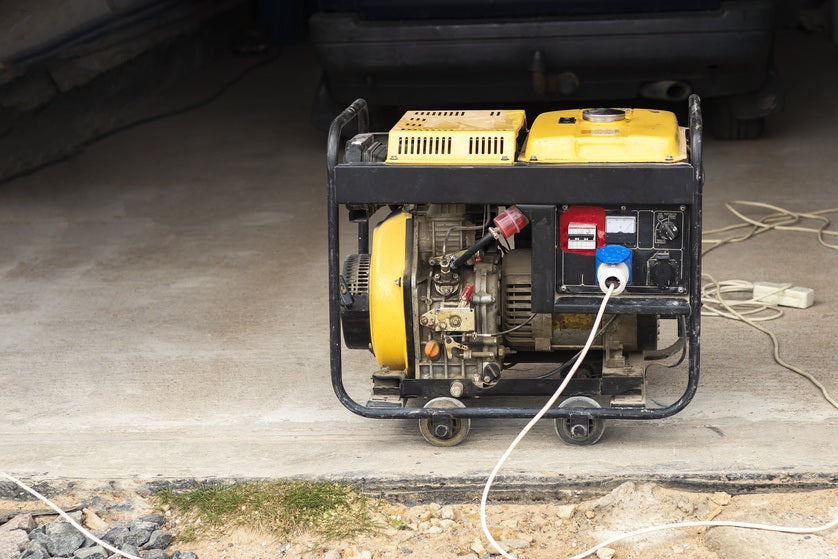
- Portable generators
- Best for temporary needs, job sites, and camping.
- They are flexible but require manual setup and ventilation.
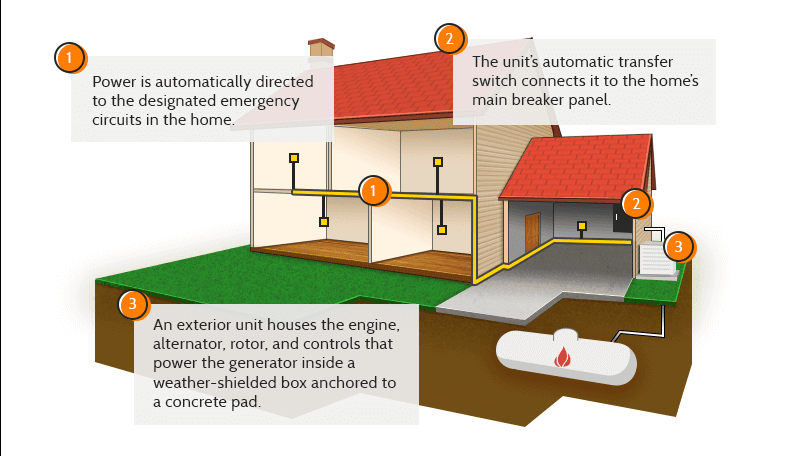
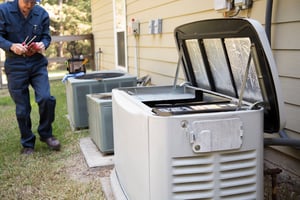
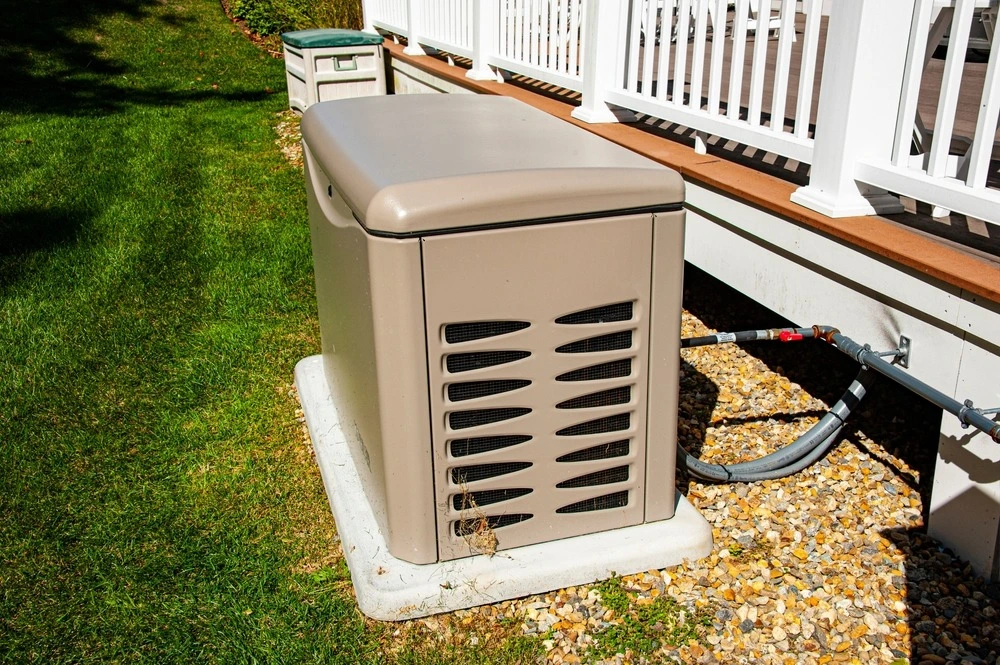
- Standby (automatic) generators
- Permanently installed and wired into your electrical panel.
- They start automatically and protect whole-house systems.
- Inverter generators
- Offer cleaner power and better fuel efficiency.
- Ideal for sensitive electronics and quiet operation.
Matching type to use maximizes the Benefits Of A Generator. For whole-house backup, a standby unit is often the best choice. For occasional power outdoors, a portable unit works well.
Choosing the right generator
Choosing the right unit makes the Benefits Of A Generator real. Follow a few clear steps.
- Calculate your power needs
- Add the wattage of items you want to run at once.
- Include startup surges for motors and compressors.
- Select fuel type and availability
- Gasoline, diesel, propane, and natural gas each have pros and cons.
- Choose what’s easy and safe for you to store or access.
- Consider automatic transfer switches
- Transfer switches safely connect the generator to circuits.
- They make standby units seamless and code-compliant.
- Check runtime, noise, and emissions
- Longer runtime reduces refill frequency.
- Quieter units are better for neighborhoods.
- Plan for maintenance and serviceability
- Factor in regular oil changes, filters, and professional checks.
- Local serviceability preserves long-term Benefits Of A Generator.
Pick a model with a small margin above your needs. That prevents overload and extends life.
Installation, safety, and maintenance
Proper installation unlocks the full Benefits Of A Generator. Safety is critical.
- Follow local codes and permits
- Many areas require permits and licensed electricians.
- A transfer switch and proper grounding are often mandatory.
- Place generators outdoors and away from windows
- Exhaust contains carbon monoxide. Keep units clear of vents and doors.
- Perform routine maintenance
- Run the generator monthly and change oil per the manual.
- Inspect fuel lines, filters, and batteries regularly.
- Store fuel safely
- Use approved containers and rotate fuel to avoid degradation.
- Label and secure fuel away from living areas.
Neglecting safety or maintenance erodes the Benefits Of A Generator and risks injury or property damage.
Cost, ROI, and environmental considerations
Think long term when assessing the Benefits Of A Generator. Upfront cost is only part of the picture.
- Upfront vs ongoing costs
- Portable units are cheaper upfront but need manual setup.
- Standby systems cost more but add continuous protection.
- Return on investment
- Consider saved food, missed work, and avoided hotel stays.
- For businesses, even short outages can justify the cost quickly.
- Environmental impact
- Diesel and gasoline generators emit more pollutants.
- Newer inverter and propane units run cleaner and can be paired with renewables.
Weigh financial benefits against environmental trade-offs. Maintenance and efficient models reduce operating costs and emissions.
Personal experience and practical tips
I’ve installed and tested dozens of systems. Here are lessons I learned that make the Benefits Of A Generator meaningful.
- Test under load before you need it
- A generator that never ran under load may fail during an actual outage.
- Keep a clear checklist
- Fuel level, oil, battery, and transfer switch function should be checked routinely.
- Avoid common mistakes
- Don’t run a portable generator indoors or without proper grounding.
- Don’t skip load calculations—undersized units overload quickly.
- Plan fuel logistics in advance
- I once had a generator ready but no compatible fuel on hand during a storm. Now I store safe amounts and a spare in an approved container.
These practical steps protect your investment and ensure the Benefits Of A Generator show up when you need them.
Quick answers (common questions people ask)
How much power do I need from a generator?
Estimate the wattage of essentials like fridge, lights, and furnace. Add startup watts for motors, then choose a generator with at least 10–20% extra capacity.
Can a portable generator power my whole house?
Most portable units are too small for full-house loads. They are best for selected circuits or essential appliances.
How often should I run my generator?
Run it at least once a month for 15–30 minutes under load. Monthly runs keep the engine, battery, and fuel systems healthy.
Is a standby generator worth the cost?
If outages are frequent or you depend on medical devices, a standby generator is often worth the investment for continuous protection. It offers the strongest Benefits Of A Generator for whole-house resilience.
Are generators noisy and polluting?
All combustion generators produce noise and emissions, but modern inverter and low-tone models are much quieter and cleaner than older units.
Frequently Asked Questions about Benefits Of A Generator
What are the primary Benefits Of A Generator for homeowners?
A generator provides emergency power for lights, food preservation, and HVAC systems, ensuring safety and comfort during outages. It can also protect electronics and prevent costly food loss.
How does a generator protect sensitive electronics?
Generators with stable output or inverter technology reduce voltage fluctuations. Using surge protectors and proper grounding further protects devices from damage.
Can I install a generator myself?
Portable generators can be used with careful setup, but whole-house standby generators require licensed professionals and permits for safe, code-compliant installation.
How much fuel will a generator use during an outage?
Fuel consumption varies by size and load. A typical home standby generator on half load might use 0.5 to 2 gallons per hour, depending on model and fuel type.
What maintenance keeps the Benefits Of A Generator reliable?
Regular oil changes, filter replacements, battery checks, and monthly load tests keep a generator ready. Following the manufacturer schedule prevents most failures.
Are generators safe to run in winter storms?
Yes, if installed and ventilated properly. Keep the unit clear of snow and ice, and ensure exhaust paths are free to avoid carbon monoxide risks.
How long will a generator last?
With good maintenance, many generators run for 10–20 years. Usage patterns, fuel type, and maintenance affect lifespan.
Conclusion
A generator offers practical, reliable benefits that protect safety, comfort, and finances. From short power outages to extended storms, the Benefits Of A Generator help you stay safe and maintain normal life. Evaluate your power needs, choose the right type, follow safety rules, and maintain your unit regularly to get the most value. Start by listing must-have circuits, then compare models and get a professional for permanent installs. If this guide helped, try a monthly test run, subscribe for updates, or leave a comment with your generator questions.