
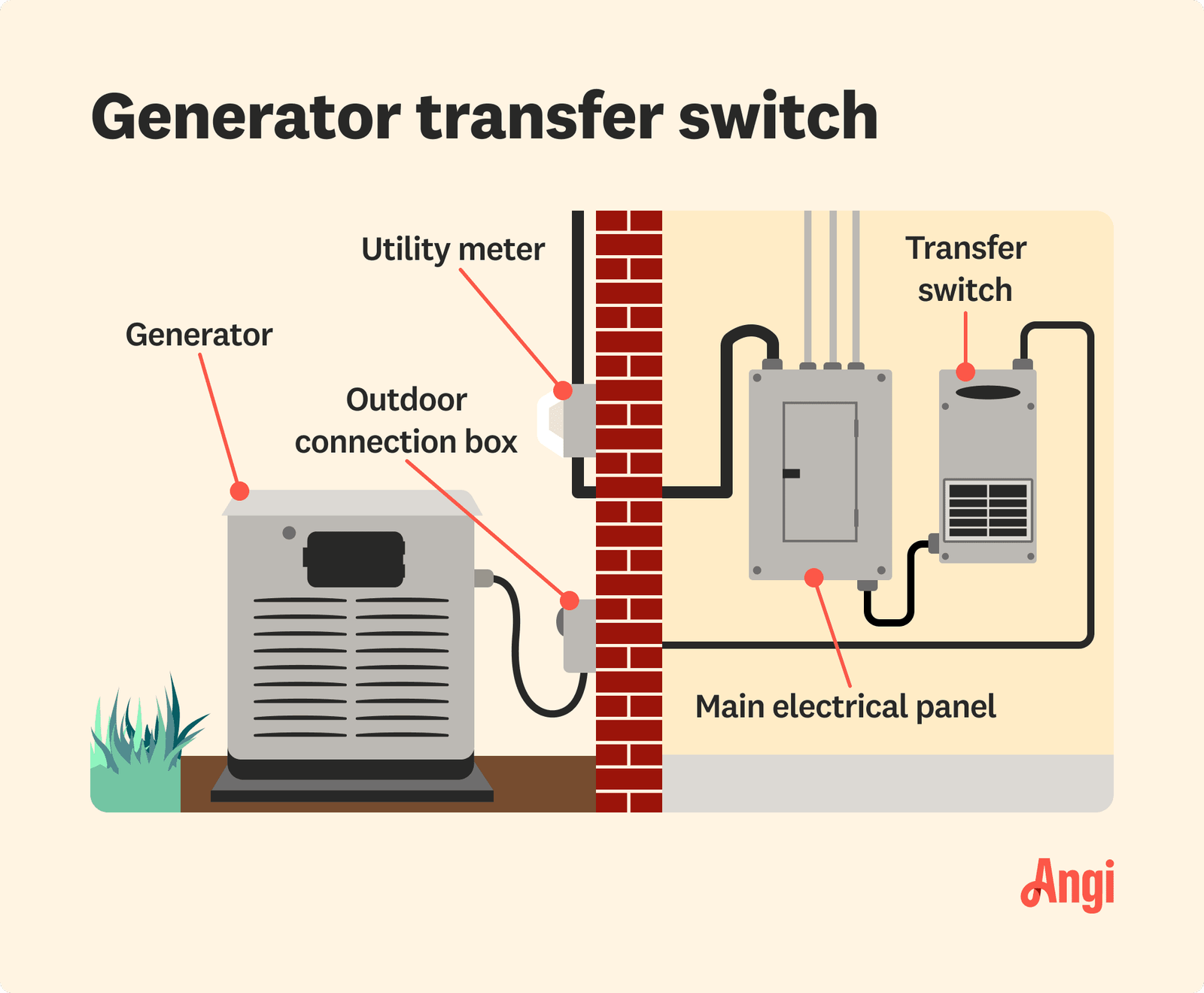
Are you ready to take control of your power supply? Installing a generator transfer switch is one of the smartest moves you can make for your home.
It ensures a seamless transition to backup power during outages, keeping your family safe and comfortable. But where do you start? In this guide, we’ll walk you through the best way to install a generator transfer switch, step by step.
You’ll discover essential tips, tools you’ll need, and common mistakes to avoid. Don’t leave your home’s power to chance—read on to empower yourself with knowledge and confidence!
Choosing The Right Transfer Switch
Choosing the right transfer switch is crucial for your generator setup. It ensures your home gets power safely during an outage. Many options are available, each with unique features. Understanding these features will help you make a good choice.
Types Of Transfer Switches
Transfer switches come in two main types: manual and automatic. Manual switches require you to operate them. Automatic switches handle the process for you. Think about your needs. Do you want to control power yourself or have it done automatically?
Power Capacity
Power capacity is vital. It determines how much electricity your switch can handle. Check your generator’s output. Ensure the transfer switch matches this output. A mismatch can lead to problems.
Number Of Circuits
Consider how many circuits you need to power. Some switches handle only a few circuits. Others can manage many. Make a list of essential circuits. This will guide your choice.
Installation Location
Think about where to install the switch. It should be near your generator and main electrical panel. Easy access makes operation simpler. Ensure there is enough space for installation and maintenance.
Safety Features
Safety features are important in a transfer switch. Look for options with overload protection and surge protection. These features protect your home and appliances. They also provide peace of mind during storms.
Cost Considerations
Cost is a factor for many homeowners. Transfer switches vary in price. Set a budget before shopping. Balance quality with affordability to find the best option.
Essential Tools And Materials
To install a generator transfer switch, having the right tools and materials is key. Basic tools include a screwdriver, wire stripper, and pliers. Essential materials feature the transfer switch, wire, and circuit breakers. These items ensure a safe and effective installation process.
Installing a generator transfer switch can seem daunting, but having the right tools and materials makes the process smoother. This guide will help you gather everything you need to ensure a successful installation. Let’s dive into the essentials that will set you up for success.Basic Hand Tools
You’ll need a few basic hand tools to start your installation. A screwdriver set is crucial for securing various components. – Wire cutters and strippers will help you prepare your electrical connections. – A torque wrench ensures all connections are tightened to the right specifications, preventing any potential issues later. Having these tools on hand will save you time and frustration.Electrical Components
Next, you’ll need specific electrical components for the transfer switch. – A generator transfer switch itself is the star of the show. Choose one compatible with your generator’s wattage. – Wiring is essential; ensure it meets local codes. You’ll likely need heavy-duty cable to handle the power load. Investing in quality components makes a significant difference in performance and safety.Safety Gear
Don’t overlook the importance of safety gear. – Safety glasses protect your eyes from debris while working. – Insulated gloves help prevent electrical shocks. You never know when an unexpected situation might arise, so being prepared is key.Additional Supplies
Gather some additional supplies that can enhance your installation experience. – Electrical tape and wire connectors will help secure your connections. – A voltage tester can give you peace of mind by ensuring the power is off before you start working. Having everything laid out can simplify the process and make it more efficient. With the right tools and materials, you set yourself up for a straightforward and successful generator transfer switch installation. What’s holding you back from starting your project?Preparing Your Electrical System
Before installing a generator transfer switch, you must prepare your electrical system. This step is critical for safety and efficiency. Proper preparation ensures everything works smoothly. Follow these steps to get ready.
Check Your Main Electrical Panel
Start by inspecting your main electrical panel. Look for any signs of damage. Ensure all circuits are labeled correctly. A clear panel helps during installation. Check the amp rating of your panel. It should match your generator’s output.
Assess Your Power Needs
Next, determine your power needs. List essential appliances and systems. Include things like refrigerators, lights, and HVAC units. Add up their wattage to find the total. This total will guide your transfer switch choice.
Gather Necessary Tools And Materials
Gather the tools and materials needed for installation. You will need a screwdriver, wire strippers, and a drill. Have electrical tape and a voltage tester on hand. Ensure you also have the transfer switch and any wiring. Prepare everything to avoid delays.
Turn Off Power Supply
Before you begin, turn off the main power supply. This protects you from electric shocks. Use a voltage tester to confirm the power is off. Safety comes first in any electrical work.
Read The Manufacturer’s Instructions
Finally, read the manufacturer’s instructions for your transfer switch. Each model may have specific requirements. Understanding these details will help ensure proper installation.

Credit: waterheatertimer.org
Safety Precautions To Follow
Installing a generator transfer switch safely is crucial. Always turn off the main power before starting. Use proper tools and wear protective gear to prevent accidents. Following these safety precautions ensures a smooth and secure installation process.
Installing a generator transfer switch can significantly enhance your home’s safety during power outages. However, it’s essential to prioritize safety throughout the process. Ignoring safety precautions can lead to accidents or injuries, which no one wants to face. Let’s dive into some crucial safety measures you should follow.Turn Off The Main Power
Before you start working, always turn off the main power supply. This action prevents any electrical shock while you install the transfer switch. Make sure to: – Locate your main circuit breaker. – Flip the switch to the off position. – Confirm that the power is indeed off using a voltage tester. Taking this simple step could save you from a dangerous situation.Use Proper Tools And Equipment
Having the right tools is crucial for a successful and safe installation. Always use insulated tools to minimize the risk of electrical shock. Essential tools include: – Screwdrivers – Wire strippers – Voltage tester – Safety gloves Keep your workspace organized to avoid accidents. A clutter-free environment helps you focus on the task.Wear Personal Protective Equipment (ppe)
Your safety is paramount, so don’t skip wearing personal protective equipment. Safety glasses and gloves can protect you from unexpected sparks or debris. Consider wearing: – Safety goggles – Insulated gloves – Long sleeves and pants These items might seem basic, but they play a vital role in keeping you safe.Follow Local Electrical Codes
Familiarize yourself with local electrical codes before you begin. These codes are designed to ensure safety and compliance with regulations. Consulting with a licensed electrician can provide additional peace of mind. They can guide you on specific requirements for your area. Are you aware of the penalties for not following these codes? Ignoring them could lead to fines or insurance issues later on.Test The System Before Use
After installation, conduct a thorough test of your transfer switch. Ensure that everything works as intended before relying on it during an outage. Steps to test your system: 1. Turn on your generator. 2. Switch to generator power using the transfer switch. 3. Check each connected appliance. This test is your assurance that the system is ready. It’s better to troubleshoot now than during a power failure. Safety should always be your top priority. By following these precautions, you’ll create a safer environment for yourself and your family while enjoying the benefits of a generator transfer switch. Are you ready to take the next step in ensuring your home’s safety?Installing The Transfer Switch
Installing a generator transfer switch is a smart way to connect a generator safely. Start by choosing a suitable location near your main electrical panel. Follow the manufacturer’s instructions carefully to ensure a safe and effective installation. Proper setup provides reliable power during outages.
Installing the Transfer Switch Installing a generator transfer switch is a crucial step in ensuring your home is safely powered during an outage. It allows you to connect your generator directly to your home’s electrical system, preventing back-feed into the grid. This process might seem daunting, but breaking it down into manageable steps can make it straightforward.Mounting The Switch
Start by choosing a location for your transfer switch. It should be close to the main electrical panel and easily accessible. Use a level to mark where the switch will go. Ensure it’s high enough to avoid flooding but within reach for easy operation. Once you’ve marked the spot, drill holes for the mounting screws. Secure the switch to the wall, making sure it’s stable. A well-mounted switch ensures safety and efficiency.Connecting To The Circuit Breaker
Next, you’ll connect the transfer switch to your circuit breaker panel. Turn off the main power before starting this step to avoid any electrical hazards. Carefully remove the panel cover and identify the circuits you want to power during an outage. Using a circuit directory can help you choose wisely. Run the appropriate gauge wire from the transfer switch to the circuit breaker. Connect it to the designated circuit breakers in your panel. Tighten all connections to ensure they’re secure.Wiring The Generator
Now, it’s time to wire your generator to the transfer switch. Start by positioning the generator outside your home, at least 10-15 feet away to prevent carbon monoxide buildup. Use a heavy-duty extension cord designed for outdoor use to connect the generator to the transfer switch. Before you start the generator, double-check all connections. This step is crucial for safety. Once everything is in place, turn on your generator and flip the switch. You should now have a reliable power source ready for use. Remember, regular maintenance on your generator and transfer switch is key to ensuring they work when you need them most. How do you feel about taking on this project? With the right tools and a little patience, you can ensure your home stays powered, even in the toughest situations.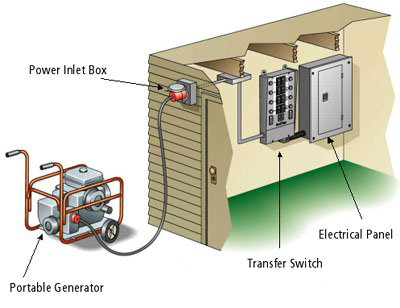
Credit: www.cloverelectric.com
Testing And Troubleshooting
Testing and troubleshooting a generator transfer switch is crucial for safety and reliability. Proper installation ensures smooth operation during power outages. Follow clear steps to check connections and functionality, making sure everything works as it should.
Testing Your Generator Transfer Switch
Testing your generator transfer switch is crucial. It ensures everything works as it should. Start by turning off the main power. Next, connect your generator to the transfer switch. Turn on the generator. This will help you check the connection.
After that, flip the switch to the generator position. Check if the power flows to your home. Use a multimeter to measure the voltage. Ensure it matches the generator’s output. This step confirms your installation is correct.
Troubleshooting Common Issues
Sometimes, problems may occur. If the power does not flow, check the connections. Look for loose wires or damaged cables. Ensure the generator is running properly. A malfunctioning generator can cause issues.
Also, check the transfer switch itself. Look for any signs of damage. If the switch is faulty, it may need replacement. Always follow the manufacturer’s guidelines for troubleshooting.
Safety Precautions
Safety is essential during testing and troubleshooting. Always wear protective gear. Turn off the main power before starting any work. Avoid touching live wires. This can prevent serious injuries.
Make sure the area is dry. Water and electricity do not mix. Keep children and pets away while testing. This helps to avoid accidents.
Maintenance Tips For Longevity
Keeping your generator transfer switch in good shape is important. Regular maintenance helps it last longer. Simple tasks can make a big difference. Here are some tips to help you.
Regular Inspections
Check your transfer switch every few months. Look for signs of wear or damage. Make sure all connections are tight. Inspect the wiring for frays or breaks. Early detection prevents bigger problems.
Cleanliness Matters
Dust and dirt can cause issues. Clean the area around the switch regularly. Use a soft cloth or a vacuum. Avoid using water or harsh chemicals. Keeping it clean helps it function well.
Test The System
Run your generator and transfer switch regularly. This ensures everything works properly. Test it under load to see if it handles power demands. Do this every month or two.
Replace Worn Parts
Check the transfer switch for worn parts. Replace any damaged components immediately. Use only recommended parts for replacements. This ensures compatibility and safety.
Keep It Dry
Moisture can cause problems. Make sure the area is dry. Check for leaks or water buildup. Keep the transfer switch in a dry location.
Follow The Manual
Always refer to the manufacturer’s manual. It has specific maintenance guidelines. Following these instructions ensures proper care. It also helps maintain your warranty.
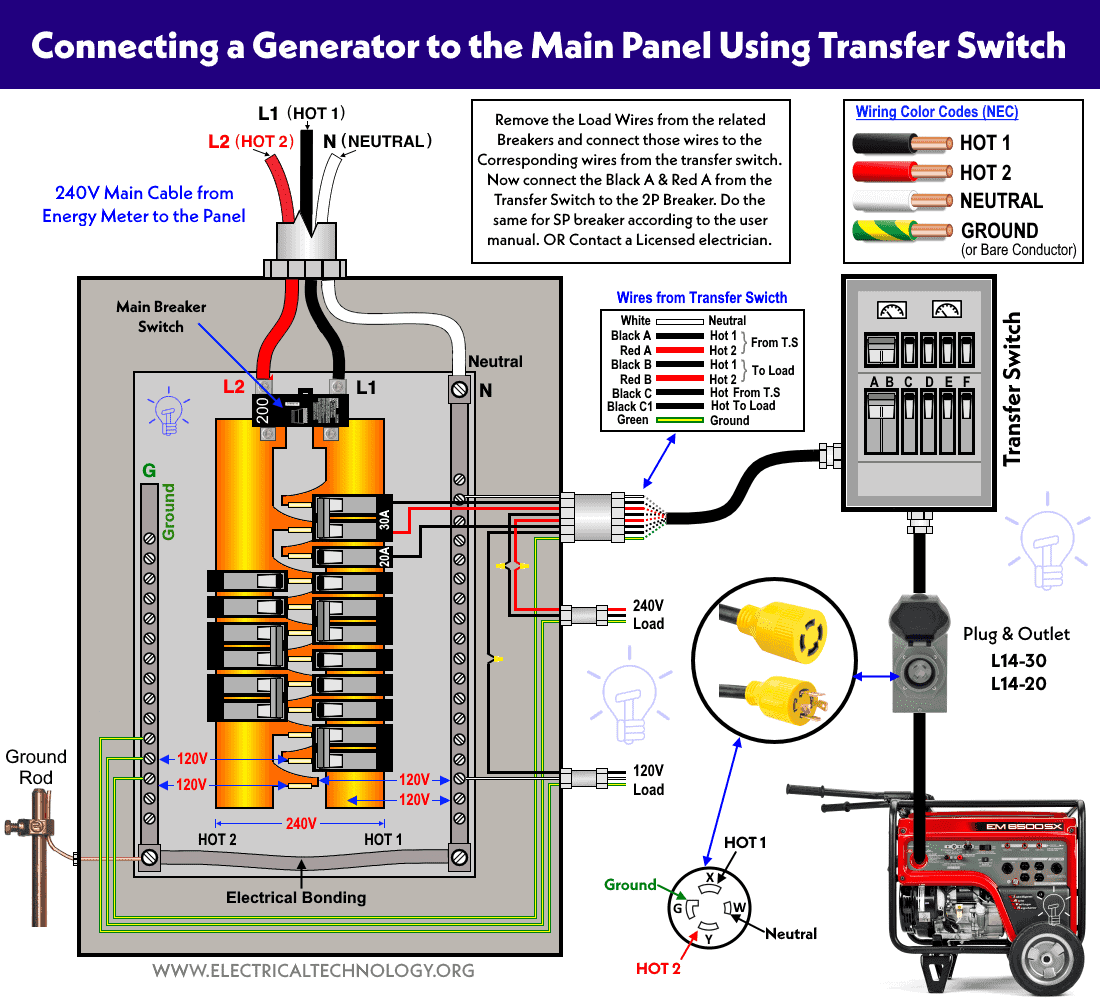
Credit: www.electricaltechnology.org
Frequently Asked Questions
What Is A Generator Transfer Switch?
A generator transfer switch is a device that safely connects a backup generator to your home’s electrical system. It prevents back-feeding into the grid, ensuring safety for utility workers. Installing a transfer switch allows you to power essential appliances during an outage.
How To Choose The Right Transfer Switch?
Choose a transfer switch based on your generator’s wattage capacity and your home’s electrical needs. Consider the number of circuits you want to power during an outage. It’s important to ensure compatibility with your generator for optimal performance and safety.
Can I Install A Transfer Switch Myself?
While some homeowners may attempt a DIY installation, it’s highly recommended to hire a licensed electrician. Proper installation is crucial for safety and compliance with local codes. An electrician will ensure all connections are secure and the system functions correctly.
What Are The Benefits Of A Transfer Switch?
A transfer switch provides a safe, convenient way to use a generator during power outages. It allows you to power multiple circuits and essential appliances seamlessly. Additionally, it protects your home’s electrical system and prevents dangerous back-feeding.
Conclusion
Installing a generator transfer switch can enhance your home’s safety. This process protects your appliances during a power outage. Follow the steps carefully for the best results. Always consider hiring a professional if you feel unsure. A proper installation ensures everything works smoothly.
Stay prepared for any emergency with a reliable setup. Take your time and double-check your work. A little effort now leads to big peace of mind later. Your home deserves the best protection from power loss. Enjoy the comfort of knowing you are ready for anything.